Fascinating Fungi with Geoff Dann

Geoff began his talk by explaining how he had always been interested in fungi, but his working life originally was as a software engineer in Sussex. In order to move away from this, he took a degree in philosophy although he eventually taught himself in the mid 1980s how to forage. Wanting to turn his passion into a profession, he began his popular mushroom walks, teaching people about edible and toxic fungi as they come across them in the wild, and subsequently presenting guest slots on television and writing articles.

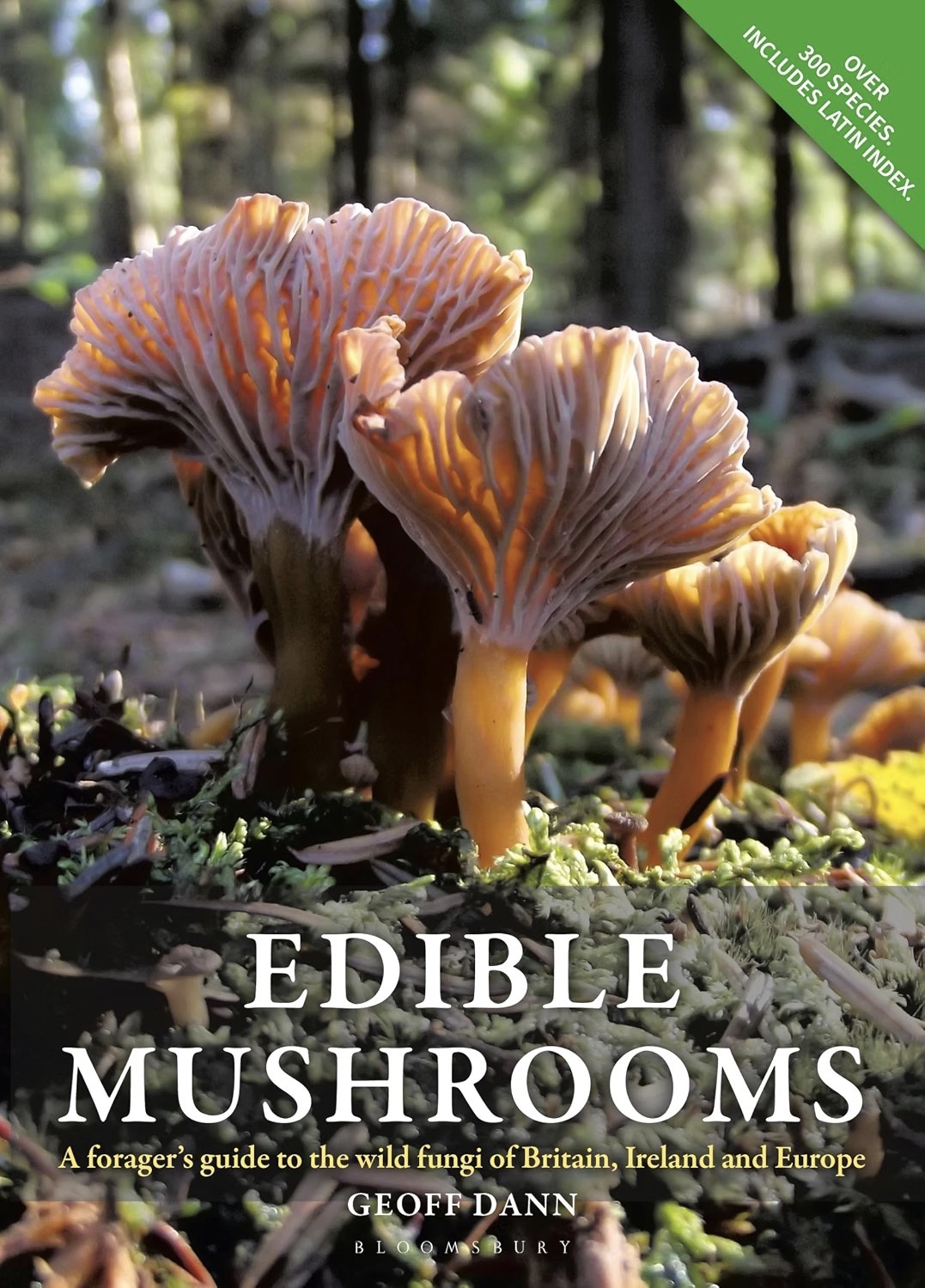
By 2016 Geoff’s book “EdibleMushrooms – a forager’s guide to the wild fungi of Britain, Ireland and Europe” was published, which he had put together because he felt there was no fully comprehensive book on the market containing the important factual details, along with pictures of the types of fungi. So he turned a long standing interest into his full time occupation.

Geoff eventuallly moved to Wales and 4 years ago tried taking a group of people foraging, but they found nothing! He realised that there are just not that many ancient woodlands or beech forests in West Wales. Using his philosophy acumen, he decided to write about why we can’t sort out the “Meaning crisis” which deals with the fragmentation of knowledge and why we can’t work with science and nature instead of trying to bend it to our will. So he wrote another book “The Real path to Ecocivilisation”, which dealt with the subject.

Geoff had brought with him a very full table of different types of fungi and he explained that fungi are really just a temporary gonad/testicle/ovary which produces spores (and some will only do this every 10 years as conditions have to be just right) which will release primary mycelium, containing only half of the required genes. This has to find another primary mycelium and they need to land in exactly the right place together in order to produce the fungi. They are highly specialised and many will only grow on specific types of wood; the diversity is huge – there are 6 or 7 times as many fungi as there are corals. Going back to the beginning of life on earth, fungi are more closely related to animals than plants.

This year has not been a good year so far for fungi; obviously they need a damp atmosphere and the usual autumn drop in temperature hasn’t occurred yet. On the way to the hall Geoff had found a Larch bolete (Suillus grevillei) which is generally very common and grows near larch trees but there are not nearly as many yet as there would normally be. Bolete fungi have a spongy underside with pores and range from the microscopic to the huge. Large boletes are generally regarded as safe to eat although the Bitter bolete (whitish/yellowing pores) whilst not toxic, gets more bitter when cooked. The second most common bolete is the Bay bolete which is good to eat and the Scarlatina bolete is one of the blue ones. Most fungi have a gill structure with a stalk and a cap and are related to each other, although the Russian milk caps (of which there are different varieties) are not related to other fungi. In Russia these are prized for eating and processes have been developed there to make them edible, whereas in other countries they are ignored because of an acrid taste. Some milk caps are generally described as inedible, while in Turkey for instance they are dried and ground to make a hot spice.

There are two basic types of fungi and about half of them will eventually break down in the ground with dead vegetation plus a very few parasitic fungi which will feed on their host tree or plant and kill them.

In addition to the many different fungi that Geoff had brought with him, some members had also brought specimens. He described some of the mushrooms on display:
 Alan Hughes, CC BY-SA 2.0 , via Wikimedia Commons


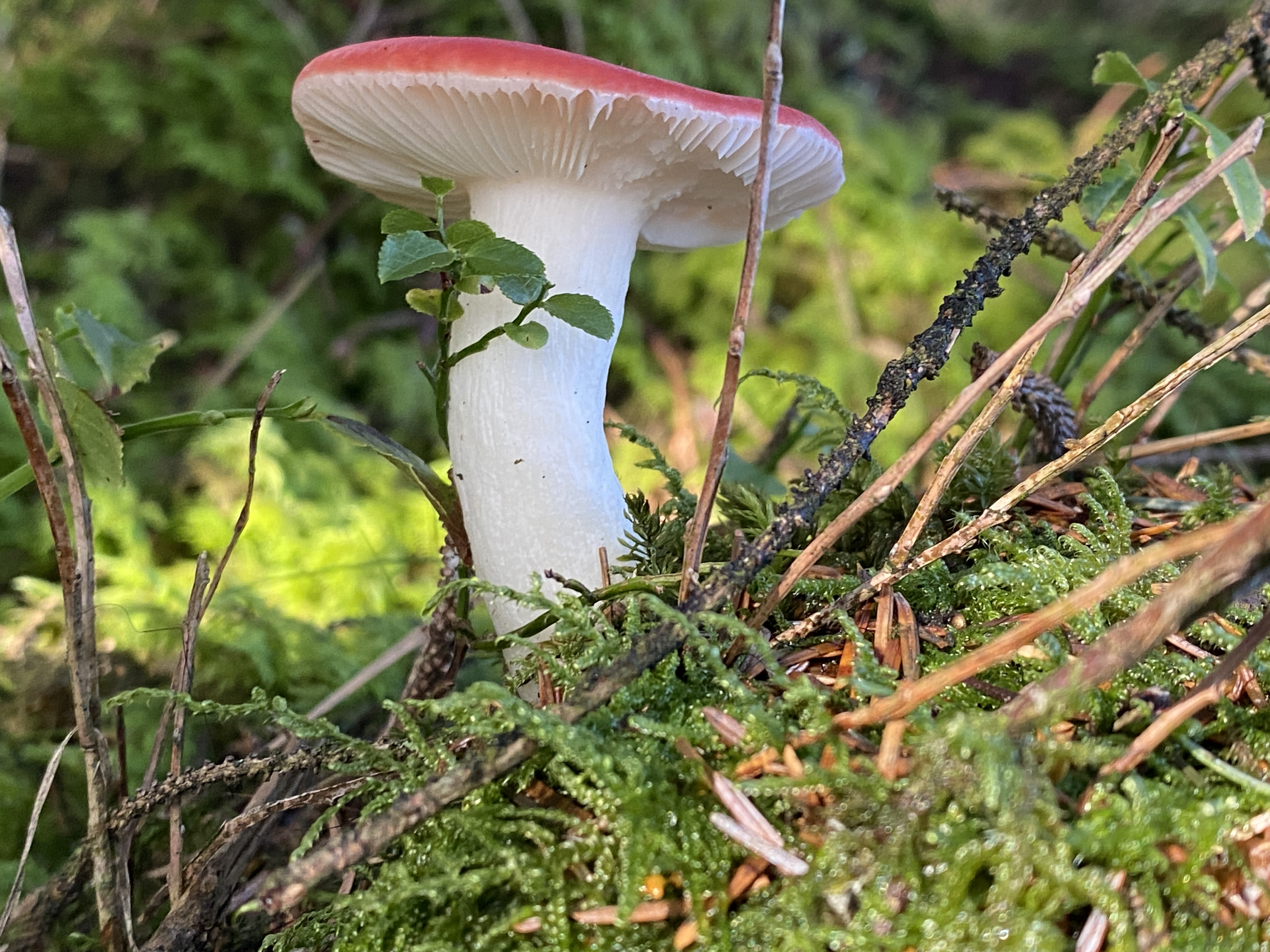
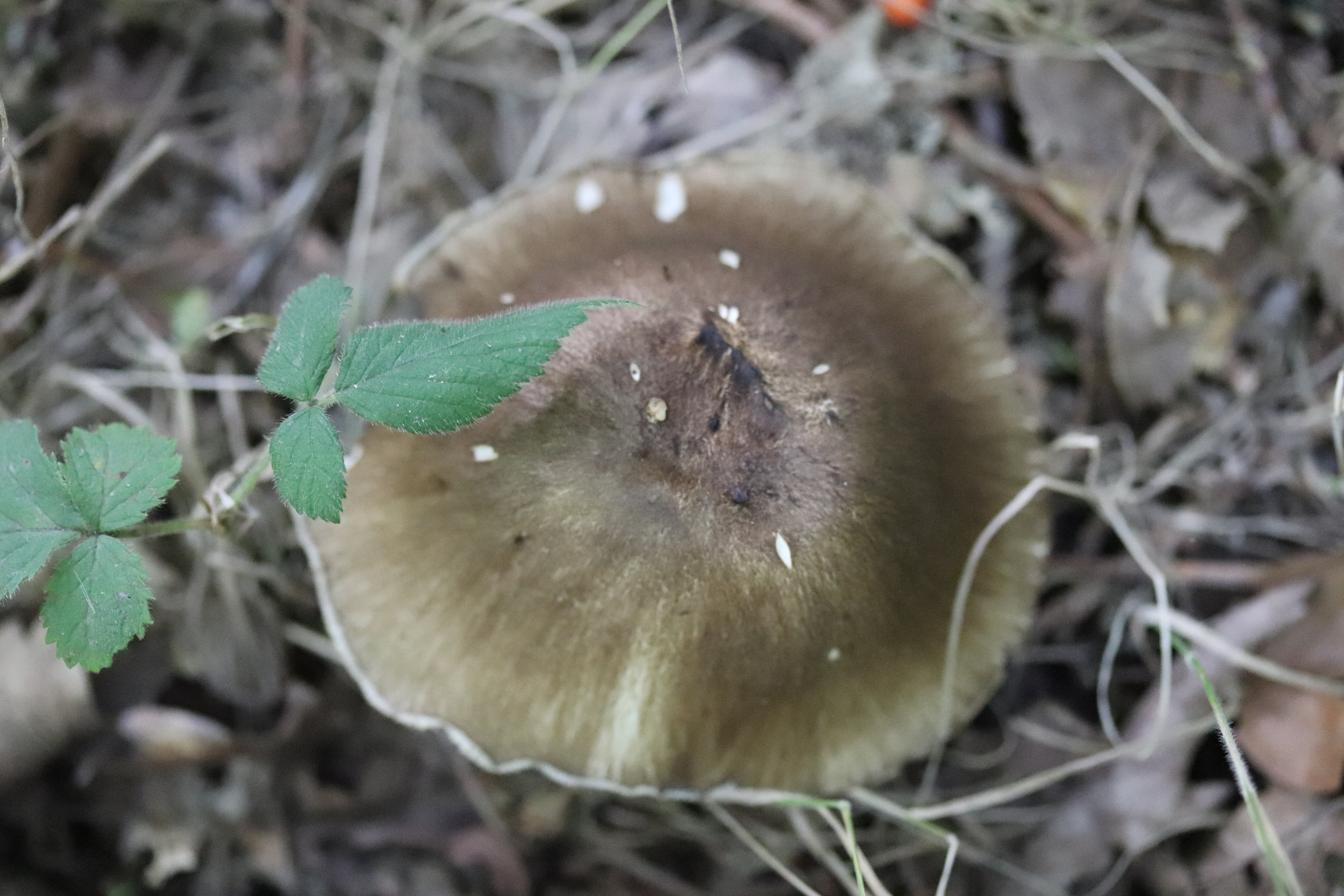
The Sickener (Russula emetica) mushroom (clue in the name!), of which there are 2 different varieties, although not actually poisonous, will make you quite unwell if eaten.


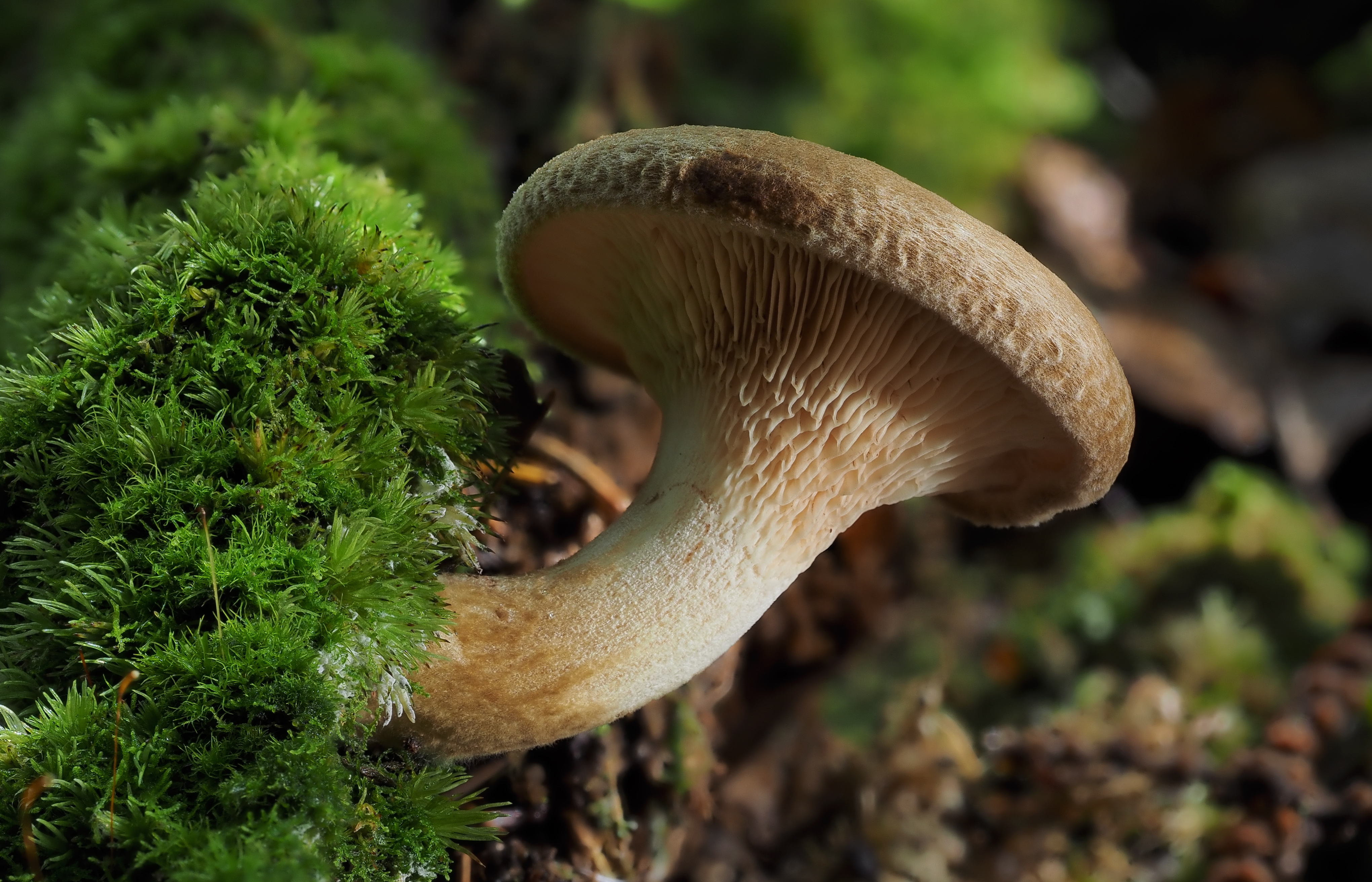
Brown roll rim (Paxillus involutus) used to be eaten (not raw). However, it was discovered after an Austrian man died just before WWII that if eaten in any quantity will make your body attack the red blood cells and cause irrevocable damage to your kidneys.
Peter Miloševič, CC BY-SA 4.0, via Wikimedia Commons
Holger Krisp, CC BY 3.0 , via Wikimedia Commons


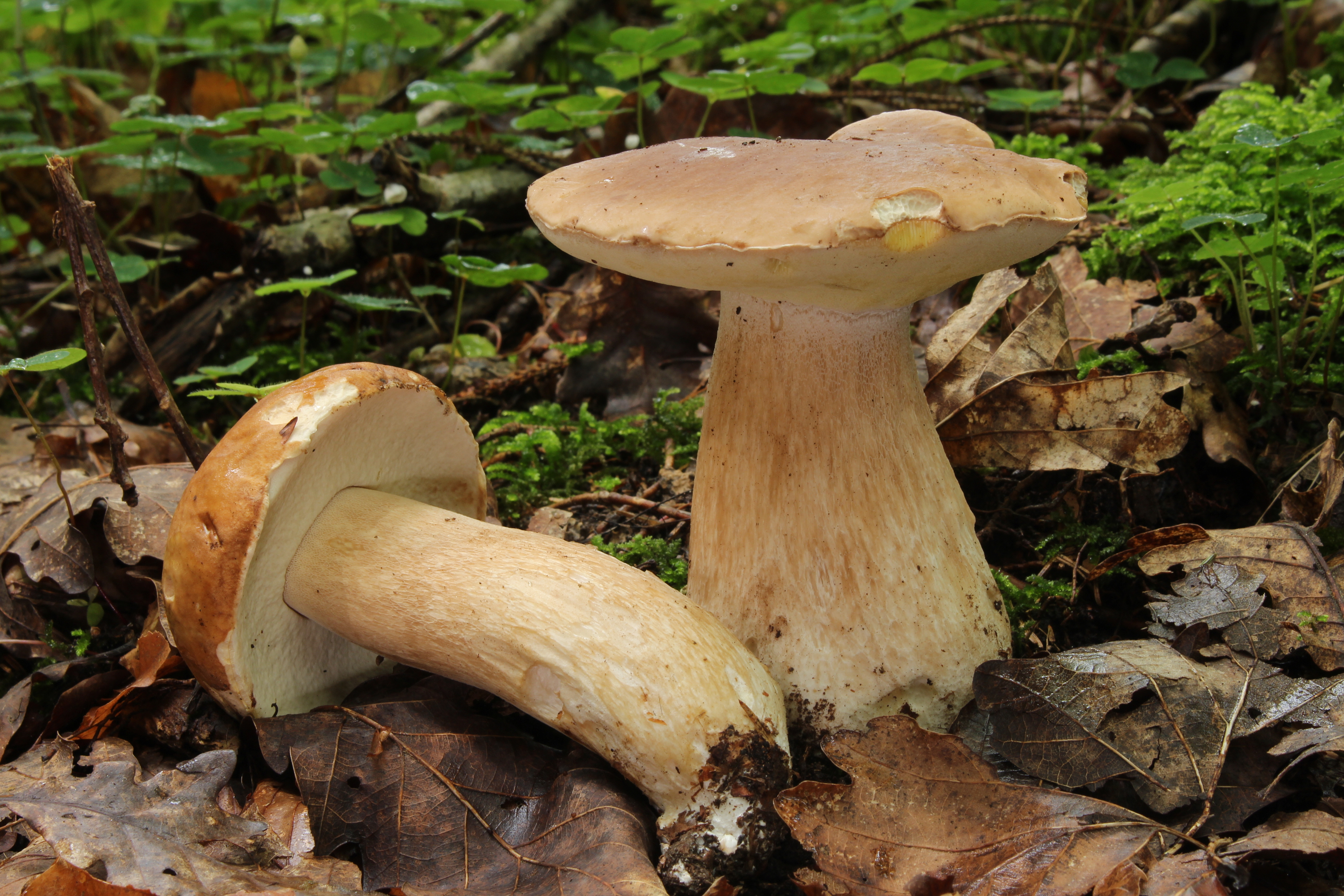
Penny bun (Boletus edulis) also known as cep or porcini, is one of Britain’s most celebrated edible fungi and is prized for its taste.


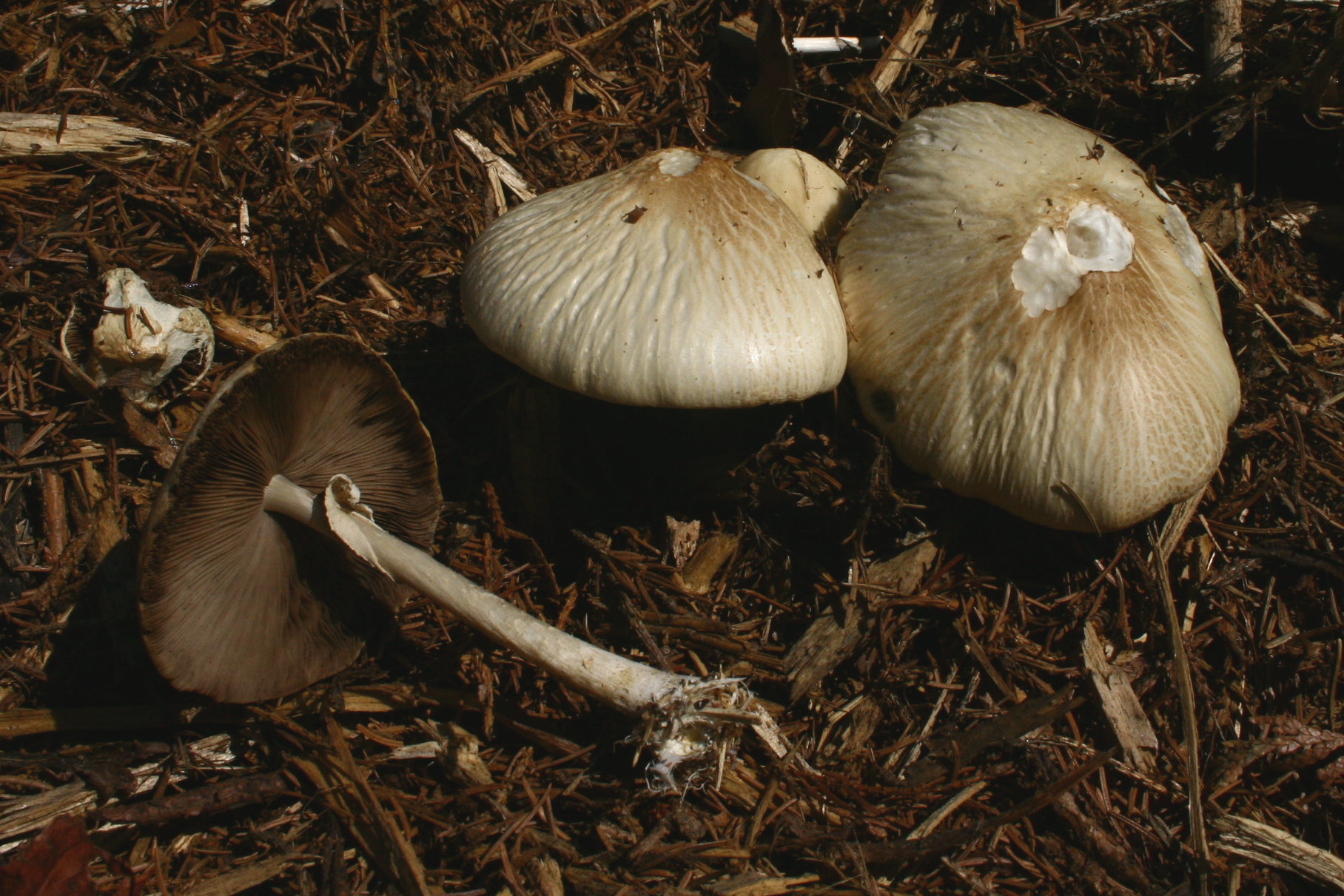
Wrinkled fieldcap (Agrocybe rivulosa) was discovered in 1990 and is now quite common in parts of Britain particularly where there are quantities of wood chippings. However, field guides up to now advise against eating it, partly due to it looking very like some other mushrooms which are toxic.
Strobilomyces, CC BY-SA 3.0, via Wikimedia Commons
Dr. Hans-Günter Wagner, CC BY-SA 2.0 , via Wikimedia Commons


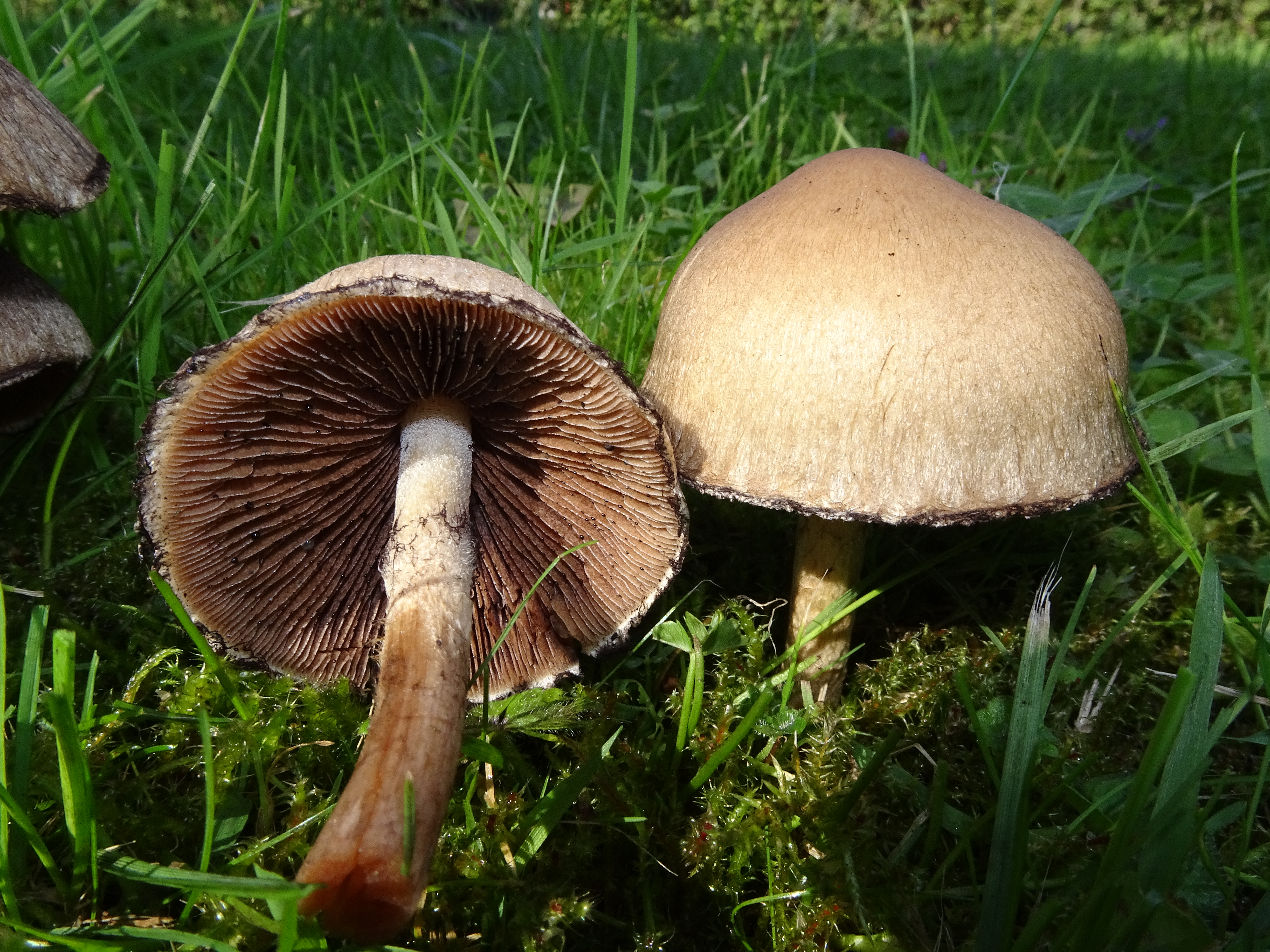
Weeping widow (Lacrymaria lacrymabunda), which has droplets of water on the gills, is a bitter mushroom, though not poisonous.


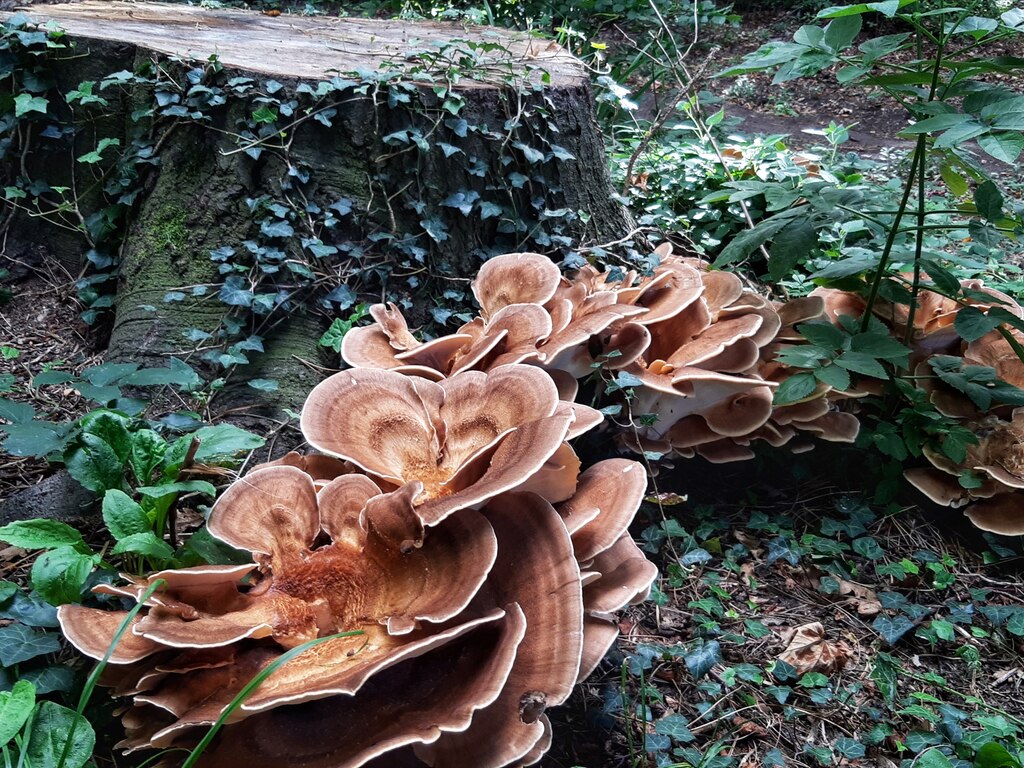
Giant polypore (Meripilus giganteus) is a bracket fungus, which looks like the Chicken of the woods. It will be found on trees and is safe to eat although not so good when it gets too large. Bracket fungi do not have a stalk but grow directly from the tree and will go black when you touch them.
Andrew Curtis, CC BY-SA 2.0 , via Wikimedia Commons
Rudolphous, CC BY-SA 4.0 , via Wikimedia Commons


White laced shank (Megacollybia platyphylla) is not good to eat and has thick mycelial strands looking a bit like roots hanging from it.


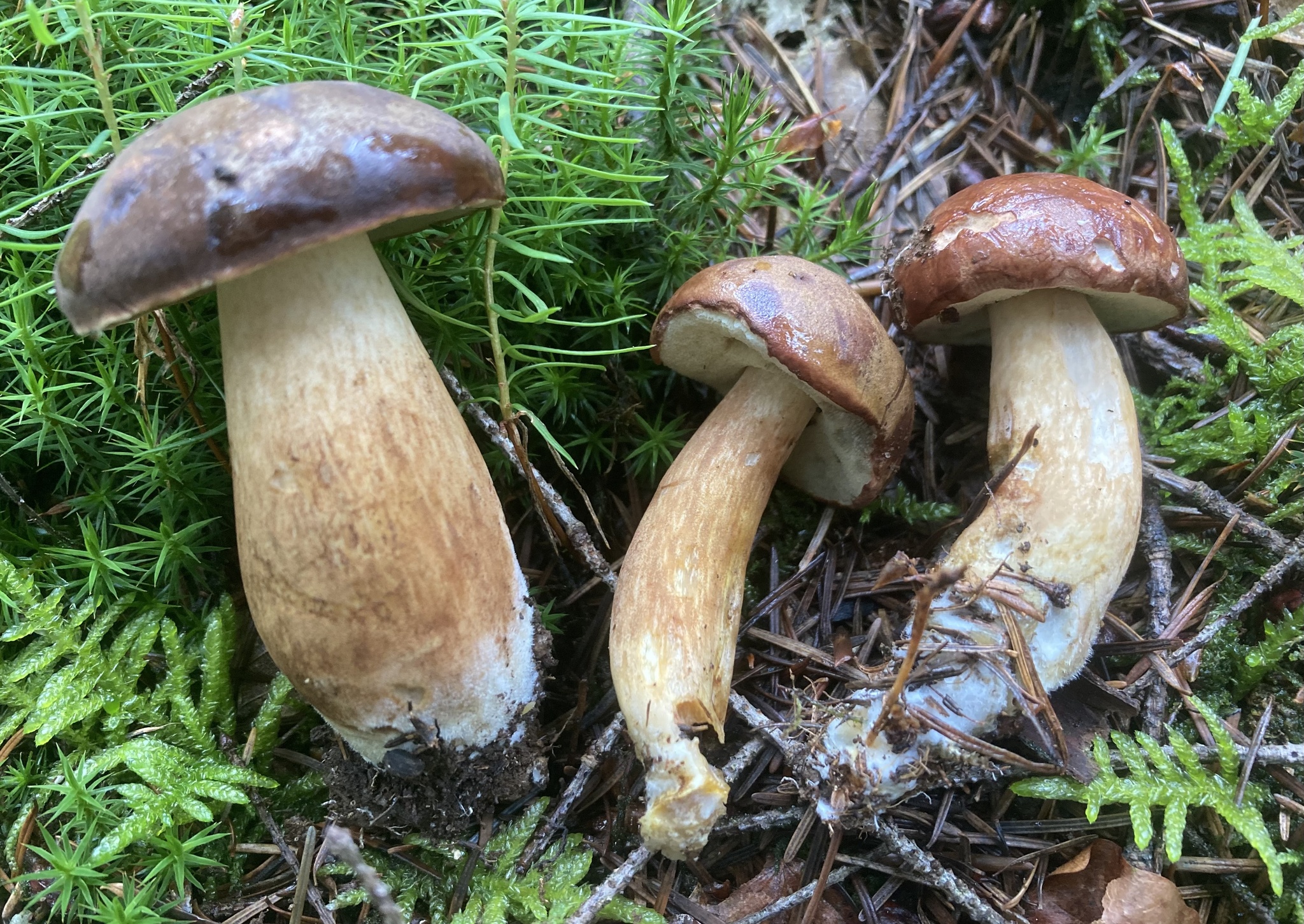
Bay bolete (Imleria badia) is common and good to eat.
Lucian Clanet, CC BY 4.0 , via Wikimedia Commons
Holger Krisp, CC BY 3.0, via Wikimedia Commons


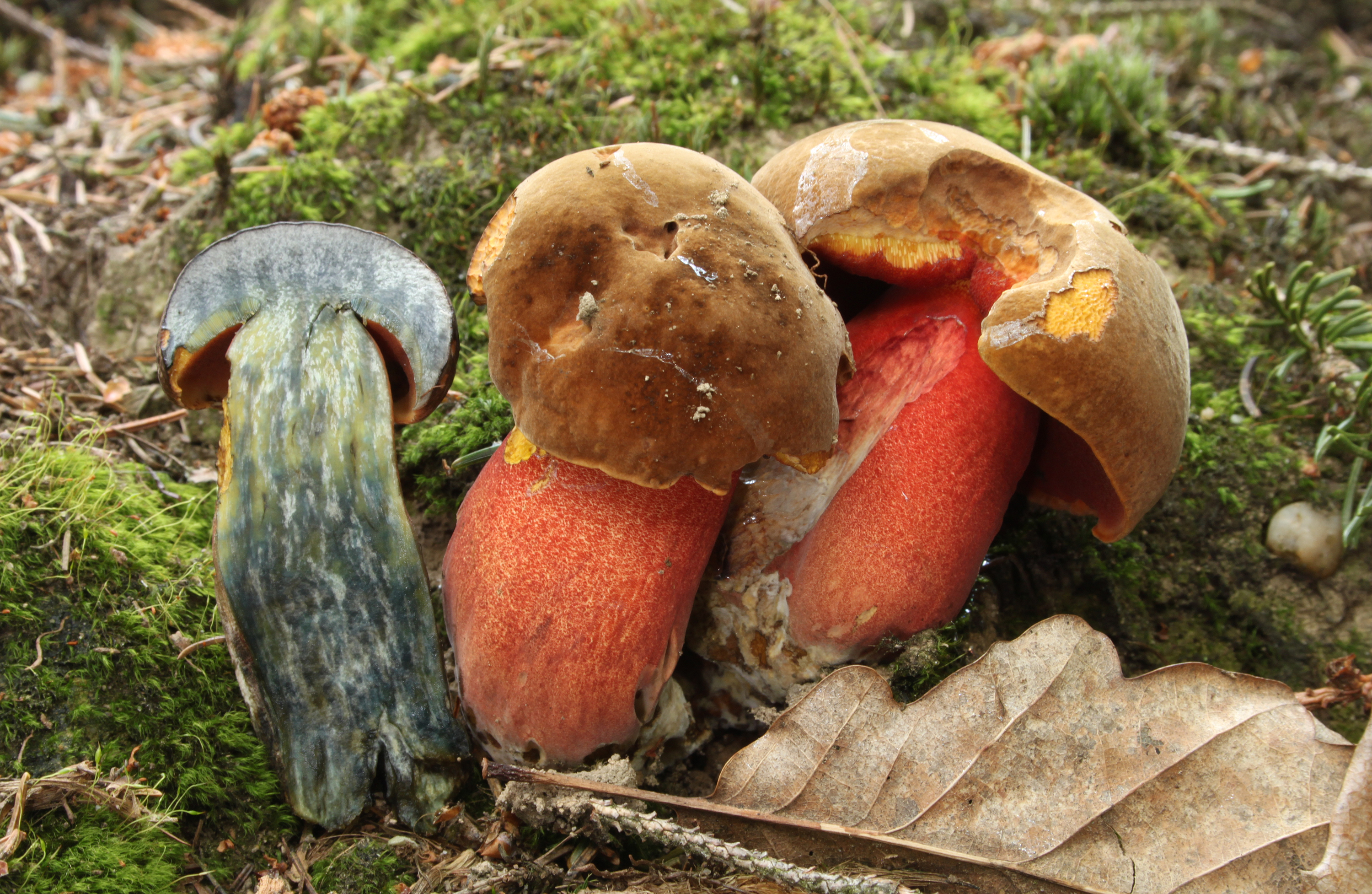
Scarlatina bolete (Neoboletus praestigiator) is good if cooked well but not recommended for the novice forager as it can be confused with similar but toxic mushrooms.


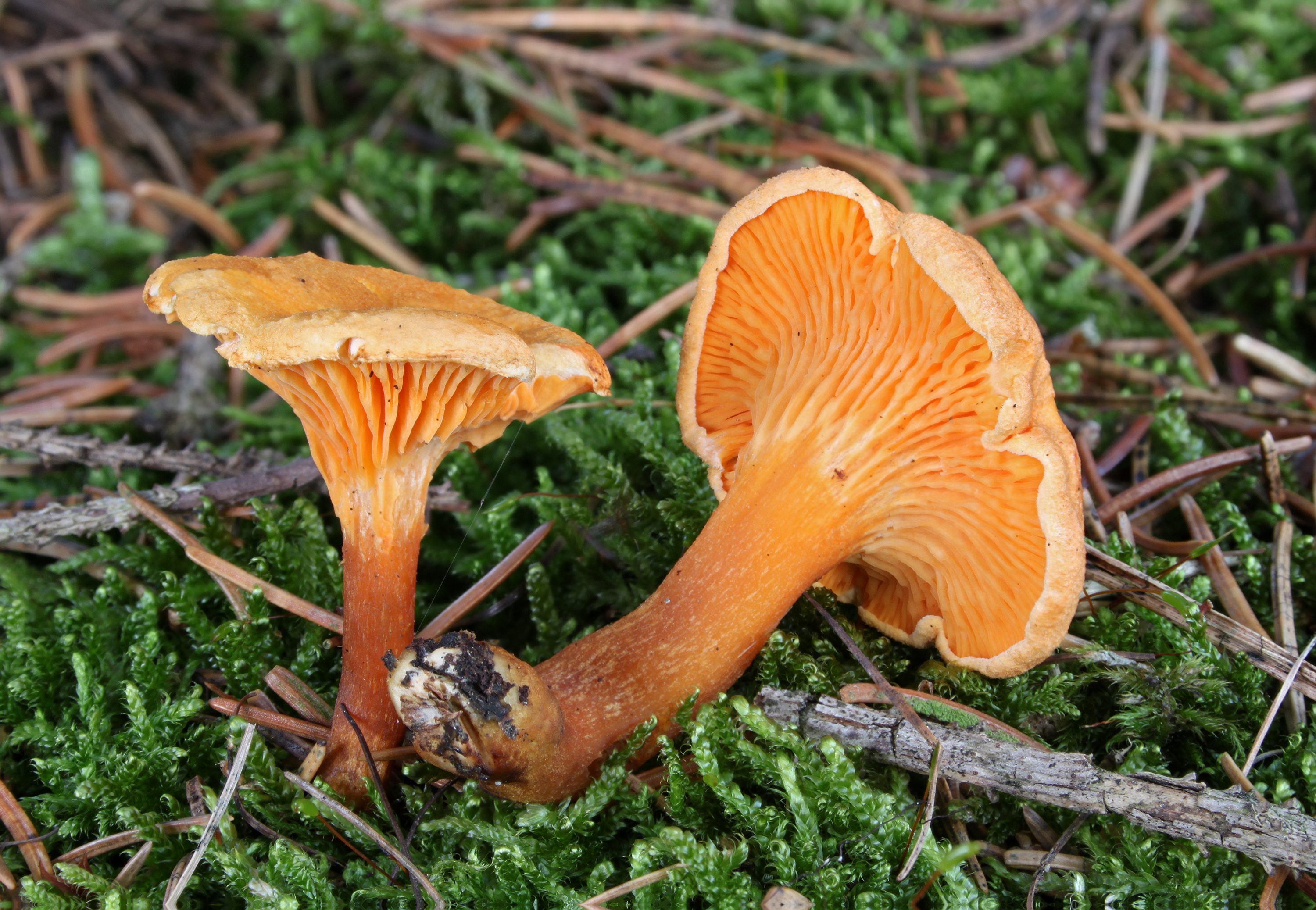
False Chanterelle (Hygrophoropsis aurantiaca) is a funnel shaped mushroom, not good to eat, and it is orange rather than the yellow of the good edible chanterelle.
Holger Krisp, CC BY 3.0 , via Wikimedia Commons
Dr. Hans-Günter Wagner, CC BY-SA 2.0, via Wikimedia Commons


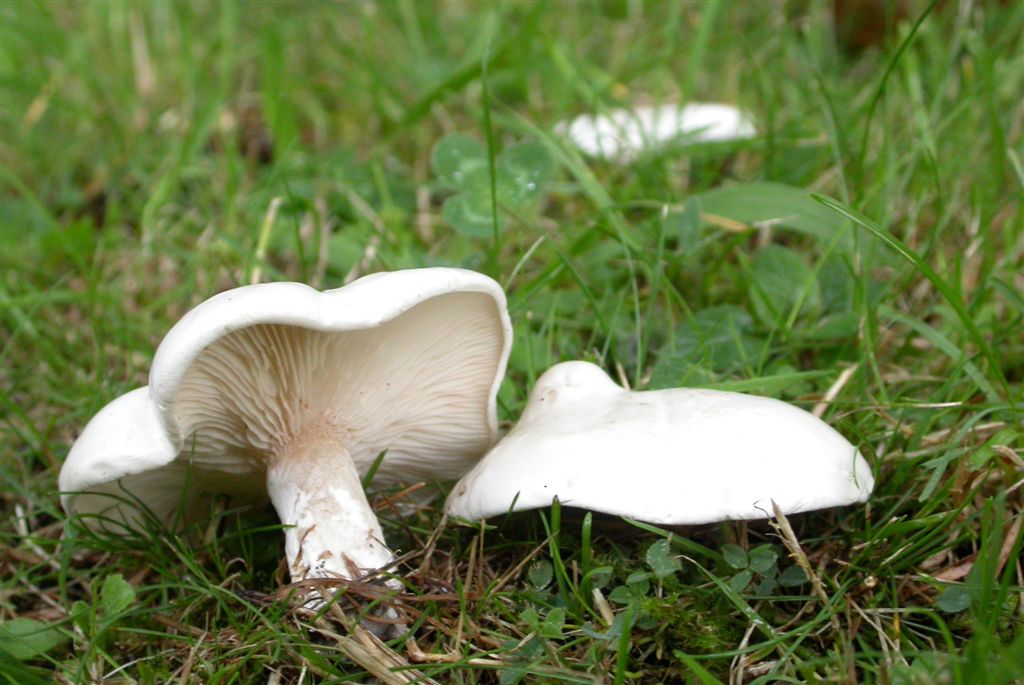
The Miller (Clitopilus prunulus) is parasitic on other fungi and smells like raw dough or, according to Geoff, it smells more like semen. It is also not for novice foragers as it can be confused with a similar very poisonous mushroom.


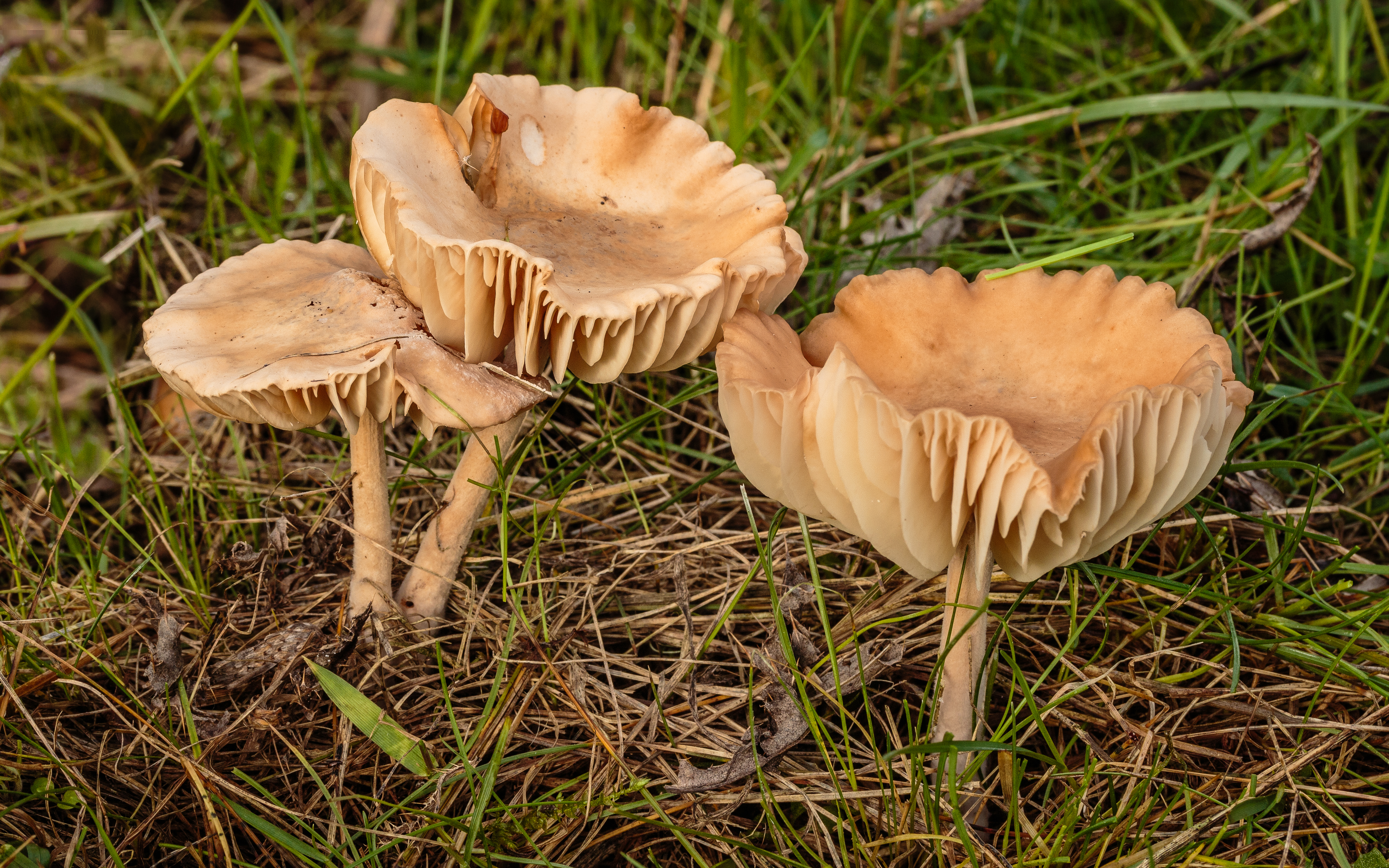
Fairy ring fungi (Marasmius oreades) do always grow in a ring and are common in south east England but not so common in this part of Wales. The ring will expand each year as the mycelium spreads.
Agnes Monkelbaan, CC BY-SA 4.0, via Wikimedia Commons
Alex ‘Florstein’ Fedorov, CC BY-SA 4.0, via Wikimedia Commons


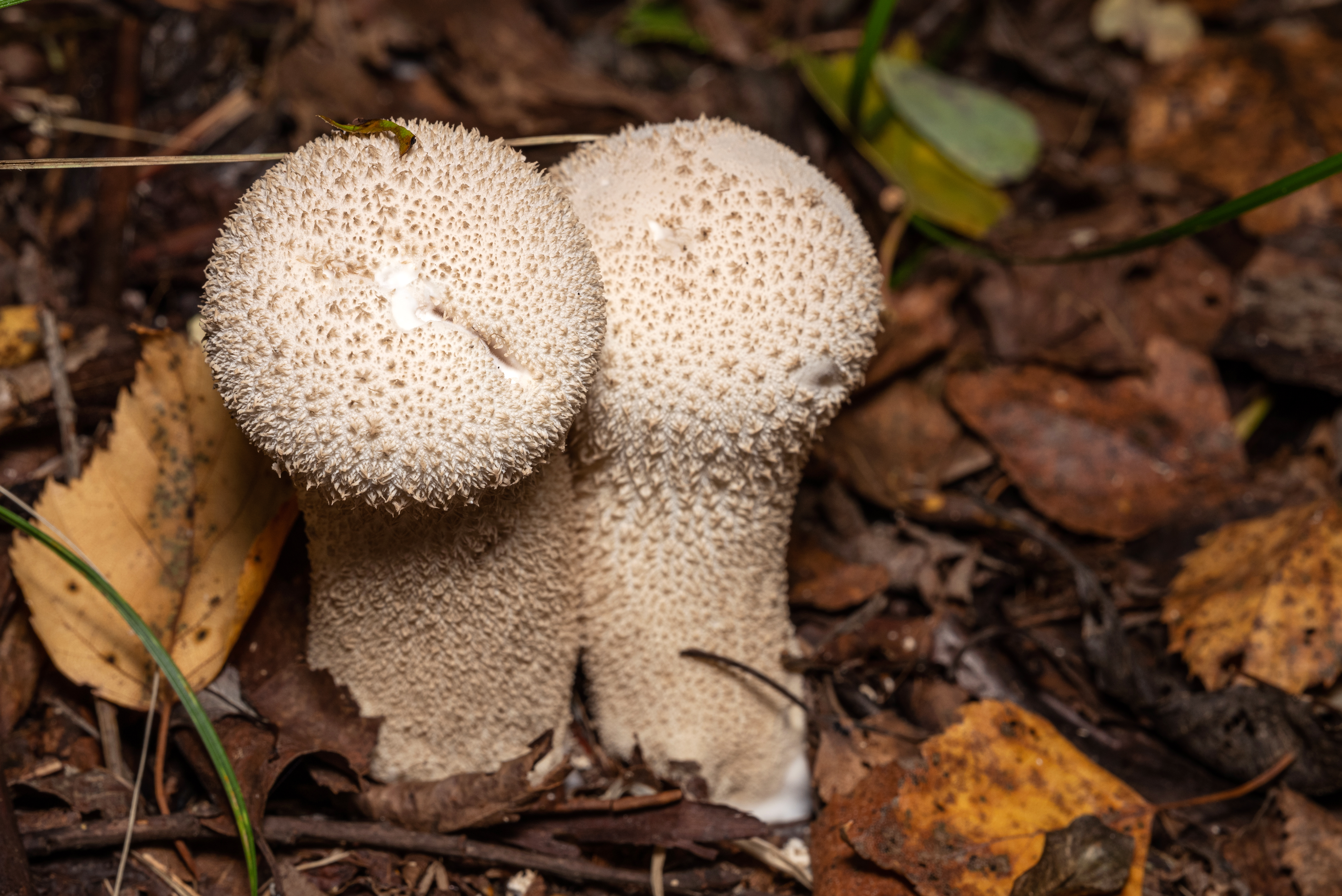
Common puffball (Lycoperdon perlatum) are edible and not poisonous, but will speed up your digestion!

Geoff then took questions from the audience – and here are some of his answers:

  • There are types of mushroom which thrive in hot countries, even though in this country they need the drop in temperature to thrive.
  • Micorrhizal fungi will grow around shrubs & plants as well as trees
  • Mushrooms will be found around large deciduous trees, as the fallen leaves provide nutrients in the form of sugar.
  • There are no mushrooms in Britain which are poisonous to touch.
  • Dry rot is a fungus and can, though rarely, grow on trees.

Geoff was thanked by our Chair Tracey for a really interesting and entertaining talk, much enjoyed by all.


Fungal Fascination; Committee Commitment; Membership Renewals; TERRY WALTON; Christmas Lunch

Fascinating and Phenomenal Fungi

Bruce Langridge enthralled us with his enthusiastic and informative talk on ‘Fascinating and Phenomenal Fungi’ at our October meeting. Knowing very little about fungi when he arrived at the National Botanic Garden of Wales 15 years ago where his role as Head of Interpretation was “to create interpretation that informs, entertains and fascinates all Garden visitors, whatever their age, gender or background”. Finding that the NBGW included a meadow of international importance for fungi fired his enthusiasm to find out more and raise awareness of this amazing and important form of life. His annual Wales Fungus Day, started in 2013, has been taken up by the Mycological Society in 2015 and expanded into a National Fungus Day.

Embroidered Fungi

Bruce gave us a potted history from fungi’s evolution over a billion years ago to the present day when it is thought that there could be over 100 million different types. The importance of fungi to the planet’s ecosystem is huge. 85 – 90% of plants have a symbiotic relationship with one sort of fungus or another (fungi don’t photosynthesise and plants are not always very efficient in taking up necessary nutrients from the soil). Certain fungi are indicators of old meadows which have not had modern farming practices applied to them. The pink Waxcap is on such example (coincidentally Julian had counted nearly 70 of these in one of his meadows that afternoon). Some fungi are edible but Bruce advised caution as there are often ‘lookalikes’ which are poisonous; or in one case an edible one can be infected by a poisonous one! In addition, picking wild fungi causes damage to the fungus through trampling and soil impaction. Other fungi such as Dutch Elm Disease, Ash Dieback and Honey Fungus kill plants, while others have hallucinogenic properties eg. Magic Mushrooms and Fly Agaric and many have been used in Chinese and Japanese medicine for 1000’s of years. One of the top 5 most poisonous fungi in the world, the Destroying Angel, was found by Bruce locally.

Examples of fungi brought in to the meeting

Bruce’s slides and examples demonstrated the diversity of shape and colour from the bright red Elf Cups to yellow Witches’ Butter and the Bird’s Nest Fungus, often accompanied by interesting and amusing anecdotes.

Finally, Bruce told us a little about lichens (a combination of fungi and algae and sometimes bacteria as well) and rusts and smuts. Lichens are a sign of pure air, however they do not like acid rain so many are dying out. The NBGW is the first Botanic Garden in Europe to try a conservation technique, transplanting rare lichens onto a willow tree in the gardens to try and save them. So far the results have been very encouraging. (https://botanicgarden.wales/about-the-garden/wildlife/lichens-in-the-garden/)

For anyone who is interested, Bruce runs fungi walks at the Botanic Gardens and also suggests joining the Carmarthenshire Fungi Group (http://www.carmarthenshirefungi.co.uk/)


Committee Members Needed

As those who have attended the last few meetings will already know, we have three committee members retiring from their current committee roles in January. A huge thank you to Brenda and Yvonne, our programme secretaries and Julian our Chairman. All members should consider serving on the committee at some point to help the club to continue forward into the future. It isn’t onerous and is often great fun. Obviously it’s very important to find someone prepared to take on the role of chairman. It would be for 1 year with the option of continuing for a maximum of 3. Please give it some serious thought and if you are prepared to join us then please give your name to Julian by 9th January 2019


Membership

Due to the healthy state of the club’s finances this year, the committee has decided that there will be a one off discount for membership renewals as follows:

For existing members who renew their membership before or at the AGM in January the fee will be £10 (normally £14).

In addition, the committee decided that we should introduce a new fee for couples. This would normally be £25 but will be £18 if renewed before or at the AGM in January 2019.


Terry Walton

It’s hard enough getting those fiddly seeds into compost or trimming just the right side-shoots without holding your mobile phone to your ear and providing a running commentary to thousands of Radio 2 listeners at the same time.

© Terry Walton

If you haven’t already guessed, our speaker in November will be Terry Walton. “The Life of a Media Allotmenteer” promises to give us a look behind the scenes as Terry tells us about life on his allotment in the Rhondda and how he has given growing advice on the radio each month for over twelve years.

© Terry Walton

A gardener of over 40 years’ experience, Terry has worked plots on the same site since he was a boy, learning from his father and other allotment gardeners. Many of you will be familiar with his enthusiastic style, so do come along on November 21st to meet Terry. Mobile phones not necessary!

Guests and visitors welcome, £3, to include refreshments. The talk begins at 7.30pm.


Christmas Lunch

November’s meeting is your last chance to book in for our Christmas lunch. It is to be held at the Forest Arms, Brechfa on Wednesday December 12th from 12.30pm. The form together with the menu (which is also listed in a previous post) will be out on the ‘Meet & Greet’ table. You will need to give your food choices, noting any allergies/dietary requirements, plus a £10 deposit per person. The full cost of the lunch is £20 per person.


Topical Tips

Lilium regale – A fabulous scented species lily with large funnel shaped white flowers in the summer. The seed pods have just ripened and lilies are fairly easy to grow with fresh seed. Keep it in the fridge until maybe mid March and then sow it in a pot outside. You do need to keep slugs and mice away from them, but you can get good germination rates and it’ll take about 4 years for the lilies to flower.

Autumn planting

It’s a great time of the year for new planting now, before the frosts arrive, while the soil is still warm and with all that recent ‘wonderful’ rain having soaked the ground….

Winter Squash

For everyone with winter squash, it’s probably a good time to ripen them off for about 10 days in a warm, dry place to toughen and dry up the skins, before moving to a cool, frost free place to allow them to store well for longer.