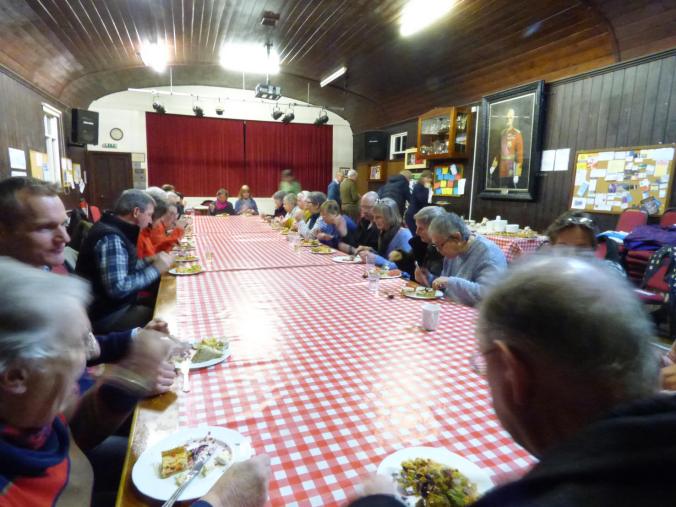
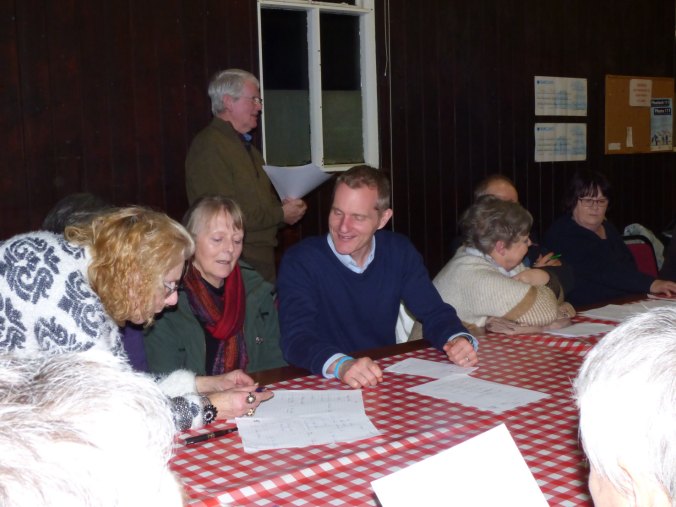
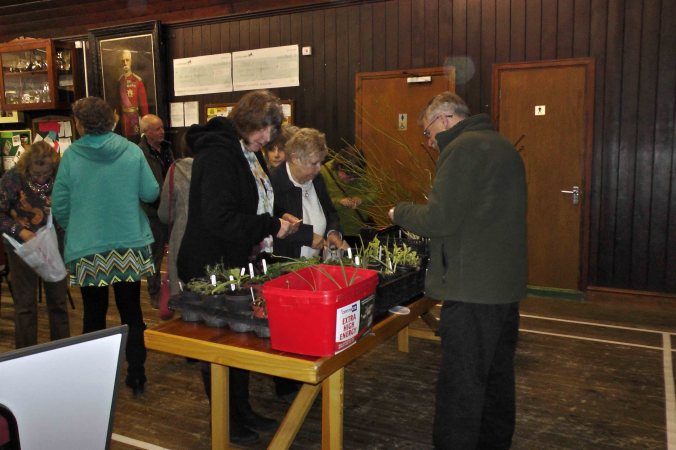
There was an excellent turn out at Pumsaint for October’s talk to hear Neil Barry tell us about “Plant Hunters and Explorers”, and it was great to see so many arriving early to help set things up in the hall and enjoy the pre-talk refreshments.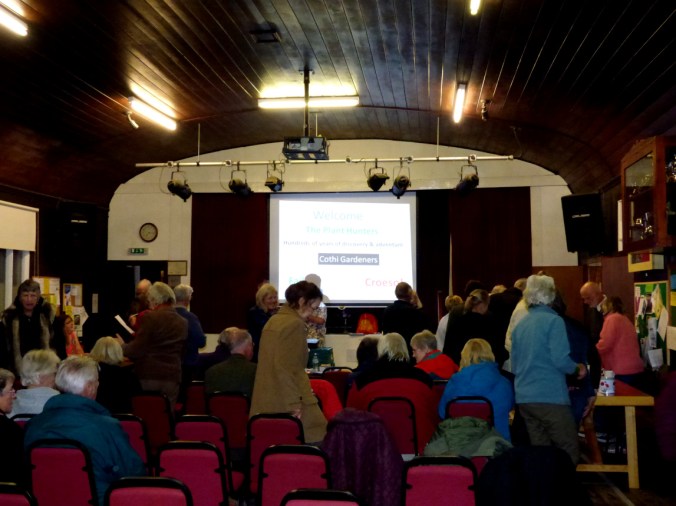
Neil, who’d travelled up from his home in the Gower, gave us a lively talk and slide show beginning with a reminder of how many of the favourite plants we now take for granted in our gardens, (Buddleia, tulips, potatoes) are all introductions from other parts of the world. 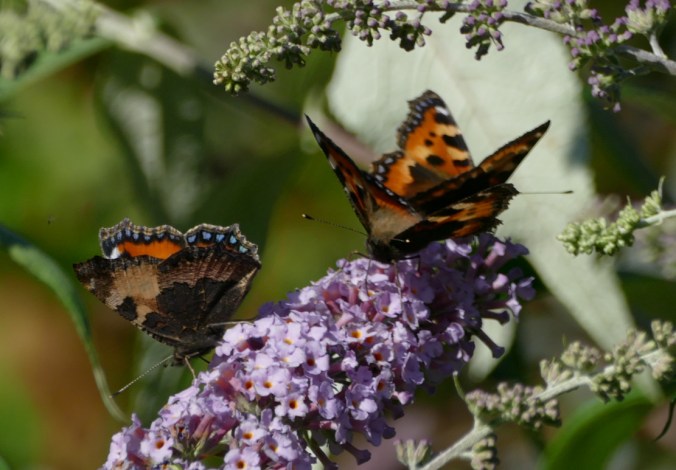 Along with a few like Japanese Knotweed and Rhododendron ponticum which were introduced and have since turned out to be more of a nuisance!
Neil began with mention of the father and son Tradescants, gardeners to Charles 1 and 2, who travelled to Russia, Africa and later America, introducing amongst other plants the Sumach and Tulip tree to these shores.
Joseph Banks was another significant figure in the late 1700’s/early 1800’s and responsible for establishing Kew gardens as a significant focus for plant collections and as a sponsor of plant collecting trips. Banks himself travelled to Eastern Canada as well as establishing Botany Bay and is remembered with 80 plants named after him including the genus Banksia, which one can find growing in the Great Glasshouse at the National Botanic Garden of Wales.
Archibald Menzies brought back the first Monkey puzzle seeds to the UK, secretly saved from a dinner served in Chile where they featured as a delicacy, whilst David Douglas brought back many seeds of trees native to North America, which subsequently helped to enrich our landscapes and also establish the UK forestry industry, which before his time only had the native Scot’s Pine and Common Juniper as indigenous coniferous species.
For many early plant hunters the development of Wardian cases- essentially mini transportable greenhouses, revolutionised the success of bringing plant samples back to the UK on what were often lengthy sea voyages.
Another significant father and son combination was that of William and Joseph Hooker who for many years were involved in plant hunting as well as being the directors of Kew gardens. Around the mid 1800’s opportunities to explore China and the Far East began to open up following the Opium wars which led to many more novel genera being discovered.
Robert Fortune continued this process introducing Mahonia japonica and Dicentra spectabilis ( as was!) as well as a star performer right now in our garden, Saxifraga fortunei.  In addition he was involved in bringing nearly 24,000 young tea plants from China to establish a fledgling tea industry for the British Empire in the Himalayan foothills in India.
Occasionally very specific expeditions were sponsored – “Chinese” Ernest Wilson being sent out to China to find and bring back seeds of the Handkerchief tree Davidia involucrata. Although French explorers beat him to it, and were the first to germinate seedlings in the West, nevertheless the major nursery firm, Veitch’s, who sponsored Wilson’s trip, still reaped the benefits with seed and seedlings of this, the latest novelty in the late 1890’s.
Many of these early plant hunters enjoyed considerable hardships whilst overseas, and some didn’t return – David Douglas being found at the bottom of a cattle pit in Hawaii. Neil speculated that his death might not have been accidental. Click here for an interesting read about this, and more about Douglas’ collecting life.
Neil concluded with mention that the spirit and adventure of plant hunters lives on in the UK with people like Mary Richards from North Wales who collected thousands of pressed plant specimens in Africa, in the late ’50’s and ’60’s; Tom Hart-Dyke who was held for 9 months in Colombia in 2000 on one of his orchid hunting trips; and the well known husband and wife team of Bleddyn and Sue Wyn Jones of Crug Farm plants near Caernarfon.  They have collected many novel plant species and cultivars from trips to South East Asia. Click here to see how many forms, for example of Viburnums (above left V. furcatum BSWJ 5939), to choose just one genus they have collected, and how each one is carefully labelled with a BSWJ number to link in with their records of when and where it was located.
So an excellent reminder of how fortunate we are in the UK not just to have the conditions to allow us to grow such a diversity of plants, but also the rich history of those prepared to risk life and limb to bring them back for us.

At the end of the meeting Yvonne was able to hand over a couple of new kettles to the chairman of the hall committee, as a gift from the club from the proceeds from the plant fair. These will replace the very ancient ones which have seen better days and will help making hot drinks easier and quicker not just for future gardening club meetings but also be available for other hall users.
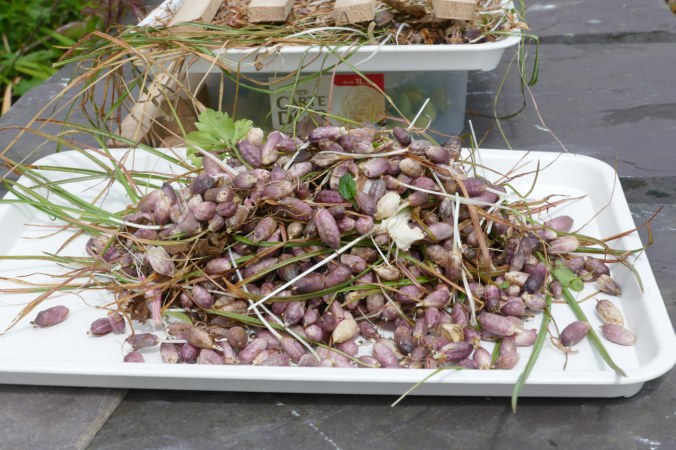
 For any disappointed not to be able to grab a packet of Dahlia merckii seed after Neil Barry’s talk, Julian apologises – they all got snapped up very quickly. But he does have more available which he’ll bring along to next month’s meeting (£1 per packet for club funds). Julian suggests anyone who has the seeds already, keeps them in the fridge until late February and then sows the longish black seeds, not the remaining chaff, into seed compost kept in a warm place until germination has taken place. Then grow them on and prick out in a frost free place to be planted out in late spring. Just like tomatoes really, and they should germinate as easily. You do have to watch out for slugs whilst the plants and shoots are young, but then they grow away quickly and you should be rewarded with similar flowers to these next summer, which as Julian mentioned, are a brilliant late season pollen source for honey and bumble bees. Plus the tubers should be hardy enough to survive in the ground over winter, maybe with a little extra mulch.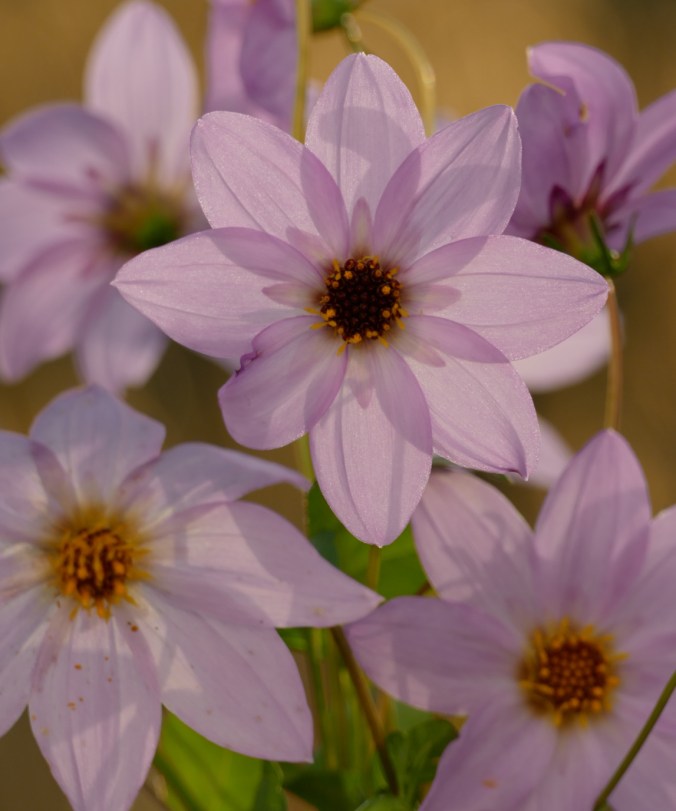
Should anyone have any seedlings grow with foliage which is more bronze, or dark, than green; or flowers that look different to these then do let Julian know – there’s a chance there might be some interesting hybrid forms with Dahlia “Magenta Star” which he grows nearby.
A reminder that the final talk of this year’s programme is on Wednesday November 20th at 7.30 pm, when Di O’Keefe will be telling us everything we should know about hedgehogs, and how we can make our gardens more friendly for them.
Finally a reminder that next month’s meeting will be the deadline for booking your place at the Cothi Gardeners’ Christmas lunch at the Forest Arms in Brechfa on Wednesday December 11 th Click on this link for the menu choices : XMAS DINNER


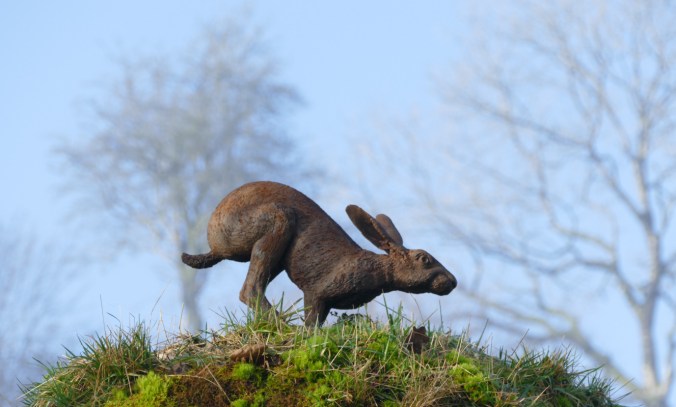
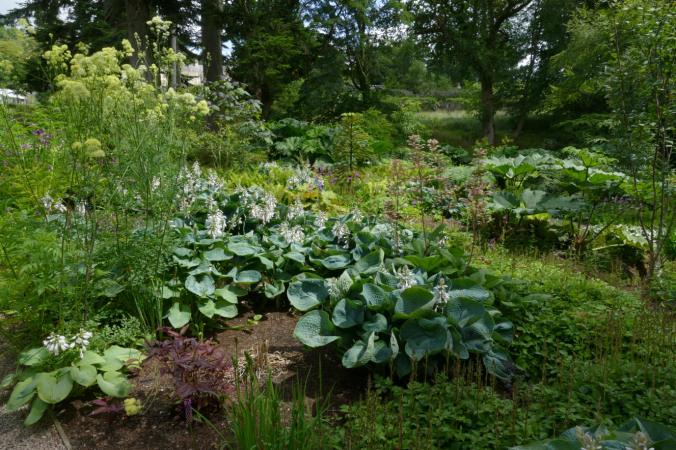

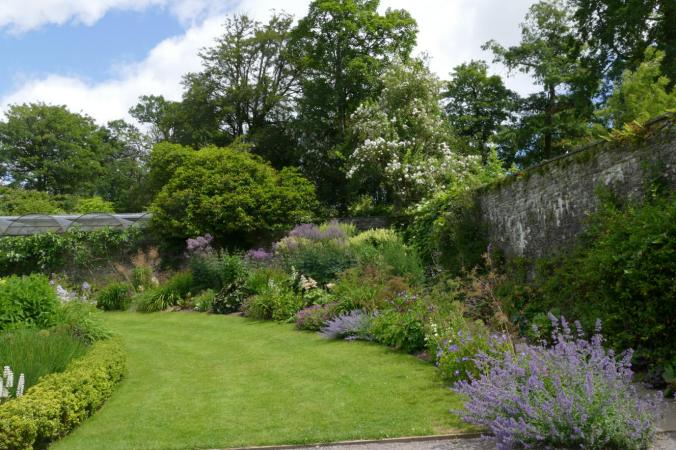

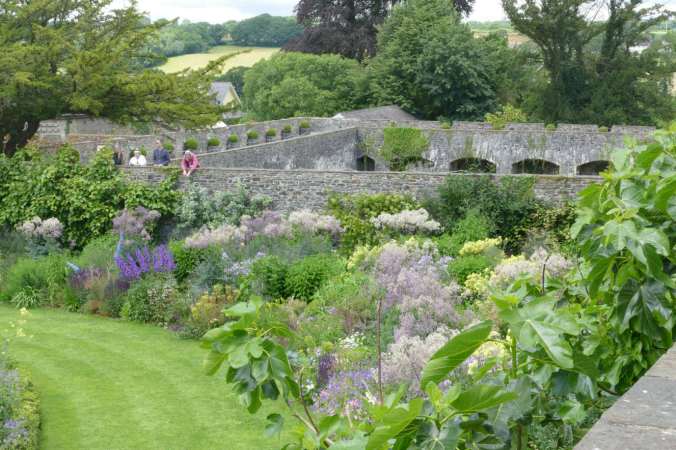


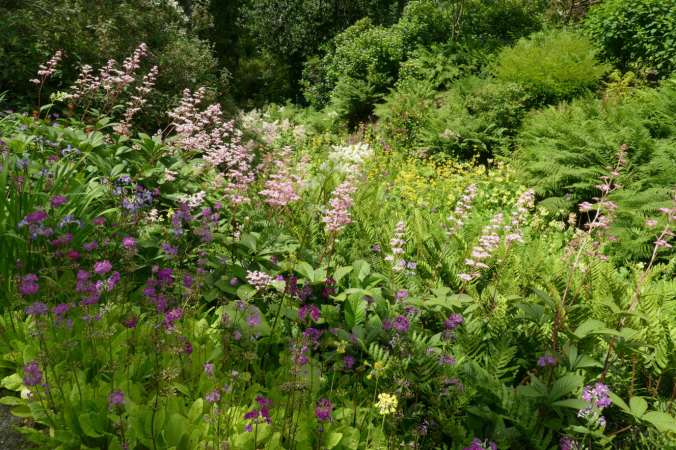
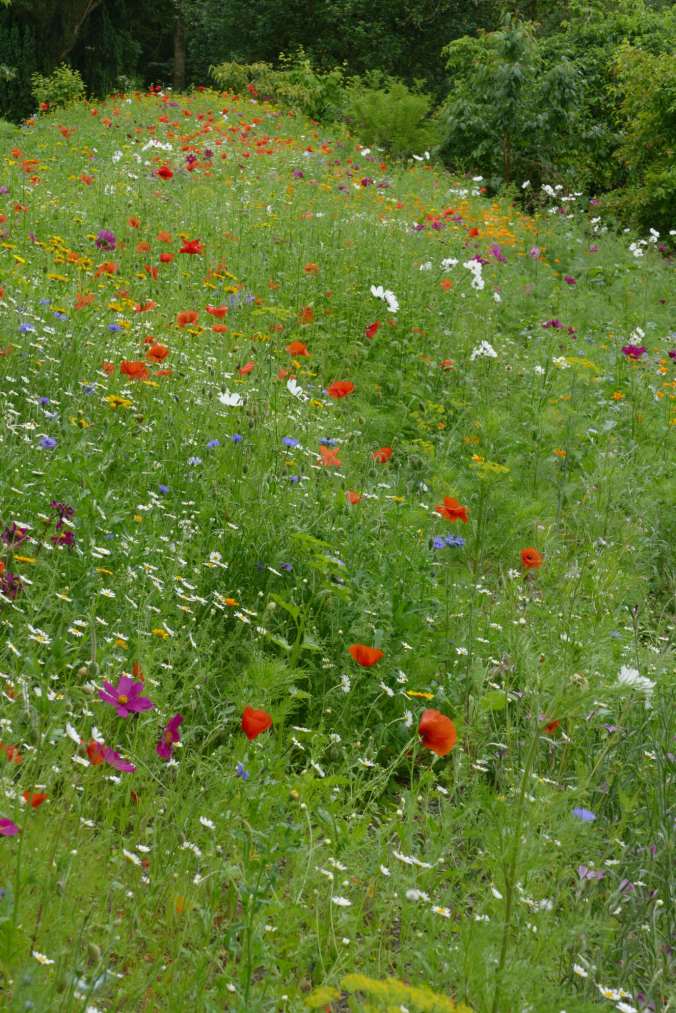


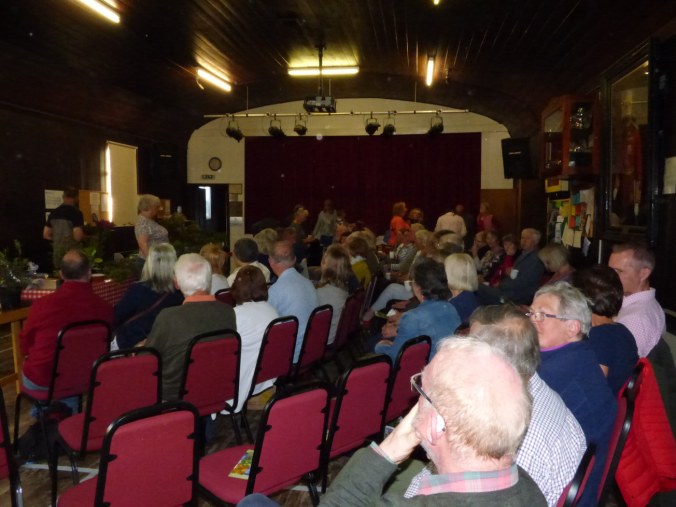
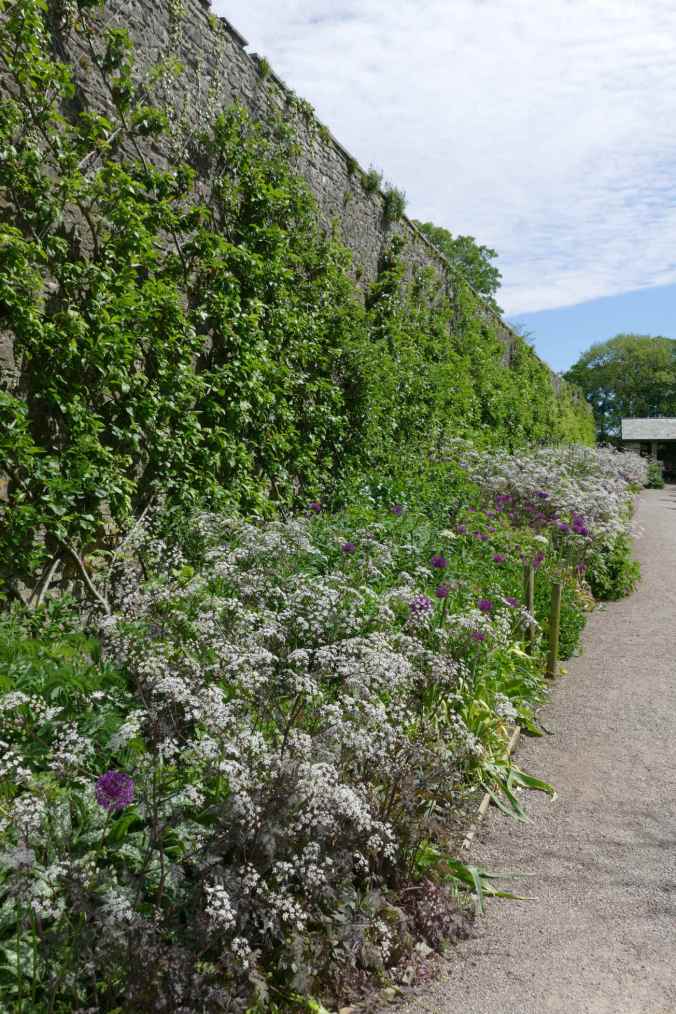

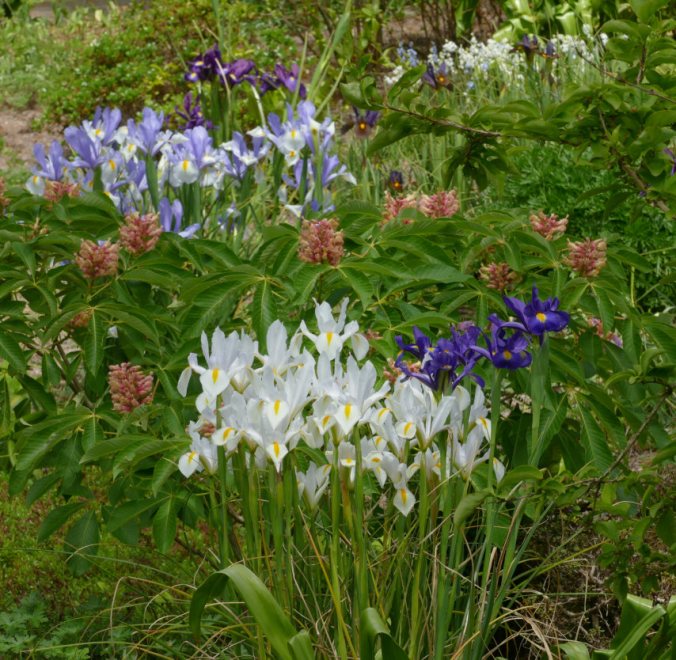

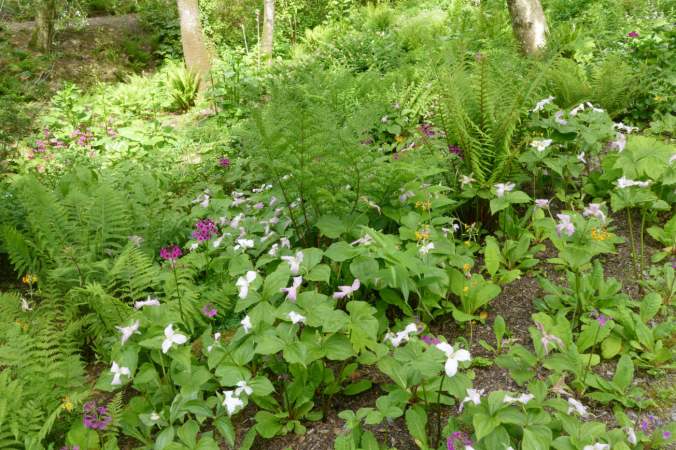

 Nigel told us he’s been working in the gardens for over 5 years, though usually on his own at first light, and dusk, so it was a rare chance to see him in action. For those who don’t know, he’s twice won first prize in the prestigious international IGPOTY garden photography competition with photos he’s taken at Aberglasney. He’s even apparently been given a special dispensation to do selective pruning to create the perfect shot!

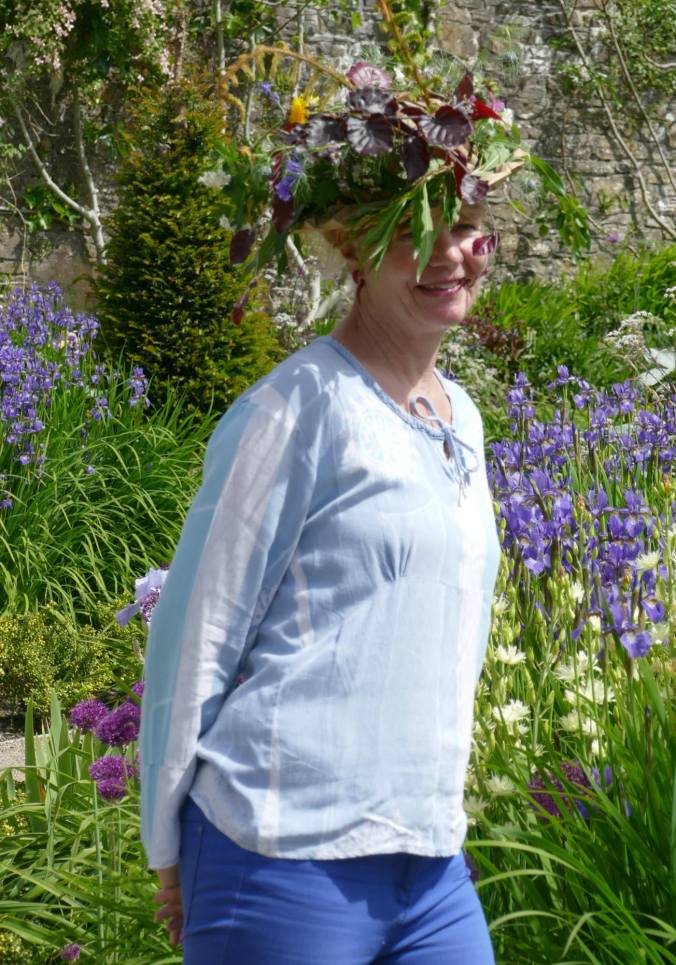
 There’s no question that Aberglasney is becoming more popular, with greater visitor numbers over the years, because of the exceptional standard of garden design and plantings, whatever the time of year. We’re exceptionally lucky to have such a world class garden with wonderful tea room on our doorstep.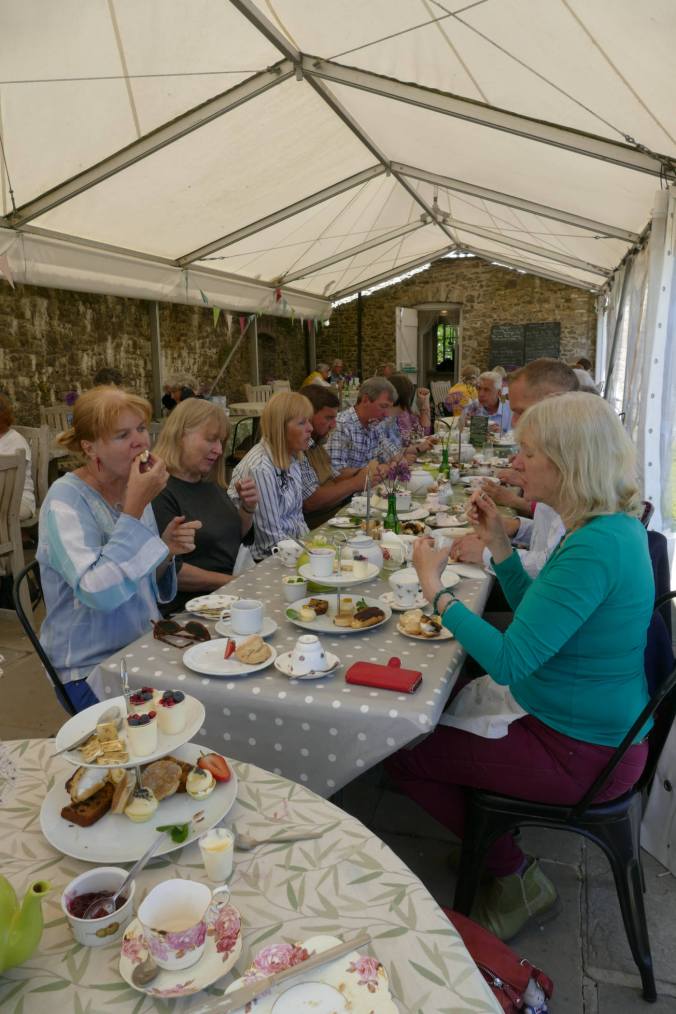
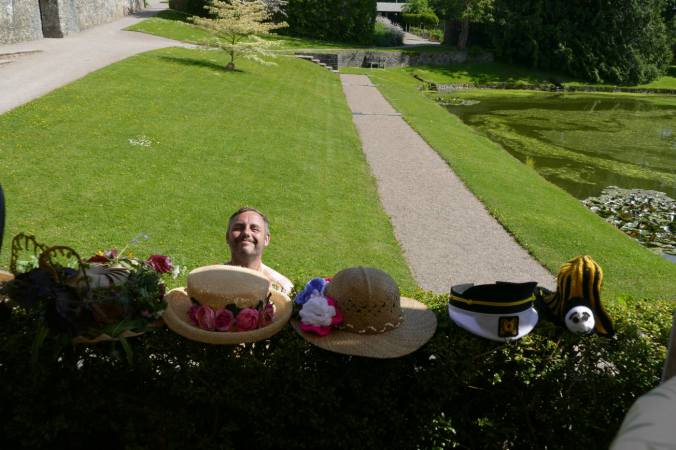
 …my clear backdrop of the garden scene was interrupted as someone walked past… and then we all noticed who it was…



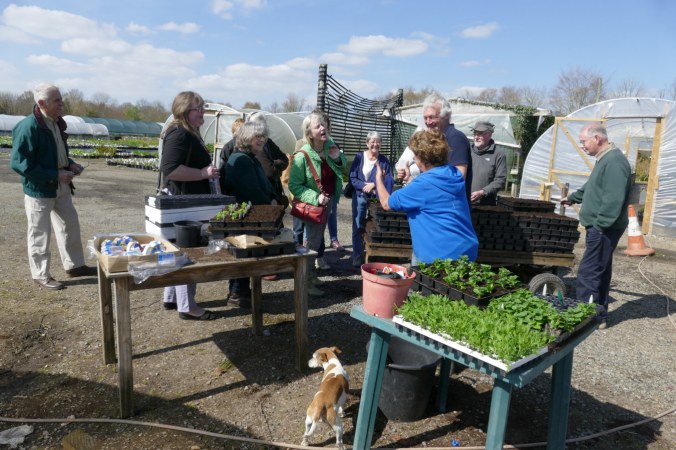
 There was even a mini potting-on contest, which Jack won hands down, with an almost machine like efficiency, a blur of dibber and hands, plug plants and labels.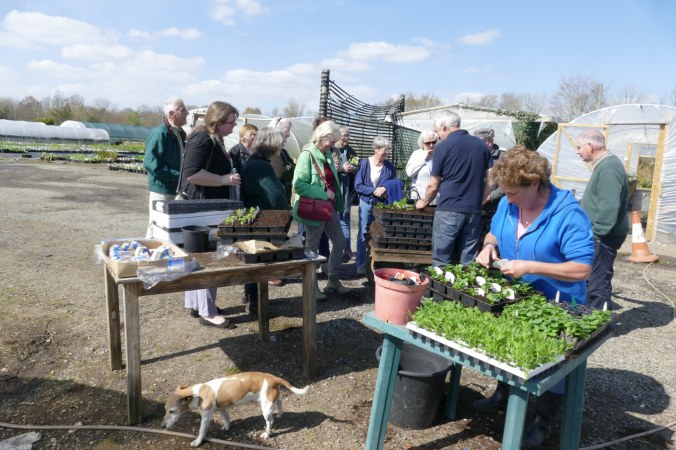

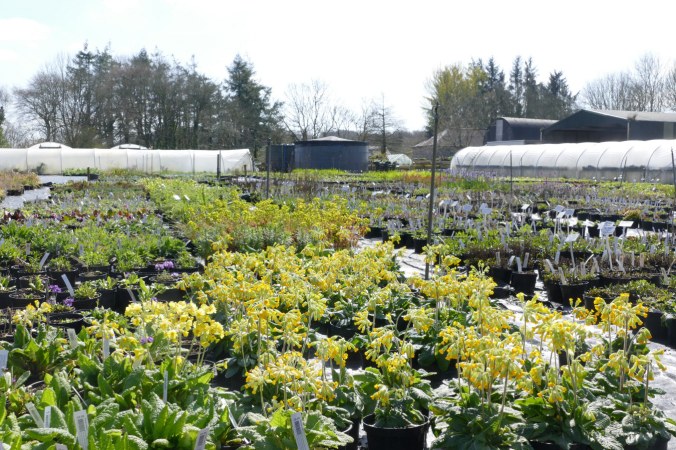
 his National Collection of Primula sieboldii (guess who liked these…) which were at their peak…
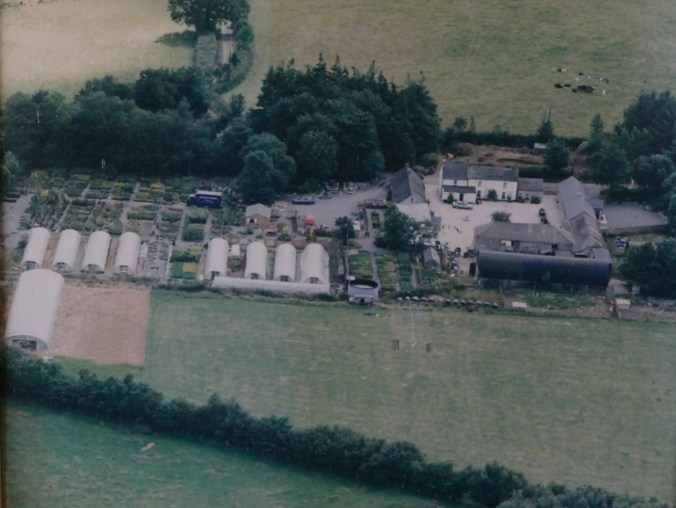
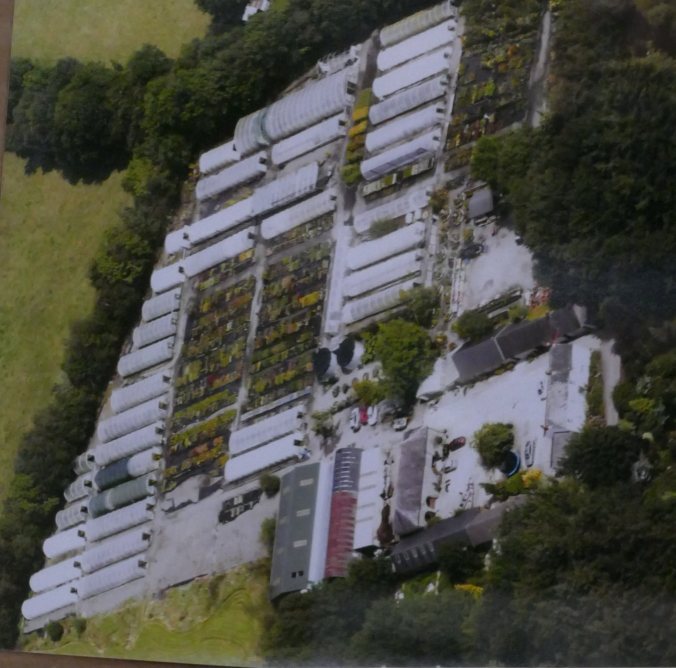
 … past the huge open plant sale area…
 … and then into the more recent tunnels holding a recently acquired National Collection of carnivorous Sarracenia, or pitcher plants.
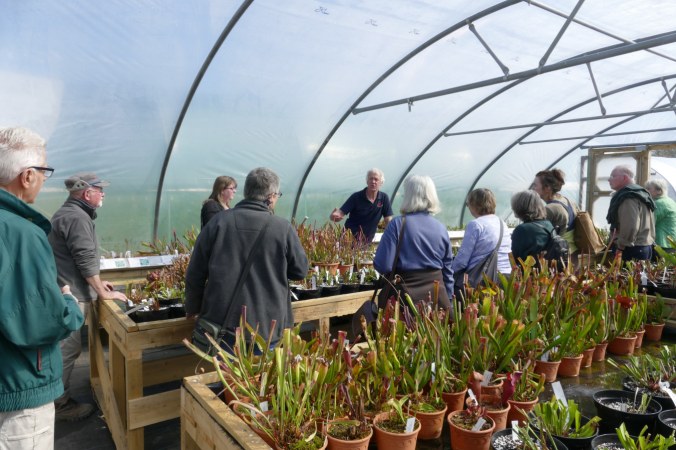 Richard and staff have recently been working on cutting back last year’s pitchers to allow room for the new growths and flowers. Along with making divisions which end up in a separate sales tunnel.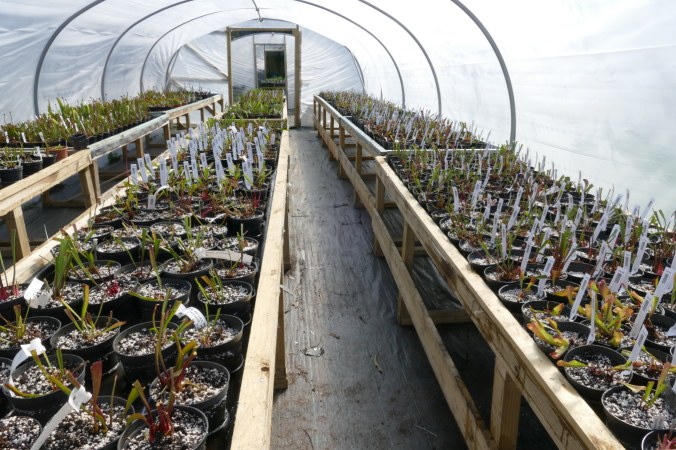

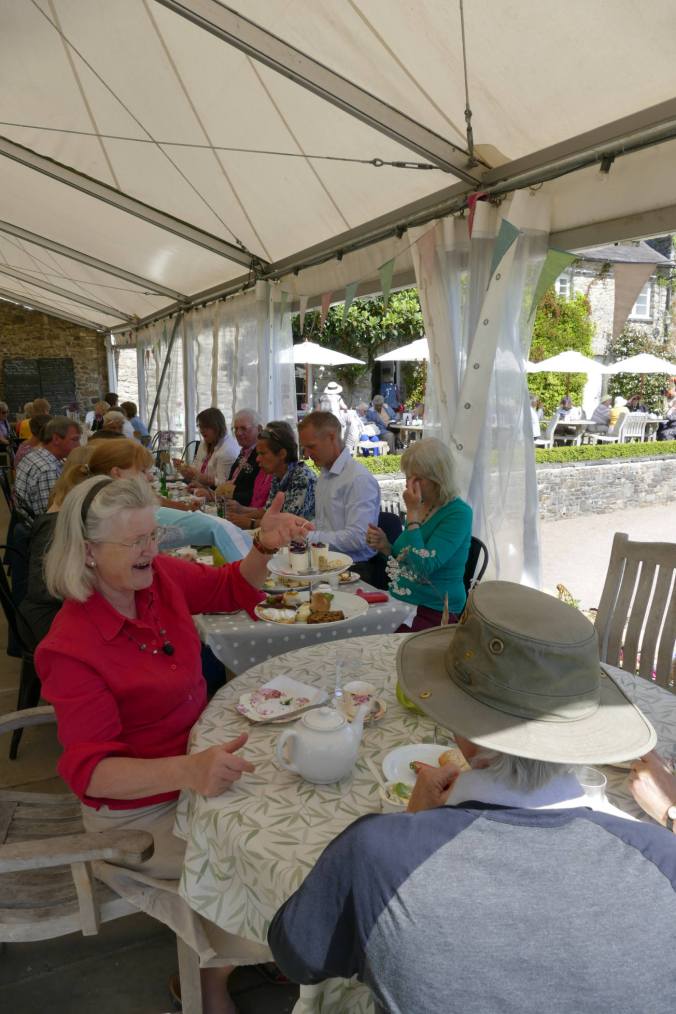
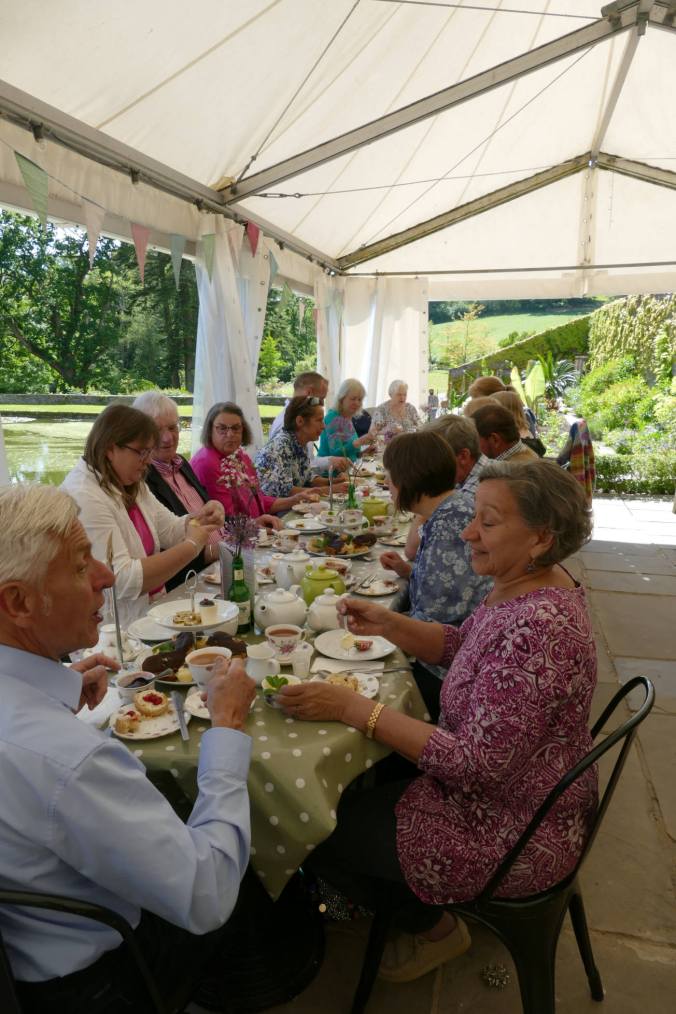
 … before back to the cafe for tea and cakes.

 Richard has a massive range of plants including the National Plant Collections of both Primula sieboldii, ( above, which will probably be at their peak in his polytunnels) and Sarracenia (Pitcher) carnivorous plants, so there will be lots to see.
 Form on the entrance table at meetings, or let Yvonne know if you would like to attend.
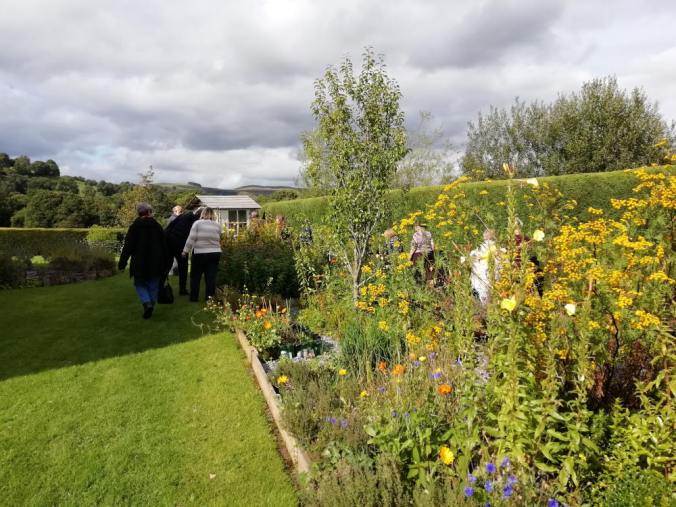 It is always interesting visiting other people’s gardens as there’s invariably something new to learn, even for the more experienced gardeners among us. Is there someone willing to host a shared picnic lunch please? (members to bring food). Exact date to be confirmed in due course.


 There is a lovely old walled garden, as well as wonderful woodland walks surrounding the main Palace building which has been the site of the Carmarthenshire museum for many years. An aerial view of the site below, from the 1950’s…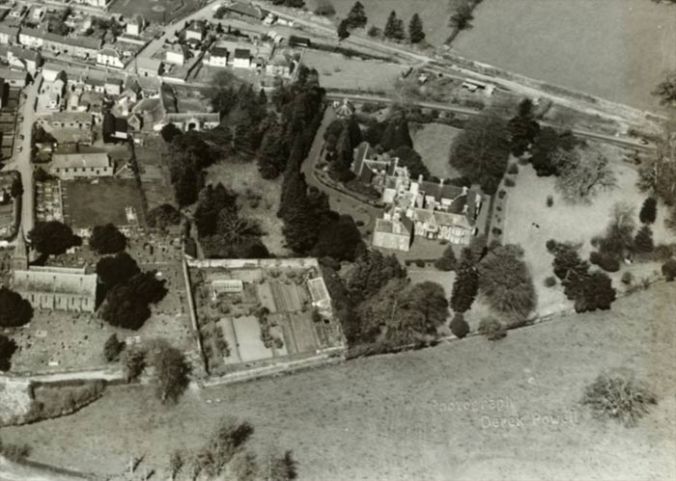

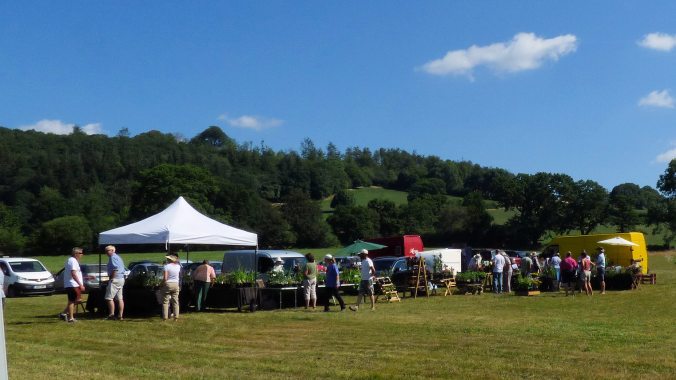

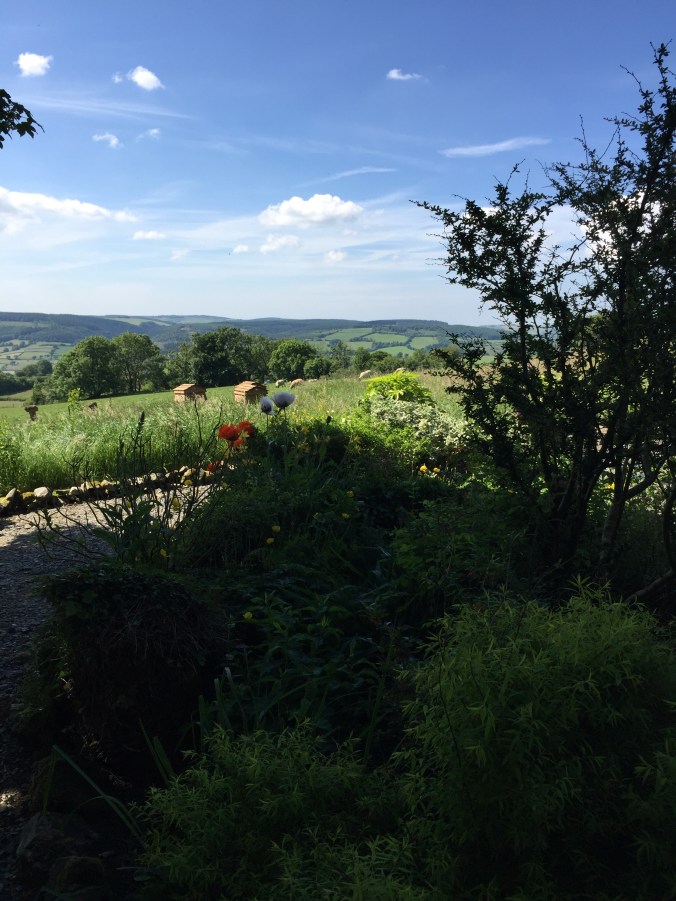 Having visited a couple of years ago, I can vouch for what a special place it is, and Karen joins the 4 other Cothi members who open their gardens some, or most, years in this way – a really impressive thing for such a small club, and all 5 gardens have been created by the current owners, which is even more special.
 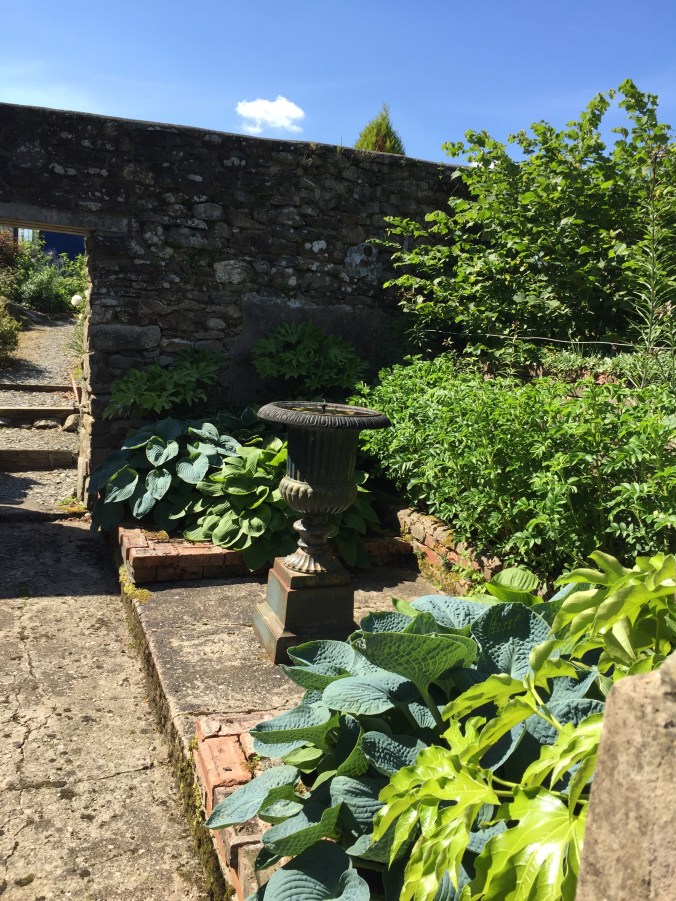 So do think about getting up to see Karen’s really interesting and beautiful garden this year – you’ll get a very warm welcome, and the views are spectacular.