Plants for Problem Places; Garden opening; August Member’s Social; Monthly Tips

Jenny Matthews – Plants for Problem Places

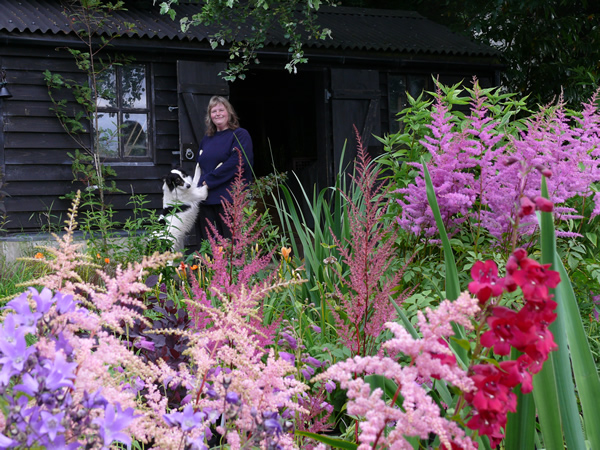
 

Jenny Matthews from Moorland Cottage Plants gave us a very useful and interesting talk on plants for problem places at our July meeting, illustrating it with actual plants rather than photos.

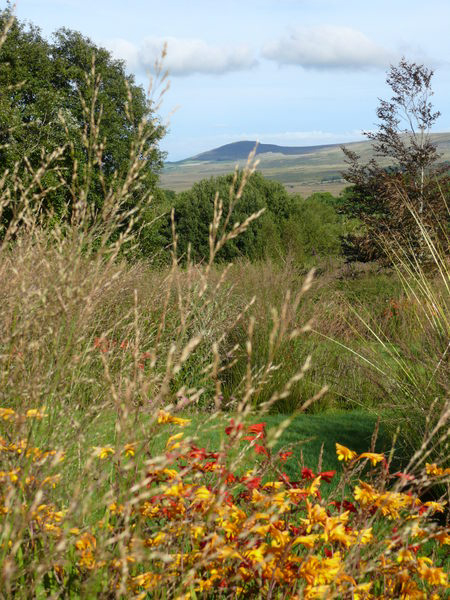
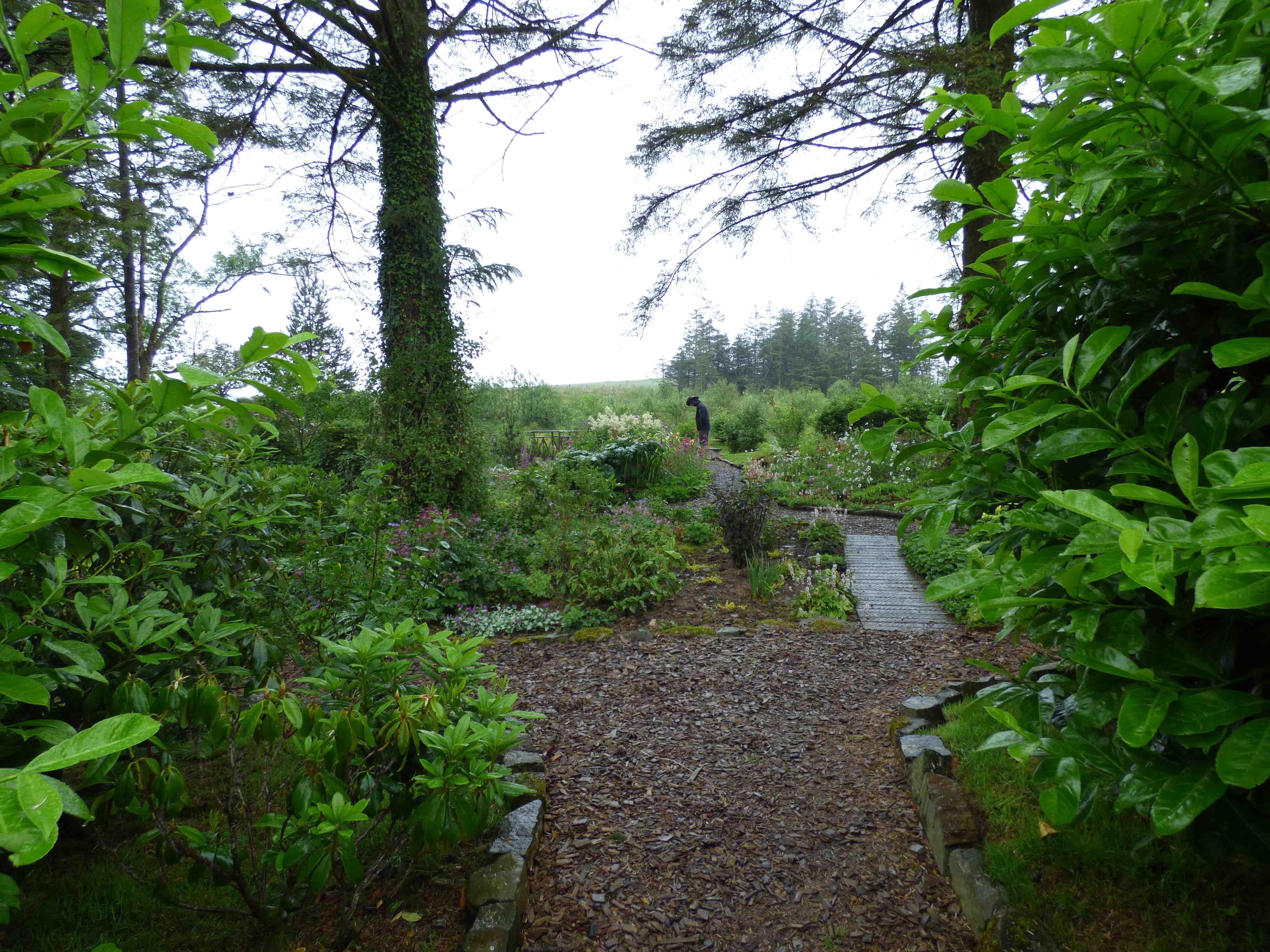
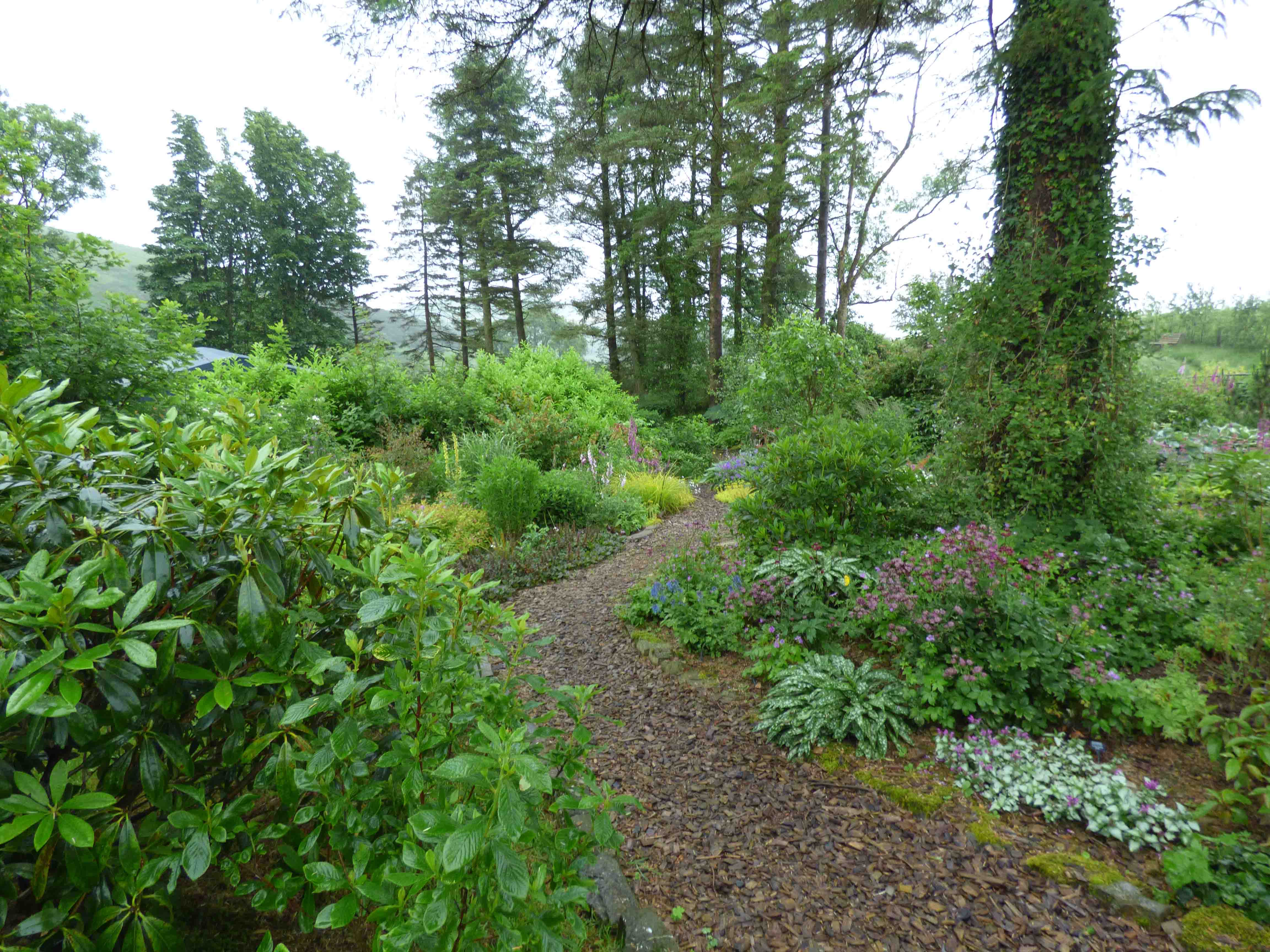
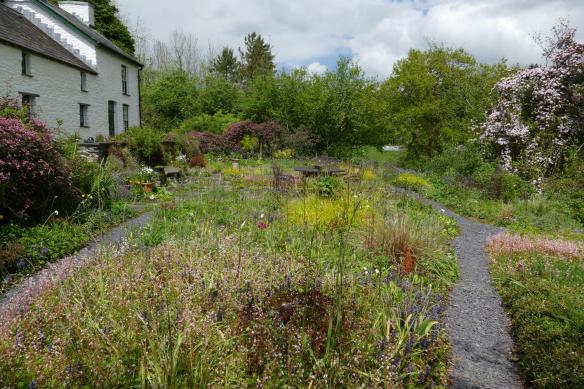
Her garden has opened for the NGS from 2000 when it was just ½ acre. It has now expanded to encompass 4 acres and in 2016 was selected for the RHS Partner Garden Scheme. Situated just on the treeline at 700’ on the NE slope of the Preseli Hills with very high rainfall, weather conditions subject to extremes, and a heavy clay soil, she described it as ‘gardening on the edge’!

Jenny explained how when she and her husband first moved there, she learnt from bitter experience that the plants she was accustomed to growing in her previous home in a more climatically benevolent part of the UK didn’t survive more than one winter. She quickly adapted and worked out which plants would ‘do’ and which wouldn’t.

All her plants are propagated by herself and as she has only one small greenhouse, they have to stay outside all year, so are genuinely hardy. She doesn’t use pesticides or fungicides (other than Roseclear if there is a bad infestation), no mollusc control and uses nematodes for controlling vine weevils.


Problem places can mean the general area in which a garden is located as well as a variety of conditions within a garden itself.

Problem locations:

Coastal and exposed estuaries – salt is the main killer as it dehydrated plants. Plants that are adapted to this are often small leaved and tussocky. Hydrangeas also survive but are smaller than those in other locations. Quickthorn and Blackthorn are suitable trees for coastal locations with Sorbus and Birch doing better slightly inland. Other examples of plants are black elder and potentillas.

Cold, exposed, windy, inland – the weather can be unpredictable so protective hedges are advisable. Use native, dense and twiggy hedging plants such as Hawthorn and Blackthorn, although the latters suckering habit can be a problem. Fatsias can survive down to -15’ if suitably sheltered. Beech, Hornbeam, Dogwood, Gorse, Physocarpus, hardy Fuchsias and Hydrangeas are all good but make sure to choose the right variety for that location. If it is windy go for shorter plants.

Problem conditions within a garden. Some of the plants listed are the genus names rather than the specific variety, so check which varieties are suited to the relevant conditions:

Dry Shade – plants are generally less luxuriant than those that grow in other areas.

Saxifrage stolonifera – copes with dense shade
Cardamine
Epimediums
Ferns eg Polystichum polyblepharum, and Blechnum penna-marina
Mitella breweri
Variegated Ground Elder
Carex

Damp Shade

Hydrangeas
Astilbes eg Willie Buchanan and Bronze Elegance
Persicaria virginiana (variegated)
Persicaria amplexicaulis
Rogersia podophylla
Carex

Dappled Shade

Hydrangeas – ‘Early Summer Bloom Star’ has red stems if in part shade
‘Oregon Pride’ – black stems
‘Sabrina’ – leaves start v dark green/black before opening
Chelanopsis – long flowering
Mukdenia rosii – spring flowering, autumn colour
Ferns – Japanese Painted
Fuchsias – ‘Genii – small
Magellanica ‘Versicolor’ – tall
Ajuga
Vancouveria – similar to Epimediums

Sunny, no extremes of sun/mosture, ordinary soil

Common Berberis
Physocarpus – ‘Diabolo D’Or’
‘Firebrand’
‘Diabolo’
Crocosmis – ‘Krakatoa’ – dark leaved with apricot flowers
‘Moorland Sunset’
Sidalcea – ‘Elsie Hugh’
Variegated Golden Rod – shorter form
Veronicastrum virginicum ‘Rose Glow’
Polemonium
Loosestrife
Mollinias – ‘moorhexe’
‘Transparent’

Dry Conditions – plants need to reduce moisture loss either from sun or wind so are often low growing, silvery leaved and hairy, and have smaller leaves.

Persicaria vaccinifolia
Sedums – low growing varieties eg ‘Thundercloud’
Potentillas
Sanguisorbas
White Rosebay Willowherb

Boggy Conditions

Lysmachia – ‘Clethroides’
‘Candela’
‘Golden Alexander’
Astilbes – ‘Visions in Red’
‘Visions in White’
‘Maggie Daley’
arendsii ‘Feuer’
‘Beauty of Ernst’
Chelone glabra
Rodgersia – ‘Buckland Beauty’
Pinnata ‘Superba’
Acorus (rush)
Filipendula (Meadow sweet)
Bog Iris – ‘Gerald Derby’
Lobelia syphalitica x cardinalis
Persicaria amplexicaulis ‘Orangefield’

____________________________________________________________________________

Ty’r Maes, Ffarmers, Carmarthenshire, SA19 8JP

Club members John and Helen have their garden opening for the NGS this Sunday, August 6 th – do come and support them if you can ………….

A 4 acre garden with splendid views. Herbaceous and shrub beds – formal design, exuberantly informal planting, full of cottage garden favourites and many unusual plants. Burgeoning arboretum (200+ types of tree); wildlife and lily ponds, pergola, gazebos, post and rope arcade covered in climbers. Gloriously colourful; spring (rhododendrons, azaleas, azaleas, primulas, 1000’s bulbs); late summer (tapestry of annuals/perennials).
Craft, produce, books and jewellery stalls!

Opening information:
Sunday 6 August (1 – 6pm). Admission £3.50, children free. Home-made teas.
Visitors also welcome by arrangement April to September please request teas when booking.
John & Helen Brooks
01558 650541    johnhelen140@gmail.com

____________________________________________________________________________

August Meeting – Member’s Social

Plans are advancing well for our social evening on August 16th. This is a members only event when we can relax in each other’s company and share dishes made from something we have grown in our gardens this year (our club ‘growing challenge’ for this year). If anyone hasn’t had an email regarding the finer details for the evening then please give Julian a ring on 01558 685119.

It is hoped that we will hold it at Gelli Uchaf unless the weather is unkind and it rains all day, in which case we will contact everyone by lunch time by email, and relocate to the Coronation Hall in Pumsaint. Car shares are being organised and, so far, no-one will need to walk up from the village!

Again please get in touch if you haven’t been contacted about this.

____________________________________________________________________________

Monthly Tips

Caterpillars and Brassicas

Anyone growing brassicas will have their own way of dealing with caterpillars. My preferred way is to try to squish the eggs. It’s worth knowing that the eggs will hatch within 3 to 7 days of being laid, and will only get laid on dry days, when the butterflies can fly. So you need to check leaves quite regularly. The Large White’s eggs are laid in big rafts, underneath leaves, the Small and Green-veined White eggs are laid singly, usually on the underside of leaves. If you miss the eggs, look out for tiny holes appearing on the leaves from the caterpillars, and squish the tiny caterpillars. The Large White’s caterpillars are easy to find, but the Small/Green veined whites are harder to spot, because they usually are green and rest along the veins of the leaf, but often bore into the heart of the plant to feed.  There are usually 2 or 3 generations of adults per year, so you can’t really relax your guard until late September.

Small White Caterpillars at various stages of maturity


Germinating Late Sown Seeds

Another tip from the excellent Hitchmough book, ‘Sowing Beauty’, is the percentage germination rates of different seeds, with once or twice weekly watering. For many plants this is less than 10%. This is really enlightening if anyone’s trying to get late sown seed to germinate well in dry conditions….like fennel for example….you may need to water it very frequently especially in the evening, so that the seed stays damp for a long period…water in the morning on a hot day, and the surface compost and seed may well dry out in just a few hours, and once the germination process has been initiated by moisture, there’s then a chance that the seed will fail, before it ever gets a decent root formed.

____________________________________________________________________________

Pies and Muffins en masse; Gardening Led by the Nose; Plants for Problem Places; Two Gardens Finessed and Sculpted to Perfection and Meadows Day Final Flourish


Pie Night and Muffins


The last day of the heatwave saw a big turnout at our June meeting to hear Kari-Astri Davies talk on scented plants. The meeting was preceded by a very successful Pie Night at the Dolau Cothi – 25 of us including Kari and her husband Philip – it was the maximum the Dolau Cothi could accommodate! Well done to Jane ‘the Pie’ Holmes and Dave and Esther for all their hard work organising, cooking and serving to make it all run so smoothly. It is proving to be an excellent way to enjoy each other’s company in convivial surroundings. Next Pie Night will be in September so mark it in your diaries and book in quickly as, if numbers increase again, sadly some will end up being disappointed.


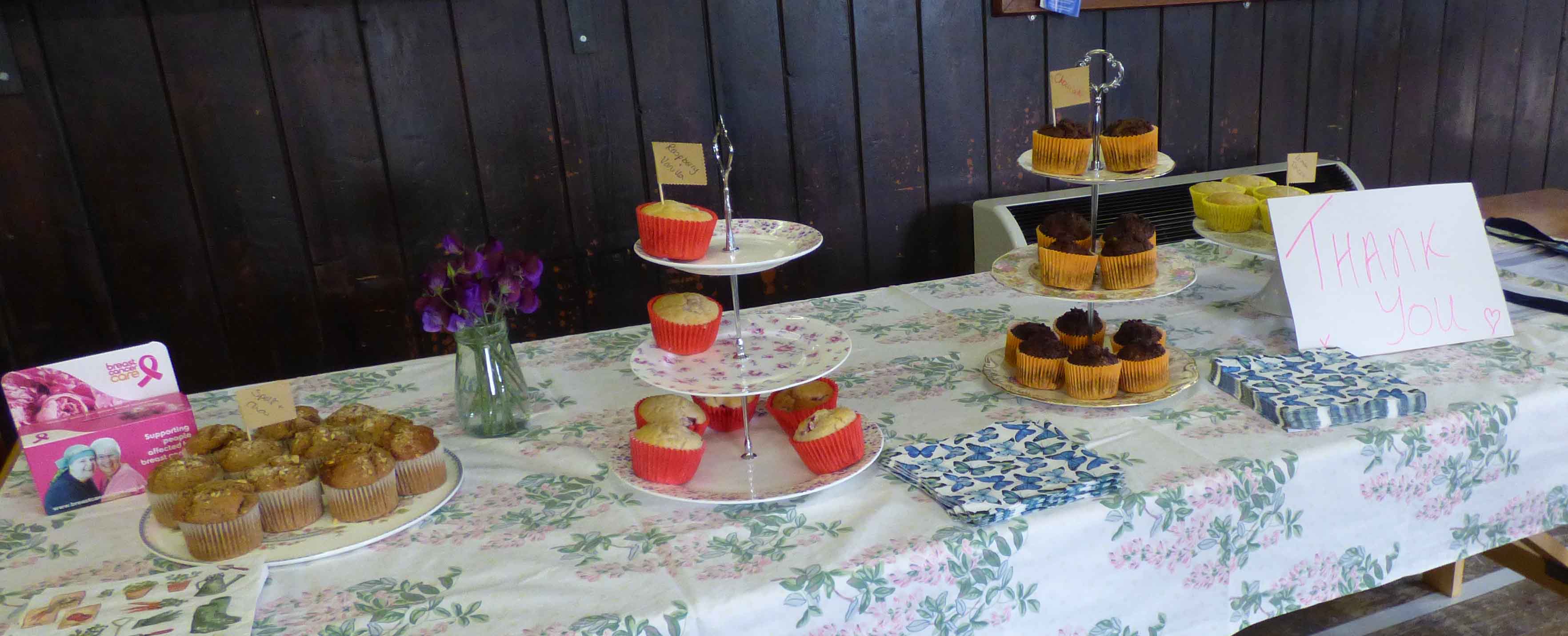
A big thank you to Anne for treating us to some delicious muffins to go with our tea before the evening’s talk. These were a thank you to all members from Team Large for everyone’s support for their Snowdon Night Hike

____________________________________________________________________________

Scents and Scentsability – Gardening led by the nose

Kari-Astri Davies talk ‘Scents and Scentsability – Gardening led by the nose’, was fascinating, covering scents both pleasant and foul, through different seasons, daytime and nocturnal. Brilliantly researched, it was packed with interesting and amusing information and anecdotes and together with her excellent photographs held us all spellbound for the duration. If she hadn’t told us it was her first talk we would never have known. Anyone interested can follow her blog by clicking here. http://karisgarden.co.uk/

A handful of interesting points were…..

  • Scent comes from many parts of the flowers (petals, sepals, pollen and nectar) as well as different parts of a plant e.g. leaves, stems, bark, etc
  • Scent is used by the plant to attract pollinators to ensure reproduction. It can also be used by a plant to repel insect attack.
  • Volatile alcohols are the chemicals the plant produces that we can smell, and each plant ‘scent’ is usually made up of between 5 and 150 of volatiles. Sweet Peas for example have up to 48. Common volatiles are geraniol, linalool and nerol amongst others.
  • Bees are better at ‘scenting’ than butterflies which are better at recognising shape.
  • Scent keys into our subconscious more than any other sense.
  • The amount of scent a plant produces varies with the time of day, being at its greatest to coincide with the maximum activity of pollinators.
  • Floral development also affects scent emission – greatest when the flower is fully open, reducing once pollination has taken place.

Bulbs and Brassicas (mainly)


Narcissus: tazetta, poeticus and jonquilla varieties all have mainly scented forms including: N. Pencrebar, N. Sweetness, N. Martinette, N. Winston Churchill

  • Tulips: General de Wet, Ballerina, Dom Pedro
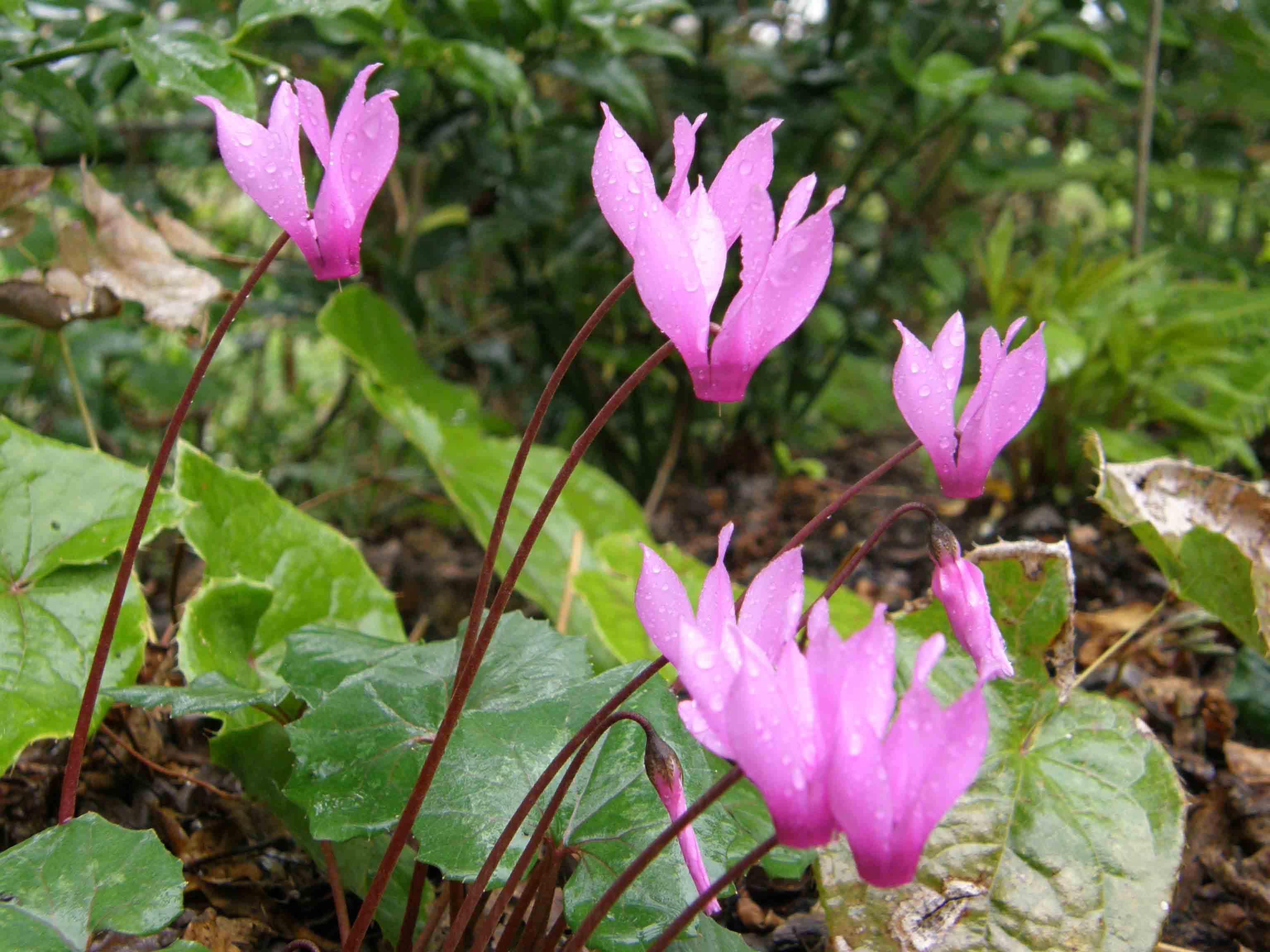
  • Cyclamen repandum
  • Convallaria majalis prolificans (Lily of the Valley)
  • Myrrhis odorata (Sweet Cicely)

Cabbage Family

  • Matthiola incana alba (Wild/Perennial Stock)
  • Hesperis matronalis alba (Dames Violet, white form)
  • Lunaria rediviva (Perennial Honesty)

Summery Classics


  • Sweet Peas
  • Lupins
  • Iris: Florentina (produces orris-root widely used in perfumes), English Cottage, Katie Koo Kelways
  • Roses: Roses emit between 35% and 85% of their volatile alcohols depending on the time of day and age of the flower, the depth of fragrance thus varies accordingly – higher in daytime and when the flower is fully open.
  • R. Khazanlik (Damask) – makes Rose of Attar, R. Felicite Parmentier, R. Variegata di Boulogne, R. rugosa Hansa
  • Dianthus – often used to under-plant roses. D. Ursula le Grove, D. Rose de Mai
  • Heliotrope The Speaker
  • Pelargoniums – these are often better known for their scented leaves rather than flowers. Interestingly the volatile alcohol geraniol comes from roses while the similarly named geraniel comes from Pelargoniums.
  • P. Claret Rock Unique, P. Grey Lady Plymouth, P. Attar of Roses
  • Salvia discolor
  • Aloysia citrodora (Lemon Verbena) – contains 30% of the volatile citrol compared to Lemon Grass which contains up to 85%.

The Night Garden

Plants that release their fragrance at night are usually aiming to attract night flying pollinators such as moths. Kari recommended an excellent book called ‘The Evening Garden’ by Peter Loewer.


  • Lonicera japonica Halliana
  • Nicotiana alata, N. sylvestris
  • Brugmansia – hallucinogenic if consumed!
  • Cestrum parqui (Chilean Jessamine)
  • Epiphylum oxypetalum
  • Zaluzianskya carpensis
  • Oenothera pallida
  • Pelargonium lawrenceanum

Shrubs, Trees and Two Climbers


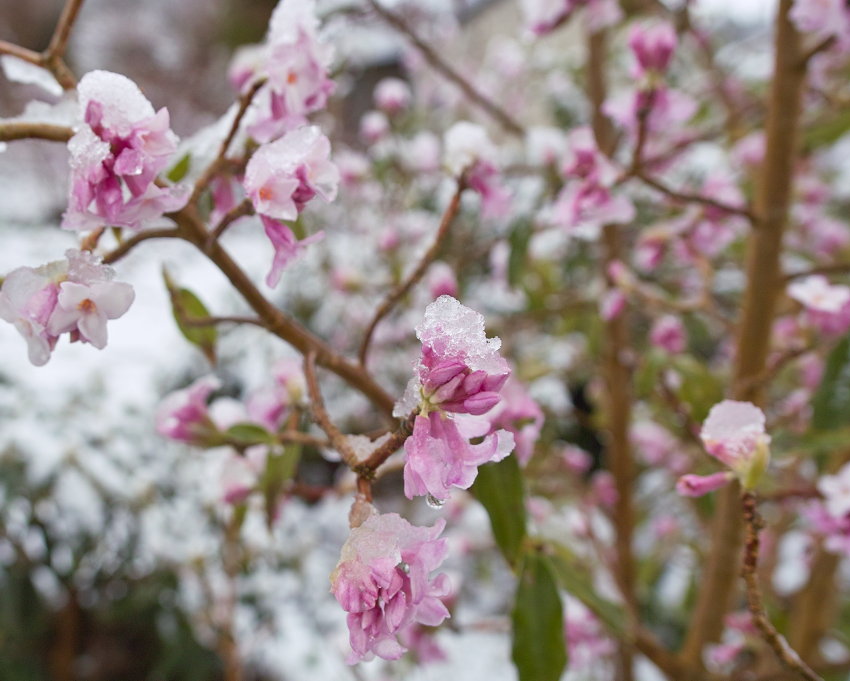
  • Daphne bholua ‘Jaqueline Postill’
  • Azora microphylla (Chocolate/vanilla scent)
  • Skimmia x confusa ‘Kew Green’ (male), S. x confusa ‘Kew White (female – white berries)
  • Peonies, tree and herbaceous forms: P. Sarah Bernhardt, P. Duchess de Nemours
  • Acacia dealbata
  • Wisteria ‘Amethyst’
  • Philadelphus ‘Casa Azul’
  • Abelia triflora
  • Tilia cordata
  • Eleagnus augustifolia
  • Colletia armata – flowers in September/October
  • Poplar
  • Box

Two Oddities


  • Aeonium Velour
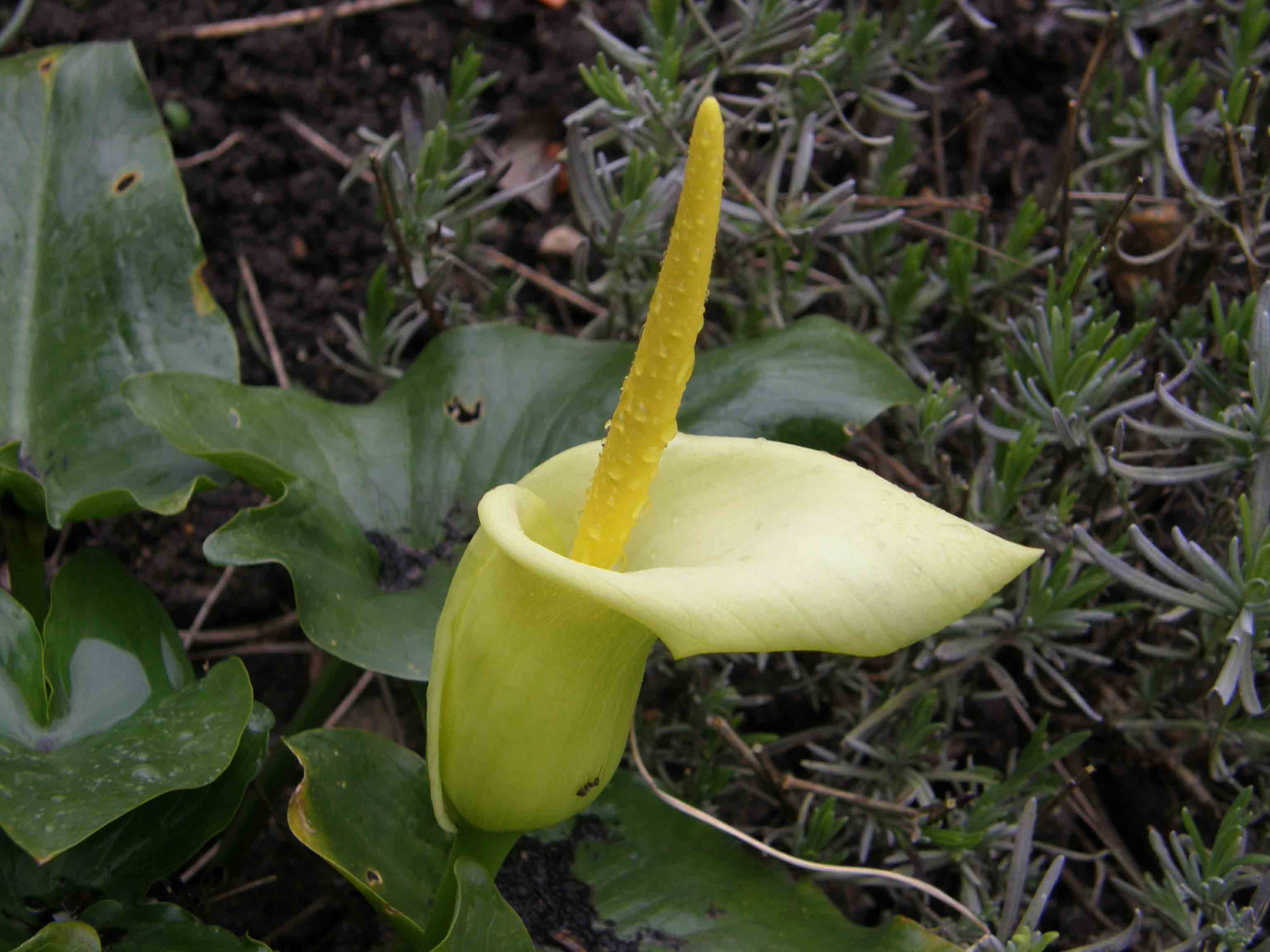
  • Arum creticum – has a more pleasant smell than most arums which stink of rotting flesh to attract flies.

____________________________________________________________________________

Plants for Problem Places – July Meeting

Our next meeting will be on July 19th, starting at 7.30pm when our speaker will be Jenny Matthews.


Jenny and Kevin Matthews run Moorland Cottage Plants, a nursery and garden near Crymych in Pembrokeshire. Their site is on the northern slopes of the Preseli mountains and often exposed to wind and very low temperatures in the winter. So, Jenny is certainly qualified to present to us an evening of ‘Plants for Problem Places’. Whether you have a large or small garden, there are sure to be one or two spots where you’re not sure just which plant will thrive. Come along on 19th July for some tips and advice. Jenny will bring some plants for sale, grown at her own nursery. She does not use a polytunnel so all her plants are hardy and ready to go straight into your garden. More information can be found at www.moorlandcottageplants.co.uk

____________________________________________________________________________

Website Help

Our website has a page on members plant favourites and it would be lovely if more folk could contribute towards it. All we need is your favourite plant for a particular month – and if you can do more than one, that would be great! Please email your favourites to Fiona at cothigardeners@gmail.com

____________________________________________________________________________

Two Gardens Finessed and Sculpted to Perfection

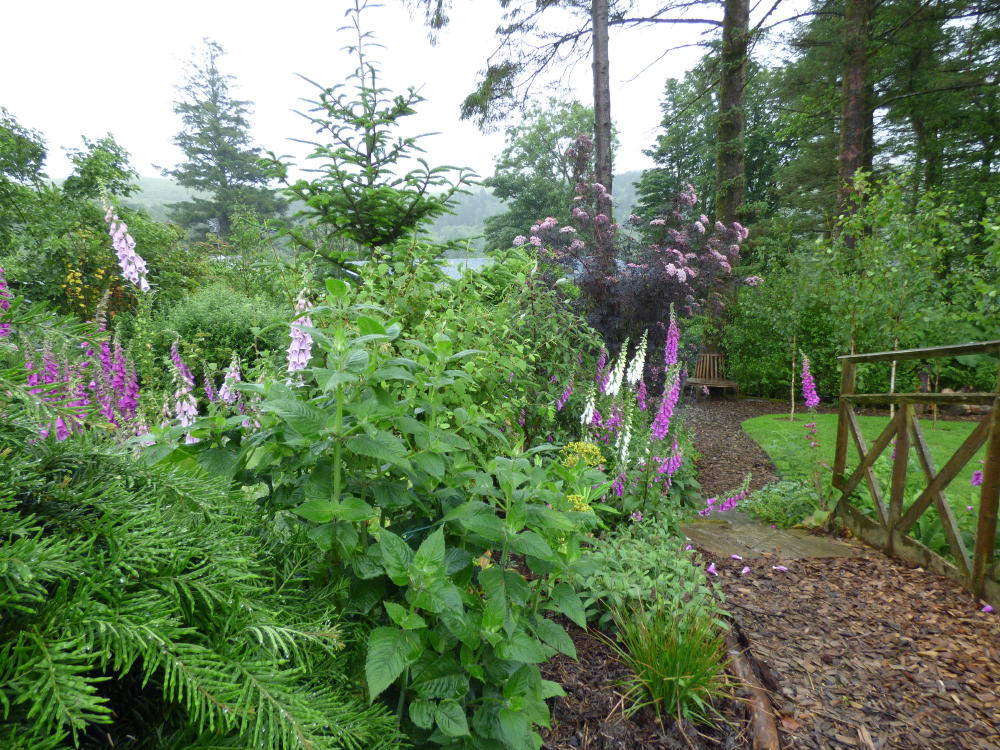
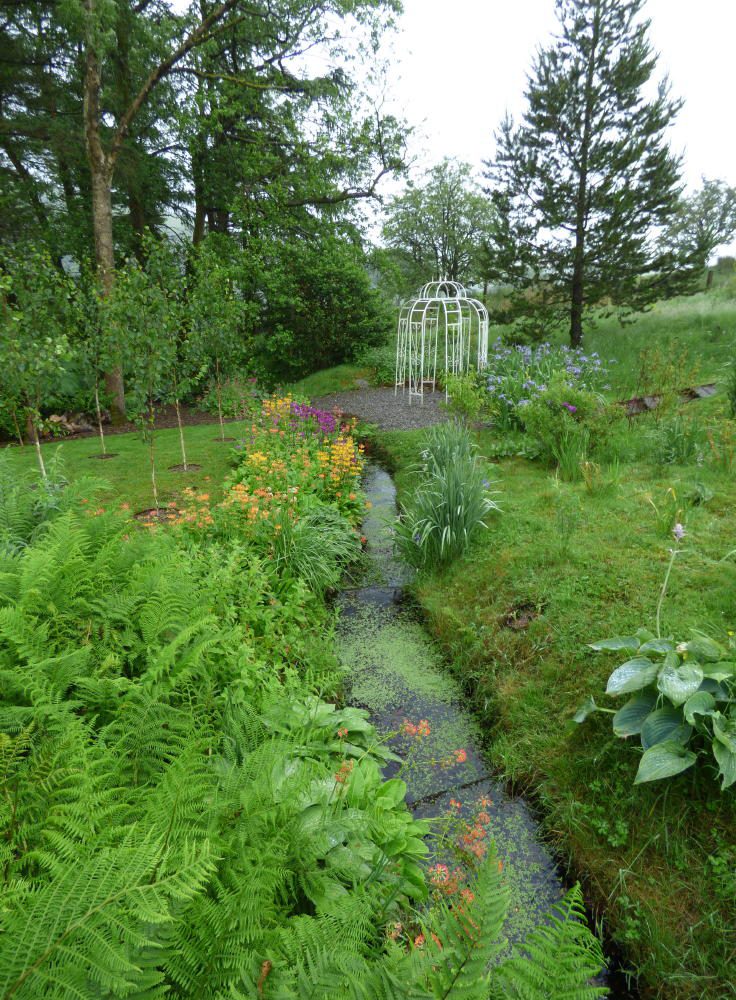
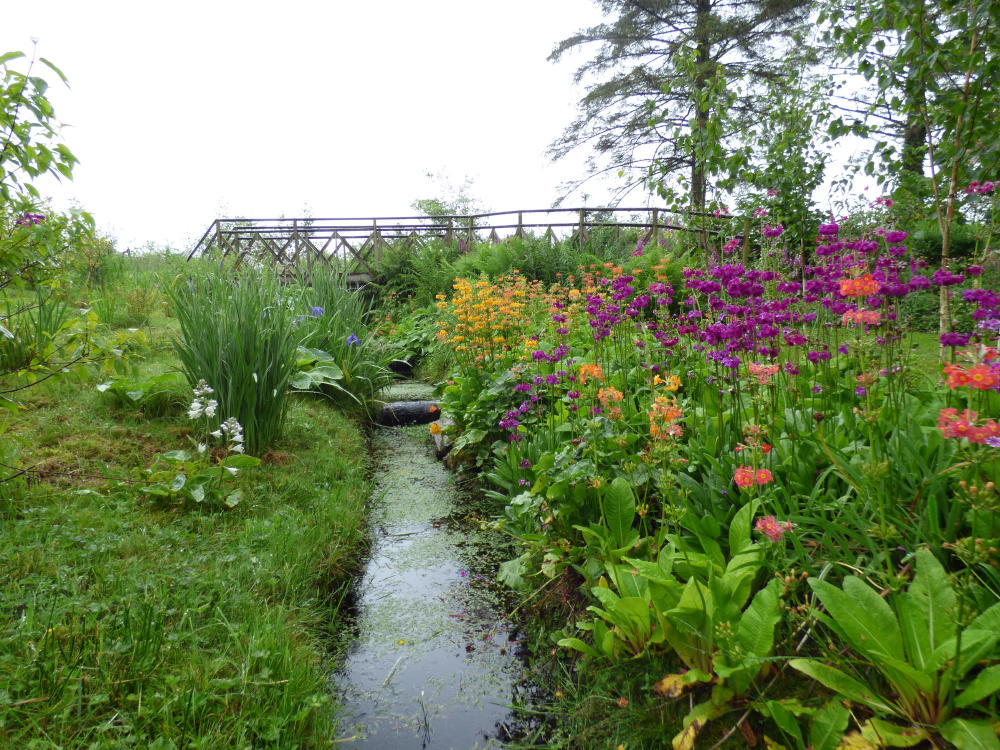
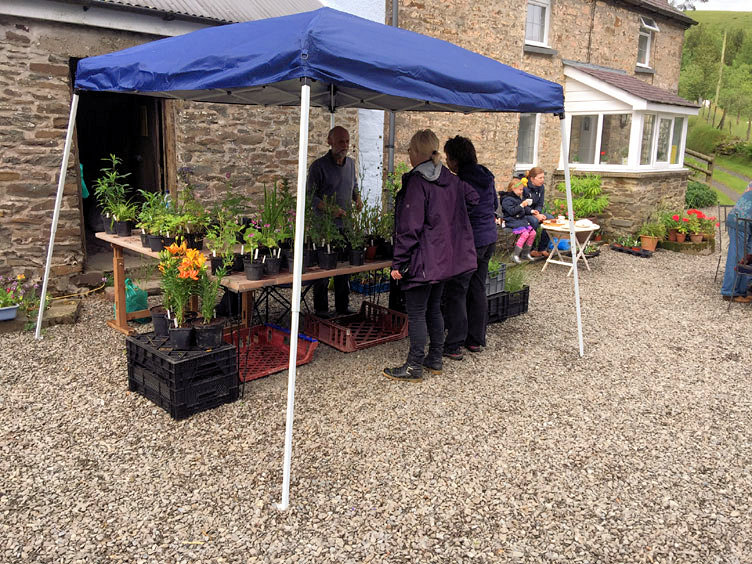
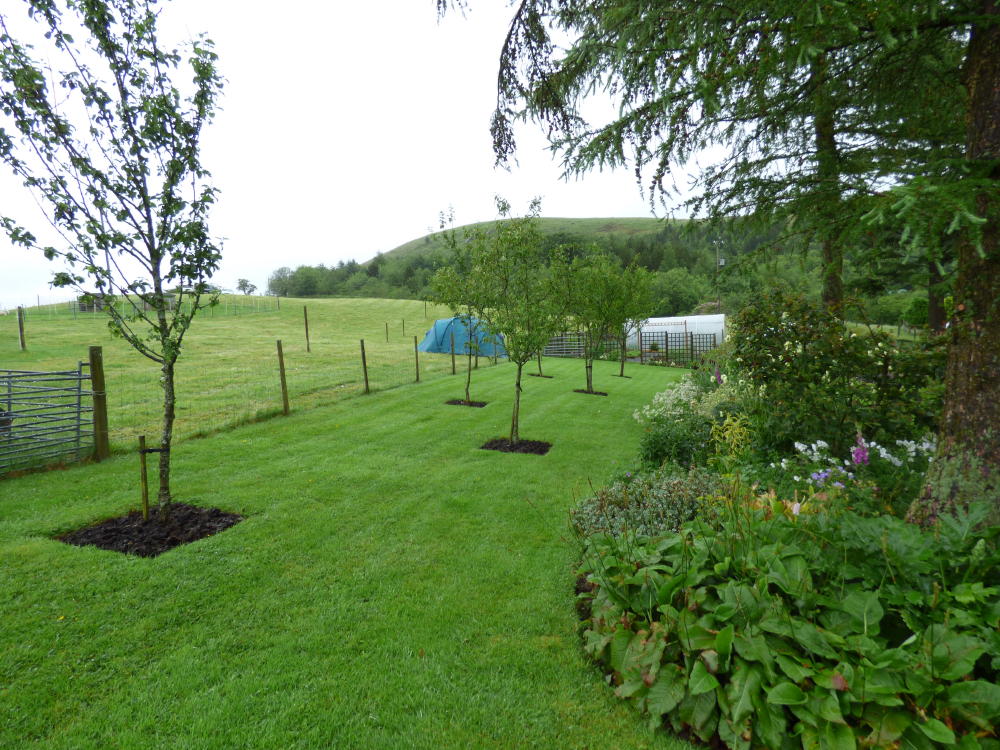
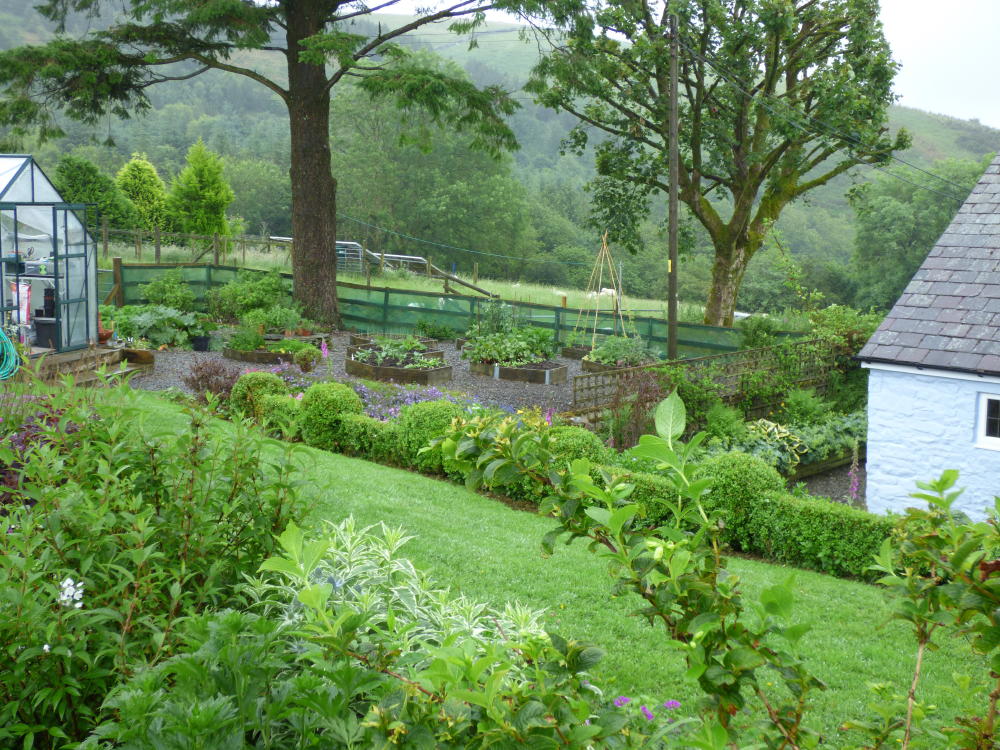
The gardens of Brenda and Angela and Martin had a successful open day for the NGS on Sunday 25th June. Both gardens were looking beautiful – even in the rain when some of the photos were taken. Fortunately the weather perked up and was mainly dry for the most part. The following are summaries of the day by Brenda and Angela:

Bwlchau Duon


Despite the fact the weather was a little kinder than last year we still had a busy and enjoyable day although numbers were slightly down on the previous year.


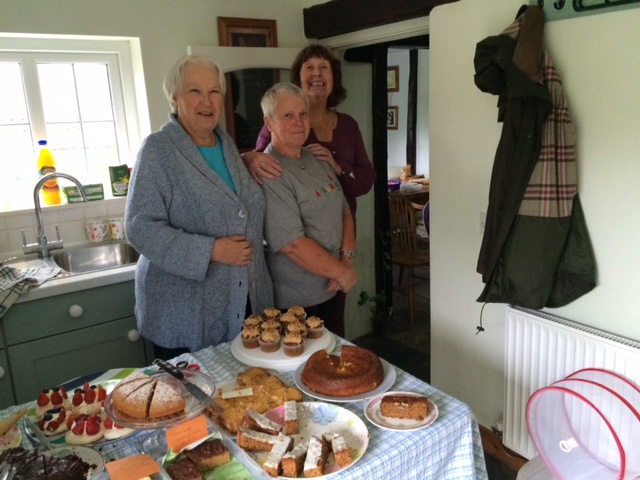
I would like to say a huge THANK YOU to all who donated cakes and helped on the day especially, Yvonne, Penny and Elena for (wom)manning the refreshments which has earned £100 for Cothi Gardeners funds,


and also to John & Helen for doing a magnificent job on the plant stall which raised £300 for the NGS.  Really couldn’t do it without all your help. Brenda


Sculptors Garden


Sculptors Open Garden Sunday 25th was a successful day. Although the afternoon was rather grey the rain managed to hold off with only a few minor drizzles. A steady flow of visitors made for a very pleasant afternoon meeting some very nice people and having some really interesting conversations.


It is always good to meet people who have lived in or know the property and of course it is very rewarding to see that those people are enjoying the changes that Martin and I have made to the garden. Those that had visited the garden before also seemed to enjoy the changes that had been made to the meadow and mini woodland area which was newly acquired last year and is in contrast to the neat walled court yard garden.


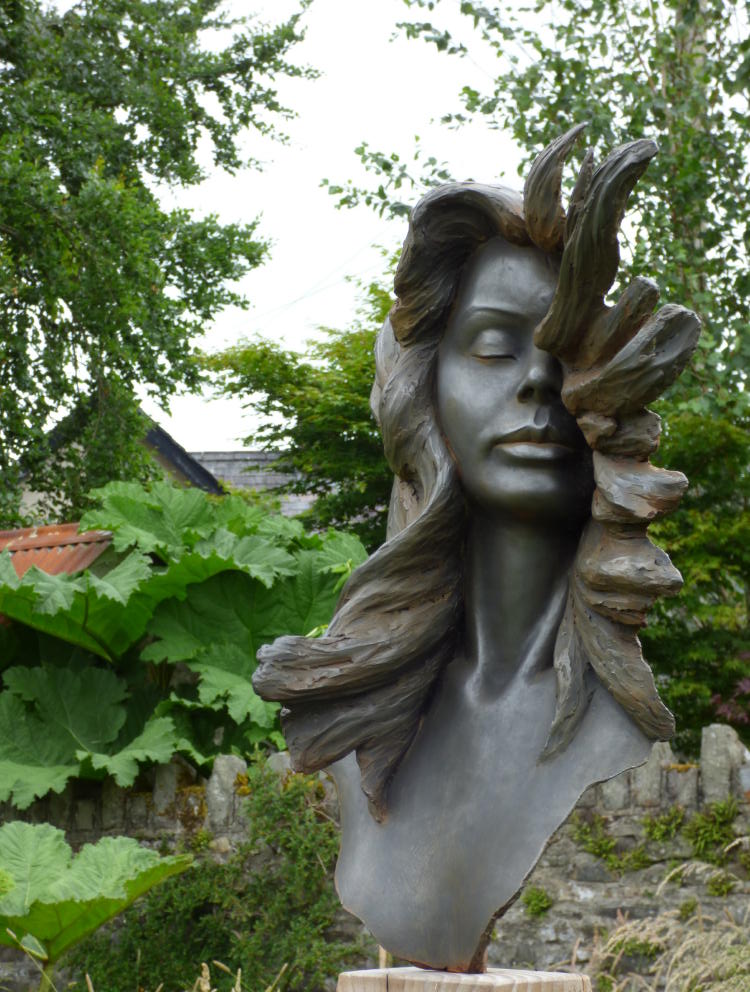
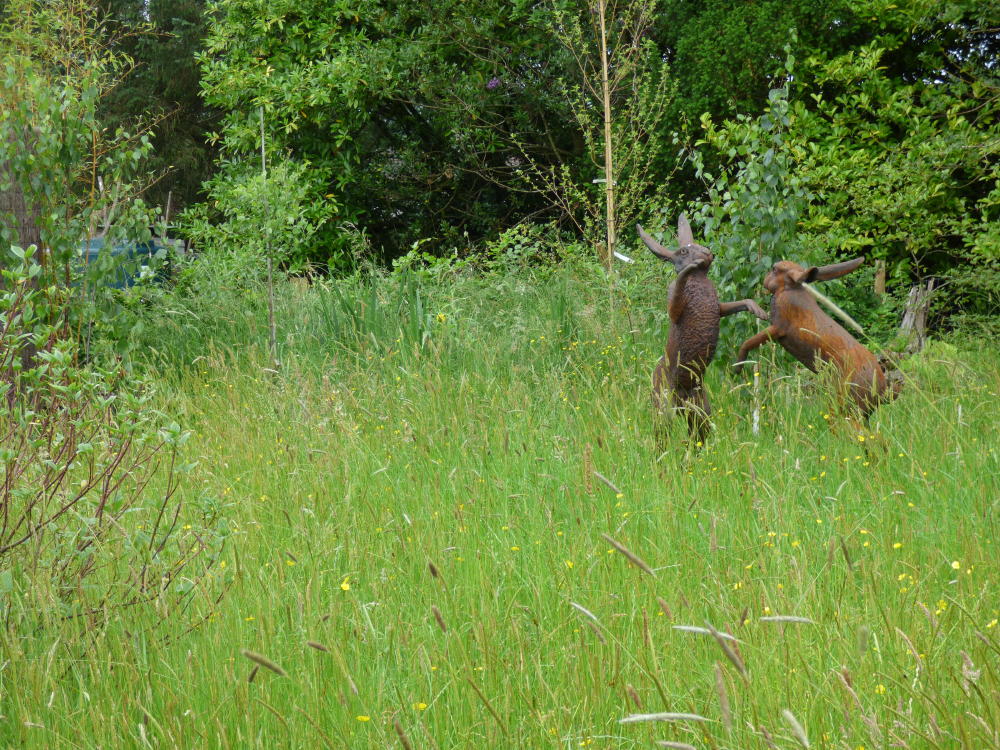
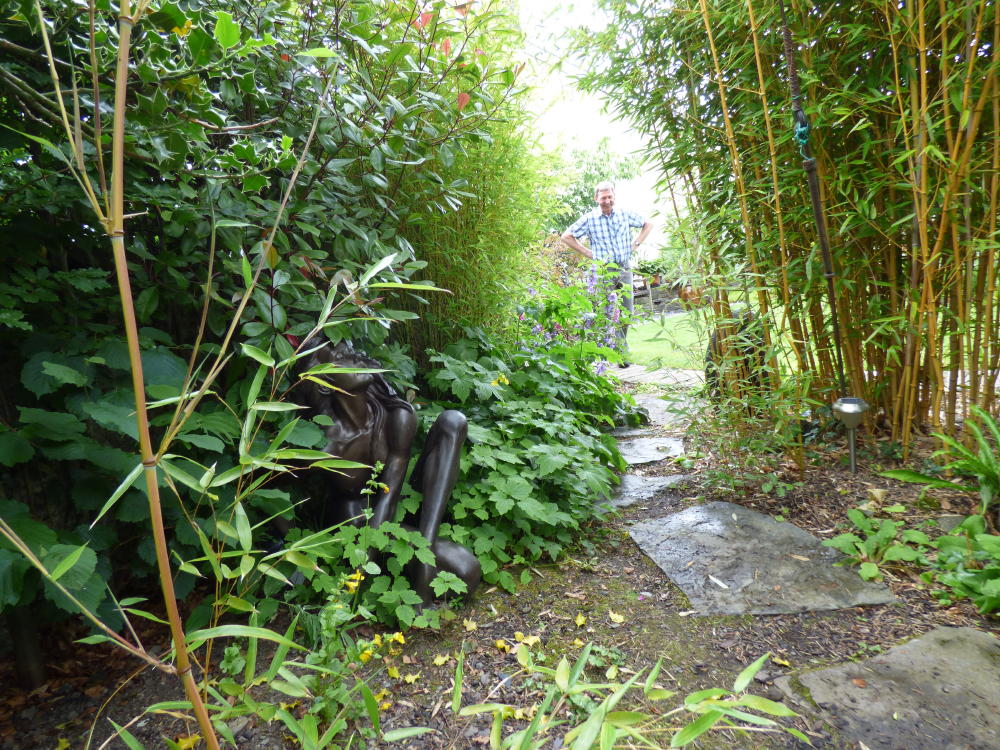
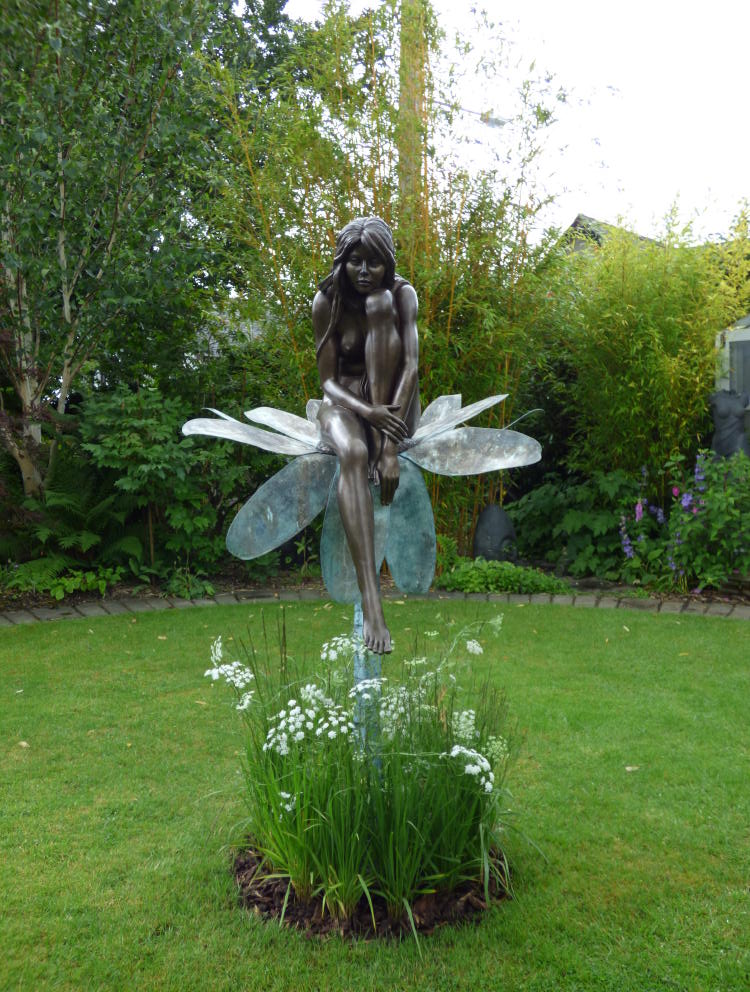
The plant that stole the show was once again Cornus kousa var. chinensis with its wonderful white bracts. The unique  feature about this garden is the way it envelopes and forms backdrops to the sculptures that have been created by the ourselves, husband and wife,  Martin Duffy & Angela Farquharson. In all it was a most enjoyable afternoon raising funds for the NGS of £285 and jointly with Bwlchau Duon raised over £1000. A further £233.50 was raised from tea and plant sales at the Sculptors Garden for St Richards Hospice, Worcester who took such good care of Angela’s father before he passed away in 2016.


“ Thank you so much all visitors, helpers and cake makers for supporting this event, it could not be done without you all.”

____________________________________________________________________________

Gelli Uchaf – National Meadows Day


Julian and Fiona finished their year of opening their garden for the NGS on Saturday with a special opening with guided meadow walks and discussions for National Meadows Day. It was a highly successful day, if exhausting(!) with both morning and afternoon slots full – no more parking spaces! The weather smiled and showed off the flowers in the meadows and the garden itself to perfection. Our visitors on the day came from far afield (Manchester, Gloucestershire, Glamorgan and included an NGS trustee, one of Highgrove’s gardeners and a retired garden designer with 5 Chelseas under his belt!) as well as more locally and it was lovely to see several familiar faces amongst them.

This has been our most successful year of opening the garden with 144 visitors, more than ever before.


Thank you to those who came and helped Fiona with teas for the larger groups, it was very much appreciated.

Westonbury Mill Water Garden and Hergest Croft Outing

Westonbury Mill Water Garden and Hergest Croft Outing

For this year’s club visit we decided on a day trip taking in two well-known gardens in Herefordshire. In the end 14  members and guests met up at Westonbury and started the visit with a welcome cuppa (of course!) after which we descended on the plant sales before even venturing into the garden itself.


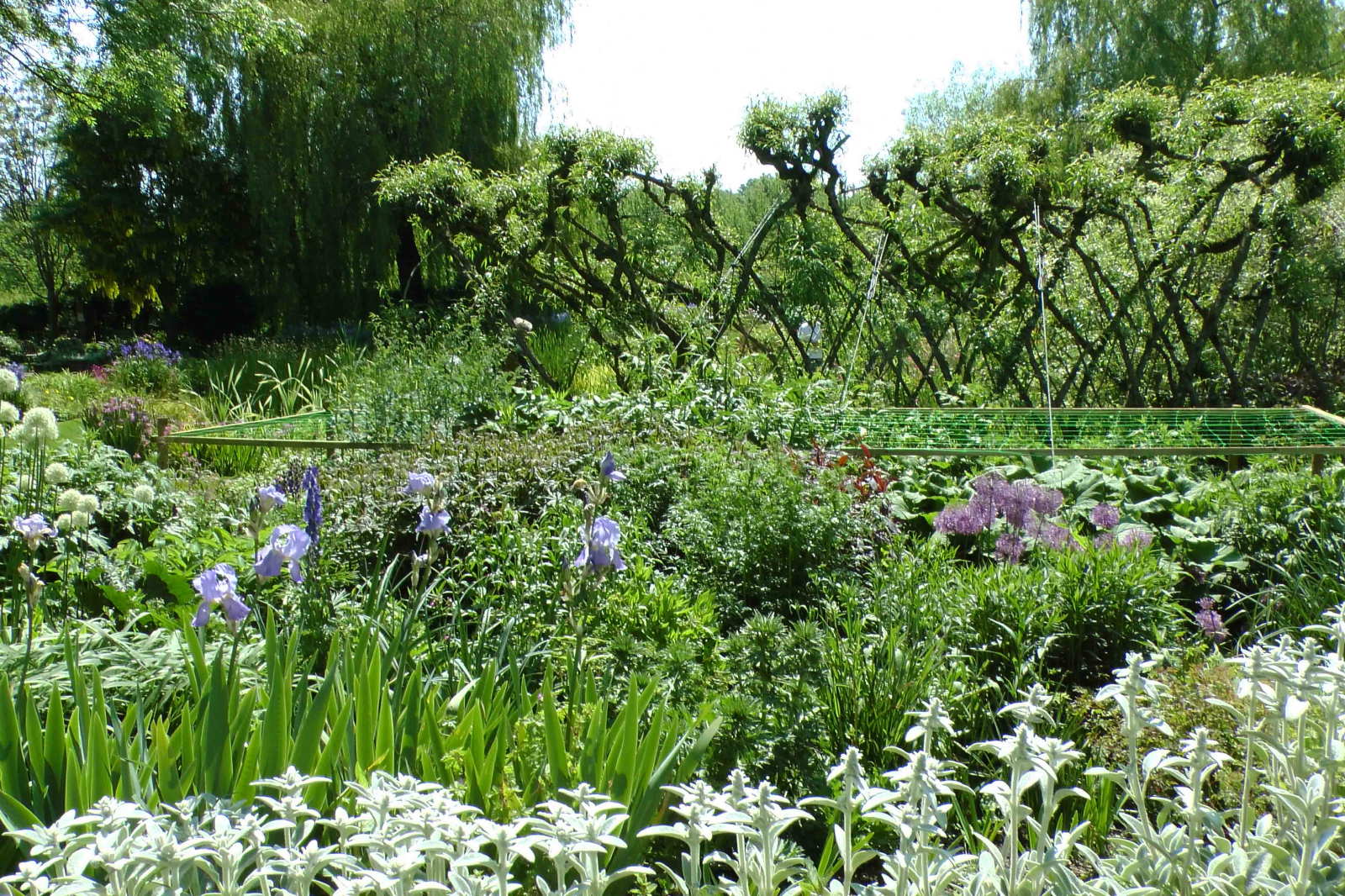
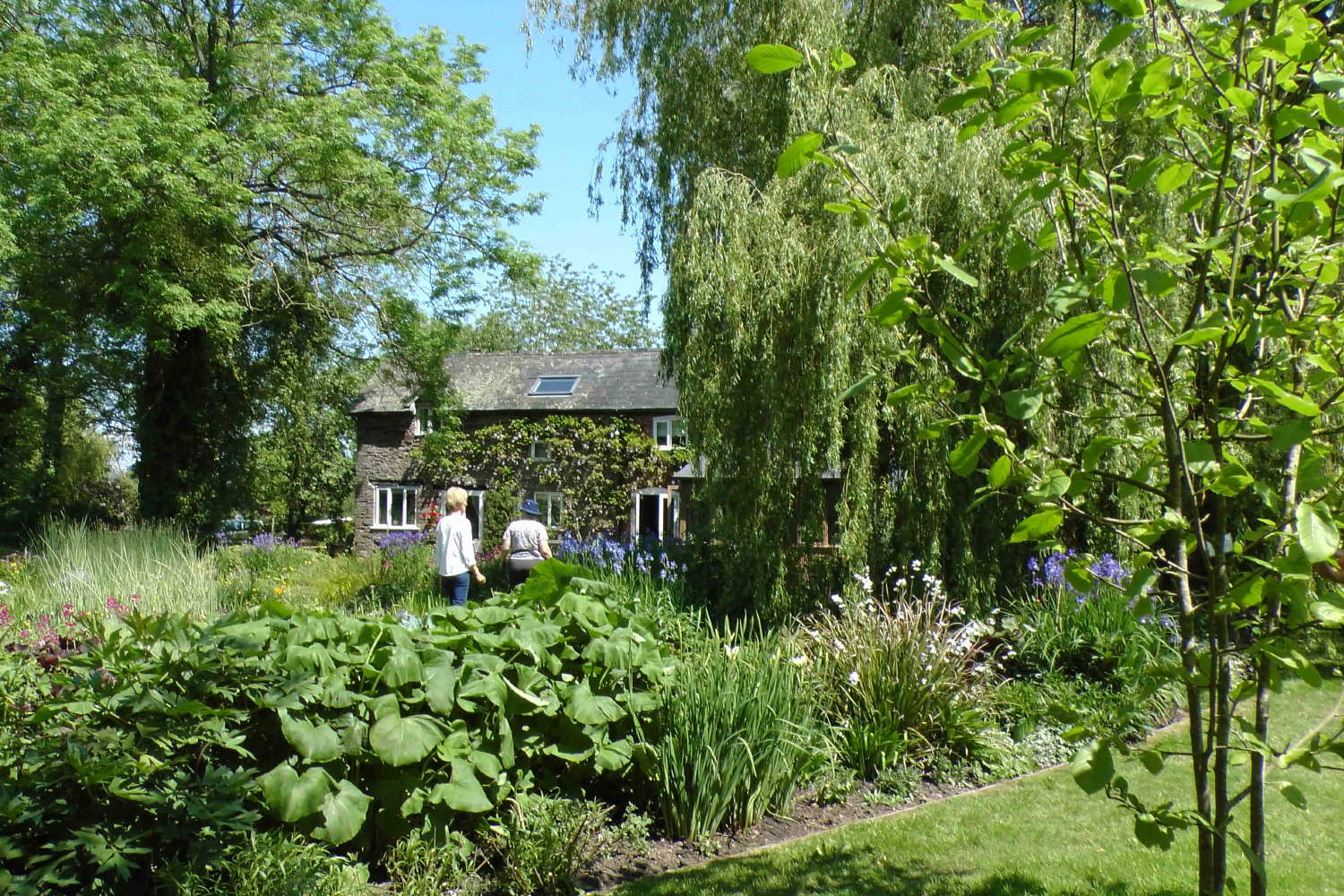
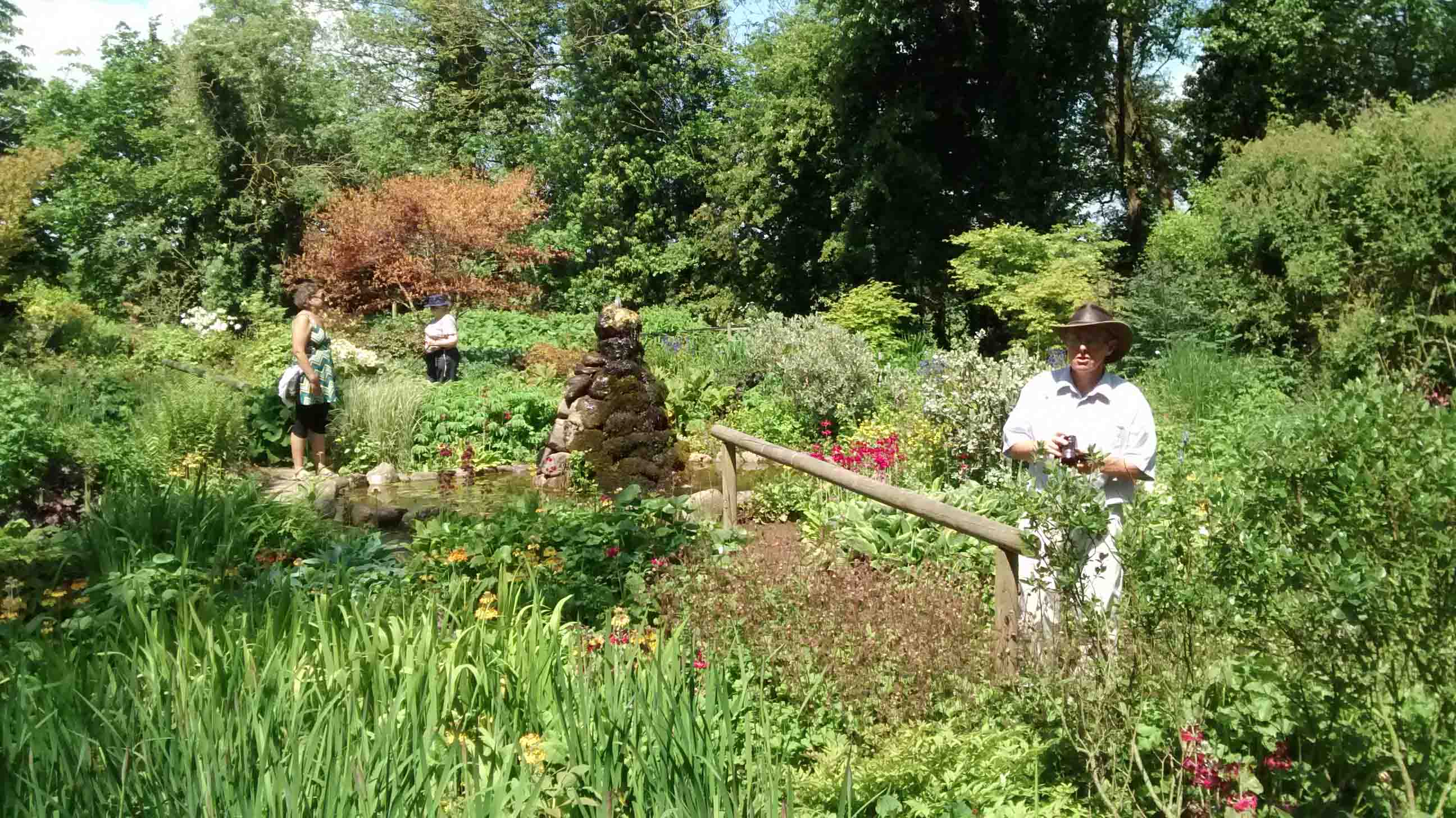
Of course this meant we could give our undivided attention to appreciating the ingenuity of design and planting flair. It is indeed a very special garden. The follies were stunning and the planting lush and colourful.


An excellent lunch set us up for our next stop, Hergest Croft Garden.

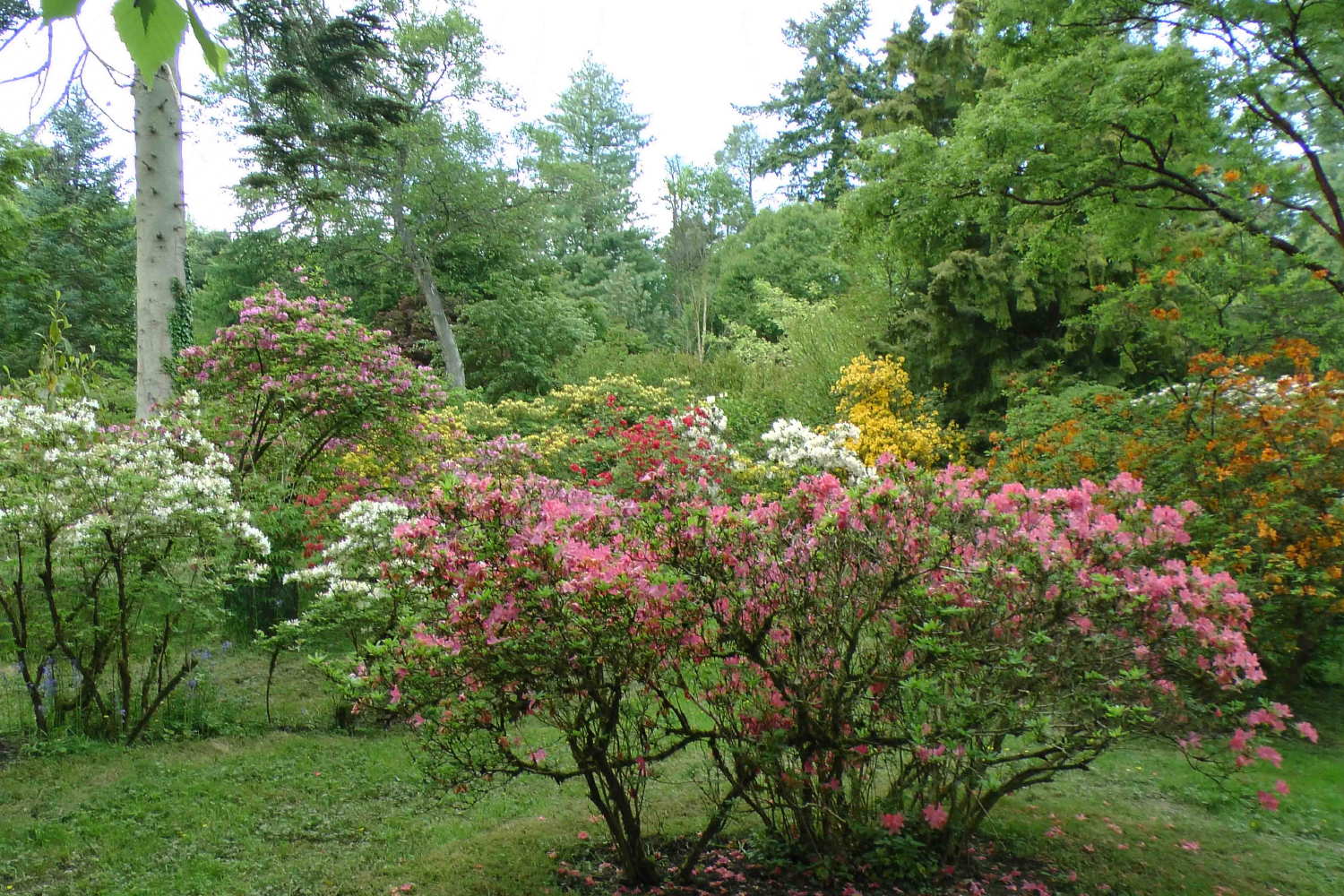
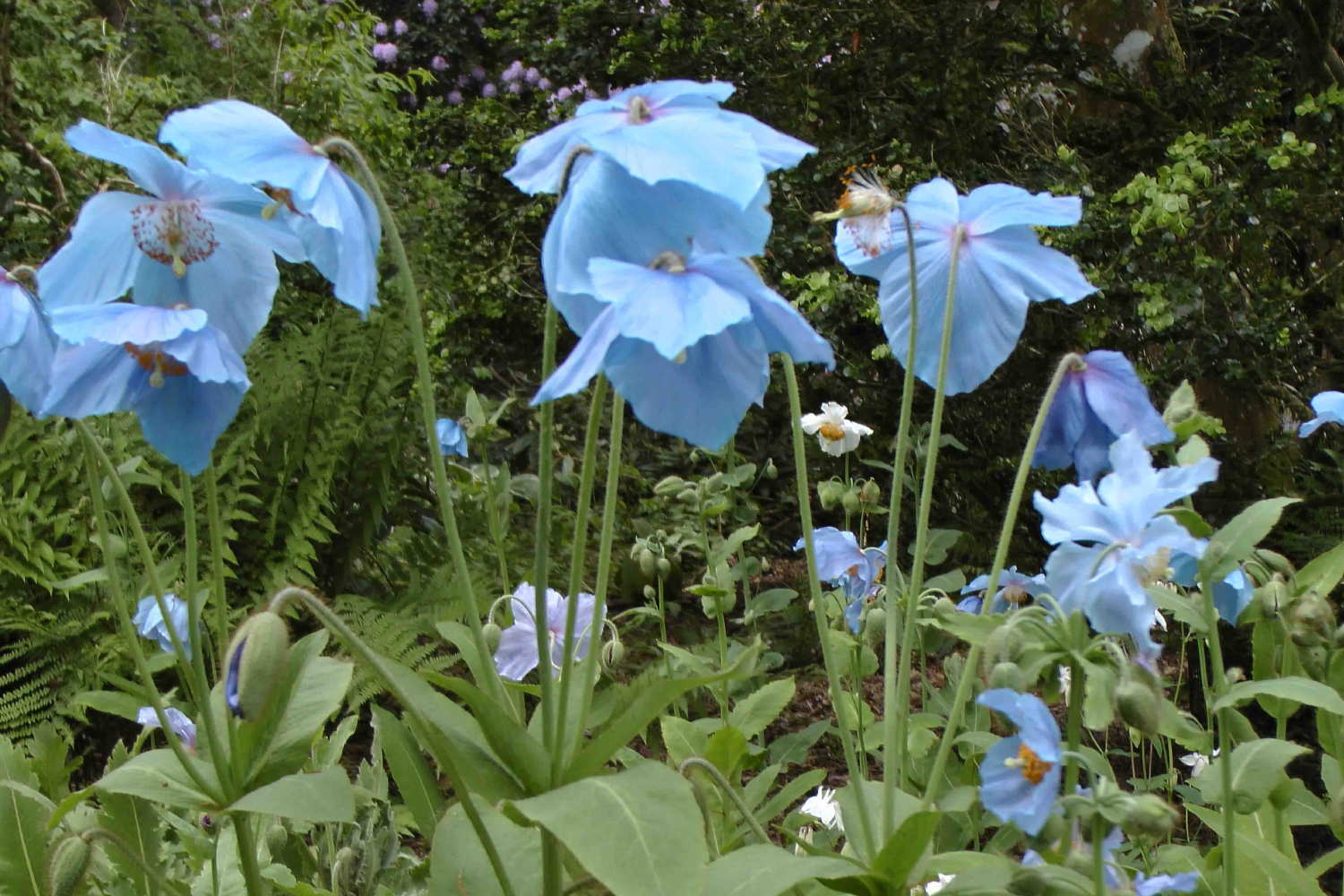
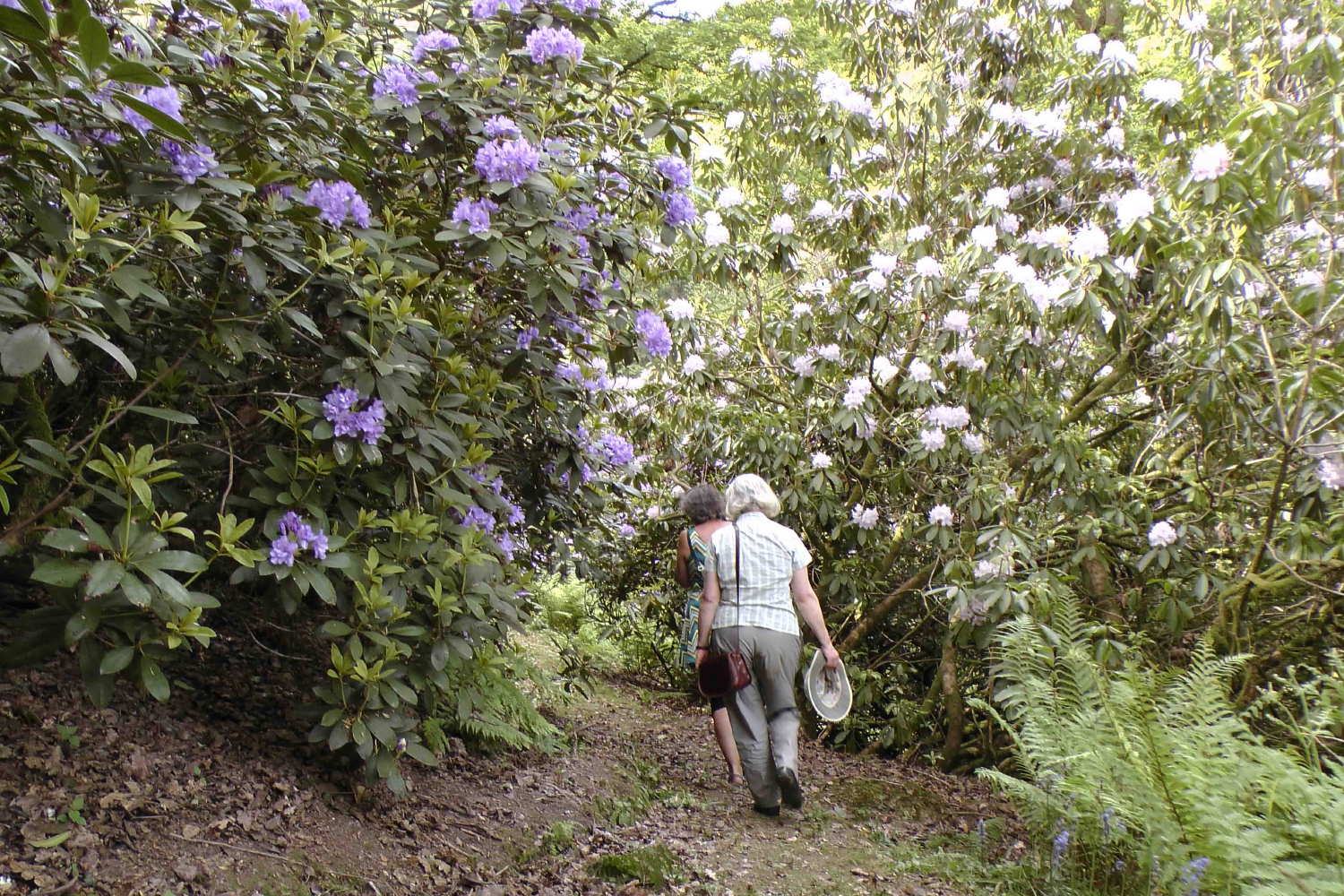
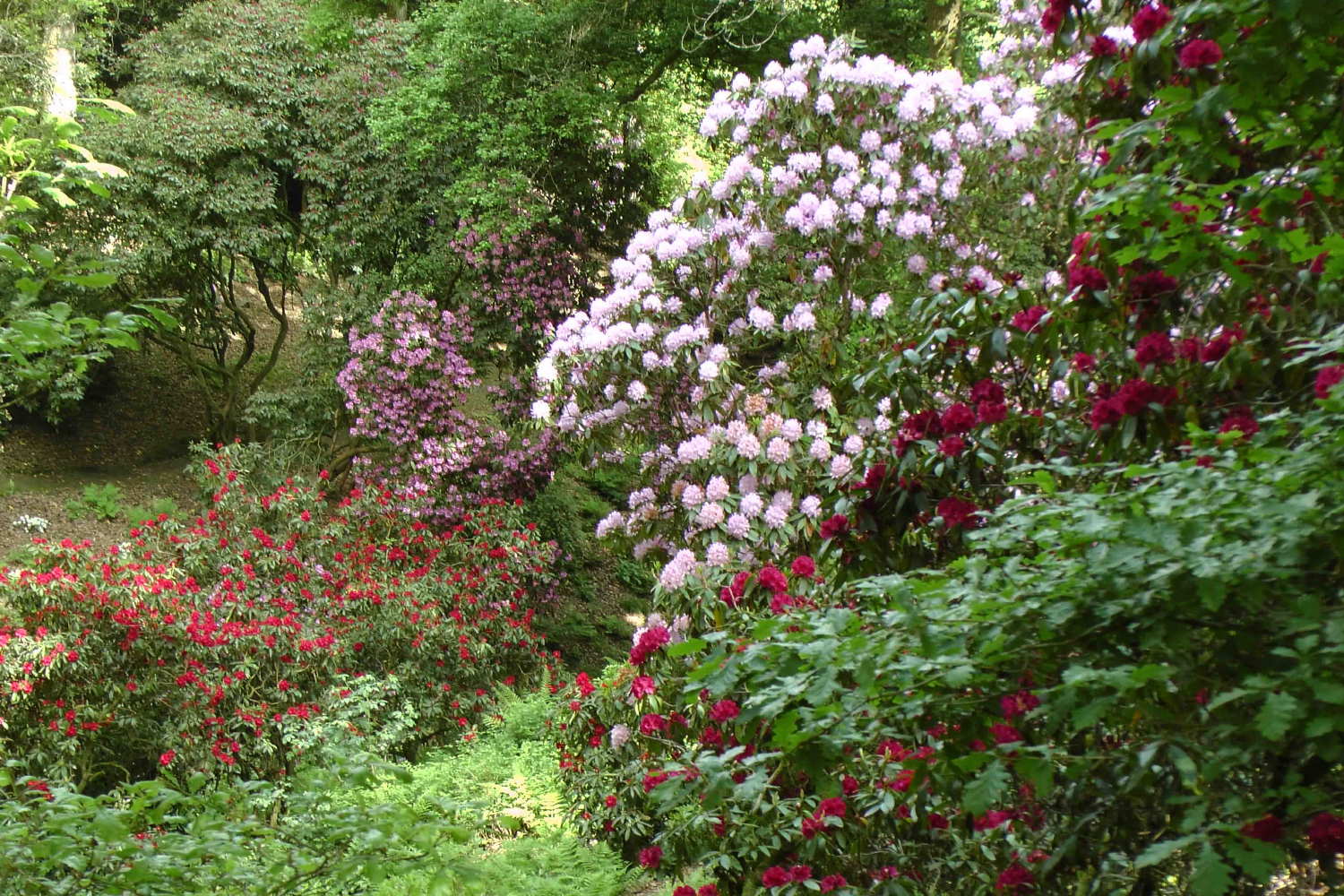
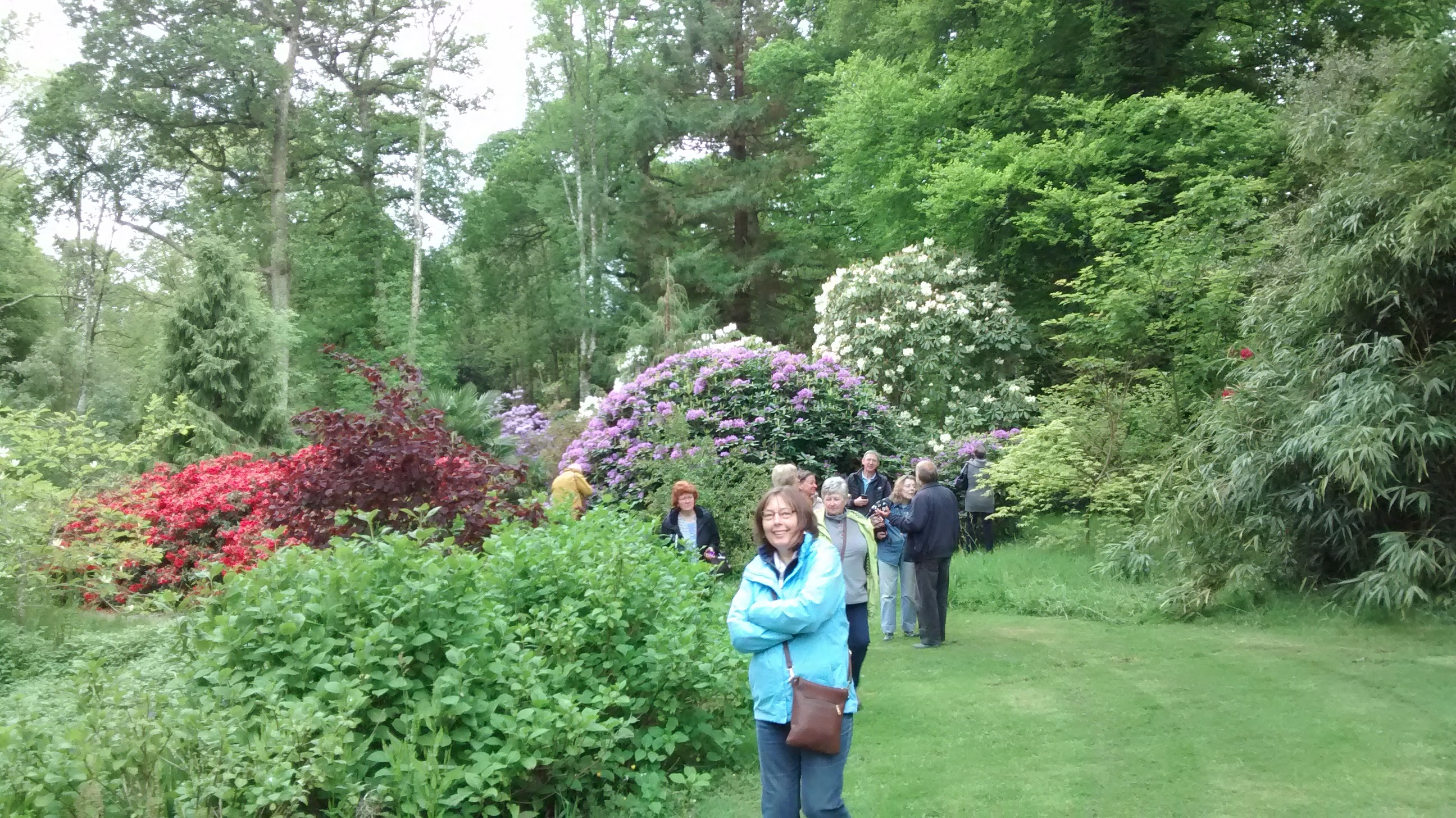
Here the plant sales were again swooped upon before anything else was even thought about! Satisfied with our success we then set off to explore the garden itself and Park Wood. The Rhododendrons and Azaleas were looking fabulous as can hopefully be seen from the photos.


Tea, more plant purchases and we were ready to head home.

All in all a highly successful and fun day.

Pies and Veg; Spring Bulbs and Cinnamon; Green’s Leaves

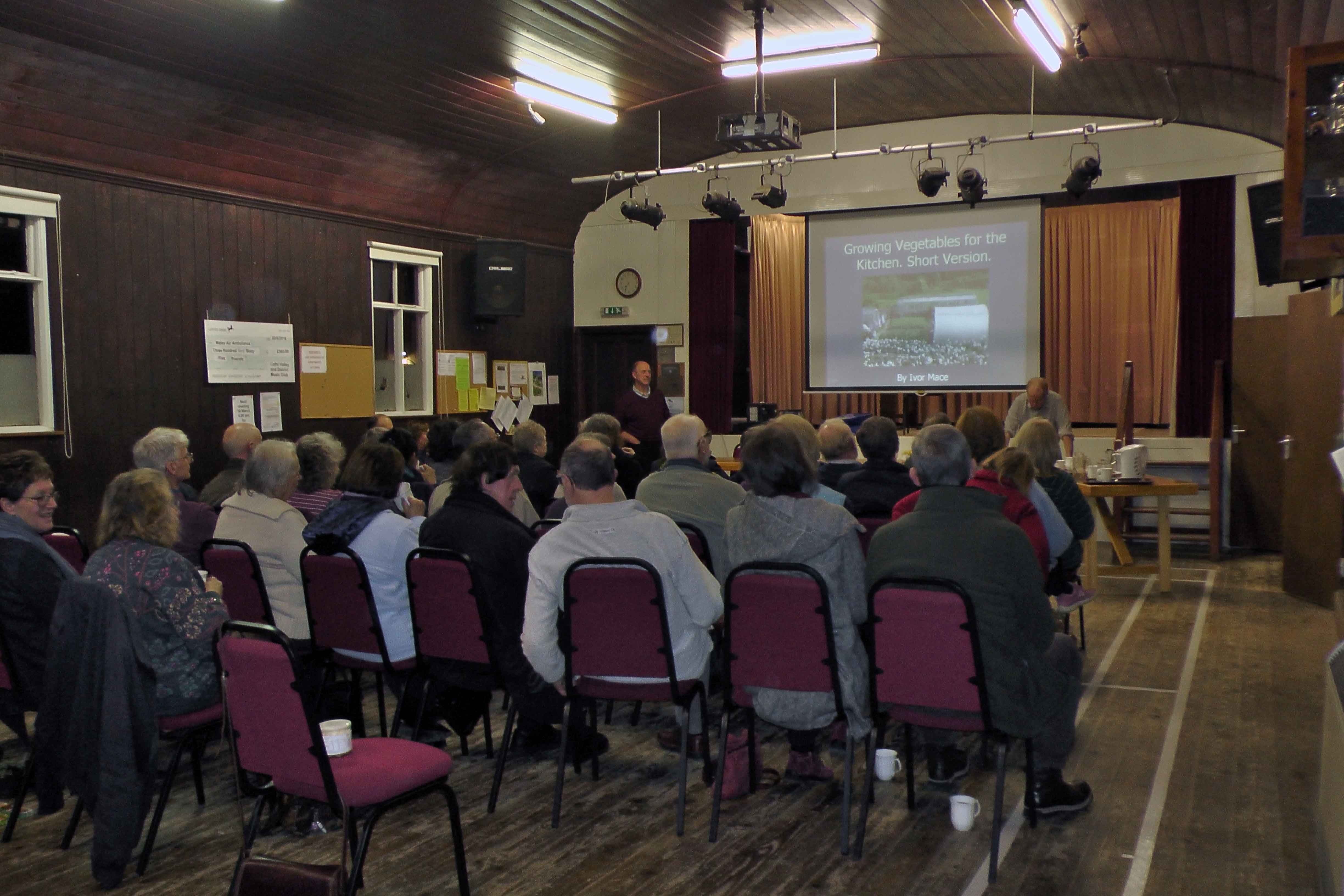
Following another highly successful Pie Night at the Dolaucothi Arms (thank you Dave and Esther) our speaker, Ivor Mace gave, us an excellent, amusing and informative talk at our meeting in March. Drawing on his 40 years experience he guided us through the trials and tribulations, joys and successes of growing vegetables. We picked up many tips and useful information on:

  • crop rotation to help reduce diseases such as Club root
  • when to dig different soil types
  • use of green manures
  • raised beds
  • most useful tools (draw hoe, fork, spade & dutch hoe)
  • sowing times and sowing tips
  • sequential planting
  • varieties of vegetables
  • pests and diseases

Sadly we needed much longer than the allotted 45 mins – 1 hour for Ivor to include detailed information on more than a couple of vegetable types. We will have to have him back for another session.

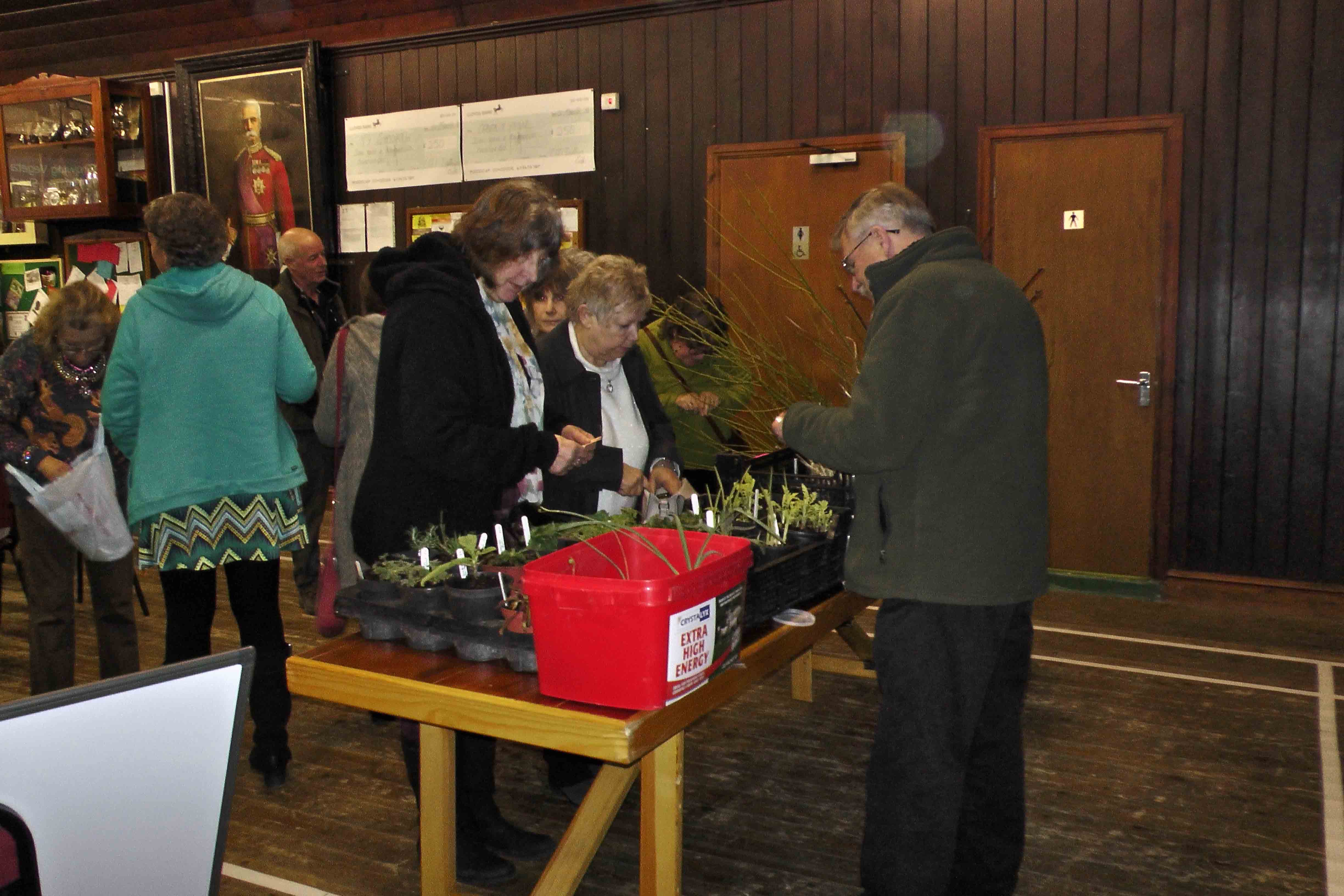
The club plant stall continues to do well – keep up the good work all of you who supply plants and those who buy them. There are many bargains and some unusual  plants to be had; and remember the proceeds go to club funds enabling us to have a wider range of speakers.

_____________________________________________________________________

After Ivor’s talk we had our new slot for member’s monthly tips. If you have a tip or item of information you think would be useful or you would just like to share please get in touch with Julian before the next meeting so that it can be included.

This month’s tips were:

1: Tenby Daffodils (From Julian)

Do we all know what they look like? And do we all grow them? They’re actually a species daffodil native to this part of the world, so not surprisingly grow very well here. They’re probably one of the most vigorous forms we grow, and reliably some of the earliest to flower – usually in time for St David’s day. This year we have masses of flowers from them. But my first tip taken from moving snowdrops in the green, is if you’ve got a vigorous form like Tenby, try moving them in the green – maybe 5 or 6 weeks after flowering. So long as you do it in damp/wet conditions, and then water them well in any dry conditions, they’ll survive and it’s much easier to get them where you want, between other bulbs and plants than buying in more dry bulbs in the autumn. They’ll probably sulk for a couple of years. But then be fine. Anyone who hasn’t got any, but would like some – more money for club funds, folks, come and have a word afterwards, and Julian can probably lose 30 or 40.  (So maybe 4 lots of 10?)

2: Cinnamon for gardeners. Elena found the following information and shared it with us:

Whenever I think of cinnamon, I immediately think of sweet treats around Christmas time. But cinnamon really is an incredibly healthy spice that has more uses than just adding flavour to your favourite desserts and drinks. Yep, some of the best chilis and grilled meat spice rubs that I’ve ever had contain cinnamon. And did you know that cinnamon is good for your heart health, your brain functions, and blood sugar regulation? Amazing stuff!

Maybe you already knew all that but here’s one that very few people know about: you can use cinnamon for gardening. “Huh? How can you possibly use cinnamon for gardening!?” Yes, I know it sounds completely crazy, but you really can use cinnamon to very legitimately help you with growing certain plants.

Have you ever heard of damping off disease? Perhaps you’ve never heard of it, but you may have seen it before… it’s a soil-borne fungus that looks like cotton and it grows on the stems of your seedlings. Infected plants might still germinate, however it’s only a matter of days before they become mushy, limp at the base, and die. Nasty stuff. But this is where cinnamon comes in…

As it turns out, cinnamon has anti-fungal properties so it’s a great solution to keeping your plants free of damping off disease. Just sprinkle the cinnamon on the soil (don’t worry if you get some on the leaves) and the wonderful spice will get to work protecting your babies.

3: Scilla bithynica.  The Turkish Squill (From Julian)

A bit like a smaller bluebell, but with flowers all round the stem, and a great nectar flower. Like bluebells it does well in moist shade, say under trees or shrubs and with us seems to produce lots of seed, though this will take a few years to grow to flowering size. Slugs and rabbits don’t seem to like it, and the great thing is the colour of the blue, and that it flowers for quite a bit longer than bluebells, and about 6 weeks earlier, so gives an extended season.  Well worth a try, and we got them from locally based John Shipton, who seems to be one of the few suppliers of this bulb (currently 5 bulbs for £9.50 + shipping. Click here for his website)

_____________________________________________________________________
There will be lots to discuss at our April meeting, the topic is “Choice Plants for Early Season Interest” by Paul Green.

There is so much to do in the garden at this time of year but Paul will help to get you going in the right direction with tips and advice so that you can focus your attention on what will do well during the spring. Paul’s nursery, Green’s Leaves, specialises in rather unusual plants which have been grown in the UK, making sure they are suitable for our cooler climate. Look at their website for more information www.greensleavesnursery.co.uk  and come along on 19th April as Paul will bring a selection of plants for sale. These are sure to be different from those found in most garden centres.

_____________________________________________________________________

Historic Gardens in Britain – Talk by Dai Evans Director of Picton Castle Trust – Saturday, March 18th

The talk will include a section on Picton.

PLANTS FOR W WALES; TIPS; CHALLENGES; VISITS; PIE NIGHT and GROWING VEGETABLES

We had a hugely successful first meeting of the year on Wednesday 15th, with an excellent turnout including many new faces and some we hadn’t seen for a while plus a brilliant speaker in Joseph Atkin from Aberglasney.

joseph-atkin-1-2

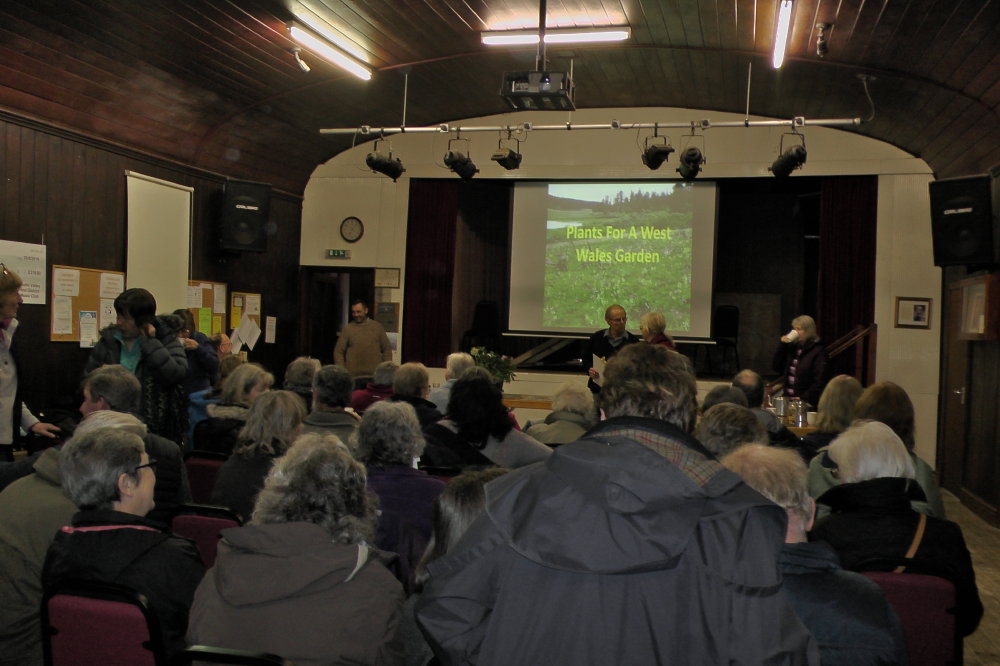
Joseph’s talk on plants for a West Wales garden was interesting, amusing and informative. He confirmed many of our views that we are fortunate to live in an environment that enables us to grow a great range of plants, particularly those native to China and the Himalayas – as long as we can control the slugs. He showed us some old favourite plants together with some lovely new ones, particularly some of the species lily family and gave us some very useful tips on propagating from seed and how he deals with slugs at Aberglasney.

joseph-atkin-2

The club plant stall was well supplied with some excellent plants so very many thanks to those who brought plants and to those who bought them. The proceeds are an essential part of raising funds so that we can continue to enjoy a wider range of speakers each year.

plant-stall-2

Julian, our new Chair, fortunately sailed through his first meeting without running aground. He introduced a new 5 minute slot for members to share any topical tips, plant favourites, etc with the rest of the club, kicking off with a couple of his own, and brought the club’s whiteboard into use to highlight some of the plants mentioned. Our club has an enormous font of knowledge and this is an opportunity for everyone to share in it, so if you have something you think would be of interest to other members, then do please get in touch with Julian well in advance of the next meeting so that it can be included in one of these slots.

Julian’s tips for February were:

  1. Jakoti hand shears. One of the most useful tools we’ve come across. They have a longer blade than secateurs, can be used with one hand easily and cut more in one go than conventional shears. They are also self sharpening. Available online for £30-£35.
  2. Three plants for February:

a) Cyclamen coum. Copes with anything the weather throws at it. Flowers from November through to March/April. Grows in free draining soil in semi shade. Maybe best on a slope – if you haven’t got a slope try making a sloping raised bed area, beneath a tree or large shrub.

cyclamen-coum-p1030362-2

b) Galanthus x valentinei. A lovely vigorous snowdrop out in time for Valentine’s Day, which has appeared in our garden – we really don’t know if it’s a seedling cross, since we have no record of ever buying it. Best planted like most snowdrops beneath a deciduous shrub or tree.

p1050322-3

c) Daphne bholua Jacqueline Postill. Heavenly scented flowers from December through March. Well drained soil, semi shade. If you can get hold of one on its own roots, it will sucker like a wild cherry and you’ll end up with plants eventually up to 7 feet tall, covered in these scented flowers for up to 2 months.

SDIM0035 (2)

__________________________________________________________________________

MEMBER’S MEDLEY AND GROWING CHALLENGE

The club growing challenge this year is for members to grow something that they then incorporate into a dish that they bring to the meeting in August to share – along with an example of what they have grown or photos if that is not practicable. Members can then share their ideas, successes or failures and sample the results. It is hoped to hold the event at Gelli Uchaf or, if the weather is bad, in the Coronation Hall as normal. Thank you to Brenda for the idea for this year’s challenge.

__________________________________________________________________________
GARDEN VISIT

We are planning an all day trip over the border at the end of May/early June to see two gardens that come highly recommended. The first is Westonbury Mill Water Garden (click here), entry £6 and the 2nd is Hergest Croft (click here) entry £6.50. The plan is to go by car and meet up at the gardens, having lunch at one or the other – both have cafes. The timing should be excellent for Rhododendrons.

There will be a form for anyone interested to sign at the March meeting. If you would like to add your name but can’t make the meeting then let either Julian or Fiona know.

__________________________________________________________________________
CLUB GARDEN SAFARI (CRAWL)

In past years we have had some fun days visiting fellow members gardens and it has been suggested that we do it again this year. If anyone is interested in adding their garden to the list of those to be visited please get in touch with Julian or sign the form at the March meeting

__________________________________________________________________________

PIE NIGHT

We are planning on having another Pie Night get together at the Dolaucothi Arms before the next meeting. We will meet at 6pm to eat at 6.15pm. Dave and Esther kindly allow us to come early so that we can get to the meeting on time. In order to do this we need to let them know our pie choices in advance, so anyone who would like to join us needs to let Julian know by Friday March 3rd so that we can get menus out and choices in in time.

_________________________________________________________________________

So with Spring  just around the corner and if you’ve already enjoyed the cheerful sight of Snowdrops and Crocus recently, why not give some attention to the vegetable garden in coming weeks?
To get you started, we have invited Ivor Mace to give a talk on March 15th. Ivor has over 40 years of growing experience and has won prizes for his show onions and leeks. He’ll tell us about soil condition, pH levels and no doubt recommend varieties which should do well in your garden. There will be time for questions and answers at the end of Ivor’s talk so if you fancy having a go at growing a prize winner for your local horticultural show or would like to add some home-grown veggies to your dinner plate, then come along. Even if you don’t have space for a vegetable plot, a few container-grown plants will add vitamins and minerals to your diet and the whole family can enjoy eating what they’ve grown.
Join us on March 15th at 7.30pm, please note the later start time.

Happy New Year! AGM and the Year Ahead.

cyclamen   hamamelis   snowdrops-2

With the days getting longer, Spring doesn’t seem that far away. The signs are already there  in the countryside and our gardens. Snowdrops, cyclamen, Hamamelis all brightening up the days when the sun doesn’t shine.

Our 2017 programme kicks off next week with the AGM – 7pm, Wednesday 18th January. It is always a fun social occasion as, once the usual business has been finished, we enjoy a ‘shared plate’ supper followed by a general knowledge quiz  organised by Derek.

Daisy, Margaret and Anne are all retiring from the committee this year after giving unstintingly of their time, knowledge and help. A huge thank you to them for all they have done over the last 3 or 4 years.

Our programme for the year is almost ready for publication, (full details will be published on the programme page of the website shortly). We have Joseph Atkin from Aberglasney to look forward to in February

aberglasney-2

and  to whet your appetites for later in the year…….

The Spring meetings include talks about growing vegetables and woodland gardens. During the summer we can find out about about scented plants and what to grow in ‘problem’ places. In August there’ll be an informal social evening, perhaps with a local garden visit. Moving into the Autumn there are talks about specific plant species and what to do if you have just too many plants and not enough space! The year ends with a relaxing evening watching a film about ‘Quatre Vents’ in Quebec, in December club members will round off the year with Christmas Lunch at a local restaurant.

So for anyone reading this who isn’t a member of the club but is keen on gardening, either growing flowers, shrubs or vegetables, you may like to come along to learn something different, make new friends and even buy some plants at bargain prices.
The Club meets on the third Wednesday of each month at Coronation Hall, Pumsaint and the membership includes gardeners of all abilities from beginner to expert nursery women and men. Many of the membership bring along cuttings and surplus plants from their own gardens which are sold to raise funds for the club. Annual membership is £14  visitors are welcome at just £3, and the evening always starts with coffee, tea and biscuits and a chance to look over the plant stall or chat to other members.

We’re a friendly group, meetings start at 7pm (7.30pm in the summer) There is plenty of parking at Coronation Hall, and if you’d like a drink before or after the meeting, the DolauCothi Arms is just opposite.


Pie Night; A Ranger’s Perspective; National Meadows Day; Garden Openings; Next Meeting

The first Pie Night which preceded our last meeting was a resounding success and proved a great time for us to get together for an informal bit of socialising! Dave and Esther at the Dolaucothi Arms excelled themselves producing their delicious pies for the 18 of us in good time for us to make it across the road for the meeting.

Sarah Jones then gave us an interesting, amusing and informative talk on her work as a ranger for the National Trust at Dinefwr. Her enthusiasm and love for her work and the area were evident as she gave a fascinating insight into the role of a ranger caring for the park’s landscape, flora and fauna with particular reference to the fallow deer and the White Park Cattle.

The park is well worth a visit, particularly at the moment when the hay and wildflower meadows will be in full bloom. For members who are interested, National Meadows Day is this Saturday with various locations being open for visitors – more info can be found on the Carmarthenshire Meadows Group website (click here).

As part of National Meadows Day………

 Gelli Uchaf Meadows and Garden will be open on Saturday July 2nd 2016

Meadow Walks and a chance to look round the gardens at Gelli Uchaf small holding, which have been designed to incorporate many insect friendly flowers.
This event is in aid of the charities of the National Gardens Scheme.
Places are limited so must be booked.
There are two sessions, 10.30 am and 2.30 pm. Some places are still available for both.
£4 per person. Cakes/teas available as well if pre-booked (£3 pp).

Gelli Meadows                        sdim3594-2

The gardens were featured as 1 of 10 secret gardens in Wales to visit by Wales Online in 2014 and were also filmed in 2016 for BBC2’s Gardener’s World programme. The 11 acres of meadows are being gradually restored to increase floral and fungal diversity and include both hill, and valley bottom wet pastures. A photographic display of the progress so far, will be available, and weather permitting, some of our manual hay making techniques may also be on view.

s1040045-2

Anyone who is interested please book  by contacting Julian and Fiona Wormald
 01558 685119
 thegardenimpressionists@gmail.com
 Gelli Uchaf
Rhydcymerau
Llandeilo
Carmsarthenshire
SA19 7PY
__________________________________________________________________________
The opening of member’s gardens at Bwlchau Duon and The Sculptor’s Garden in Ffarmers on Sunday went really well. Congratulations to Brenda and Martin and Angela, the gardens looked wonderful and well deserved the turnout of over 140 visitors who were clearly not put off by the uncooperative weather!
anne-john

     Anne and John bravely enduring the rain while manning the plant sales at Bwlchau Duon

the tea ladies

The Tea Ladies at Bwlchau Duon

__________________________________________________________________________
Our next meeting is on Wednesday, July 20th when Helen Warrington from Ty Cwm Nursery will return to give us a talk on ‘The Origins of Plants’ .
Ty Cwm Nursery has a broad range of herbaceous perennials, bedding and veg in season, specialising in blueberries and carnivorous plants. Helen will be bringing a selection of plants from the nursery for sale after the talk.
__________________________________________________________________________
The Club Plant Shop
This is getting better and better and is making an excellent contribution to club funds. Very many thanks to all those who have supported it both in the supply and purchase of plants. We need to keep the momentum going so please do keep supporting it at each meeting.
To recap: good quality, potted up, labelled, and priced plants to be donated. A table will be set up for the ‘Plant Shop’ at the back of the hall, with a tin for the money to be left in. Please price your donation/s according to size of pot, type of plant and so that it reflects the true value while being less than a garden centre would charge. This way those purchasing will have a good quality product at an advantageous price.


Picton Visit; Diary reminders and additions

Picton Castle Gardens Visit

Our visit to Picton Castle Gardens was a great success. We met for a civilised picnic in the courtyard, making use of the outdoor seating before being joined by Roddy Milne, the head gardener, for a tour of the garden.

Picton 1
The rhododendrons, although nearing the end of their season, were still magnificent.IMG_20160525_191425175

Many were grown from seed from cultivars already in the garden and it was fascinating to see the variety of plants one seed capsule can produce in both flower, leaf and form. New areas of woodland have been planted to give continuity for the future especially as more and more of the original plantings are succumbing to old age.

IMG_20160525_191239222
The hard work of Roddy and his small band of helpers was evident in the tidy borders, new plantings and well mown lawns! The walled garden was immaculate and had plenty to see despite its peak season being later in the summer.

Picton 7     IMG_20160525_181701995

IMG_20160525_192202799
Overall a thoroughly enjoyable and informative evening out.

_____________________________________________________________________
Open Gardens

A reminder that this month sees the joint opening of 2 of our club members’ gardens in Ffarmers. Anyone able to help serve teas, supply cakes, etc please contact Angela and Martin or Brenda.

Brenda Angela & Martins garden open (2)

There are a number of other gardens opening this month including the Talley Open Gardens Day this Saturday, 11th June, click here to go to our events page to see more.