Cothi Gardeners Plant Fair

Cothi Gardeners Inaugural Plant Fair

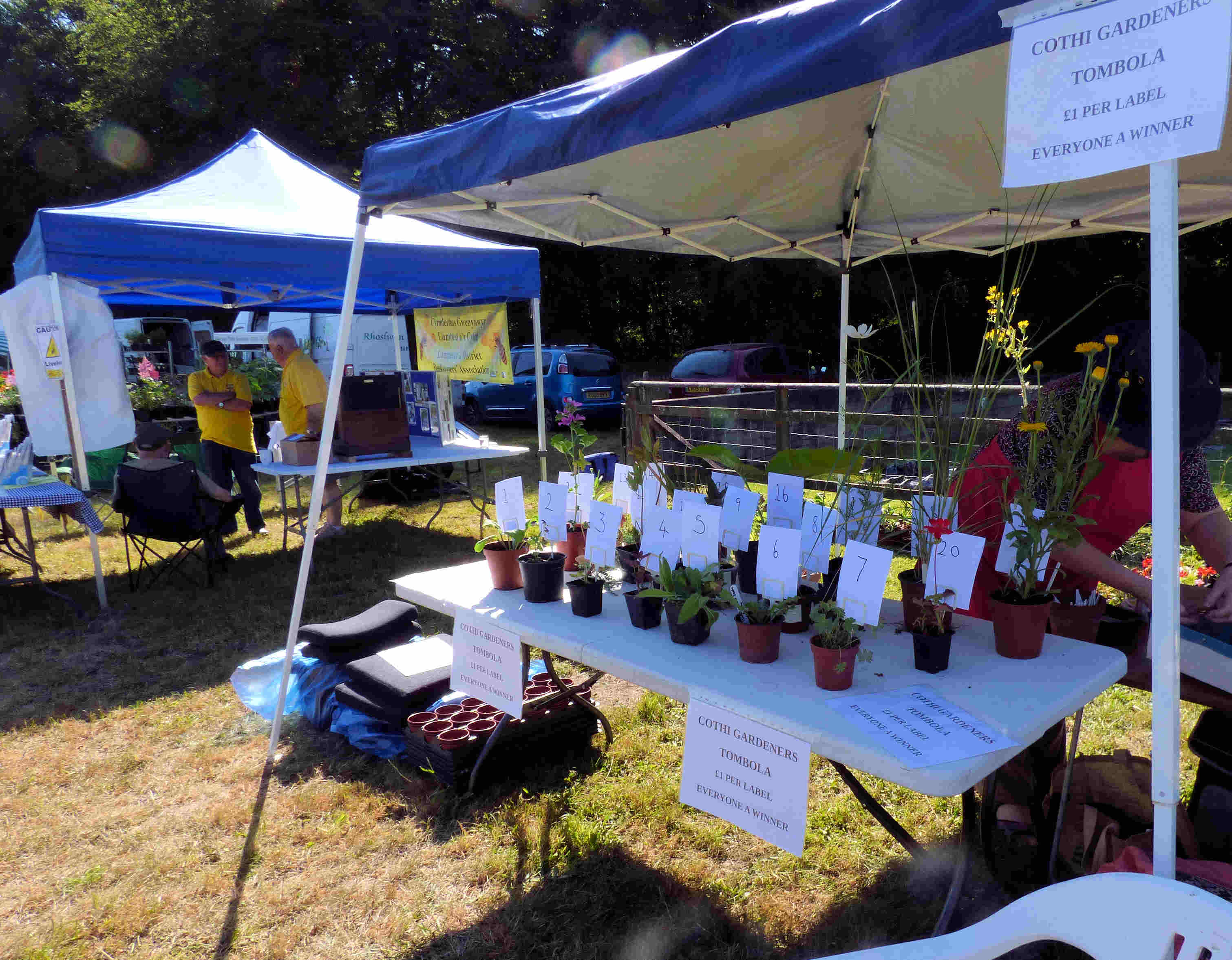
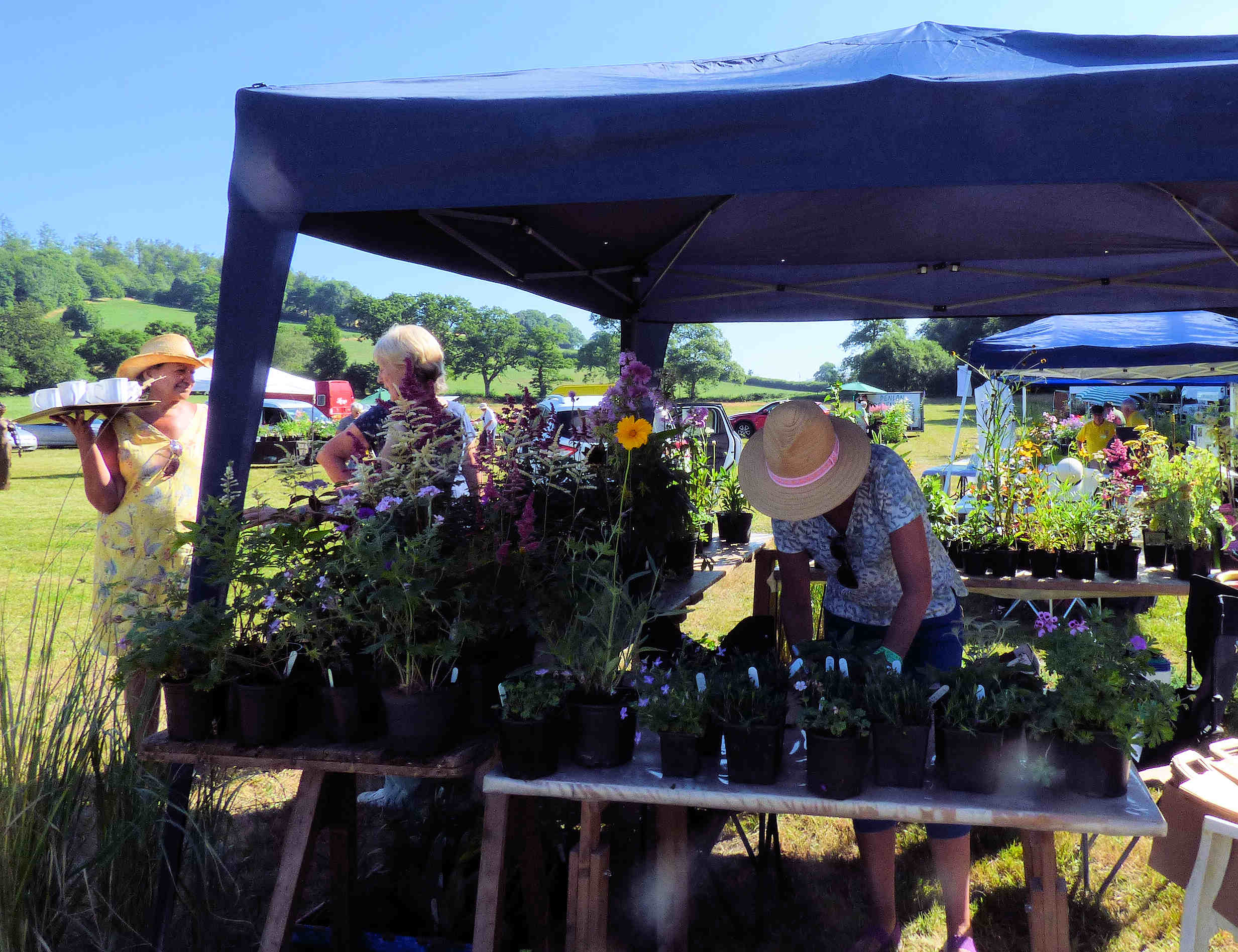
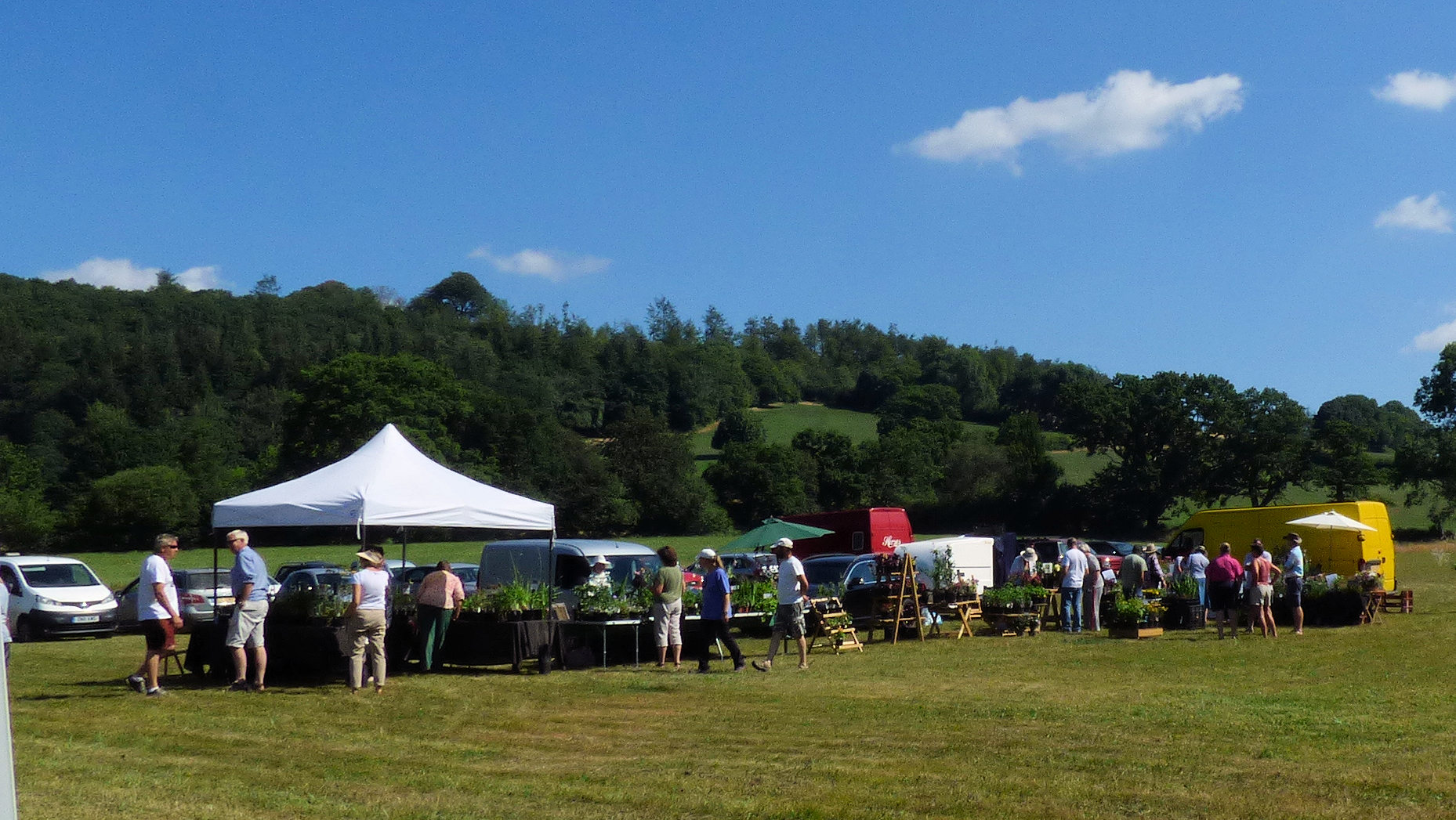
Sunday 8th July dawned clear and sunny and turned out to be one of the hottest days of the year, perhaps not ideal weather for anyone organising a plant fair! Fears that the heat would deter visitors and stallholders alike proved unfounded and the day was a resounding success with over 300 visitors.

The site was enjoyed by all with easy access for nurseries and stall holders, good parking for visitors and wonderful refreshments in the hall. Huge congratulations and thanks to John Brooks and his team for masterminding the day and putting so much time and effort into all the planning. Also thanks are due to all members of Cothi Gardeners who pulled out the stops to help in one way or another, cake baking, supplying plants, manning stalls, setting up, taking down, car parking supervision and much more. It was a real team effort and one of which we can be justifiably proud.


The nurseries and other stallholders seemed unanimous in giving it a ‘thumbs up’ and hope to join us again next year. A big thank you to all the nurseries and stall holders who supported us.


Next Meeting Wednesday, July 18th

Malcolm Berry – The Dreaded Gardener on Facebook will be giving a talk entitled “Weaving The Web: Towards A Natural Garden”
His website is dedicated to helping educate people about how to produce their own healthy food, and encourage biodiversity, using a mix of approaches combined under the banner of ‘Natural Gardening’. This includes aspects of permaculture, organic and biodynamic practice, and what comes naturally to him.
All welcome, starts at 7.30pm, £3 for non-members (includes refreshments).


Richard’s Primulas; Afternoon Tea at Aberglasney; Kex, lace and poison from Kari-Astri; Orchid count help needed

Primula Sieboldii – Richard Bramley from Farmyard Nurseries

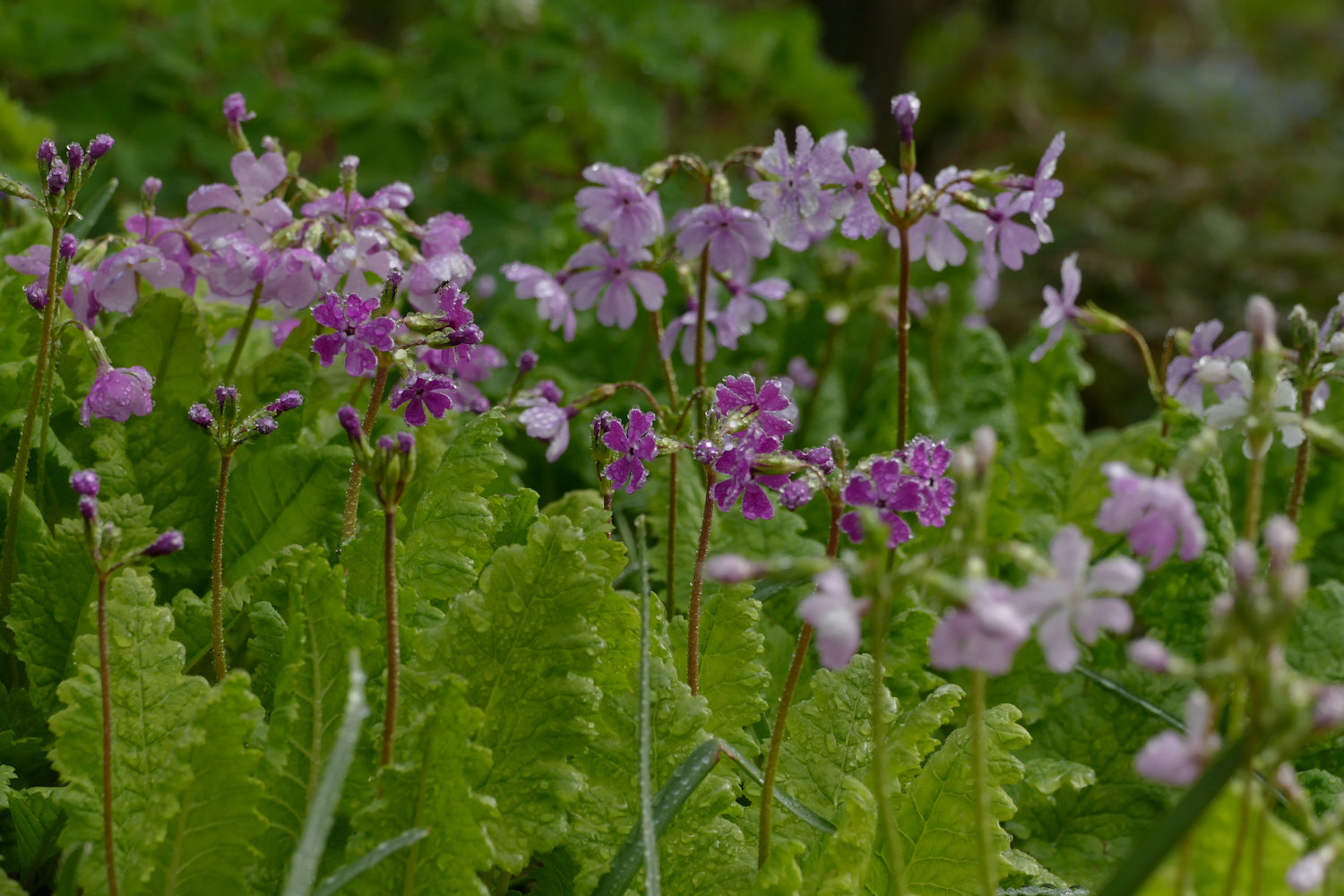
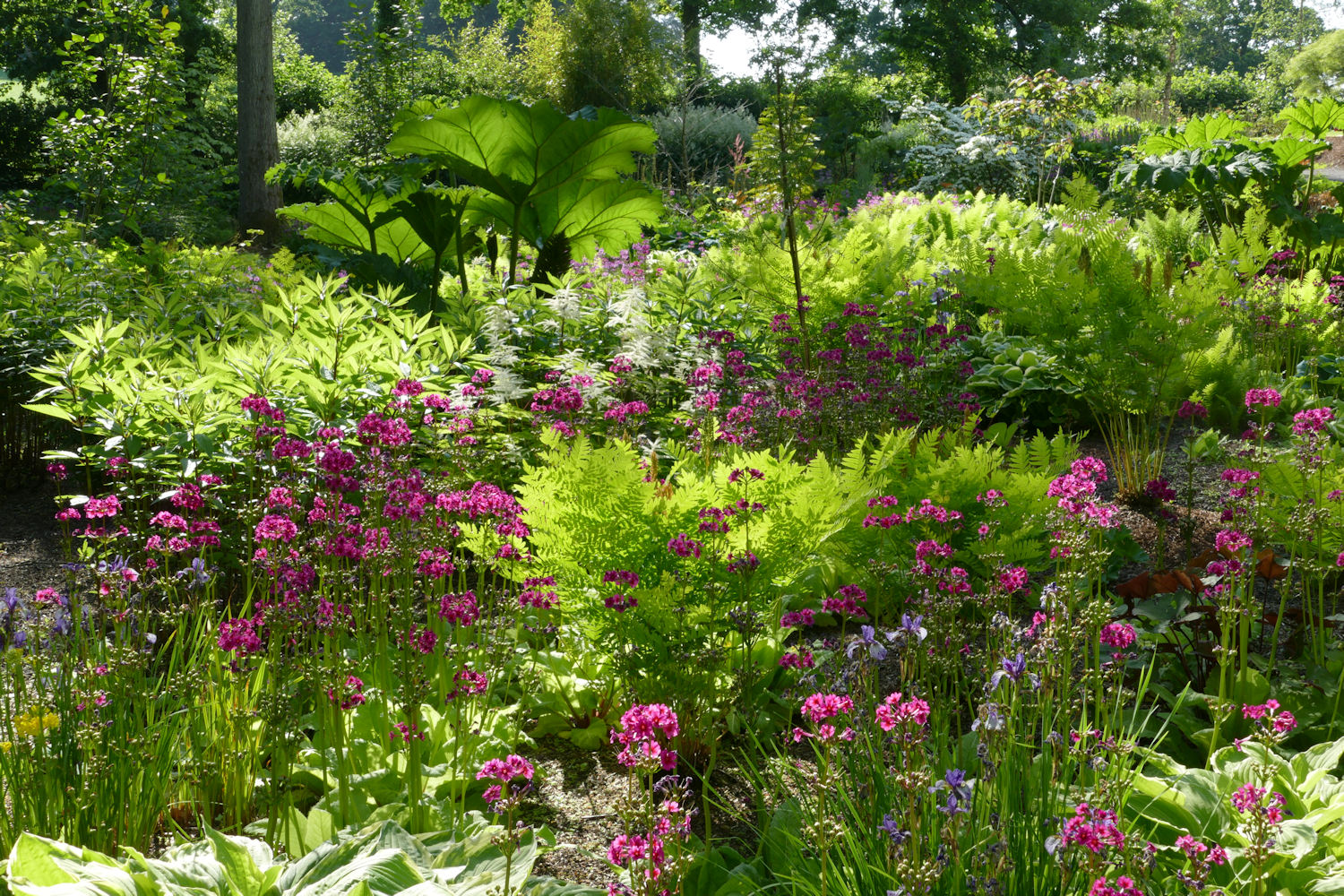
May saw a welcome return to Cothi Gardeners by Richard Bramley from Farmyard Nurseries to give us a talk on Primulas and Primula sieboldii in particular for which he holds one of the National Collections.

These lovely, dainty primulas are surprisingly hardy. They like wetter climates and can cope with cold, although they are more vulnerable if kept in containers as they can freeze solid. They occur in N E China, Korea and Japan where they are water meadow plants but will grow almost anywhere given the right conditions:  moist, free draining soil in semi shade.

There are many different flower forms and the flowers are either pin eyed or thrum eyed so as to avoid self fertilisation. They flower in Spring from April to early June.

Growing from seed is easy. Pick the seed capsules when they turn yellow and sow straight away. They need a cold spell (gibberellic acid can be used) and light to germinate. Sow in seed trays and cover with vermiculite. This allows light and also retains moisture. Some named varieties can’t be grown from seed and have to be multiplied by division. This should be done in March and is also very easy.

Primulas are a huge family ranging from the very easy such as primroses and polyanthus to the very difficult eg some of the alpine primulas.

Other primulas:

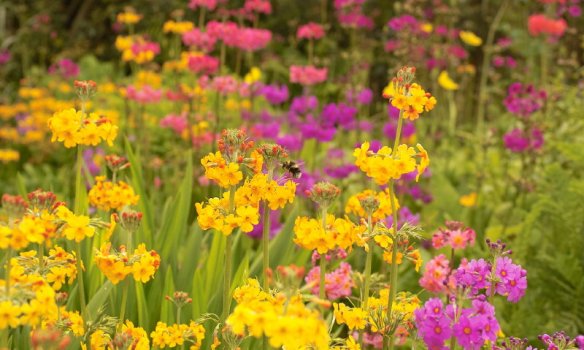
Primula japonica (Candelabra): These are moist soil plants preferring shady sites and flower May to June. They hybridise and seed around freely often resulting in a mass of multi-coloured blooms.

Primula florindae: a yellow, later flowering variety

Primulas auricula: not too easy as they don’t like wet or being outside! Best grown in pots.

As always Richard brought some of his lovely plants for sale………


Aberglasney Tea Party

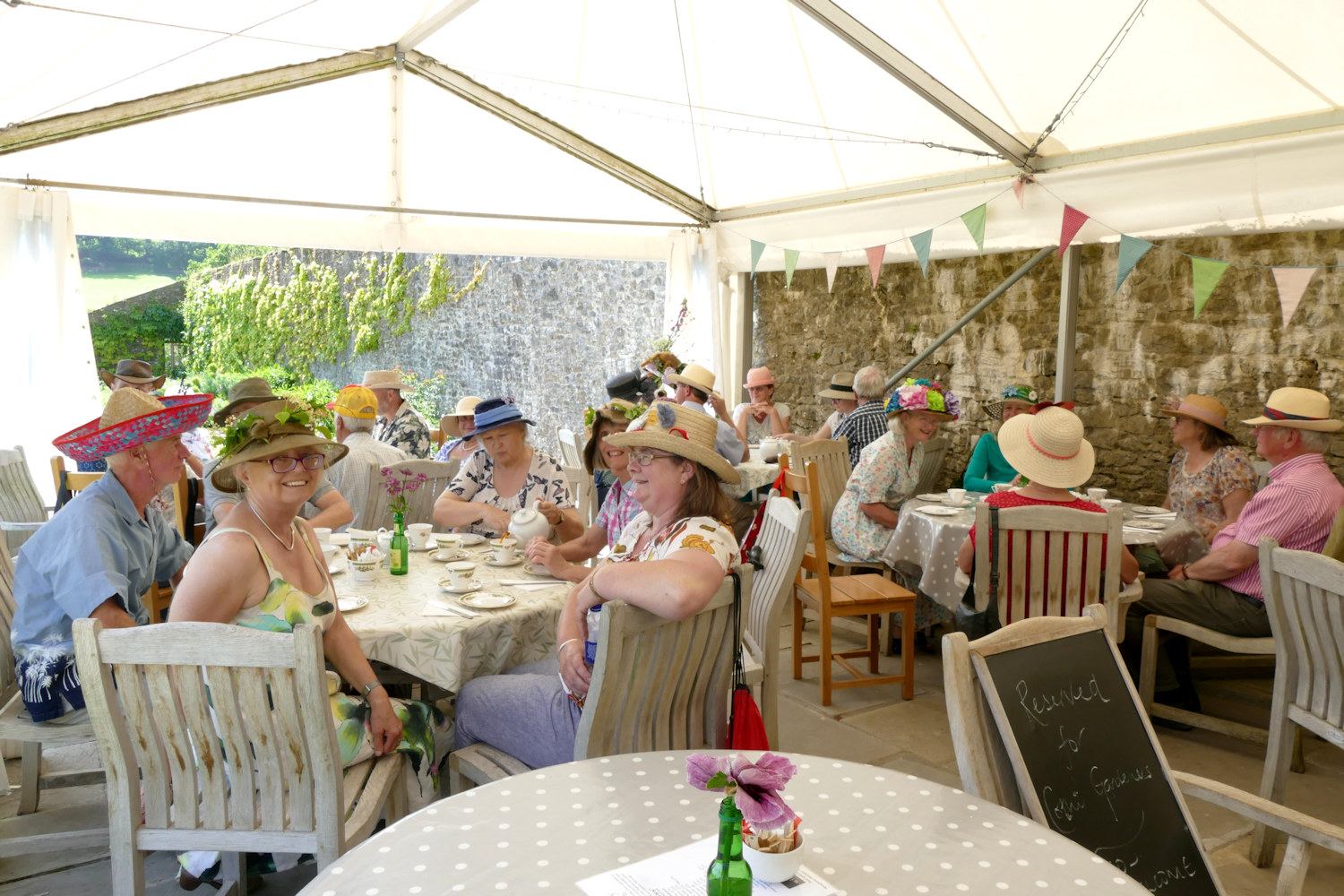
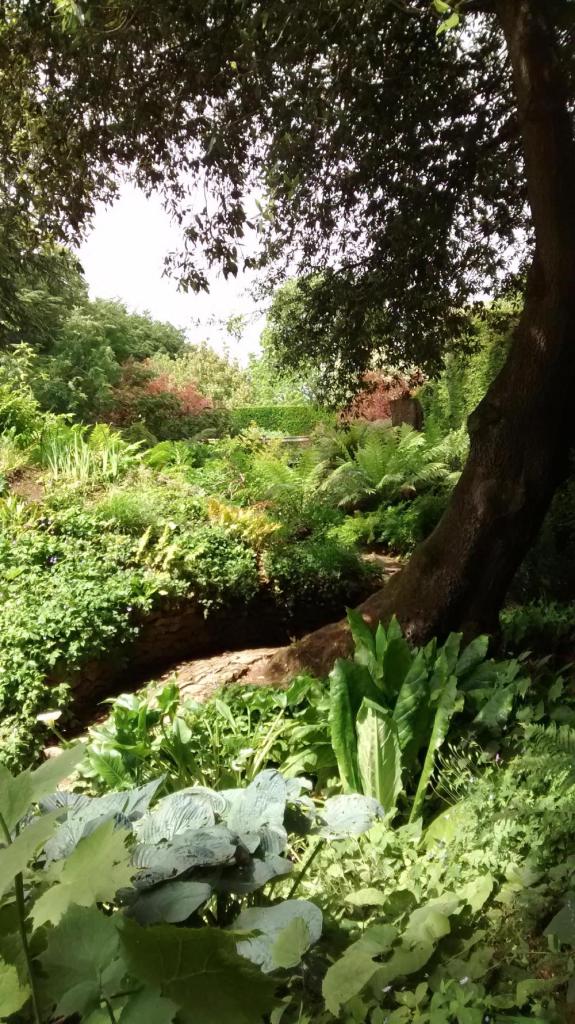
The weather pulled out all the stops for our tea party at Aberglasney. The gardens were looking beautiful in the sunshine………….

The afternoon tea was amazing, unlimited tea, delicious sandwiches and a wonderful selection of cakes catering to all tastes, and so many not one table was able to eat them all!

Everyone entered into the spirit of the occasion and came suitably attired in some amazing ‘mad’ hats.


A very successful and thoroughly enjoyable afternoon.


Plant Fair

A reminder to grow plants not only for the Cothi Gardeners plant stall but also for the Tombola as it will be operated on an ‘every ticket wins’ basis so we need lots of small plants.

Cakes will also be needed for the refreshments so please do sign up to make some if you can.

Volunteers still needed to help make the day run smoothly.

John will give us an update on planning progress at our next meeting in June.


Growing Challenge

Don’t forget to get your pot of flowers for pollinators going for our August social.


Kex, Lace, Poison,  Not quite an  A – Z of Umbellifers for the Garden

For our June meeting we welcome back Kari-Astri Davies who will be talking to us on this intriguing subject.  By this time of year the cow parsley which grows along our roadsides is almost over but you can make a similar, frothy effect in your garden by choosing others from the umbellifer family, angelica or fennel for example. The butterflies and bees love these plants too.


Wild Flower Walk and Orchid Count

Message from Helen Bradley from Plantlife:

This is a bit of a plea for help… we have our annual wildflower survey and orchid count coming up at our reserve near Lampeter,  Cae Blaen Dyffryn, on Saturday 16th June. Unfortunately despite having 12 volunteers last year, we only 2 have booked on this time. We could probably manage the survey part ok with small numbers but the orchid count will be tricky. So if anyone can spare some time to help it would be appreciated – particularly in the afternoon. If you are able to come along just complete this short form (here) and if you intend to come only for the morning or afternoon, just mention this in the ‘Anything we should be aware of’ box.


Monthly Tips

Seed Collection

Now is the perfect time to think of collecting seeds from lots of early flowering spring bulbs and plants – I’m thinking of things like Crocus, Snowdrops, Leucojums, Anemone blanda or Anemone nemorosa (Wood anemone). It’s easy to forget about doing this at a busy time of the year, but it’s the cheapest and simplest way of spreading them around. And if you don’t check now, you’ll miss the seedpods or seed heads. Once you’ve got the seed just scatter it straight away in appropriate places, and then forget about it. It might take a few years, and the survival rate might be modest, but they’ll pop up all over the place and delight you with new plants in new areas with little effort.

Watering

This is would have been quite unusual advice in the last 18 months, but it’s worth remembering to water recently sown seeds regularly to ensure good germination, if they’re outside or inside, and also try to water in greenhouses or polytunnels regularly to ensure good growth and avoid fruit splitting. I was really interested to read today that Keith Brown at Llangadog mentioned that he measured 2 inches of rain in his garden in April. Here we had over 6 inches. So it’s surprising just how variable rainfall can be just a few miles apart, in this part of the world.

Splitting Daffodils

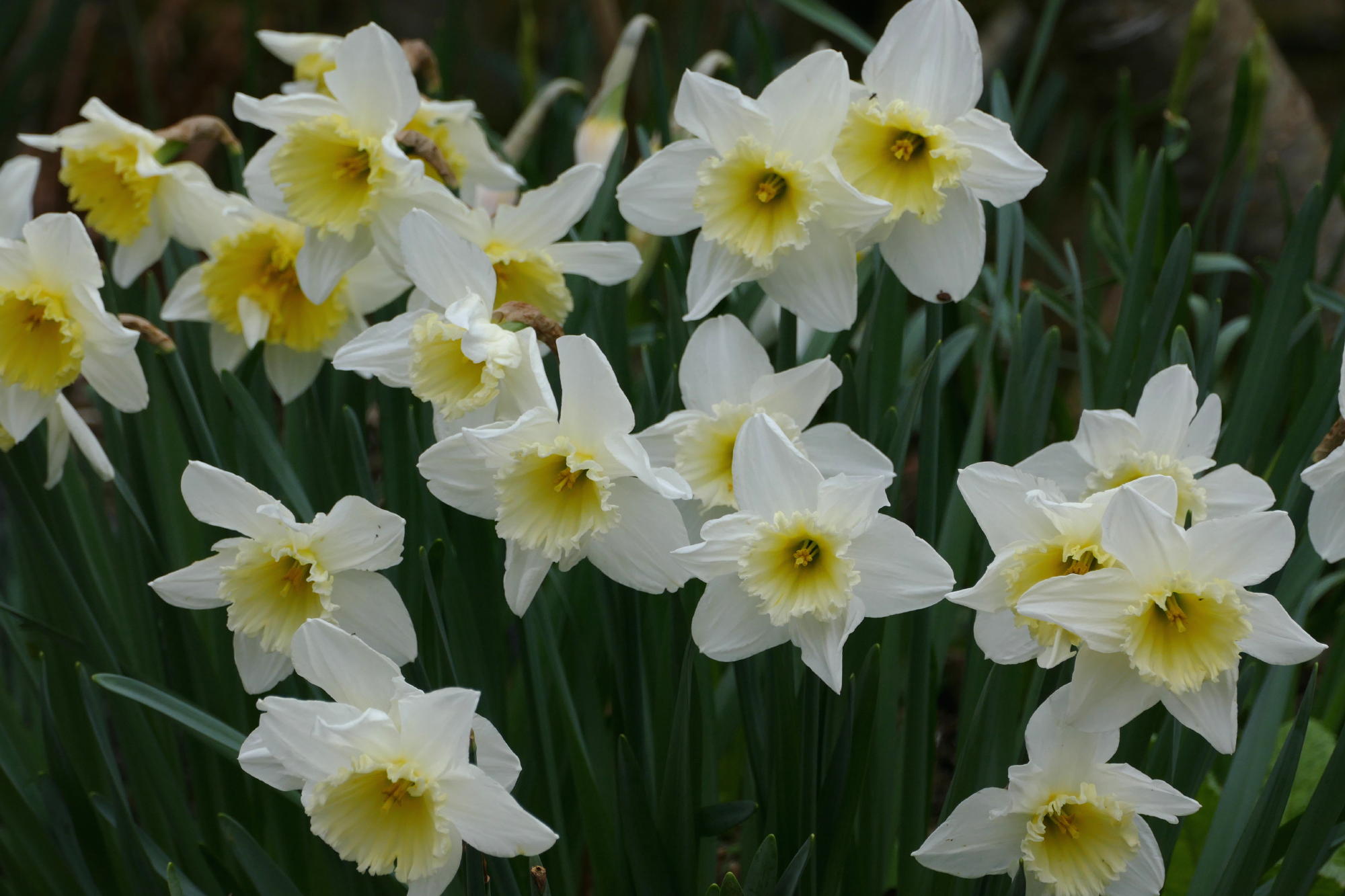
(From Fiona) It’s a good time to split daffodil clumps and move them around, just as the foliage is dying down. Again it’s easy to miss doing this in the rush of jobs to do in May. We usually do! But if you can manage it, at least you can find the bulbs more easily, and work out where to put them. Again worth watering them in well, if the ground’s dry.

Programme changes; Film Entertainment; Glorious Primulas; Mad Hats & Tea at Aberglasney

The Quiet American Gardener and Terry Walton

Following the last minute cancellation of Terry Walton’s talk to us last month due to family circumstances, we brought forward the film which was to be our November entertainment. The good news is that we won’t miss out on Terry’s talk as he has now confirmed that he will be able to come in November instead.

Hidcote Manor Garden

The film we watched, ‘The Quiet American Gardener’, was about the history and development of Hidcote Manor Garden by Major Lawrence Johnston. He was born into a wealthy American family of stockbrokers, which gave him the necessary funds to create this now revered English garden, once his mother had bought the Cotswold estate in the early twentieth century. It was passed to the National Trust in 1948 on his retirement to his estate, Serre de la Madone, on the French Riviera.

The film was a fascinating insight into how the garden evolved and the influences that played a part: Italian garden design, architectural perspectives and their manipulation to create a particular effect are some that come to mind. The love of the place was apparent in the way the more recent gardeners talked about it and how they were trying to restore the garden to how Lawrence Johnston envisaged it. Click here for a trailer and transcript of the film.


Richard Bramley talking about Primulas – Wednesday May 16th at 7.30pm.

Primula sieboldii at Farmyard Nurseries

Another speaker cancellation occurred for May. Fortunately Richard Bramley, a popular and entertaining regular for Cothi Gardeners, was able to step into the breach and will give us a talk on Primulas. Richard has developed a fabulous collection of Primula sieboldii for which he is in the process of applying for National Collection status, and will no doubt tell us much about these beautiful Spring plants along with others in the primula family. He will of course be bringing plants for sale. More info on his website for Farmyard Nurseries (click here).

Primula sieboldii at Farmyard Nurseries

Candelabra primula in a garden setting


Mad Hatter’s Tea Party at Aberglasney

There is a club outing to Aberglasney on Wednesday 6th June. Entry to the garden is at a reduced rate of £7.25 (free to members of Aberglasney) and the special afternoon tea (£12 per person) has been booked for 3.30pm.  Come early and enjoy this fabulous garden before sitting down to a  ‘proper tea’ with sandwiches, cakes and pretty china on the terrace overlooking the pool garden. Mad Hats to be worn (but not obligatory) to add to the entertainment! If you would like to join us but haven’t put your name down yet, there will be a list at the next meeting, or let Julian know directly. We need to give Aberglasney names  so that those attending can get the discounted rate.


Club Plant Stall

Now that we have had a welcome change in the weather (at last!) things have started to recover from the dreadful winter and spring. Do try and bring any surplus plants you may have to the next meeting for the club plant stall. The proceeds from the stall give a significant boost to club finances and all help both with supplying the plants and buying them is much appreciated.


Hardy Geraniums with Richard Cain; Media Allotmenteering with Terry Walton; Spring socialising with Cothi Gardeners…….

Richard Cain – Hardy Geraniums

Our March meeting was, sadly, the last one at which we will hear Richard Cain from Penlan Perennials as he is retiring in September. Richard has given us several entertaining and informative talks over the years on a variety of subjects and this one on Hardy Geraniums was no exception.

Erodium manescavii and Geranium sanguineum var. striatum

The Geranium genus includes

  1. Pelargoniums – not hardy annuals
  2. Erodiums – soft velvety foliage which doesn’t like wet conditions
  3. Geraniums – generally fully hardy to -25 Deg. C, although there are a few non-hardy types.


  • Appearance: they all have a crown of leaves at the centre but then can vary considerably from straggly stems to compact mounds. Leaves can be dissected, blotched and some are scented.
  • Smaller Geraniums can be vulnerable to winter wet when the crown can rot.
  • Species Geraniums only flower for 3 – 4 weeks as they attract pollinators and once pollinated, the flowers fade.
  • Hybrids have a longer flowering season as they are usually sterile.
  • There is a Geranium species for almost any site or situation! Eg Ground cover – G. macrorrizum; G. riversleaianum ‘Mavis Simpson’ (also flowers for 4 months). Shade – G. monacense, G. nodosum, G. phaeum, G. sylvaticum, G. versicolor & G. wlassovianum.

G. macrorrhizum

  • Most are pest and disease free and rabbit and deer resistant. However they are susceptible to vine weevil.
  • Thug like Geraniums such as G. oxonianum can be effectively controlled by cutting hard back before flowering has finished – this has the added benefit of encouraging a second flush later.
  • Many x hybrids are sterile but flowers are often larger and last longer eg  G. ‘Eureka Blue’, G.wallichianum ‘Crystal Lake’ and G. ‘Alan Mayes’ (like Magnificum but flowers for months).
  • Good plants for pollinators: usually have reflexed petals. G. sylvaticum, G. ‘Cloud Nine’. Hybrids and alpine varieties are not so good.

G. phaeum


Propagation:

  • Seed: collect when ripe – they usually go black. Hold seed head between fingers and put in a bag or the capsule will ‘explode’ scattering the seeds everywhere. Sow when fresh in vermiculite or coir (water before sowing) and cover with a very thin layer of vermiculite. Seeds can be kept in a bag in the fridge until ready to sow.
  • Division: do when dormant in spring. Pull off surplus compost, twist and pull crown apart. Tap off and replant.
  • Root cuttings: use this technique for sterile types and those with tap (carroty type)roots. Only take root cuttings when plant is dormant as if the sap is rising the cuttings won’t take. Use a root with fine roots on it. Note which way is up (cut lower end on an angle and top end flat). Take 1 ½ to 2” cuttings approx. the thickness of a pencil or more. It takes a year to get a small plant, success rate approx. 70 – 80 %.
  • Cuttings from rhizomes – take newish shoots from around the edge of the plant and gently tease apart. Balance top leafy growth and bottom root structure, removing leaves as necessary.
  • Stem cuttings: take these from the straggly stemmed Geraniums. Cuttings should be approx. 3-4” long. Peel basal leaves off. Cut square across under a leaf node, they should then produce roots at the node. Push into soil round the edge of a small pot.

We will miss being able to access Richard’s immense knowledge for future talks and wish him well for the next exciting phase of his life. Click here for his website


April Meeting

It’s hard enough getting those fiddly seeds into compost or trimming just the right side-shoots without holding your mobile phone to your ear and providing a running commentary to thousands of Radio 2 listeners at the same time.

If you haven’t already guessed, our speaker in April will be Terry Walton. “The Life of a Media Allotmenteer” promises to give us a look behind the scenes as Terry tells us about life on his allotment in the Rhondda and how he has given growing advice on the radio each month for over twelve years.

A gardener of over 40 years’ experience, Terry has worked plots on the same site since he was a boy, learning from his father and other allotment gardeners. Many of you will be familiar with his enthusiastic style, so do come along on April 18th to meet Terry. Mobile phones not necessary! Click here for his facebook page.

Guests and visitors welcome, £3, to include refreshments. The talk begins at 7.30pm.


Spring Social

We now have a date for a spring social – which will be very kindly hosted by Elena, for a lunch gathering at her home Glanranell Barns on Wednesday May 9th. 

Please bring a plate of food to share, and to ease parking issues, it would be good to car share if possible.


Plant Fair

Another reminder to put your names down for helping out with the plant fair – sheets for signing are on the meet and greet table at our meetings


NGS Garden Opening

Gelli Uchaf Garden

This year’s final opening weekend for Julian and Fiona’s garden, Gelli Uchaf is 21st and 22nd April. There are still some spaces left for the Saturday afternoon (2.30pm) and Sunday morning (10.30am). Contact them to book in : 01558  685119


TOPICAL TIPS

It’s probably still OK to cut back any Viticella, or later flowering Clematis, if you didn’t manage to do it in February, since there’s been so little growth so far this year.

Also Fiona’s tip is it’s not too late to take willow wands for making green sculptures or plant supports.


Finally if you’ve got any nectarines or apricots flowering under cover, don’t forget that there are very few pollinators around, or certainly not many that will make it into a greenhouse or polytunnel, unless you have a very nearby honeybee hive, so it’s worth hand pollinating the flowers – Julian uses a feather rammed into the end of a cane, to reach those high up flowers.


Pies, Bumblebees, Topical Tips and Events


After another excellent pie night at the Dolaucothi – sadly our last with Dave and Esther as they move on to pastures new, we enjoyed our first talk of the year given by Clare Flynn from the Bumblebee Conservation Trust on the Plight of the Bumblebee. It proved to be one of the best talks we have had with much post talk discussion.

The Plight of the Bumblebee

Clare took us through how bees evolved from wasps, the different types of bee species (approx. 275 native species in total of which there are 245 solitary bees, 24 bumbles and 1 honey bee species). We learnt about the differences between the different types, their lifecycles (bumble bee colonies die at the end of the year with the exception of the queens who hibernate and emerge in spring to start a new colony), Cuckoo bumble bees, the commonest types and how to try and identify them – not always easy! Click here for more information.    She then went on to talk about the decline of bumblebees both in numbers (2 species are extinct in the UK and 2 are on the brink) and range, the causes of this decline–

  • Habitat loss
  • Intensification of farming with increased use of pesticides, herbicides and fertilizers, loss of hedgerows, heavy grazing, loss of 98% of the flower-rich grasslands since 1940
  • Agrochemicals – harm non target species, chronic exposure, cumulative effects
  • Pathogens – global movement with commercial colonies imported which escape/are released and spread disease through shared flowers.

Important as pollinators (honey bees can’t do it all!) for

  • commercial crops,
  • domestic food,
  • wildflowers
  • every 3rd mouthful comes from insect pollinated food
  • bumble bees are one of the most efficient pollinators
  • bumble bees are the only insect able to ‘buzz pollinate’ essential for crops such as tomatoes.
  • They are also important for their intrinsic value.

Clare then ended with ways we can help:

  • Habitat – gardens are very important
  • Plant bee friendly flowers
  • Plant flowers to give continuity of forage from March through to October
  • Create nesting sites
  • Create hibernation sites
  • Plant in swathes rather than singly
  • Plant different plants for different bumble bees

and why this should worry us.

Examples of good plants for bumblebees:

Spring: crocus, willow, dandelions, flowering currant, comfrey, pulmonaria, spurge, fruit trees

Early summer: Cranesbill, herbs, clover, bugle, currants, soft fruits, borage, dead nettle, cornflower

Summer: lavatera, weigela, eryngium, sunflowers, stachys, tansy, echinacaea, verbena bonariensis, open, single roses, lavender
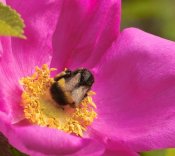
Late summer: Knapweed, wild carrot, borage, asters, late raspberries, bramble

More can be found on the Bumblebee Conservation Trusts website (click here). Julian has also observed over several years the plants in Gelli Uchaf’s garden that pollinators, including bumblebees, favour. (Click here)

The following is taken from the bumble bee conservation website and is something that gardeners should be aware of : Recent research into garden centre plants has found that some ornamental plants on sale can contain pesticides, including neonicotinoids and fungicides at levels known to cause sub-lethal harm to bees. Although we do not yet know whether the net effect of exposing pollinators to contaminated food plants is positive or negative, gardeners wishing to lower the risk of exposing bees to these chemicals can buy from organic nurseries, plant swap with others, and or grow their own plants from seed.

Much more information is available on the bumblebee conservation’s excellent website: https://www.bumblebeeconservation.org/

Plant Fair

Arrangements for our plant fair are coming along well, many thanks to John for all his hard work. We are now at the stage when we need members to come forward and offer help. A sheet for you to do this will be on the meet and greet table at all our meetings. We now have a separate page on the website giving more details about the fair so do keep checking for any updates (click here).

Growing Challenge

A reminder that the member’s medley/plant challenge for the August meeting will be to grow something in a pot which you can bring along on the night, and which is attractive to pollinating insects, and then maybe tell us a little about it, and what you’ve seen visiting the flowers. We’ll hopefully confirm a member’s home as a venue to host this event shortly, but as with last year, we’ll have a fall back of the hall, if the forecast looks poor, and/or numbers attending are too great.


Topical tips

Tip 1 (from Julian): A top tip for the whole of February, and indeed any rare dry sunny weather in January as well, involves using my most valuable garden tool. – A fine artist’s paintbrush.

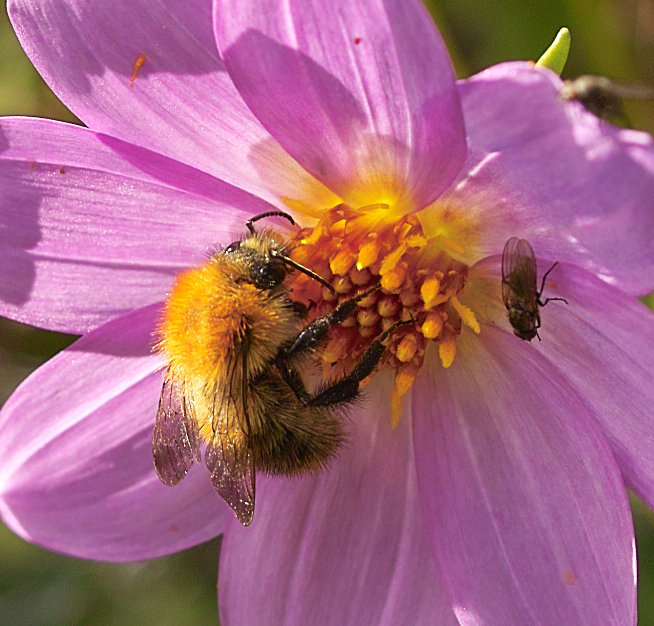
Anyone who came to either our garden NGS open weekend on Saturday/Sunday or indeed the committee meeting knows why.  As Mark jokily summarised it, it’s for my Sex with Cyclamen encounters. I’ve spent years looking at the early flowering spring bulbs in our garden, and what insects actually visit them to pollinate them. And for us, before about the third week in February – there are no bumblebees about. And with perfect timing I yesterday heard and then saw our first emerged bumblebee queen of the year visiting Crocus tommasinianus flowers, complete with hordes of mites, looking almost as desperate for some spring warmth and sunshine as we are! Also if you don’t have a honeybee hive actually in your garden or very close by then you’re unlikely to have any of them around either. Many of these spring flowers have a Mediterranean origin, but as you know we don’t have a similar climate, or insect population in this part of the world. But a lot of these bulbs or corms – if they’re not sterile hybrids – are quite capable of setting seed if they flower this early, just so long as they do get pollinated.

But if there aren’t any insects around then this clearly won’t happen, unless you help them out. So an hour or 2 spent now stooped over the flowers with a paintbrush tickling the flowers might worry your neighbours, but really can result in thousands of viable seeds later in the year. In addition you’re eventually likely to end up with a population of plants – (whether they’re Crocus, Cyclamen coum or even Snowdrops  – you can use it on all 3 plants) – which will flower earlier and are likely to thrive in your garden’s conditions – compared with bought in plants.

And finally you’ll then value the work that pollinating insects do for us much more highly!!If you just rely on later insect population you will probably end up with a population of these flowers with a much narrower period of flowering, based on the nursery bred plants you started off with. Pretty much as soon as I spot a few bumblebees, I put the brush away, so you’re not depriving them of any valuable pollen.

Tip 2: It’s still a good time of the year to lift and divide any clumps of snowdrops. This is really the best, and only, reliable way to gradually end up with a better display each year. But I would pause if we’re heading into a prolonged dry spell with freezing Easterlies. So maybe for now hold fire and wait until wet weather returns….. I’m sure you won’t have to wait too long…. Plant them singly if you’ve got a big area to cover and are patient, or in 2’s or 3’s about 4 inches apart and 2 inches deep if you’re in more of a hurry to get a small area nicely covered.

Tip 3: Donna recommended Charles Dowding on No Dig veggie gardening videos on YouTube – click here for his website http://www.charlesdowding.co.uk


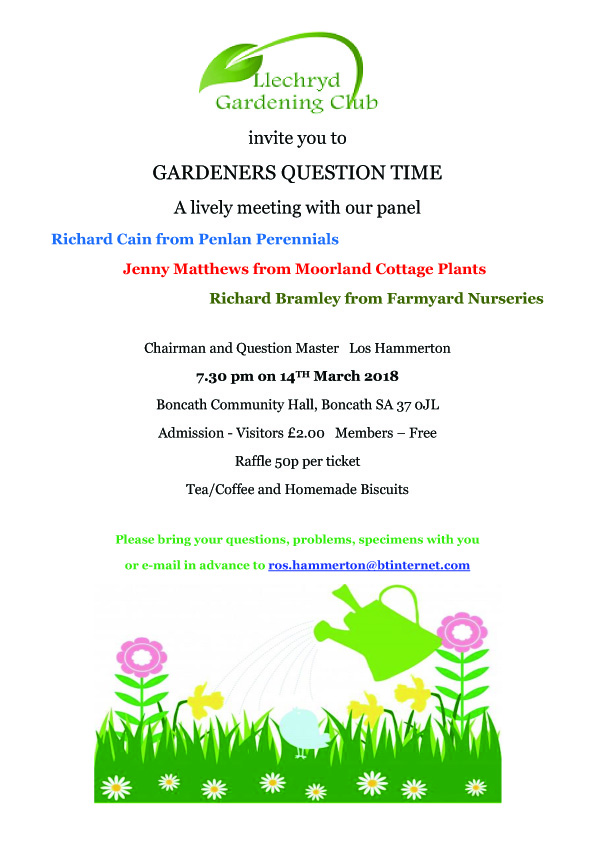
Finally a reminder that Lechryd Gardening Club are holding their own version of ‘Gardener’s Question Time’ on 14th March starting at 7.30pm at Boncath Community Hall. Everyone is welcome, £2 for visitors.

 

AGM; SNOWDROP AUCTION & QUIZ; INAUGURAL PLANT FAIR; BUMBLEBEES & PYO WILLOW

AGM

The club AGM was held on January 17th and was very well attended with an excellent turnout of current members plus some new ones joining on the night. The chairman and treasurer’s reports indicated that the club is thriving but the point was made that we shouldn’t rest on our laurels but should actively encourage others to join. Thanks were given to retiring committee members, Avril and Jenny, for their hard work over the last 3 years.


Snowdrop Auction and Quiz

Once the business part of the meeting was finished Julian took up his meat tenderizer, sorry, ‘Gavel’,  to conduct an auction of snowdrops. This proved to be a highly amusing event and raised over £60 for club funds. Grateful thanks to Julian and Fiona for donating the snowdrops.


Food was next on our minds and we all enjoyed the varied offerings brought for our sharing supper.

With appetites satisfied we girded our loins and attempted to get our brains in gear for Derek’s quiz. He assured us it was easy this year with all answers some kind of plant. We were deceived! Plants ? Certainly. Easy ? ?? Nonetheless it was great fun and enjoyed by all.


Stumped?


Cothi Gardeners Plant Fair Sunday, July 8th 2018

The planning for our inaugural plant fair is progressing well. The date is confirmed, excellent nurseries, growers and other participants are booked. Detailed organisation for the day itself will need the active participation of all members to make it run smoothly and successfully so PLEASE PUT IT IN YOUR DIARIES NOW and be prepared to be involved! More on what this will entail at our next meeting in February.


“The Plight of the Bumble Bee” , Wednesday, February 21st.

“The Plight of the Bumble Bee” will be presented by Clare Flynn from the Bumble Bee Conservation Trust. This is a charity doing excellent work and research across Britain. Click here for more info.


Cut-your-own willow – January 2018 – available for approx. 6 weeks.

Donna has basket makers’ willow ready for cutting. Varieties include:  Fantail, Continental Purple and Golden. No charge, but I’d happily swap for a small basket! Please phone Donna, 01558 685717

Fantail: A vigorous ornamental willow known for its curiously flattened, recurved stems used in floral arrangements.  Click here for more info.

Continental Purple: Tall, with dark purple to mahogany stems, and a beautiful but very delicate pale purple bloom on the bark. Click here for more info.

Golden: A spreading medium-sized deciduous tree with bright deep yellow shoots bearing narrowly-lanceolate mid-green leaves and insignificant, slender yellowish catkins in early spring. Click here for more info.


Farewell 2017, and a Happy New Year to all for 2018

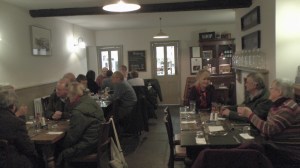
Christmas Social and Buffet

Our last event for 2017 was the Christmas meal and get together at the Dolaucothi Arms. In spite of the weather doing it’s best to thwart the event with excessive snowfalls the weekend before, the thaw set in in time for everyone to make it.


This year we opted to have an evening do to accommodate those members who work and are therefore unable to come to a lunchtime meal. We also opted to try the buffet format as our numbers have increased to the point that a sit-down meal is less easy to manage.

It proved to be one of our most enjoyable Christmas meetings, the food was excellent with both hot and cold options and plenty of it! Seating was much more relaxed, less cramped and folk were able to move round and chat to different people more easily. All in all a resounding success and our grateful thanks to Dave and Esther and their staff for their warm welcome and hard work to make it so.

(My apologies, there are no embarrassing photos as I forgot my camera!)


AGM, Snowdrop Auction, Supper and Quiz

2018 kicks off with our AGM. Once the official business (usually mercifully brief!) has been dealt with we will be having a mini auction of a few snowdrops for club funds. Julian & Fiona are kindly donating these and the photo below shows some of the snowdrops they had in flower on New Year’s Day – each flower in the photo is a different variety.


Click here to see a guide on how they grow theirs,  plus pictures of many of them which will (hopefully) show that there’s a bit more to snowdrop forms than you might think! After the auction we will enjoy our ‘bring a plate to share’ supper and finish up with Derek’s light-hearted  quiz.

The AGM is a members only meeting but if anyone wishes to become a member and join on the night they would be very welcome.


2018 Programme

The 2018 programme finer details have almost been sorted and programmes will be available from our February meeting. In the meantime take a look at what is in store for us on the website programme page (click here). A big thank you to Brenda and Yvonne for doing such sterling work as our programme secretaries.

Our first open meeting is on Wednesday, February 21st. “The Plight of the Bumble Bee” will be presented by Clare Flynn from the Bumble Bee Conservation Trust. This is a charity doing excellent work and research across Britain. Click here for more info.


BACK COPIES OF GARDENING MAGAZINES

We have back copies of the following magazines available for a small donation to club funds for anyone who would like them. Nearly all are from 2016:

  • Gardens Illustrated
  • The English Garden
  • RHS The Garden

If anyone is interested email Julian and Fiona at cothigardeneers@gmail.com, and we will bring them along to the next meeting.


Upcoming Events Not to be Missed!

Two events which are no doubt already in your diaries……….

First off is our big speaker meeting with Bob Brown of Cotswold Garden Flowers  (preceded by Pie Night at the Dolaucothi Arms) ……….

………….. and that is quickly followed John and Helen’s plant sale. This goes from strength to strength this year with Keith Brown selling plants as well as (it is rumoured) his friendsTony and Sylvia Marden, from Shady Plants in Gloucestershire.

Pies; Big Sky Penstemons and Salvias; More Pies and Bob Brown; Christmas Meal

PIE NIGHT

After our successful and hugely enjoyable summer social in August many club members enjoyed another convivial get together for Pie Night at the Dolaucothi Arms before our September meeting. These get-togethers are an excellent way to get to know fellow members in a relaxed setting so make the most of them while you can as after Dave and Esther move on in April they may not exist!


The meeting was again well attended and we had an entertaining and informative talk by Vicki Weston from Big Sky Plants on Penstemons and Salvias.

Vicki told us how she came to be growing these lovely plants at her nursery near Aberystwyth via the Isle of Wight, Yorkshire and Tregaron – a history that was full of many trials and tribulations and made her stamina and determination to succeed all the more impressive.


Pentemons: Why grow them?

  • very long flowering
  • mostly ignored by molluscs
  • don’t need staking
  • very wide colour range
  • huge range – alpine to back of border, over 250 in family
  • easy to propogate
  • good cut flower

Hardiness: this depends on where and how they are planted, although some are more hardy than others and it is advisable to buy from specialists to avoid mistakes. Usually the narrower the leaf the hardier the plant (See list later in post)

Ideal Conditions:

  • well drained – wet winter feet will kill!
  • sunny but will tolerate some shade
  • out of strong, drying winds
  • plant 2′ apart for large ones, the rest 15 – 18″
  • do not cut back in Autumn, wait until Spring
  • dead head through season to keep display going

Propogation: Vicki does hers from cuttings from non flowering stems which she puts in terracotta bowls covered with plastic lids and placed on soil warming cables. She uses a mix of ½ compost and ½ vermiculite. The cuttings need to be kept moist (sprayed twice a day) and can root in 4-5 weeks.

Pests: Eelworm – evidence of eelworm: blotchy leaves, slow growth, yellowing tips. Unfortunately there are no solutions other than burning including the pot!

Sadly due to Eelworm which devastated her collection, Vicki hadn’t been able to bring any Penstemons to show us. She is hoping to restock soon.

Salvias: from the latin salvare = to heal, these are a huge family – over 900+ species and occur all over the world with both hardy and tender varieties. Vicki’s advice for growing salvias:

  • plant in well drained soil
  • sunny position
  • shelter for borderline types
  • pots for tender varieties and then frost free
  • don’t cut down until Spring
  • can be grown from seed eg Scabra and Blue Queen
  • cuttings taken from non flowering shoots
  • good companion plants are Asters, Japanese Anemones, Hesperantha, Chrysanthemums, Zinnias amongst others

Vicki’s final message was to

BUY LOCAL, BUY BRITISH and SUPPORT SMALL NURSERIES

Check out her website and ebay shop for a selection of plants for sale and her cut flowers

The following is a list of varieties Vicki supplied on the night which she descibed as ‘not an exhaustive list but from my own experience’

PENSTEMONS – not an exhaustive list but from my own experience

HARDY: Garnet (large), Just Jayne Evelyn (large), Hidcote, Laura, Catherine de la Mare (sprawler), Arctic Fox, Sour Grapes, Cherry, Penstemon Hirsutus, Appleblossom

LESS HARDY: All very large flowered varieties eg Osprey, Amelia Jane

SALVIAS

HARDY: Hot Lips, Royal Bumble, Nachtvlinder (deep purple), Pink Blush, Cerro Potosi (very tough), Peter Vidgeon (AGM), Joy, Lycoides (hardy to -12), Uliginosa, Nemerosa, Sylvestris, Scabra, Somalensis (1st year so not been through a winter yet), Atrocyanea (also 1st year so not been through a winter yet)

BORDERLINE (can cope down to -4 for short periods): Corrugata, Leucantha, Fulgens

TENDER: Involucrata, Mulberry Jam, Patens, Wendys Wish.


OCTOBER MEETING – BOB BROWN ‘To many plants, too little space’


This is our ‘big speaker’ event so do try and make it if you can. Do let us know, if you haven’t already, so that we have an idea of numbers. We are inviting as many local gardening clubs as possible and we already know that some visitors are coming a considerable distance, so hopefully we will have a good number there.

  • It’s free to members, £5 for visitors.
  • The doors are going to open at 6.45 pm, preceded by an early pie night details of which will be circulated nearer the time.
  • there will be tea/coffee and CAKES/BISCUITS for everyone so please members, put your baking hats on and bring them on the night
  • We’re going to be holding a raffle on the night – there should be some good prizes, so do support this as another way of raising club funds.
  • There won’t be a club plant stall, or topical tips for this meeting.
  • Access will be via the rear door to ease congestion.

CHRISTMAS MEAL

Our December social meeting will be an evening buffet at the Dolaucothi Arms. Menu and cost to follow, but the date will be Wednesday December 13th, probably meeting at about 6.30 pm for a 6.45 to 7 pm start. If you can’t make the Bob Brown meeting, but would like to come to this Christmas meal, do let Julian know so he can add you to the list of numbers to pass onto Dave and Esther.


Vicki Weston of Big Sky Plants; Summer Social and Growing Challenge; Bob Brown; Updates and Forthcoming Events

Vicki Weston of Big Sky Plants talking about ‘Penstemons and Salvias’  – 20th September at 7.30pm

Flower Border – Photo courtesy of Big Sky Plants

Vicki runs a nursery and smallholding  located on the top of a mountain in Ceredigion. (click here for her website) She specialises in perennials, especially Penstemons and shrubby Salvias. She grows most of her plants from seed, division or cuttings so they should all be well adapted to the west Wales climate. Plants will be available for sale.


Summer Social and Growing Challenge

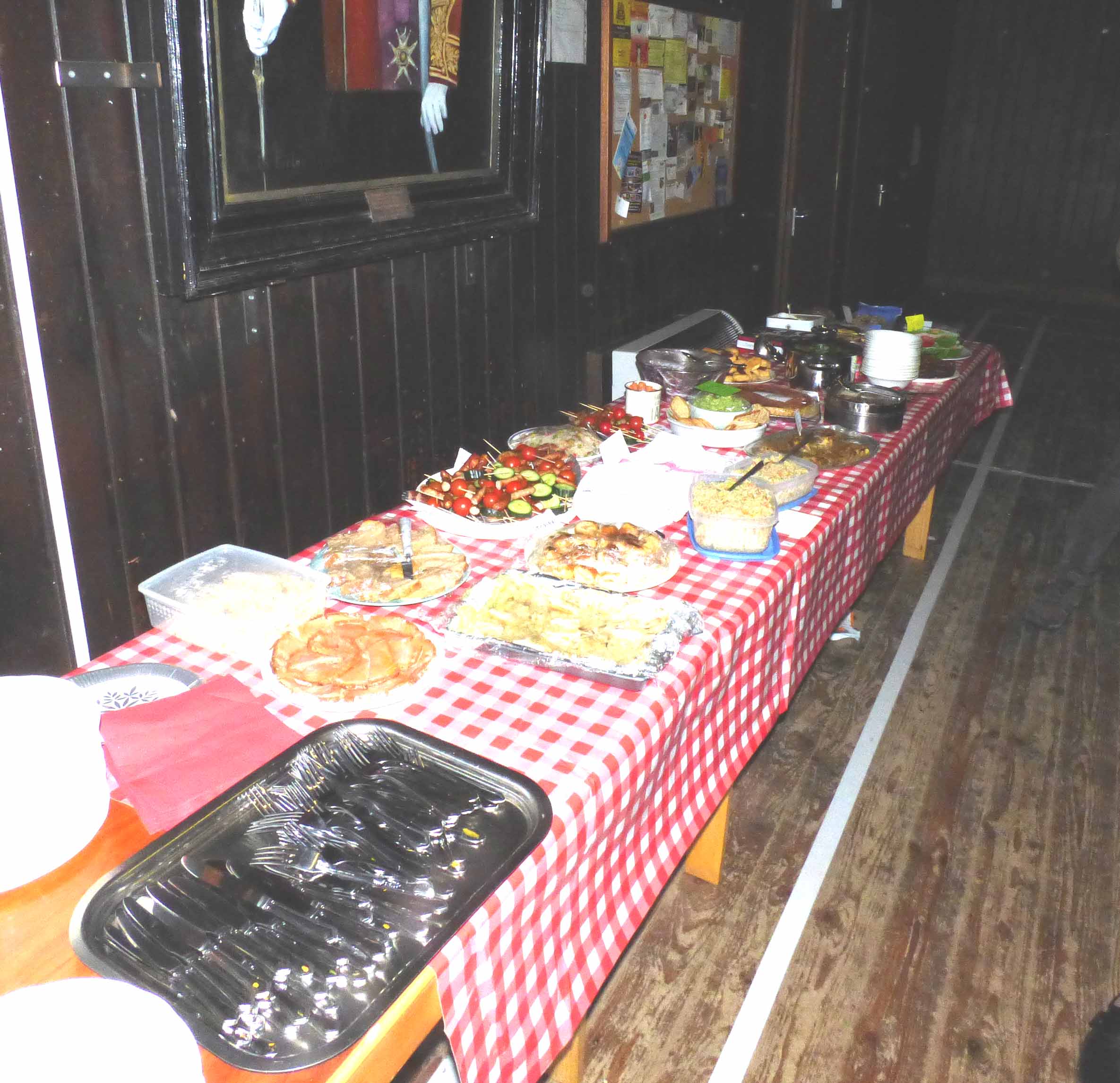
This year our summer social was held at Gelli Uchaf, the home of Julian and Fiona Wormald. Although the weather did not smile – in fact it tipped down – the atmosphere inside was warm, comfortable and friendly and the evening went with a swing.

The growing challenge this year was for members to bring to the social some food they had cooked/ made from something they had grown in their garden. Many rose to the occasion and we were spoilt with a wonderful array of savouries and desserts – home-grown and made sausages, pizzas and salads, peach muffins, cheesecake and rhubarb crumble to name but a few.


Bob Brown Meeting

As most of you will be aware, our October meeting is the ‘big one’ of the year with speaker Bob Brown coming to talk on ‘Too many plants, too little space’. Posters will be available at the September meeting for anyone to take who can find somewhere to put one.

Offers of help for the night will also be gratefully received – tea/coffee serving, putting out chairs, clearing up, etc. More details at the next meeting.


Ty’r Maes NGS Open Day, 6 August 2017

Despite experiencing our first wet Open Day in 9 years, visitor numbers held up very well, and a good time was had by all.  Very many thanks to everyone who made it such a great event and helped us to raise over £700 for the NGS – too many to name individually, but we certainly couldn’t have done it without your help and fantastic cakes.  As usual, a donation goes to Cothi Gardeners with heartfelt thanks to all.  John and Helen.


Forthcoming Events

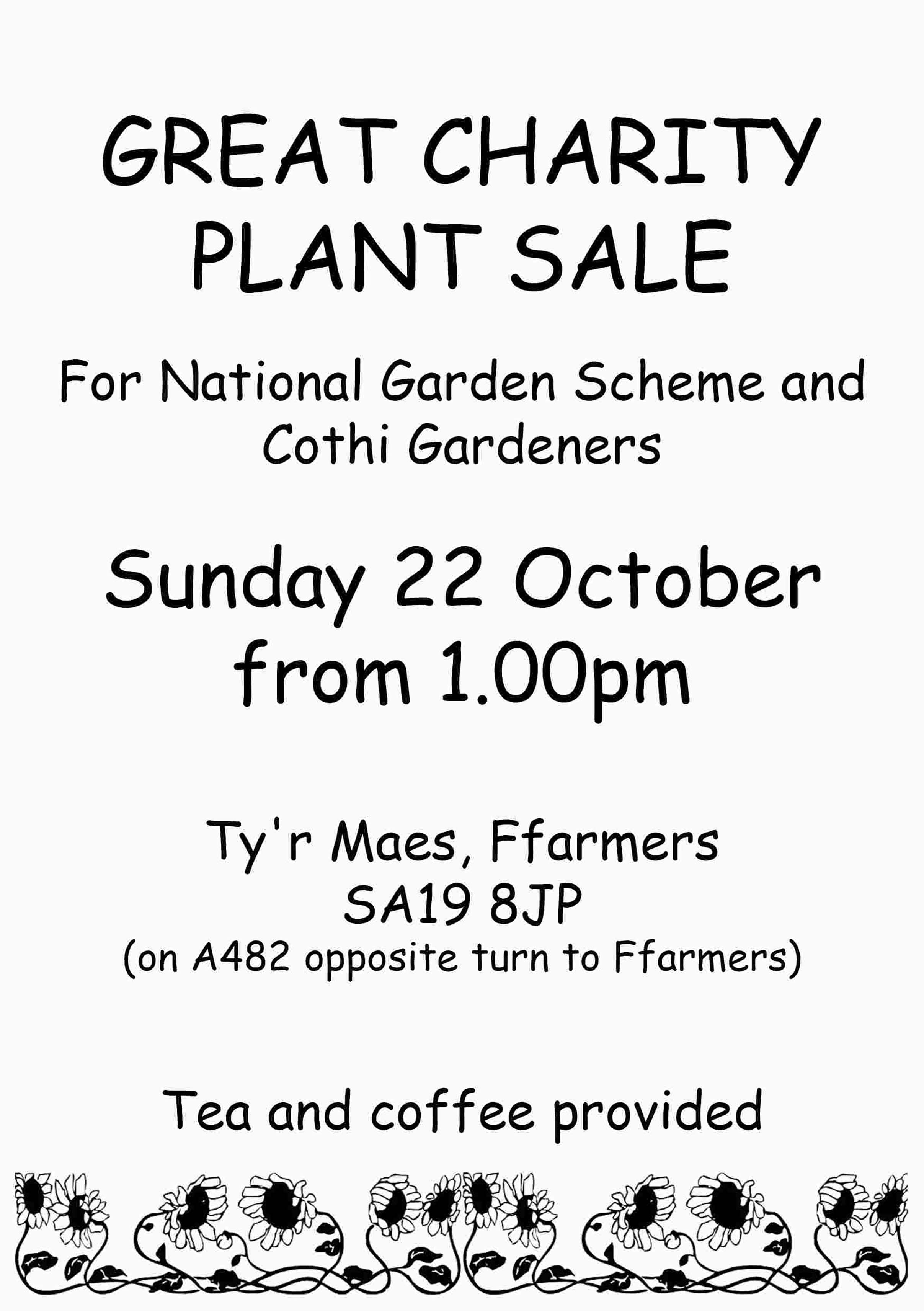
GREAT CHARITY PLANT SALE

For National Garden Scheme and Cothi Gardeners

Sunday 22 October, form 1.00pm

Ty’r Maes, Ffarmers SA19 8JP (on A482 opposite turn to Ffarmers)

Tea and coffee provided


Drefach Felindre Gardening Club (DFGC) Open Meeting 2017

DFGC would like to invite members of Cothi Gardeners to their Open Meeting on Wednesday 4th October at 7.30pm in the Red Dragon Hall.

John Shipton of Shipton Bulbs will give a talk on “Plants of Western China”. Refreshments will be provided at the end of the meeting.