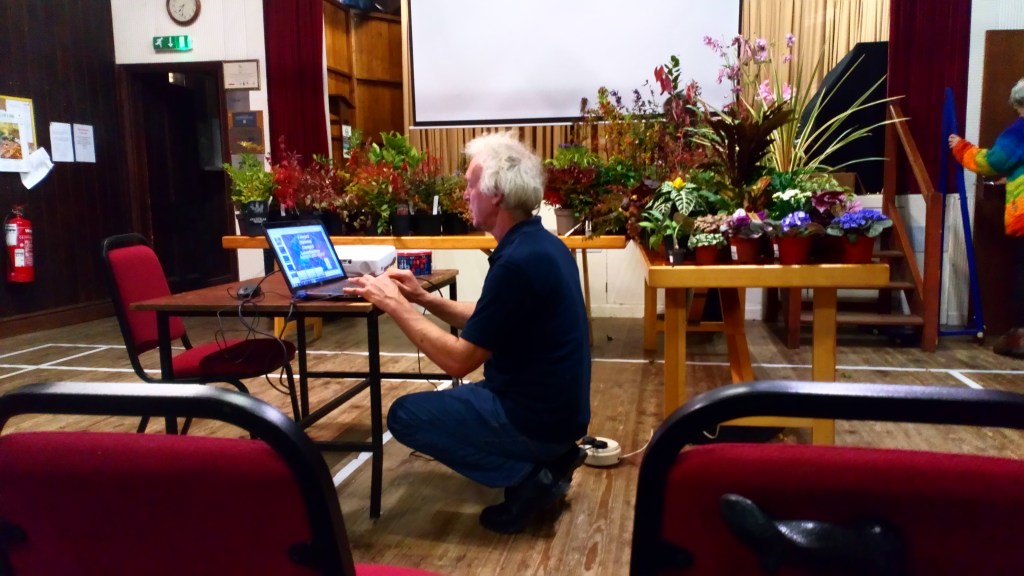
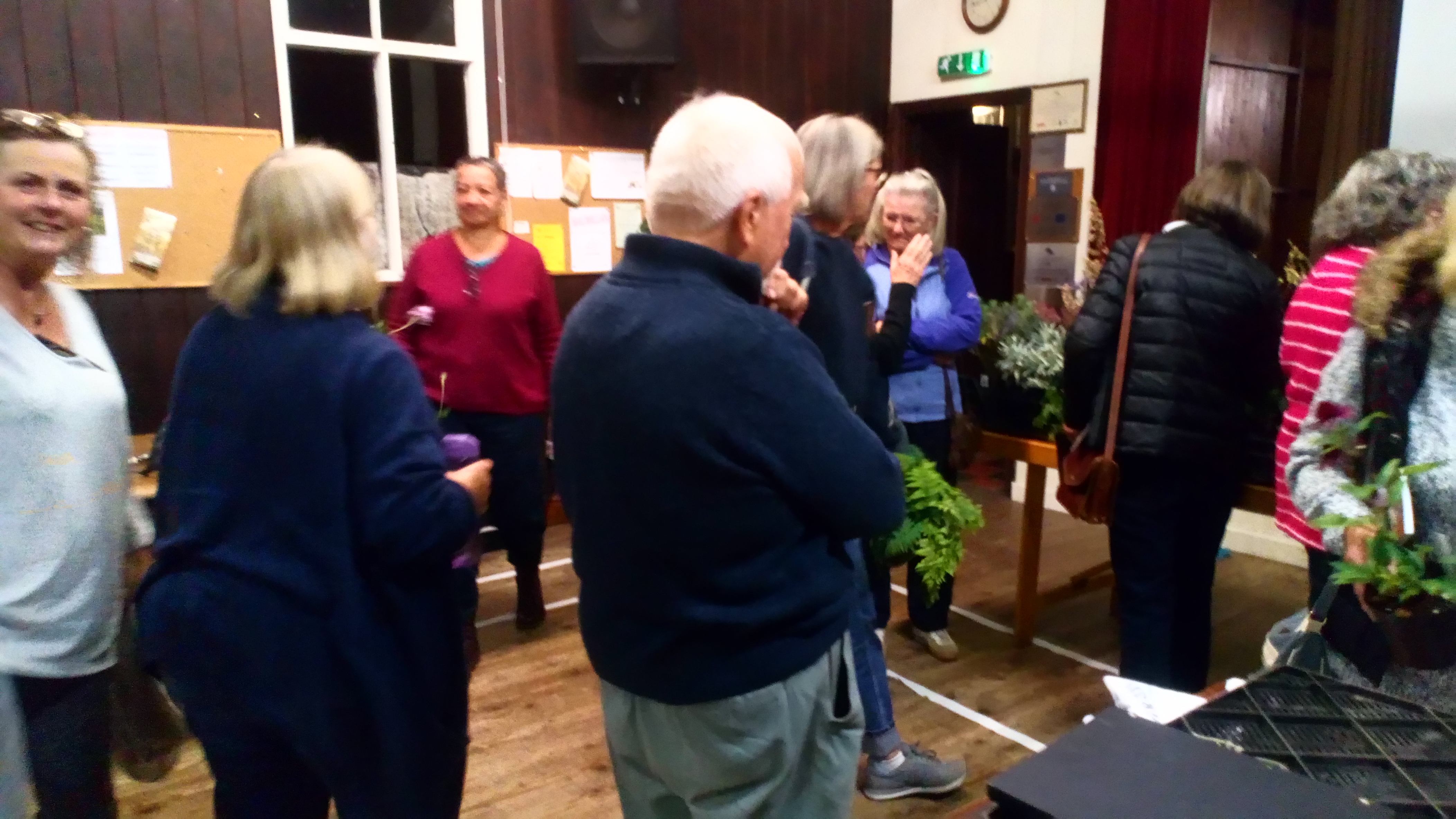
During the Covid-19 lockdowns of 2020-21, the Zoom talks organised by Fiona Wormald in lieu of our in-person meetings were a beacon of light which helped to lift the gloom of the general isolation. This repeated Zoom talk at our November meeting was shown in our meeting hall so that we could all enjoy for a second time what was a fascinating talk with the added benefit of social interaction, tea and biscuits!
Timothy Walker is a highly respected British botanist who was the Director of The Oxford Botanic Garden and Harcourt Aboretum from 1988 – 2014. He is passionate about plants, particularly regarding conservation and pollination, and is the author of several books on these subjects.
The talk began with with a quote from Charles Darwin in his ‘Origin of Species’ where he identified the relationship between the flower and the bee, and how they were perfectly adapted to each other, describing “pollination biology”. One of the many ways in which this was demonstrated was with the orchid, where a visiting hawk moth was able to reach over 12 inches into the flower in order to obtain the nectar. So, it was pointed out, not only did the moth end up with food, it also helped with pollination by dusting itself with pollen as it left which was then transferred to the next orchid it visited.
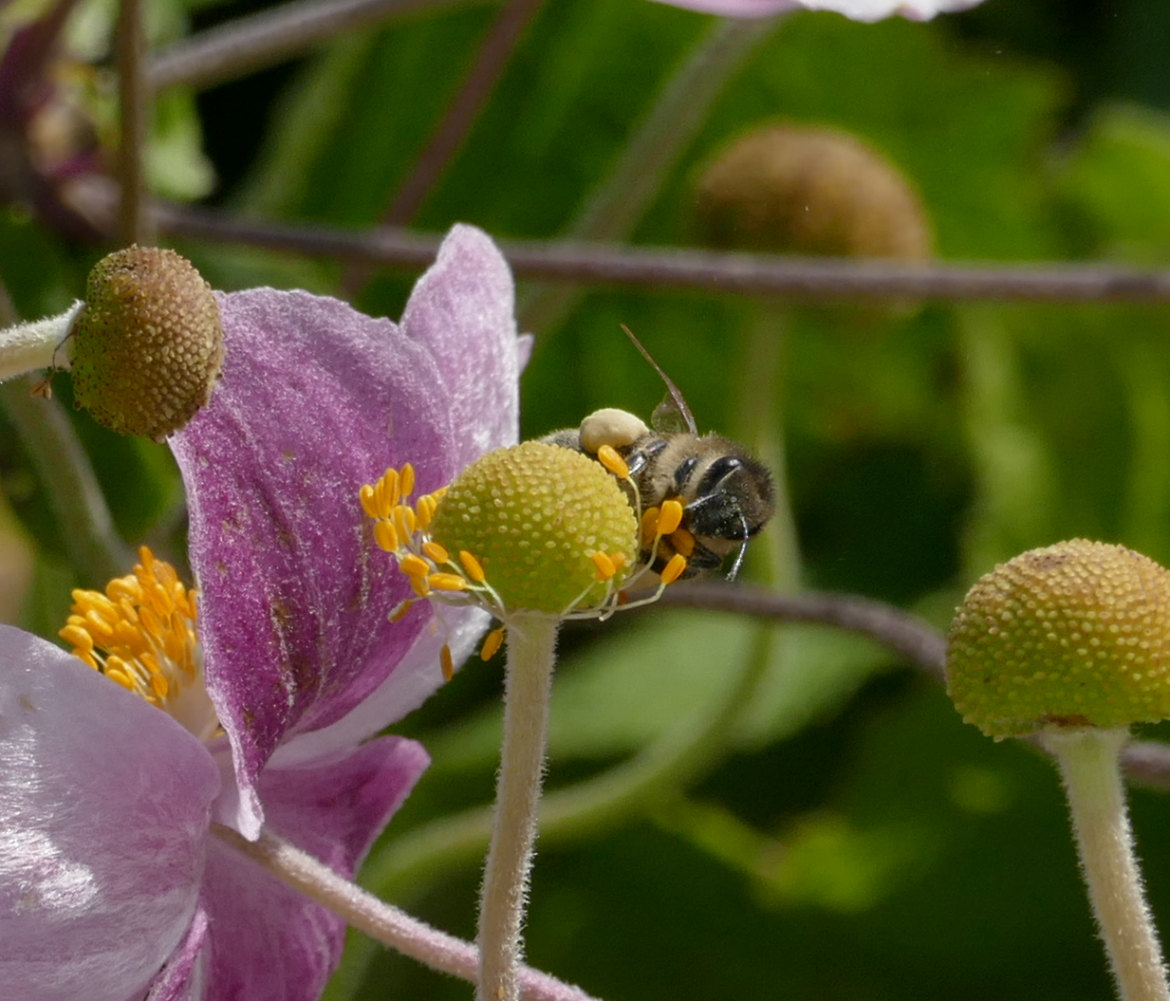
Pollen grains are different on each variety of plant, and fertilisation will generally only work when pollen of one variety is transferred from the anthers (male) to the stigma (female) of another plant of the same variety. Moving the pollen from one plant to another occurs via animals, insects, wind and (rarely) water. Even slugs can be pollinators (!), but not often. Plants have different ways of attracting pollinators, such as colour and scent, (though some use both, plus pattern); some, such as a number of trees, produce catkins where the pollen is then blown away to hopefully land on another catkin. The birch tree cleverly has a flap on the flower which protects the catkin and opens on landing, thus preventing random spillage of the seed. There are plants which actually inject pollen into the atmosphere. Grasses are almost always blown on the wind with only very few, such as the Canadian Pondweed, using water as a vehicle. Around 87% of water plant pollination is done by animal life, the majority being bees and wasps.
Night-flowering plants (such as nicotiana and night-scented stock) are hard wired to attract (mostly) moths via scent. Again, a short proboscis is catered for with a short pollen tube (or it could be the other way round!). The same theory applies to butterflies.
Birds obviously help with pollination and they particularly favour red flowers, although they also see UV colours; bats help as well, although they are quite clumsy and throw stuff around a bit.
Pollen is a highly nutritious substance and the whole organisation of fertilisation runs on a reward or bribe system benefitting both parties. The fig is a clever example of pollination where the fig flower is hidden inside what is effectively a brood chamber and a female wasp enters through a hole. She lays eggs; the male wasps hatch first and fertilise the unborn female wasps, create exit tunnels for those female wasps to move on to the next fig, and then die. Thus, if humans eat the fig they also eat the poor dead male wasps – not a reward for them but probably extra protein for the human!
Victoria amazonica is a South American water lily, which attracts a beetle of the Scarabaeidae family; it crawls into the flower, eats so much pollen that it gets drunk & is then too confused to remember its way home, eventually leaving the flower only to stagger on to the next one. Hopefully the wife (or husband) doesn’t possess a rolling pin otherwise there will be trouble!
There are, however, flowers that don’t smell good at all (to humans anyway), such as Dracunculus vulgaris, which smells like rotting meat and Helicadiceros muscivorus (or Dead horse Arum, which is probably a clue). These plants are largely pollinated by flies.
This really interesting Zoom talk by Timothy was just as entertaining the second time around, very well put together and certainly educational.
John and Helen’s October Plant Swap and Sale
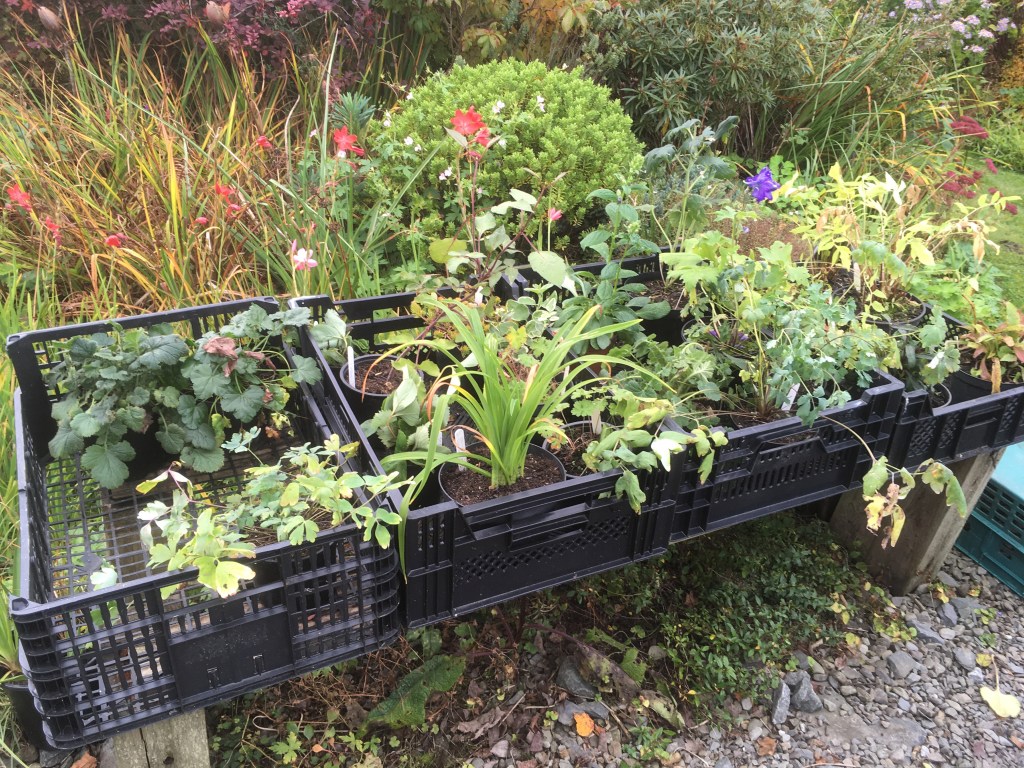
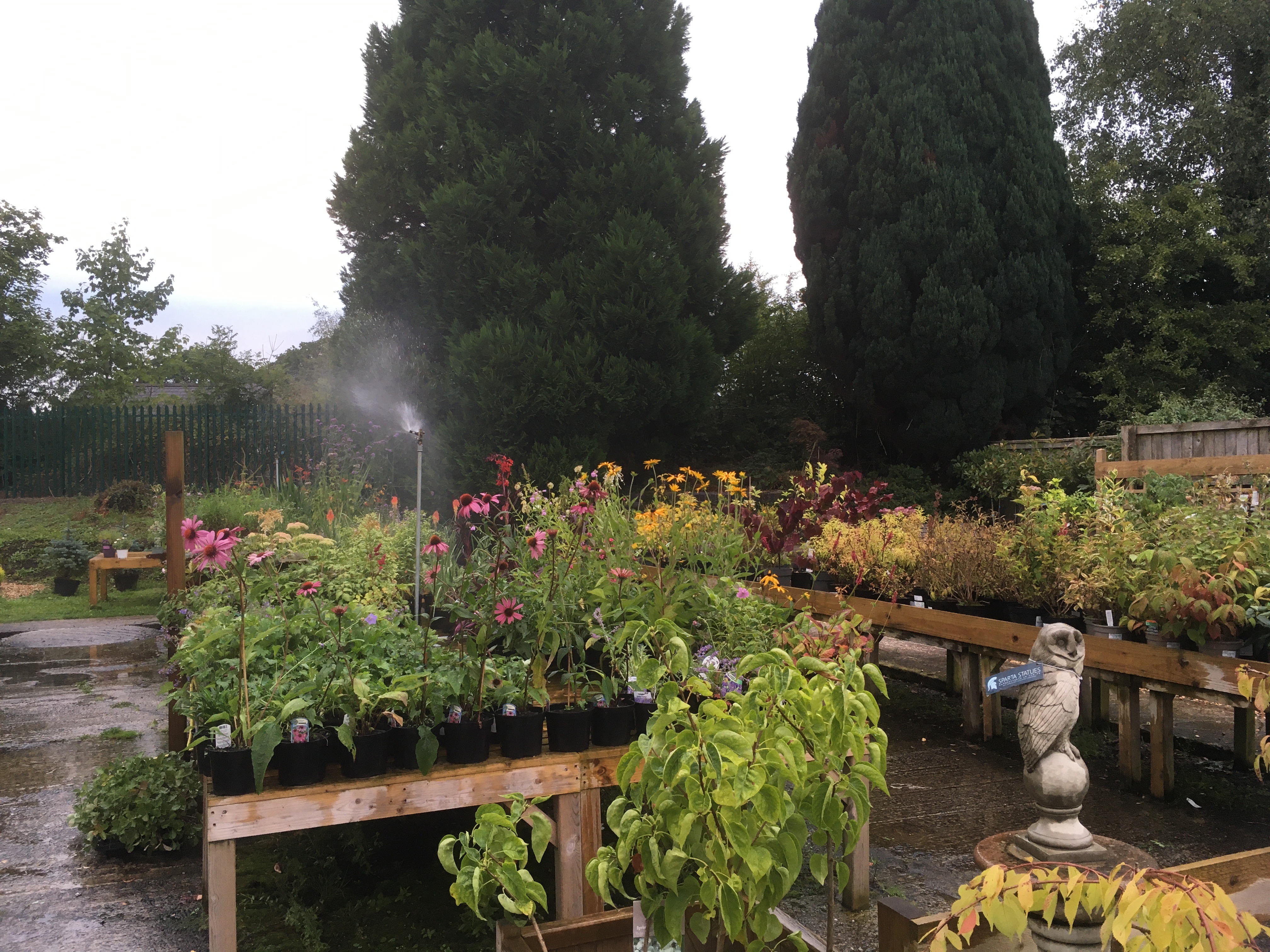
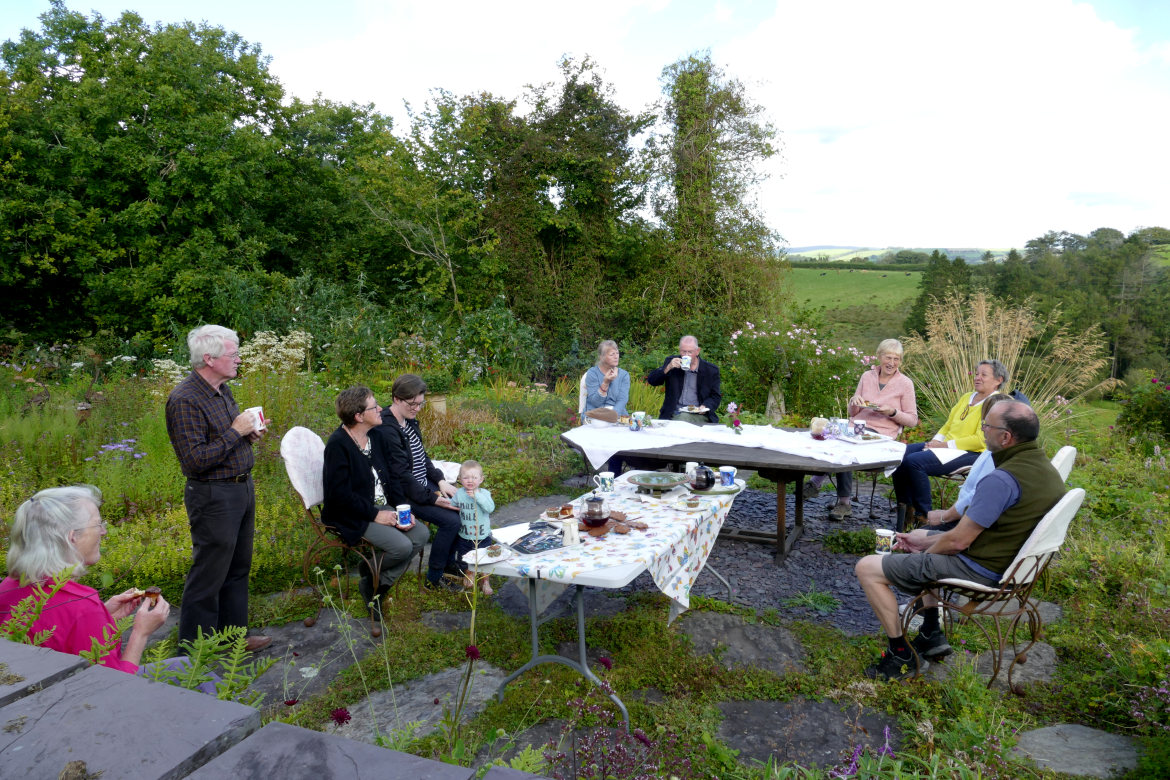
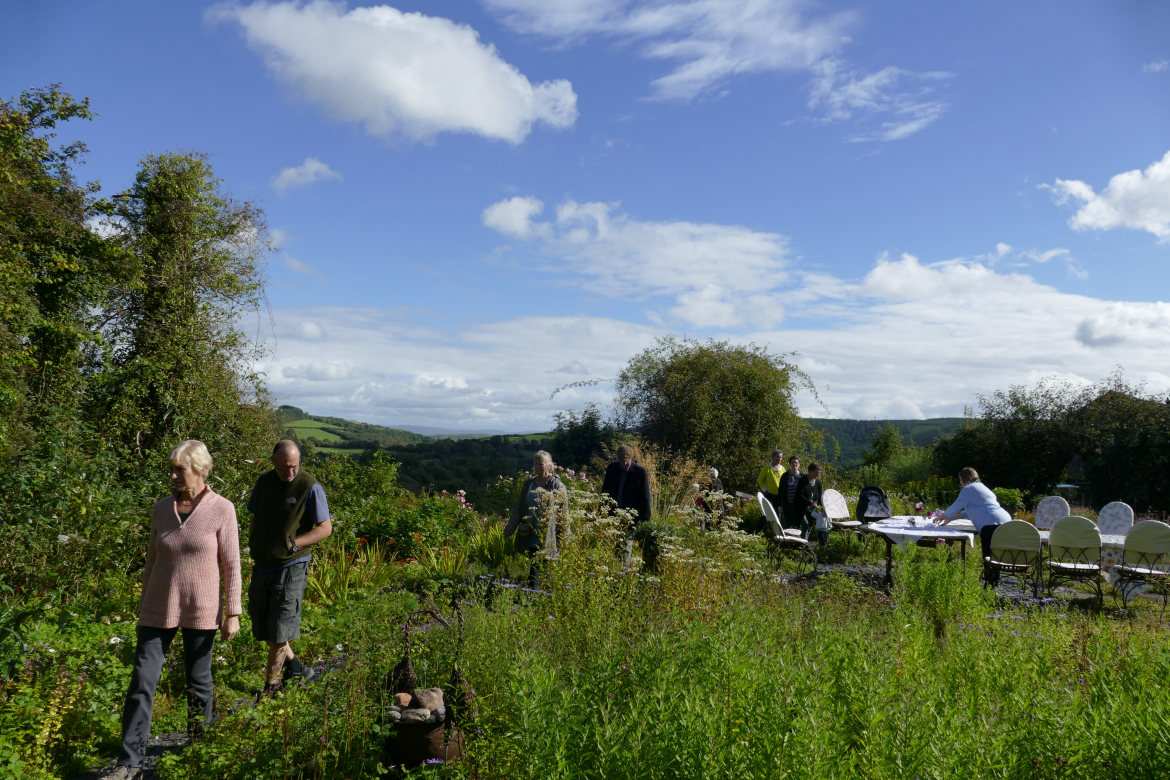
John and Helen Brooks held a plant sale at their garden Ty’r Maes on a Sunday afternoon in October to raise funds for the National Garden Scheme charities. It was very well attended, with visitors coming from as far away as North Pembrokeshire.
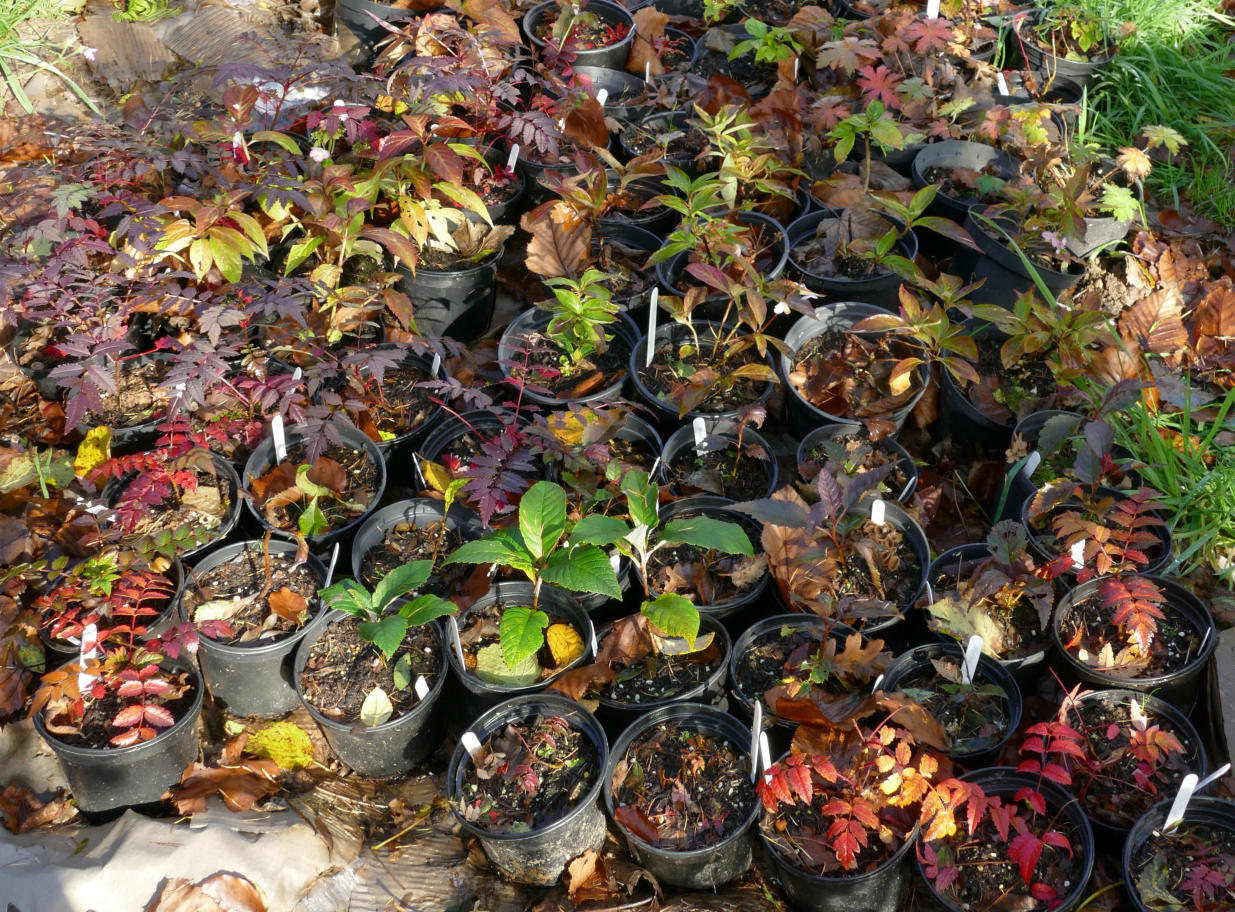
There was a great variety of plants on sale, provided by members of the Cothi Gardeners, and mostly of course by John and Helen themselves. The plants on offer ranged from trees, such as Paulownia tomentosa (the Foxglove tree) through to a great variety of perennials, including asters, geums, crocosmia, geraniums, hesperantha, persicaria, primula, rudbeckia, salvia, and many others. A great bonus of the afternoon was the enormous quantity of delicious cake provided by volunteers along with teas, and the opportunity to chat with other gardeners.
In total the amount raised for the NGS charities was a fantastic £900! This is a reflection of the tremendous generosity of the plant providers, Cothi Gardeners members and other visitors, and we should never forget the hard work that goes into organising such an event, including the refreshments.
Festive Christmas Tea on 14 December
This year the Cothi Gardeners are celebrating Christmas by holding a festive tea at Granny’s Kitchen in Lampeter at 3.30pm on 14 December. Twenty-two of us are attending, and it’s bound to be a jolly (and delicious) event, bringing to an end a year when we have finally been able to hold in-person meetings and celebratory gatherings again. Long may it continue!






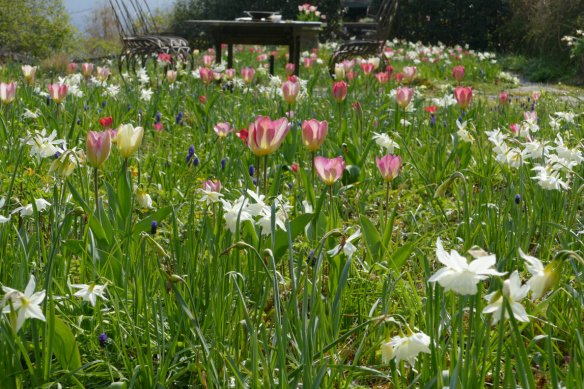
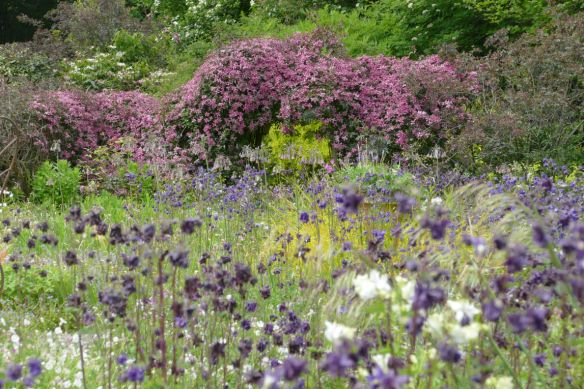
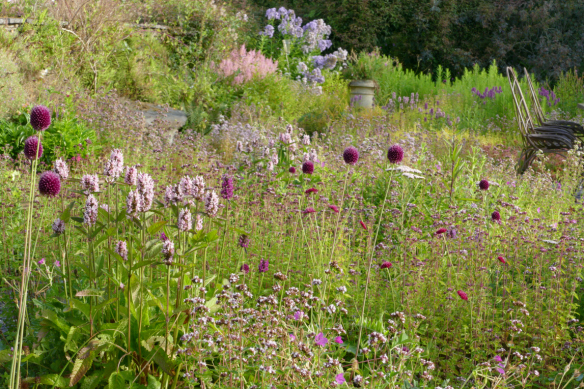 Lots of ideas for people to think about as our gardens are springing into life.
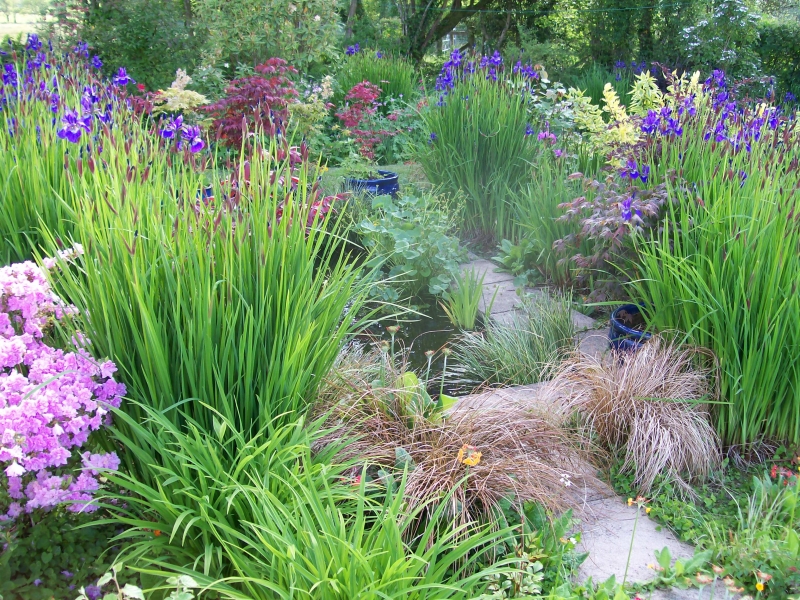


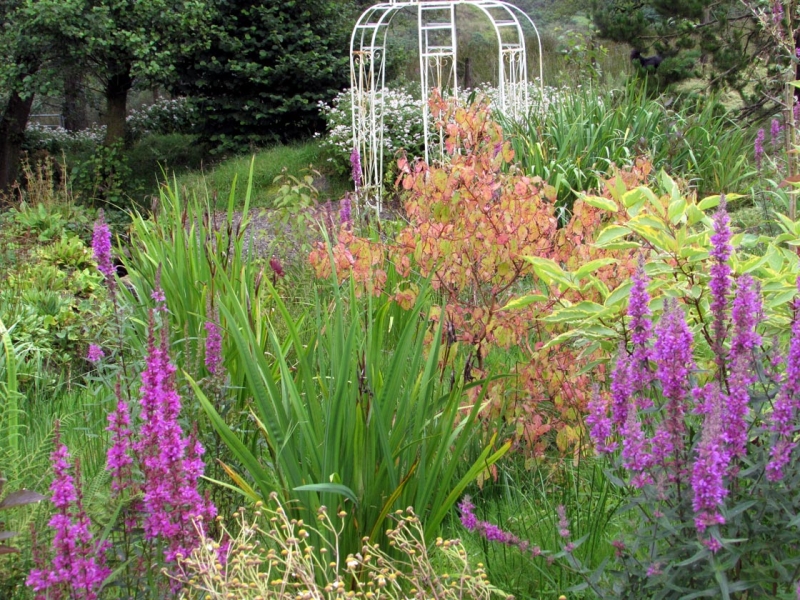






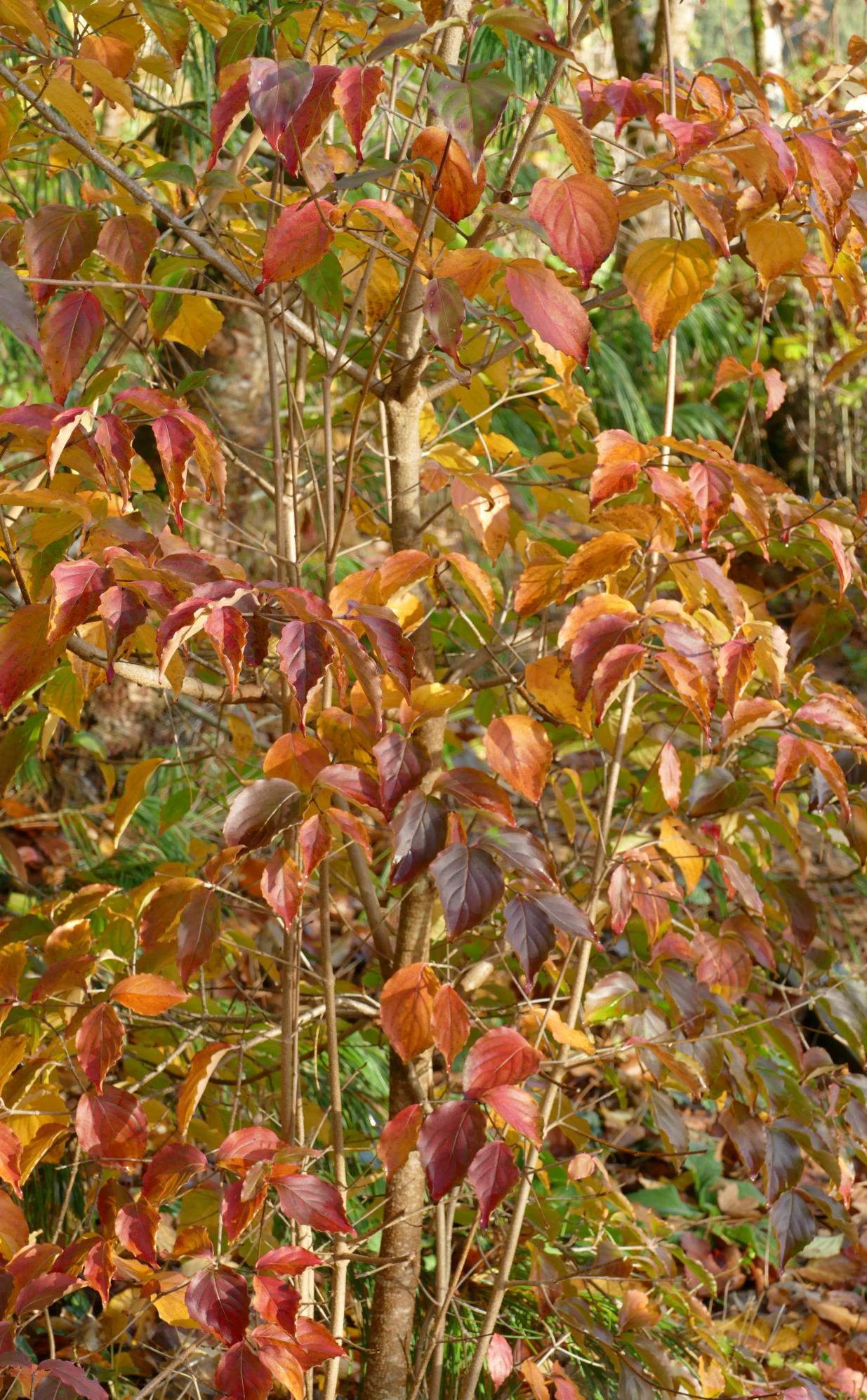
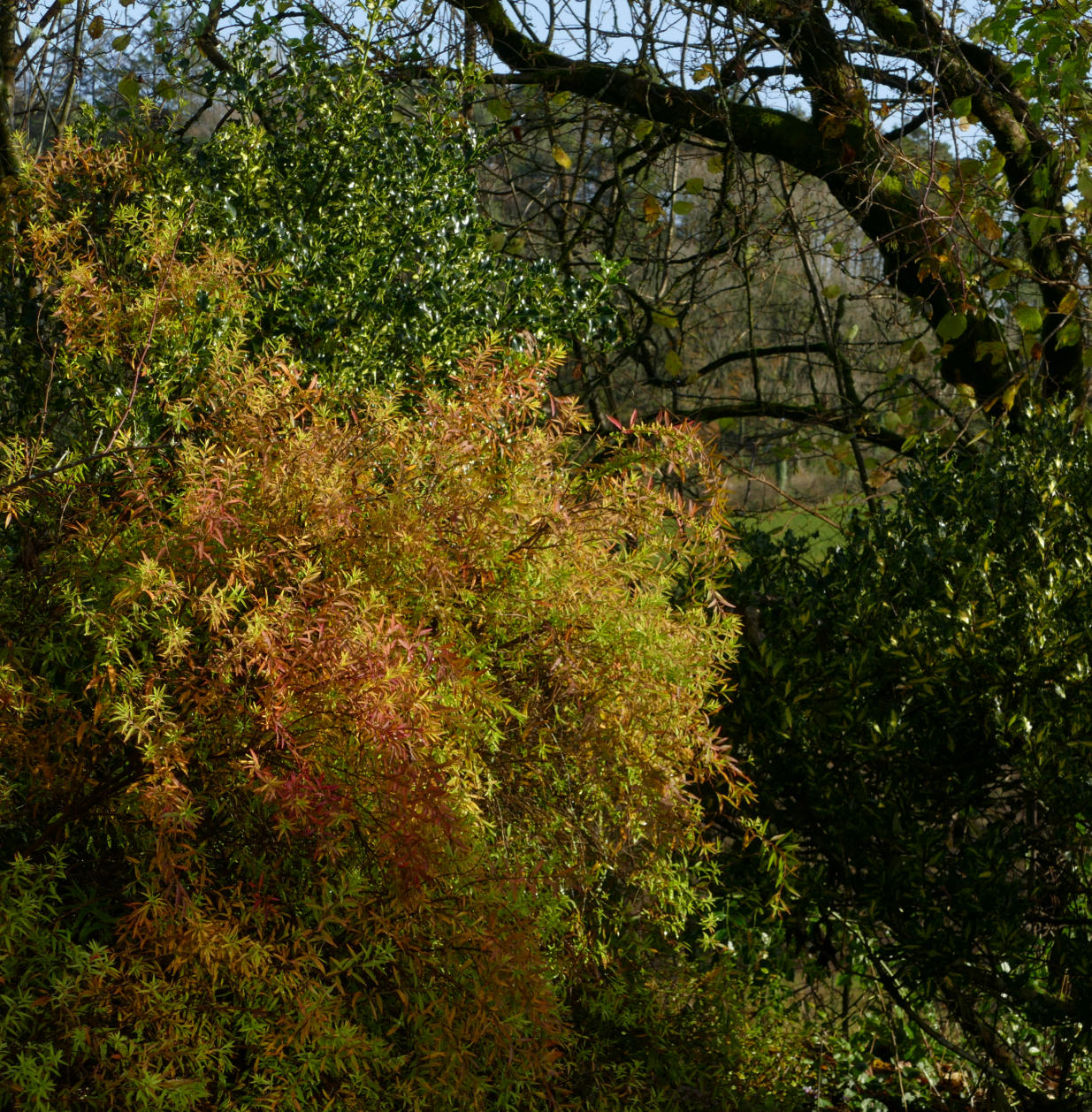
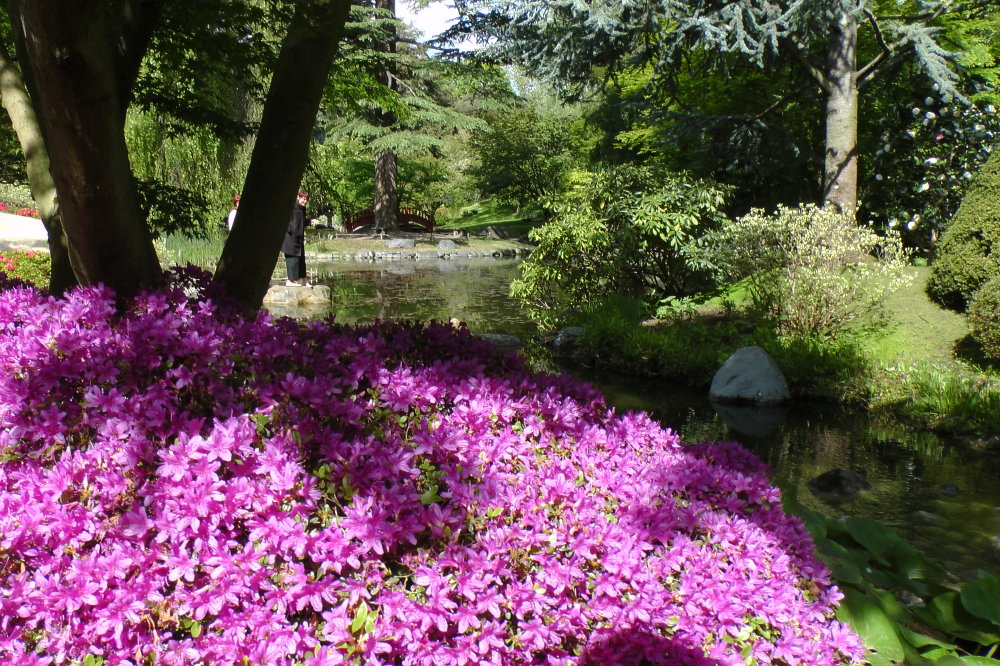

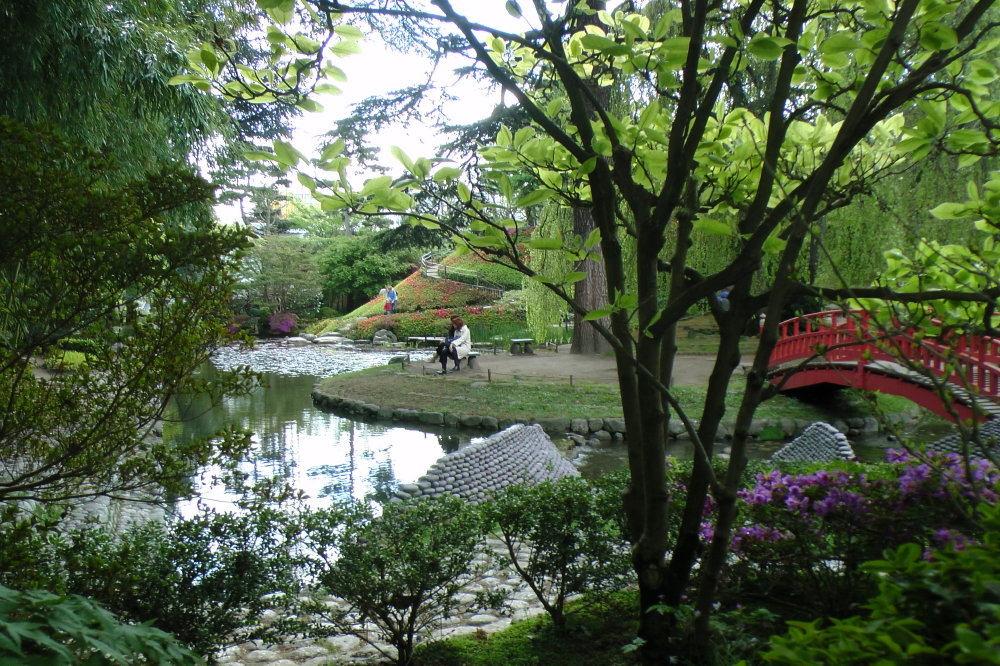

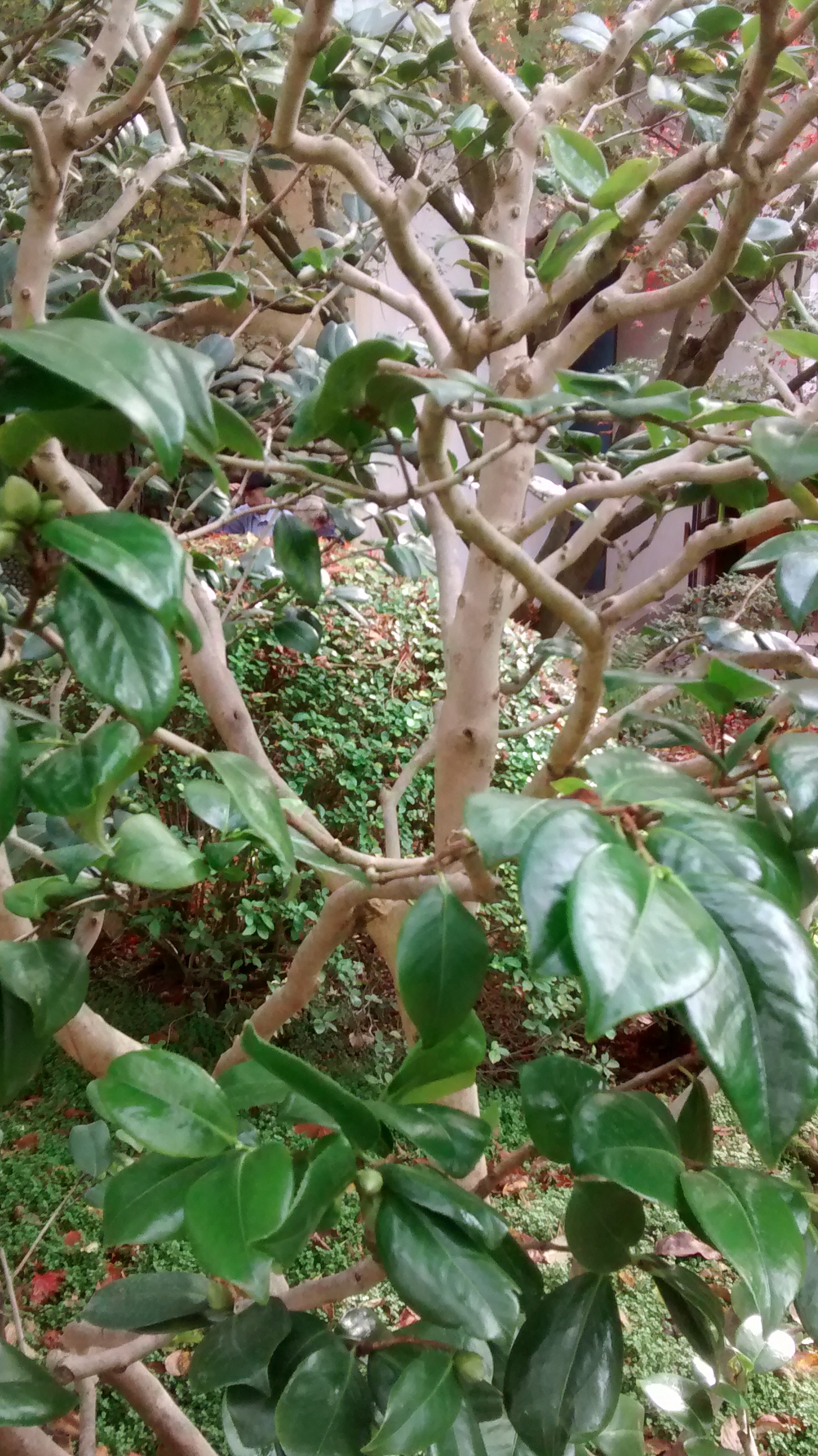
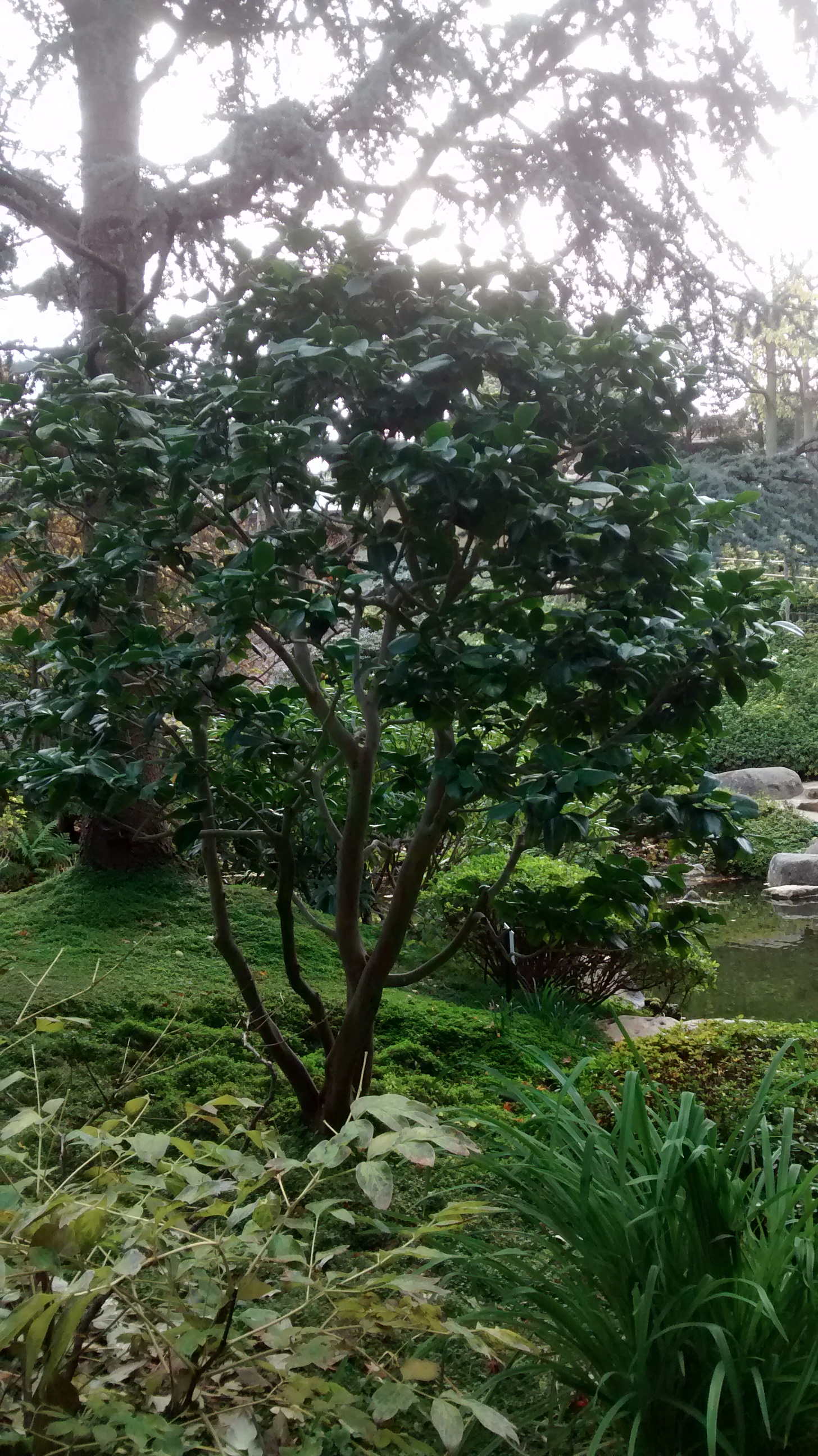


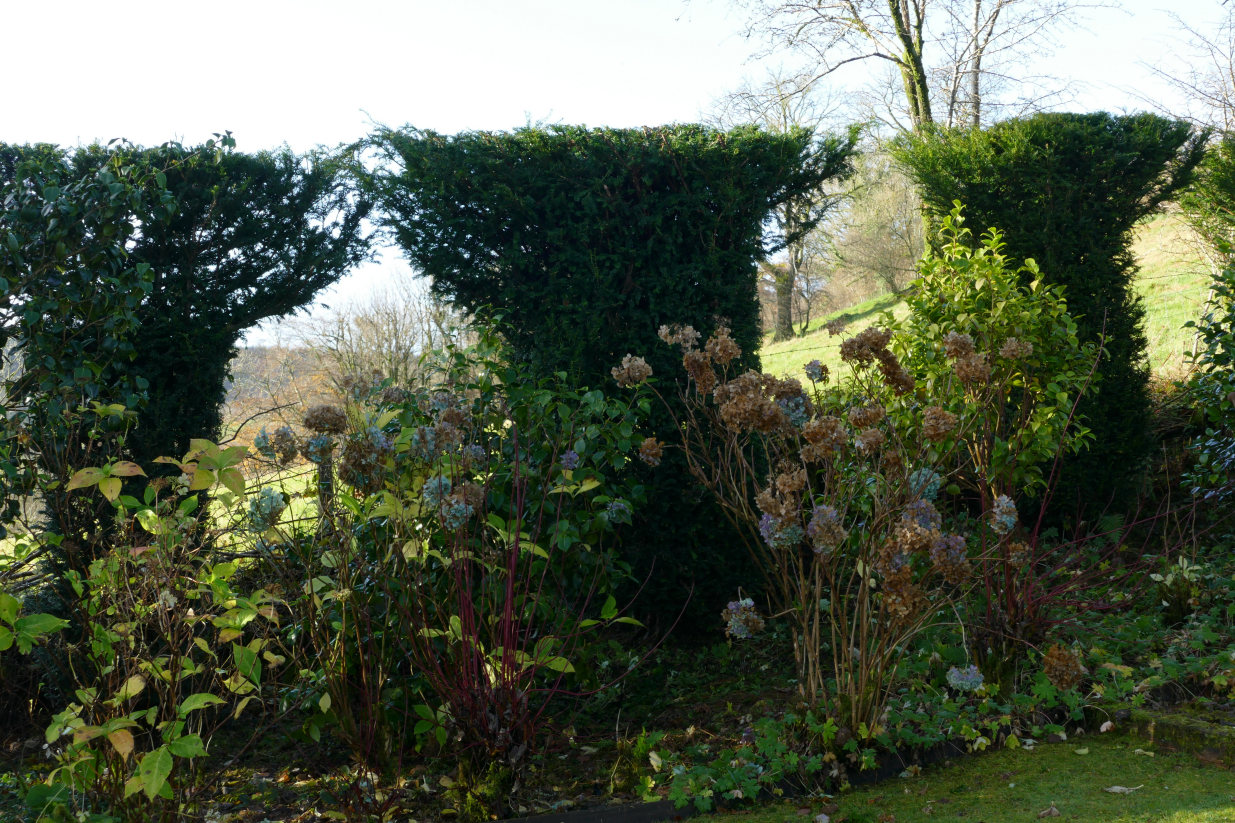
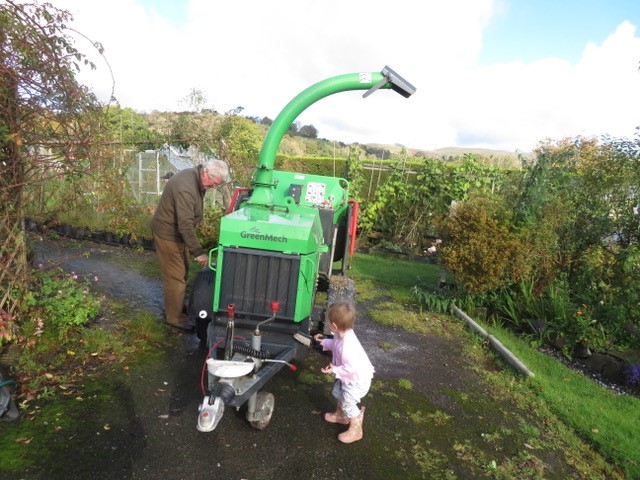
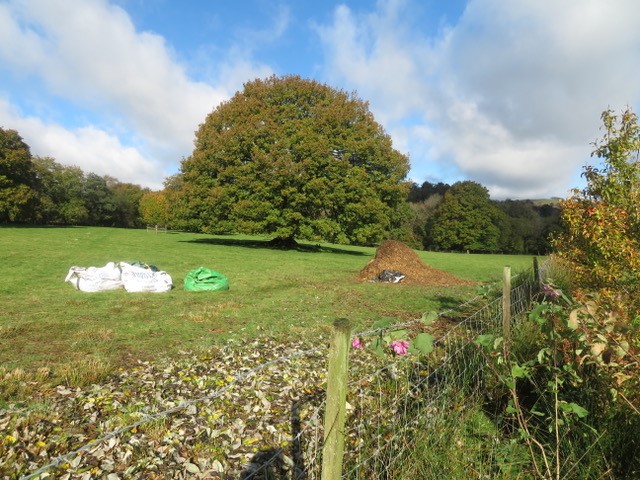
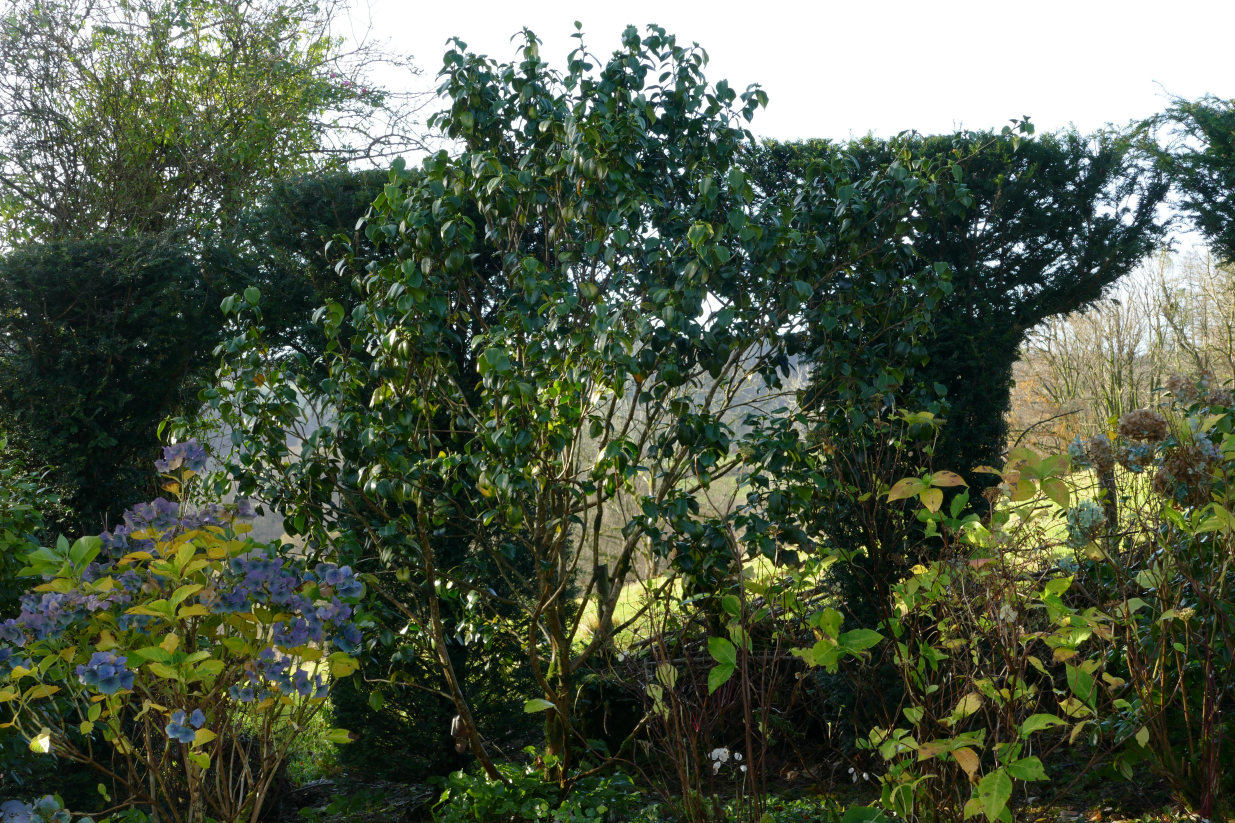 I guess there are other evergreens which would benefit, though the defuzzing and raising of the canopy works just as well with smaller deciduous shrubs or trees, like Acers, as they get a bit bigger. (Albert Khan views again below …)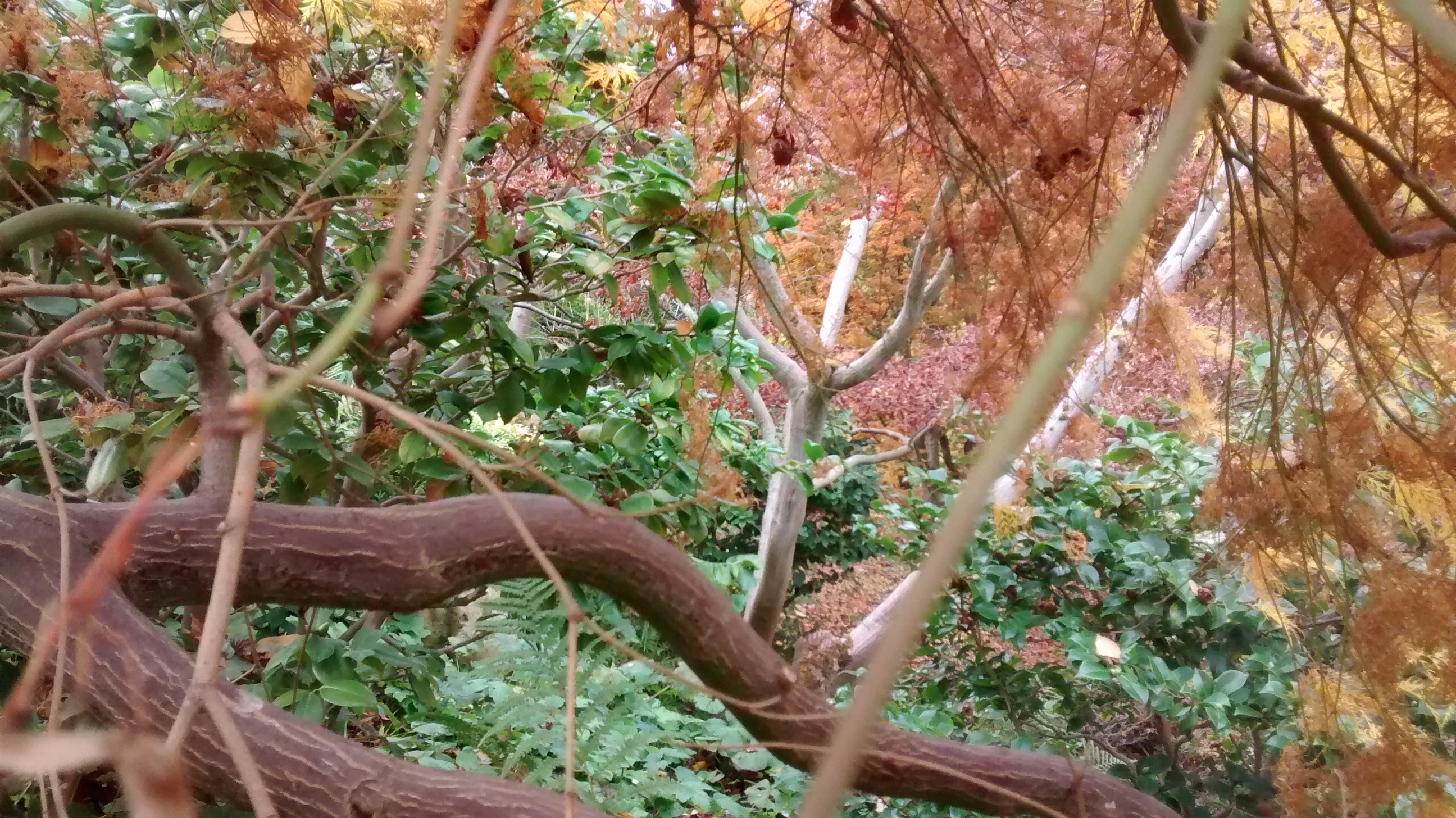









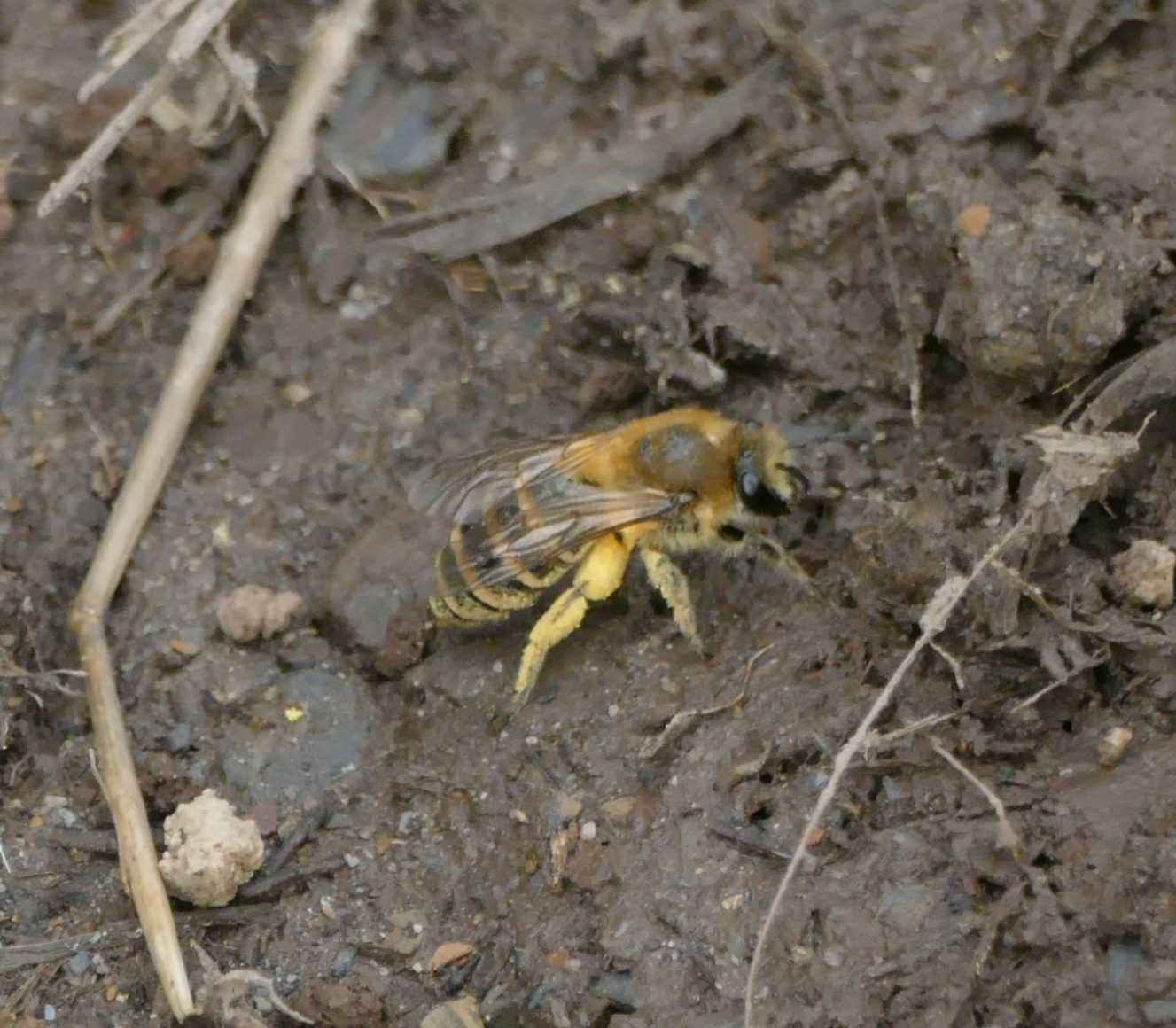 Any ideas what these are, and have you seen them in your garden recently, or indeed ever?
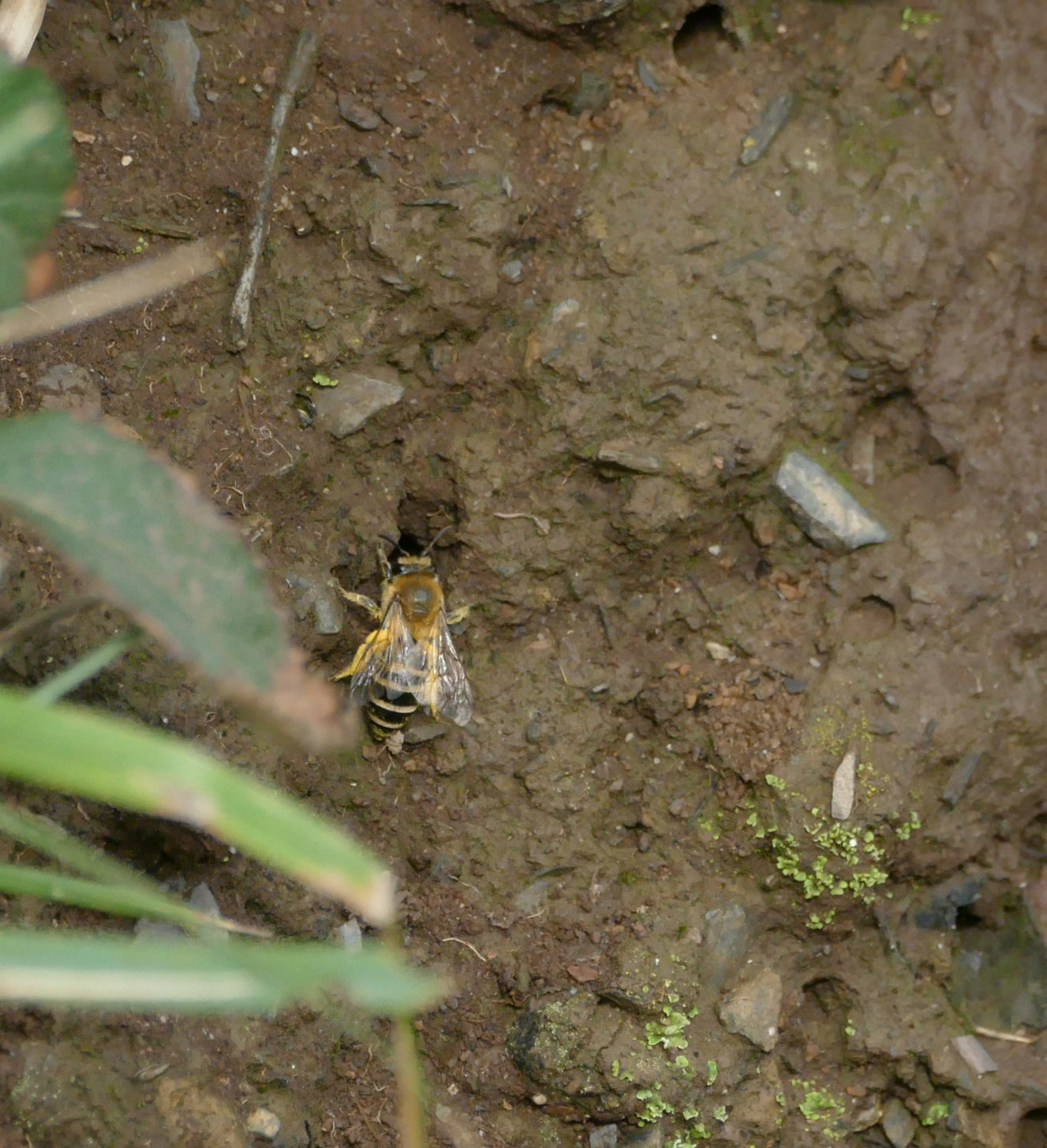 I’m including them because we hadn’t seen them before, and these were found as part of a large colony just above the beach at Pwllgwaleod, at ankle height on the coastal path walk round Dinas Island in Pembrokeshire last Thursday.
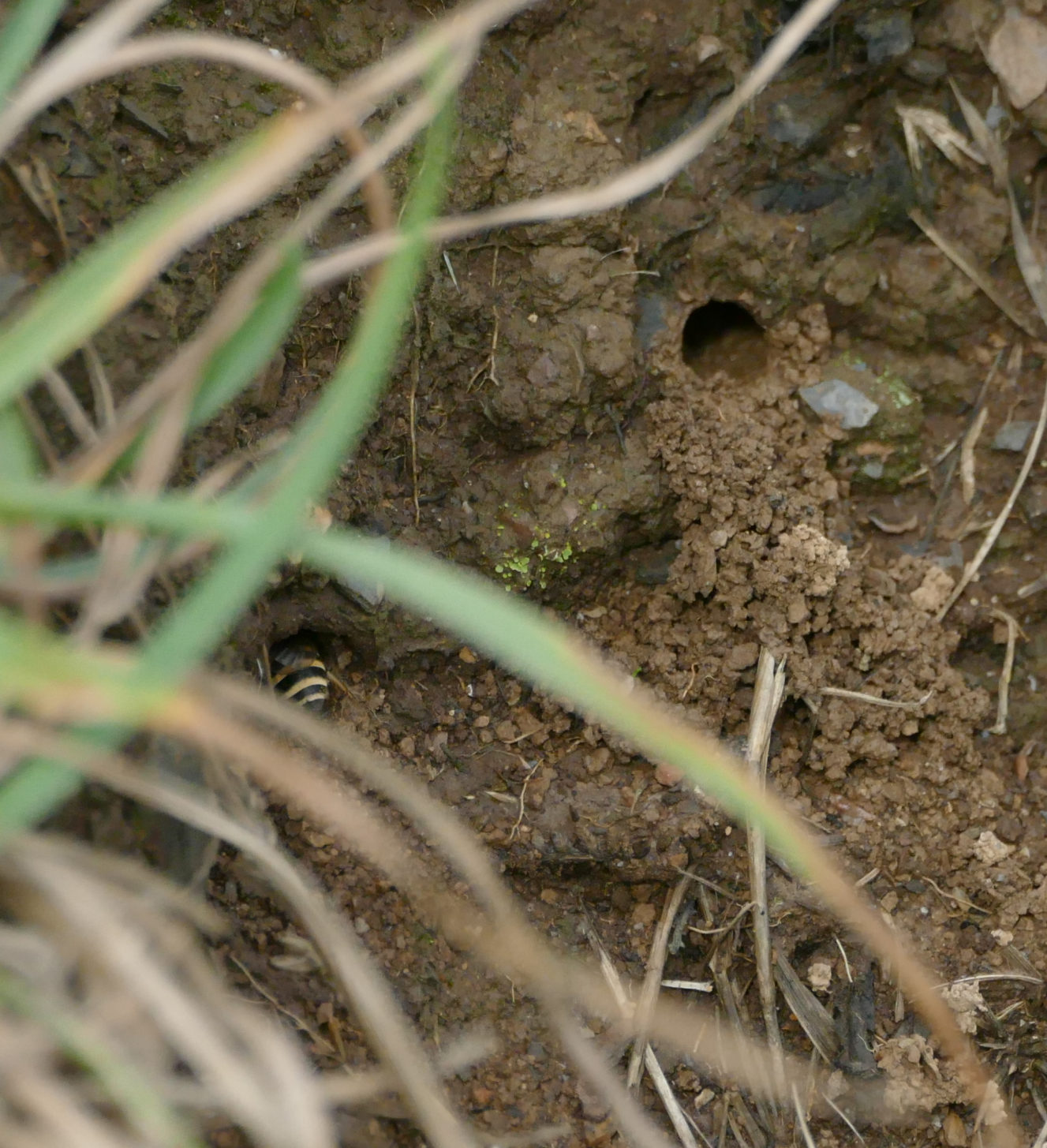
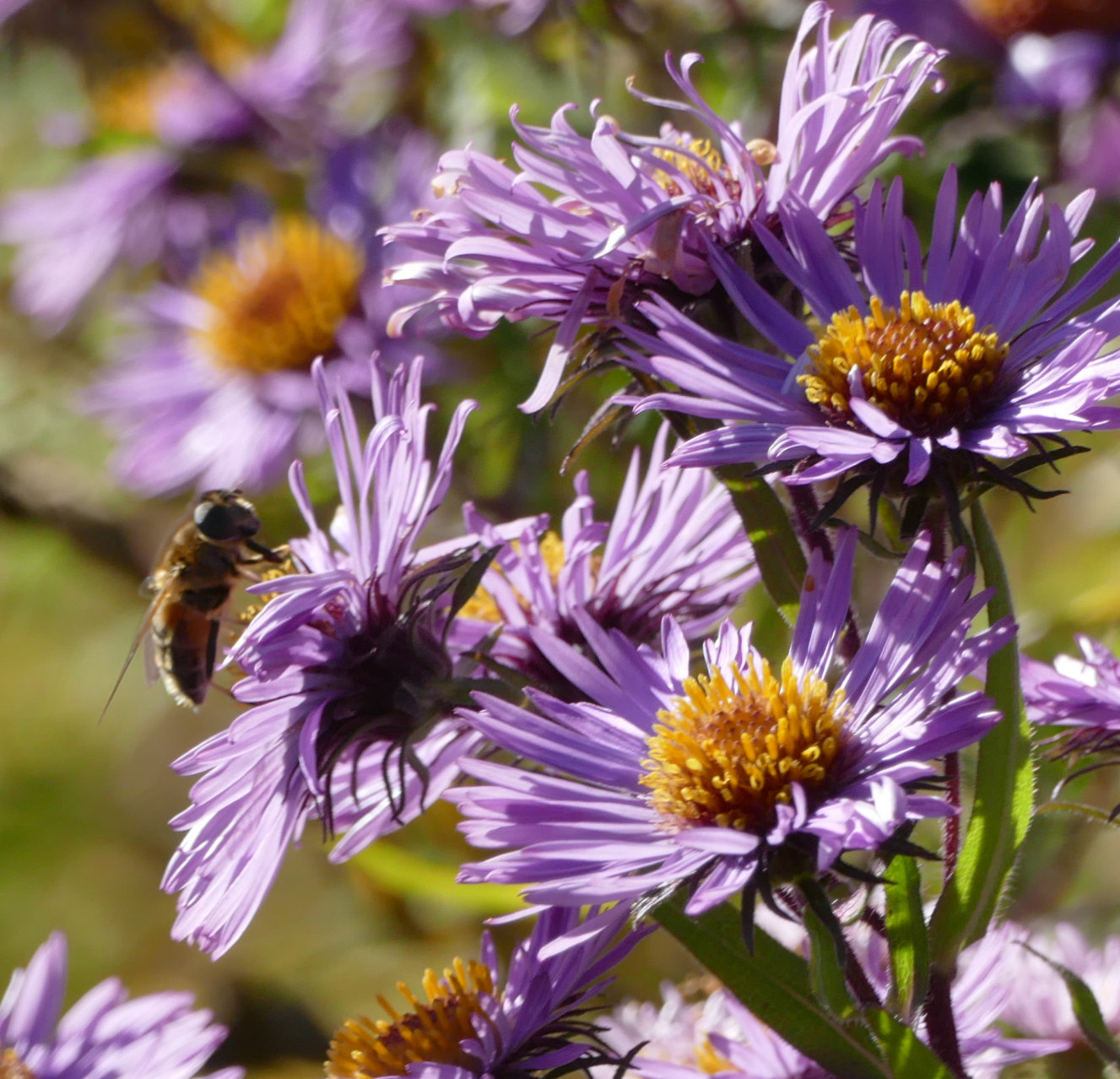


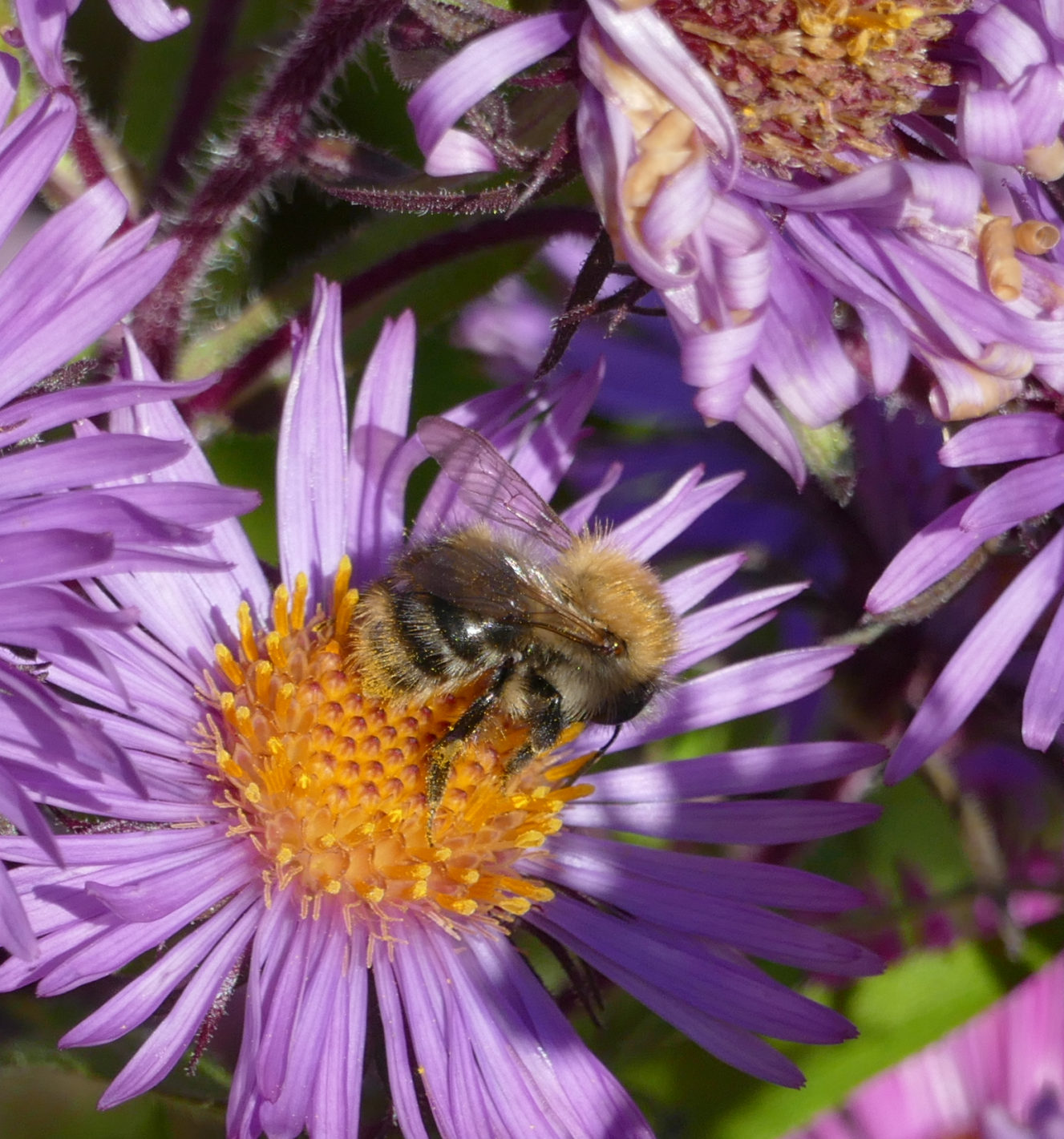
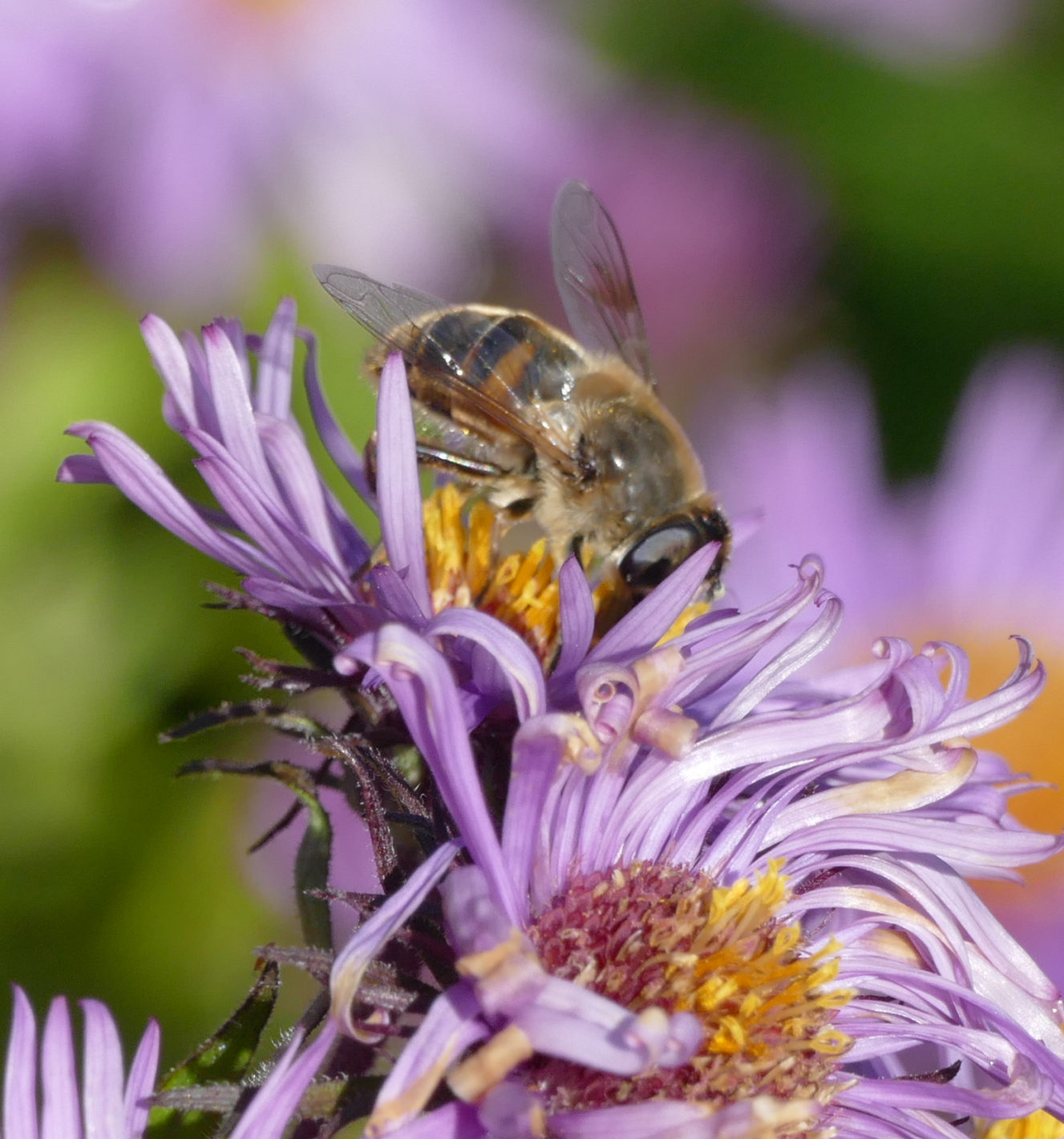


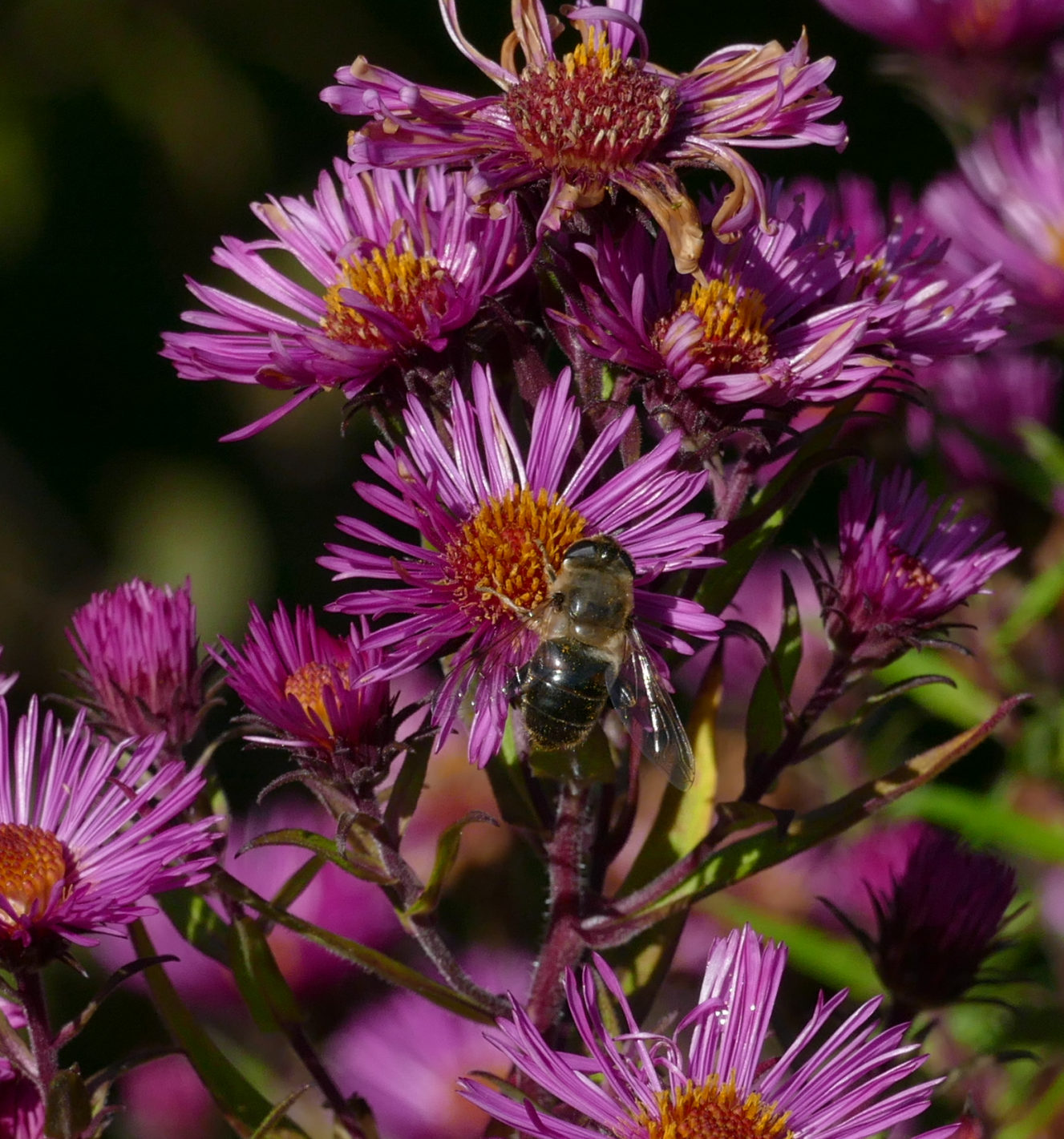
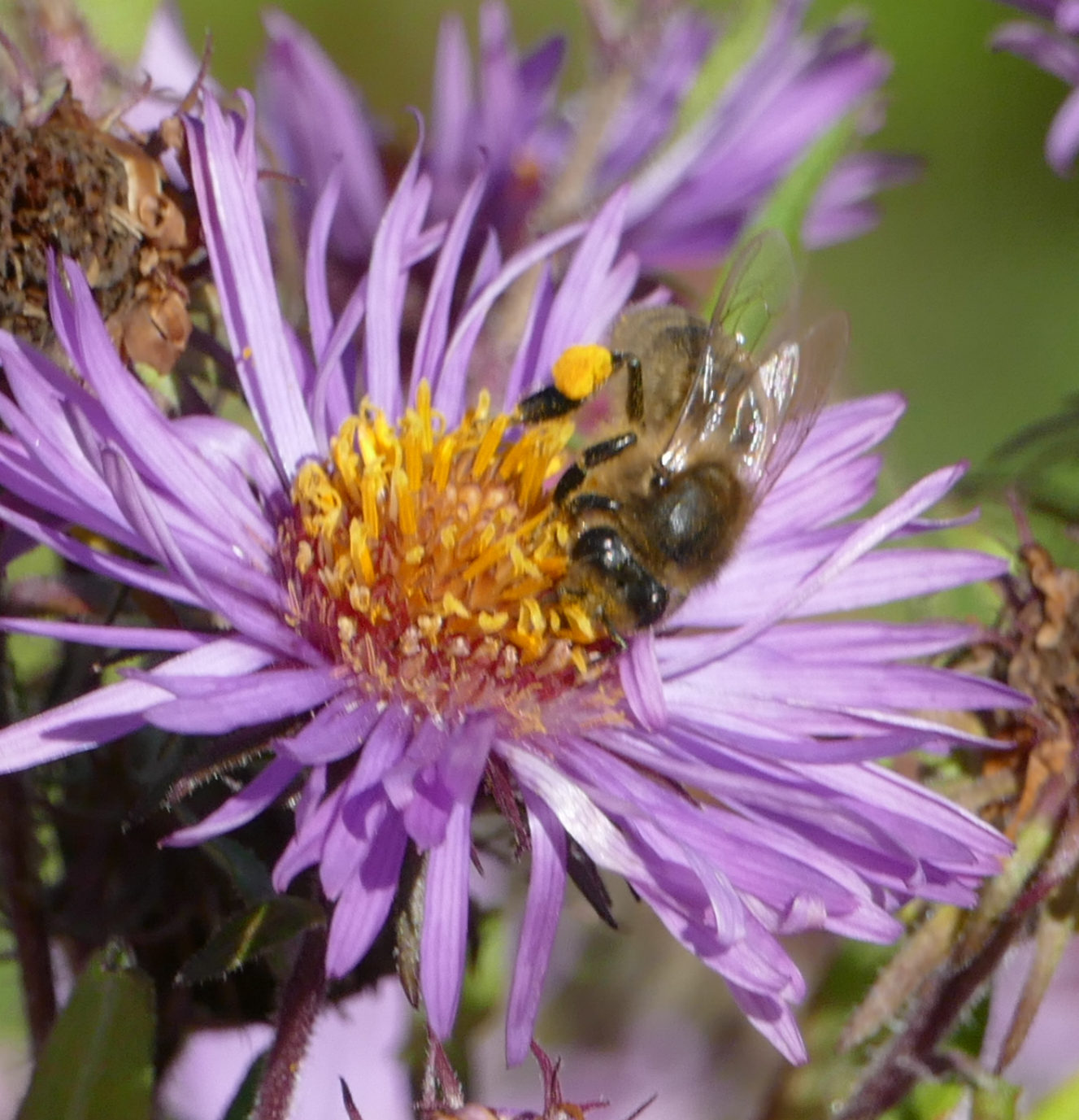
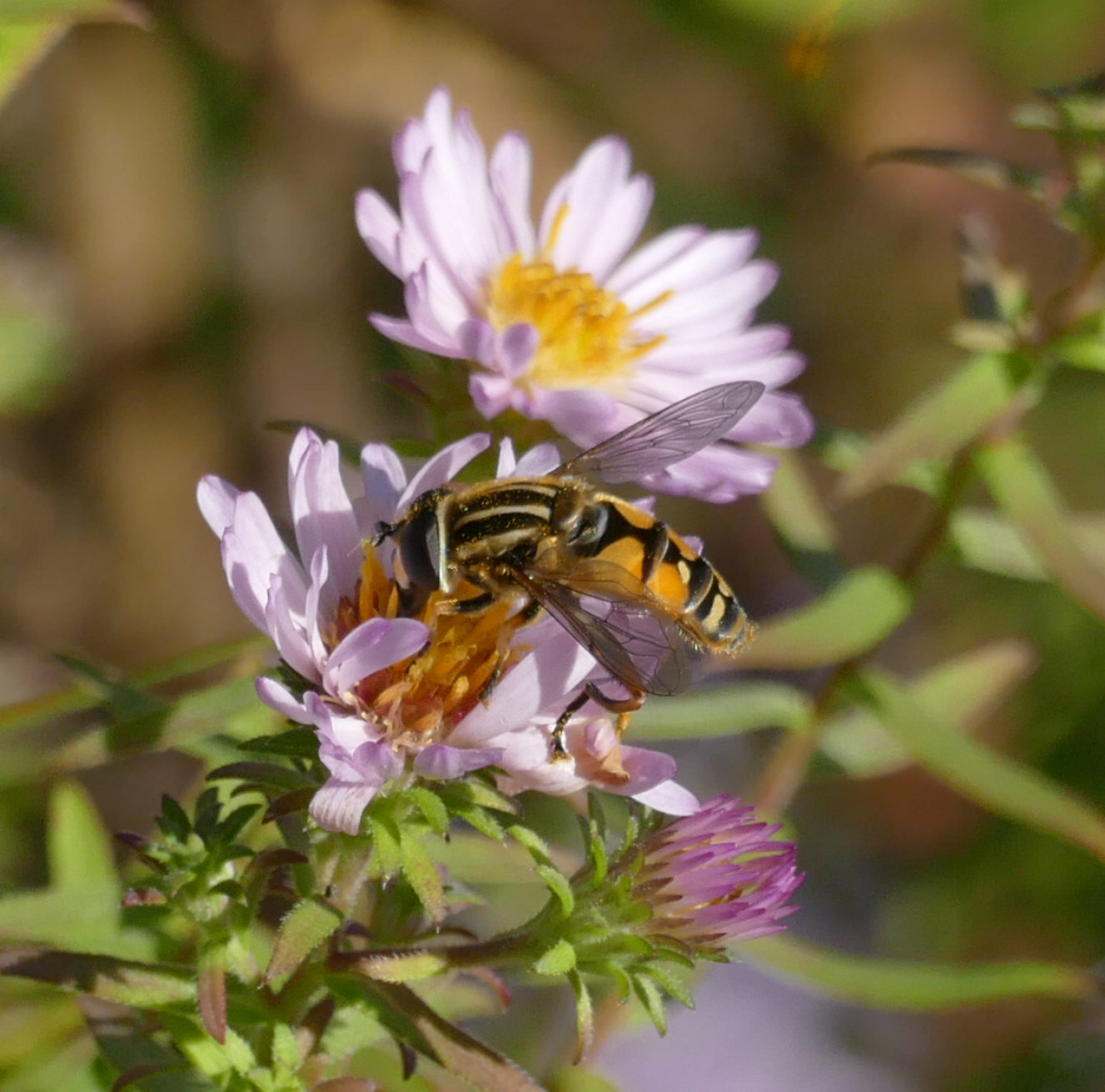
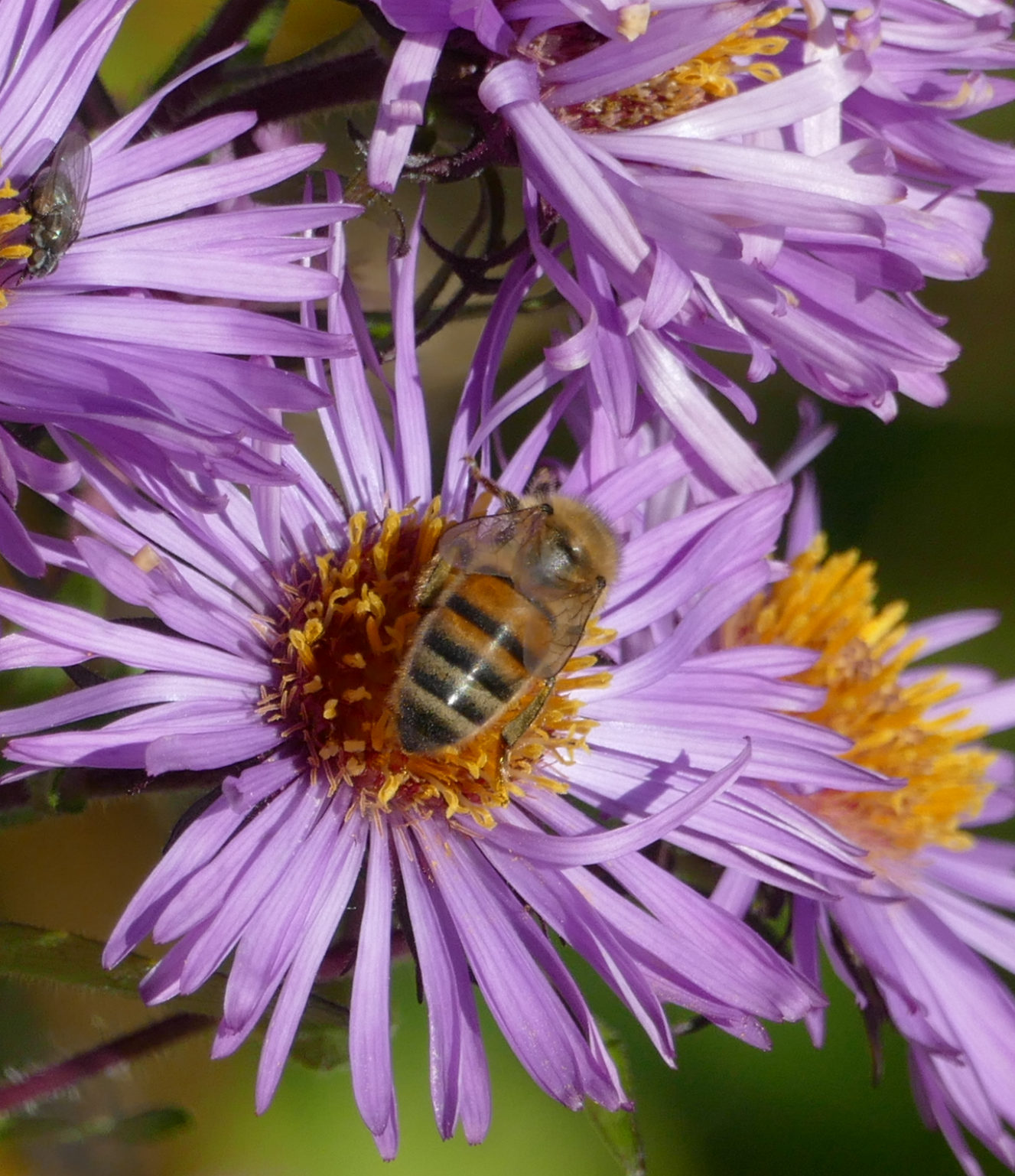
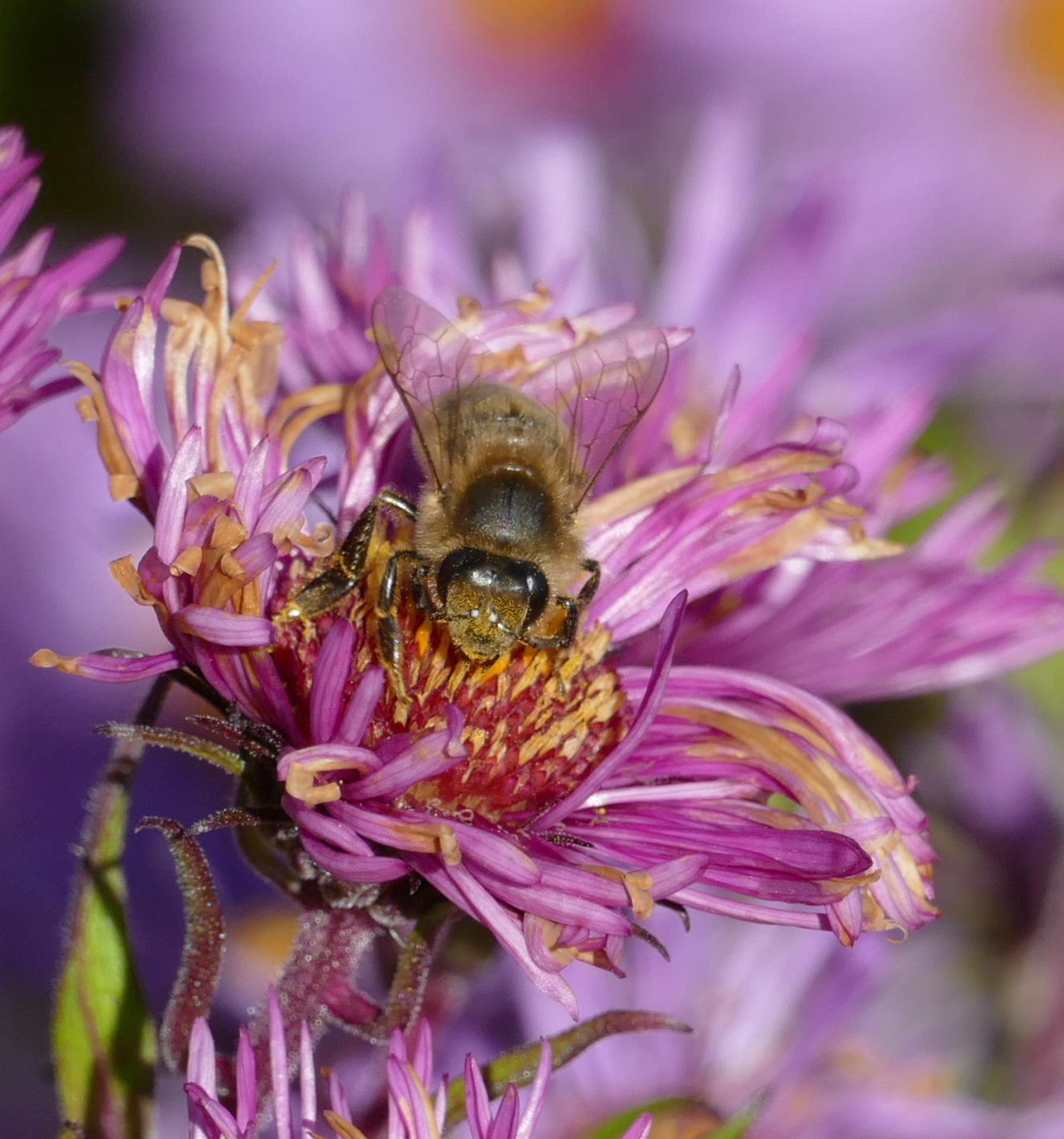


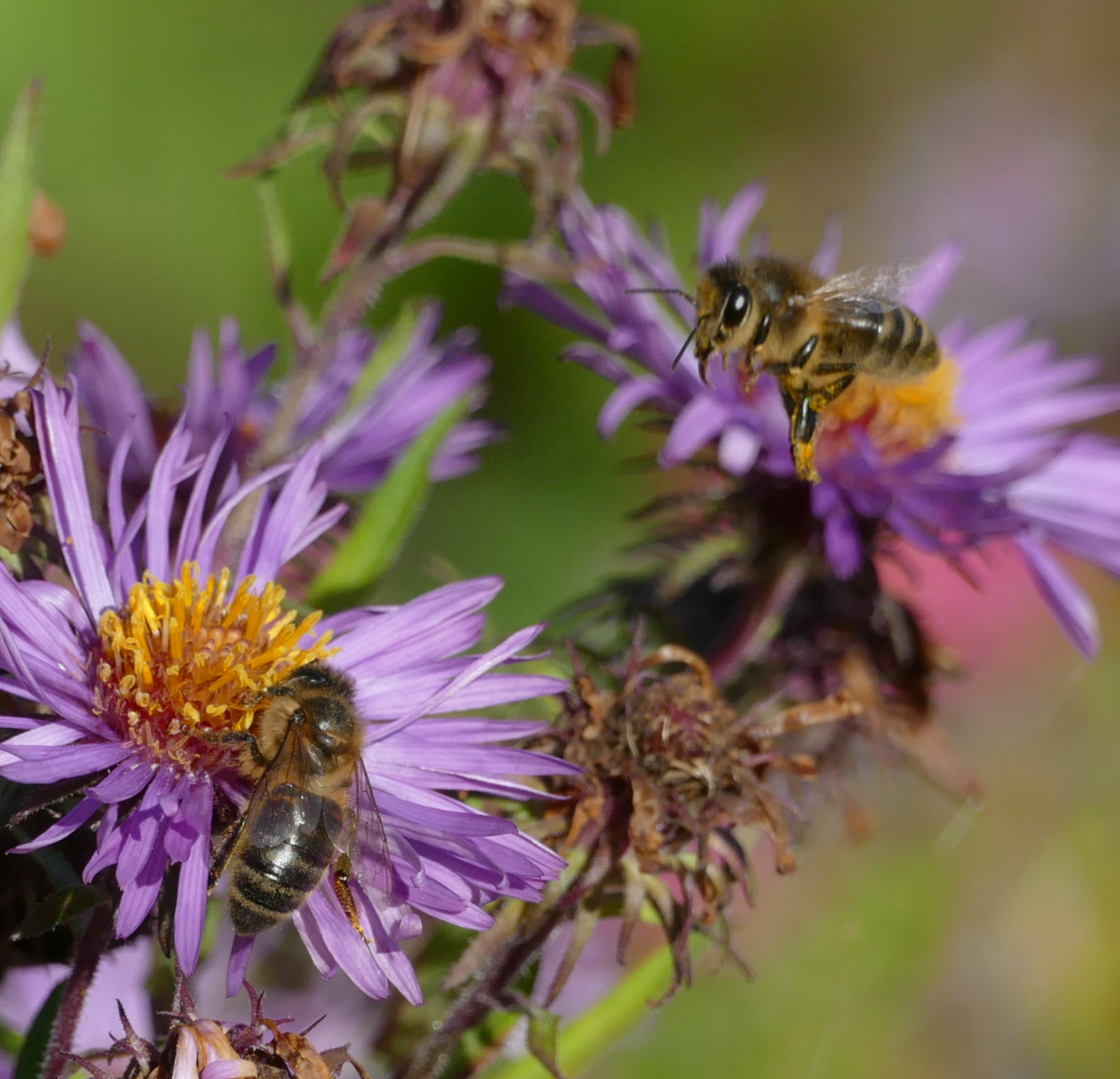


 Well, mainly the Himalayan Balsam half a mile away in the village, which brings them home with characteristic white dusting on their backs.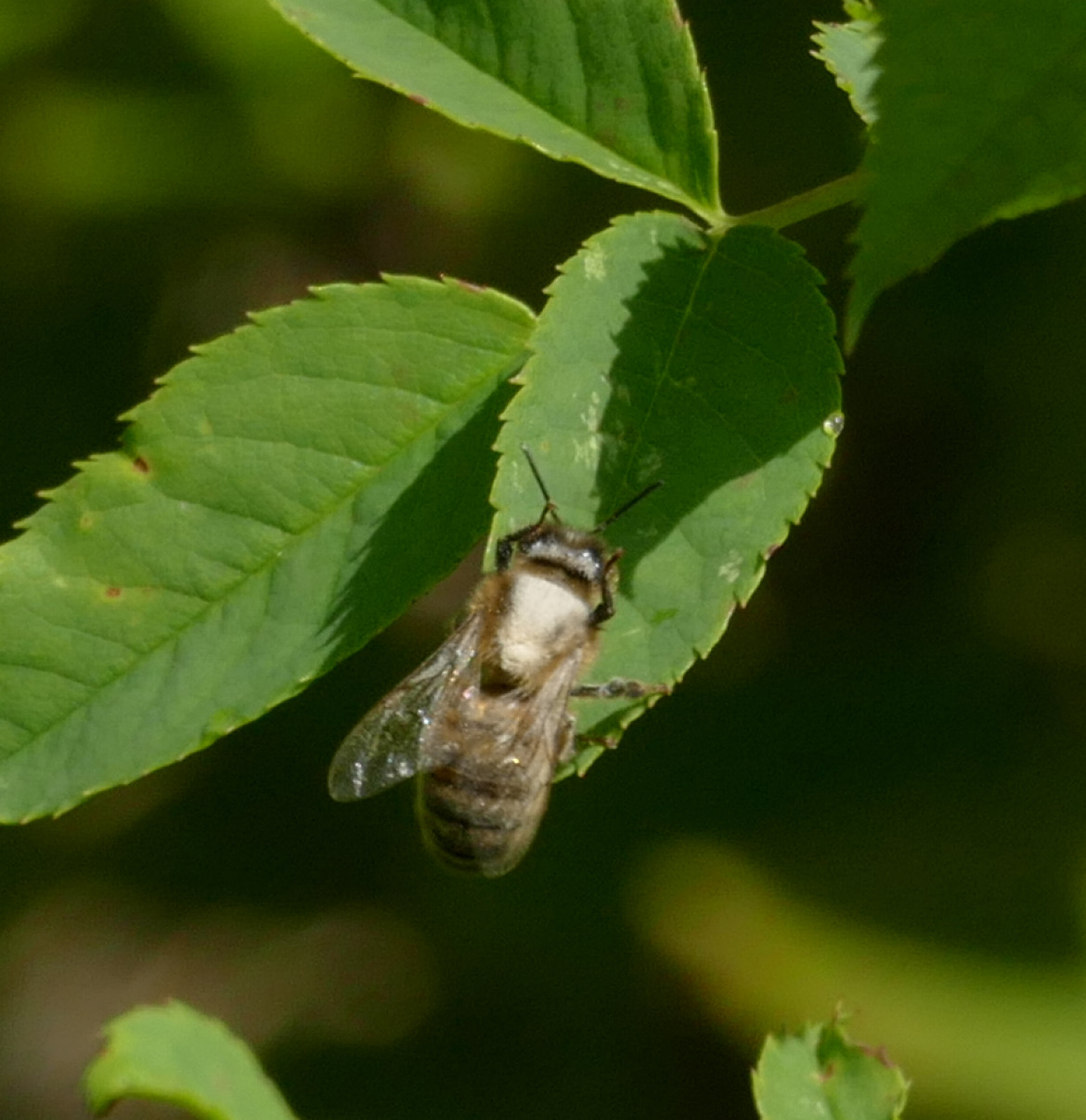





 Another month, another update, and hoping all members have enjoyed their gardens over the last few weeks. I know that Tina and Derek have, and have been very busy too, with a major clearing out of their big pond. Thanks very much to Tina for sending me these photos of the work in progress.



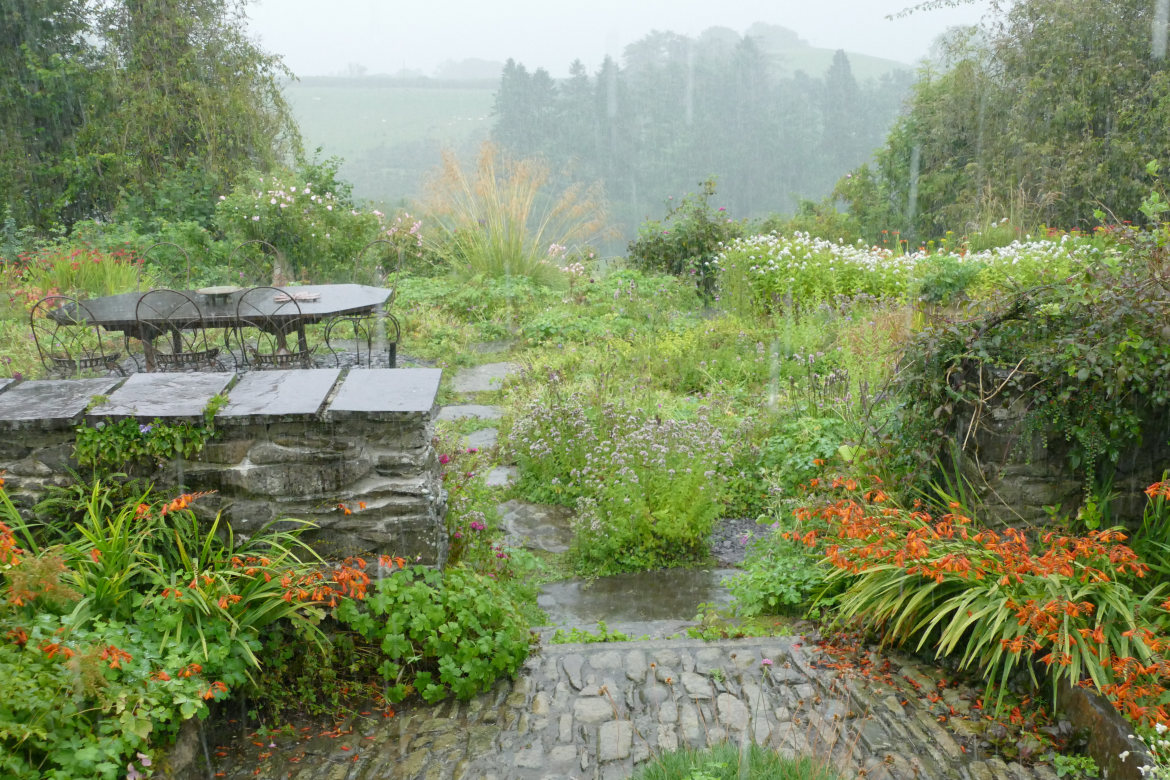
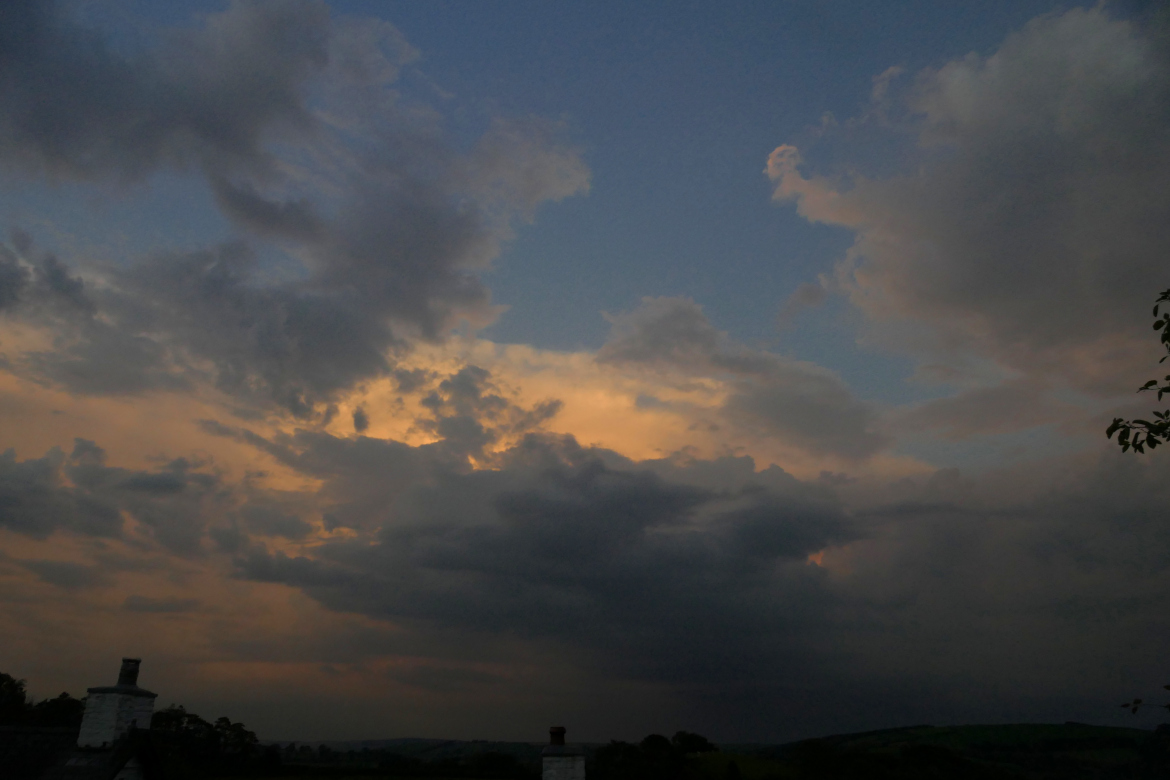
 I’m sure we’ve all enjoyed some pretty variable weather recently. On the night of the 11th here, we went outside to see if we could watch the Perseid meteor shower, and were treated to the most amazing silent lightning display in the North eastern sky, which we took to be over Ffarmers way. It turned out the storm was much more distant, over the border in Shropshire. For anyone who hasn’t seen them yet there are some wonderful photos of just how amazing the sometimes orange explosion light effects within the clouds were, on Welsh photographer Karl MaCarthy’s site, which he took 75 miles away from the storm in Tredegar.
 Yesterday evening I thought I’d scatter the last few Snakeshead Fritillary seed which I’d saved from our top meadow, onto a section we’d cut for hay about 10 days ago, and in advance of today’s heavy rain. Another fortuitous decision, since as I finished, and turned round to head back down the hill, I saw a fantastic full half circle rainbow caught in the evening light with one of the crock of gold points exactly where all the lightning fireworks had been a week earlier.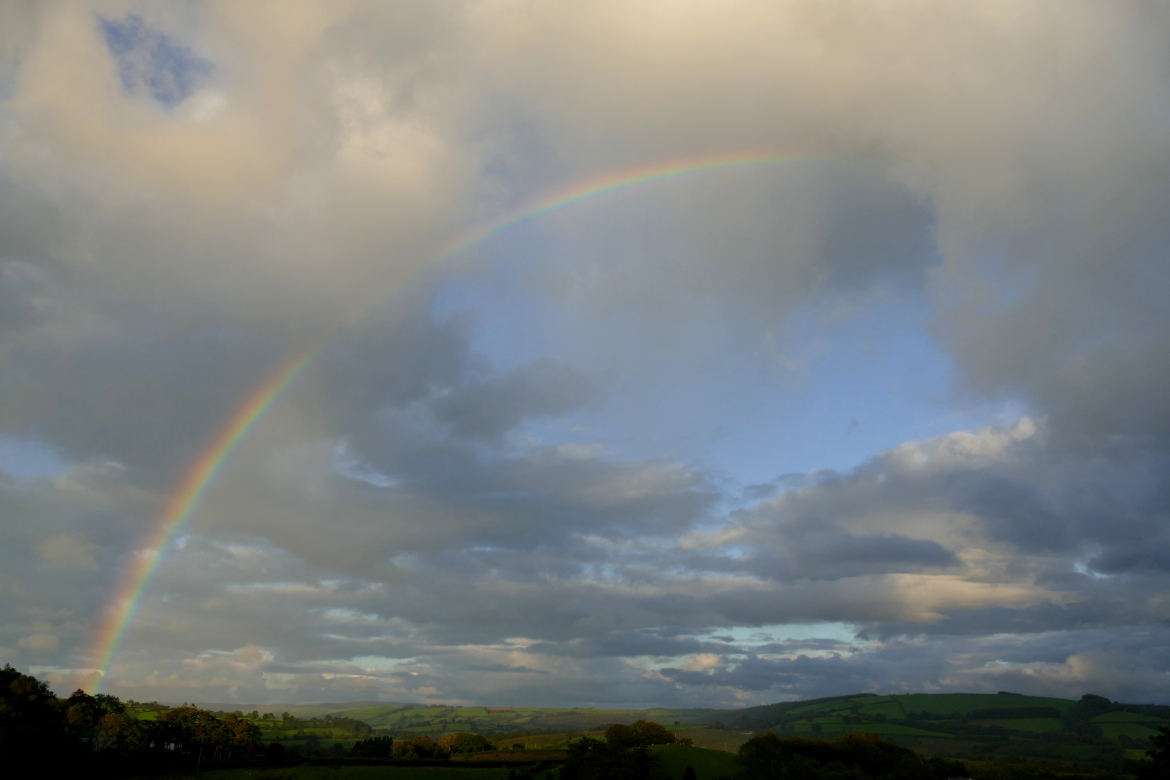


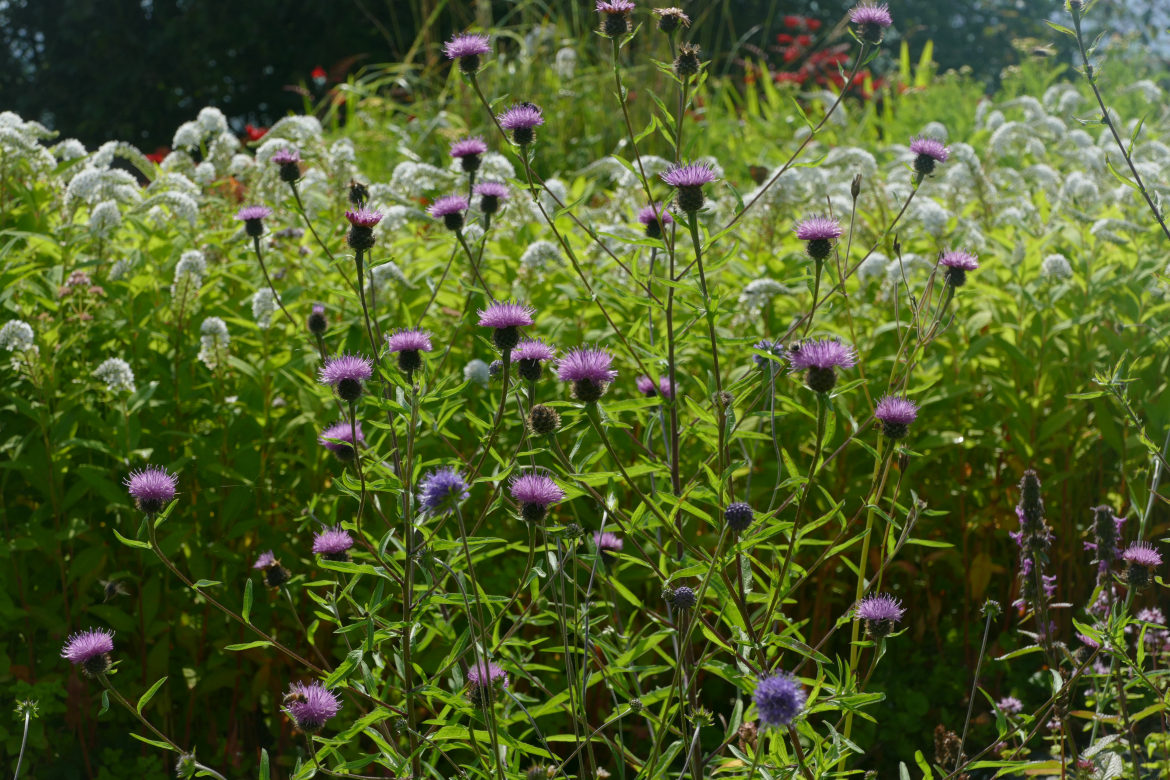 Both being chosen for their time of flowering, from August and then into September, as well as both being brilliant nectar plants for a range of bees and butterflies. Even better, one of the Devil’s-bit Scabious plants, collected from seed in a meadow at the bottom of our track has decided to produce really pale pink/lilac flowers as a nice complement to the blue/purple more commonly seen.



 Cothi Gardeners