‘The House on Stilts’ by Paula Davies; Next Meeting; Summer Social; ‘A Gardener’s Dream Itinerary’

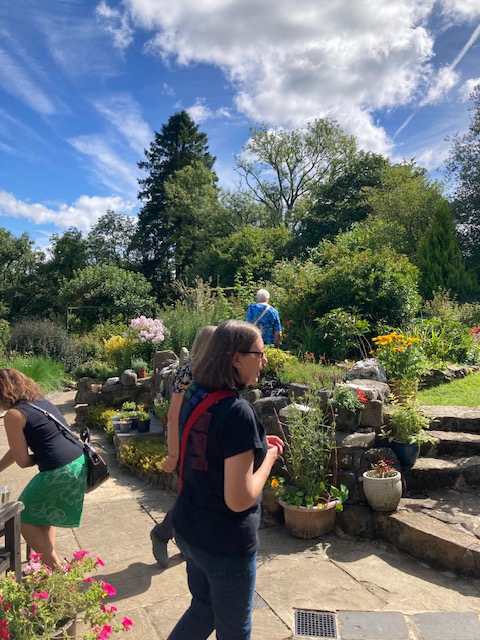
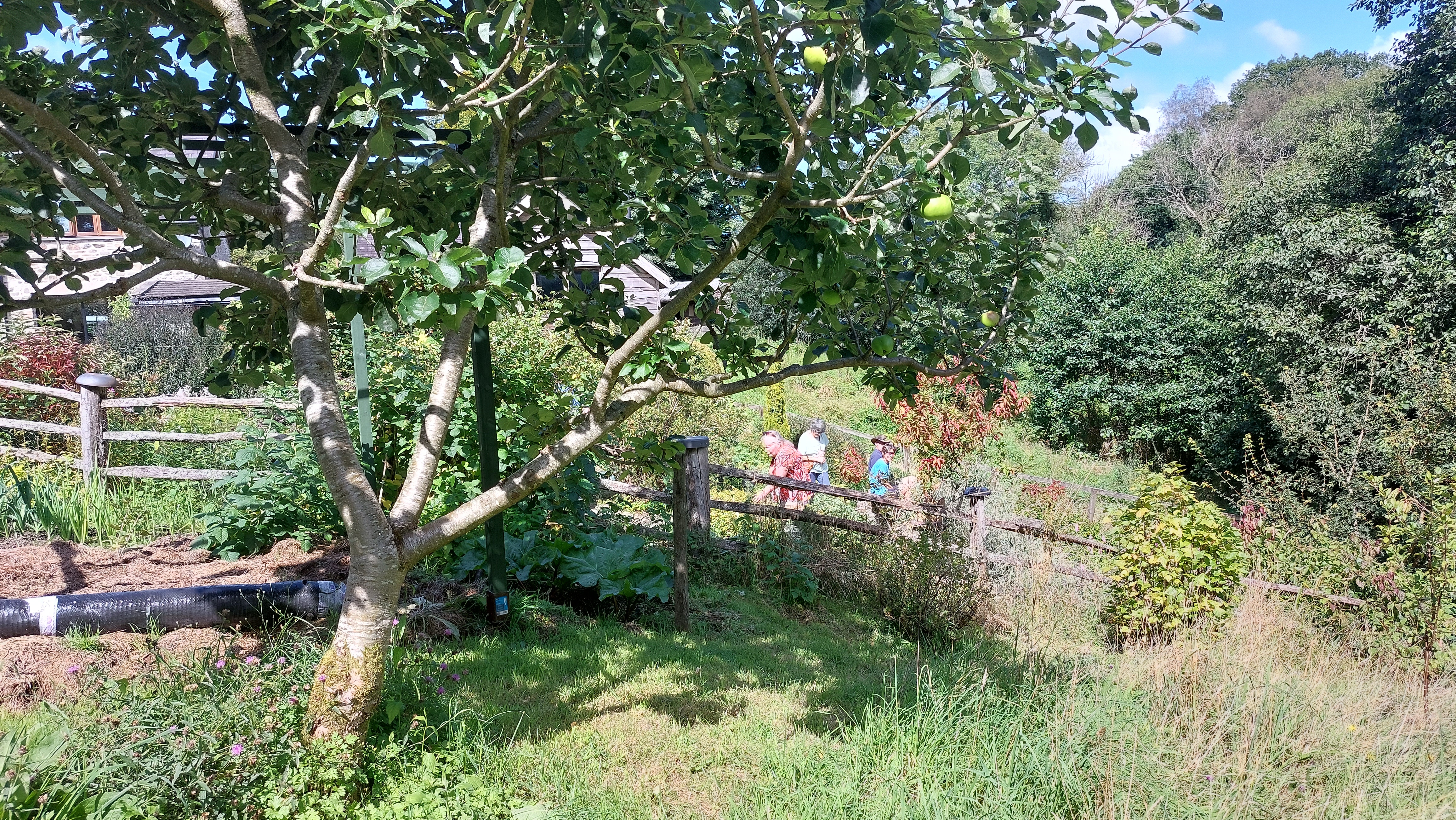
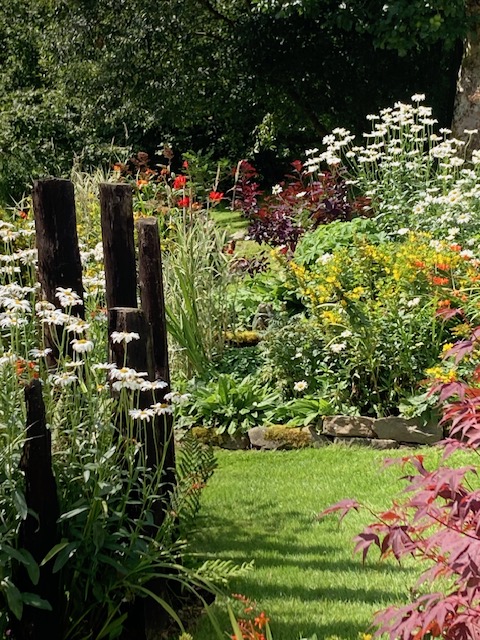
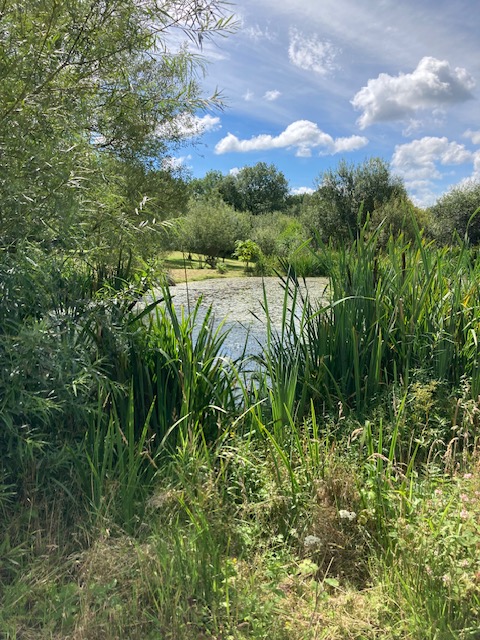
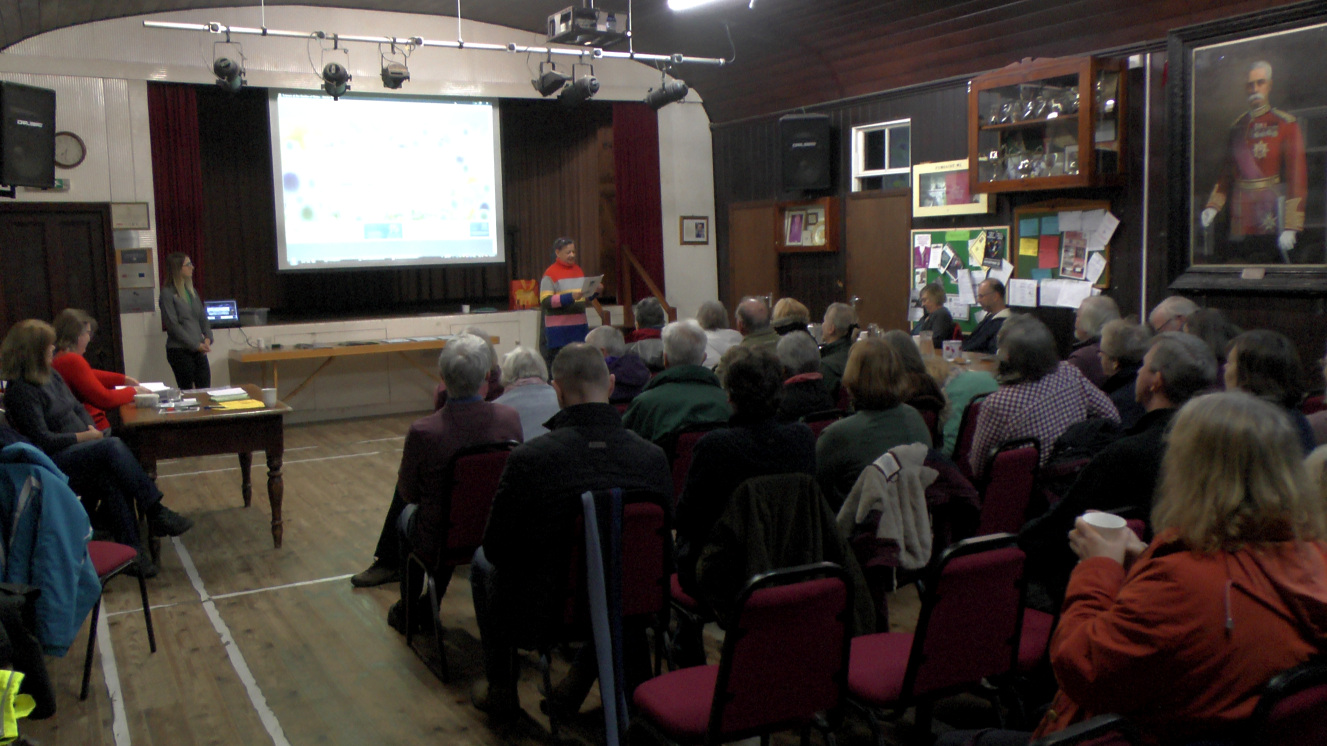
Paula Davies (aka Head Gardener) came to Pumsaint, along with her husband Iain (aka Assistant Gardener), to talk to us about the garden she has created in Ferryside, Carmarthensire, on the edge of the river Towy estuary.

In purely factual terms, the garden is a third of an acre in size, eight metres above sea level (when the tide is out!). It faces west, being exposed to south-westerly winds and considerable precipitation. The soil is sandy clay over Old Red Sandstone, neutral to slightly acid (pH 6.5). To Paula, however, the garden is much more about people, places and time; it’s about the past, the present and the future.

Turning first to the past, Paula told us that her maternal grandfather had been a professional gardener, and as a child, along with her three sisters, her weekends were spent helping in her parents’ new garden or being dragged around other gardens or nurseries. Paula’s passion was drawing and painting and, influenced by books such as ‘The Country Diary of an Edwardian Lady’, she wanted to become an illustrator, perhaps of botanical or children’s books.

Once at art college, Paula discovered textiles and surface pattern, and went on to become a very successful international designer first for interior products and then fashion, always focussing on floral design. Thinking about colour, texture, shape and scale, and using these to create rhythm, repetition, focal points and balance, is a similar process to creating a garden – which came later!

The part-time lecturing which Paul did alongside her design work brought her to Carmarthen School of Art. Here, without any career plan but with a lot of hard work, she rose to become Faculty Manager and met Iain her husband, a handsome photography lecturer. Together in 1998 they bought a run-down modernist house in Ferryside, which at that time came with only a tiny plot. Paula had pots of architectural plants she had moved around various rented accommodation until then. The plants were finally put in the ground, which was then covered in 20 tons of gravel. As far as the garden was concerned, job done – or so they thought.

Then along came their son, and as he started to grow, gravel no longer seemed like the best idea. In 2013 it became possible to extend the plot as the neighbouring farm was up for sale, so that it is now one-third of an acre. And this is the land as it was when they bought it – an overgrown pond, goat willow, reeds, flag iris, brambles, nettles, hogweed, dock.

Paula’s inspiration was a book called ‘The Lost Words’ by Robert Macfarlane and illustrated by Jackie Morris, itself a response to words associated with nature being dropped from the Oxford Children’s Dictionary to make room for words from the world of technology. Paula and Iain wanted their son to grow up knowing and experiencing acorns, conkers, dandelions, frogspawn, herons and kingfishers.

The first stage, after Paula’s father had helped clear the land with his chainsaw, was to bring in a digger to excavate the pond which was clogged with couch grass, and then use the spoil to create different topographies and habitats – the pond, damp meadow, wooded shade, dry slopes. There were all the practicalities to consider, such as light, circulation, viewpoints, usage; then where the sun and shade naturally fall, where to put places to sit, paths, steps and so on. Their son got involved as well, creating drawings for what he wanted from the garden – his drawing of a tree-house perhaps the start of his interest in architecture.

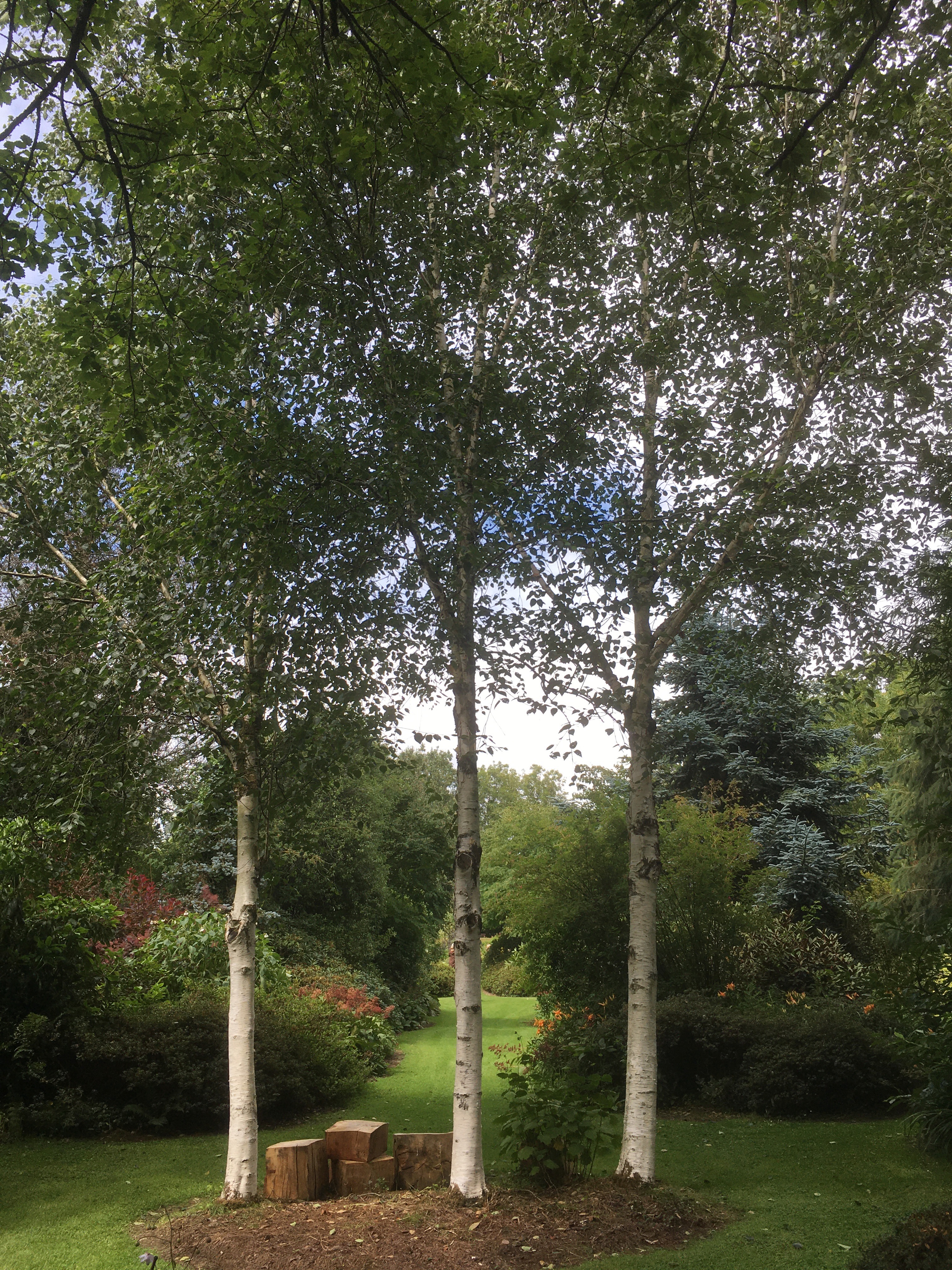
This was to be a garden providing food, water and shelter for wildlife. They planted a mixed native hedge (560 plants!) including species such as beech, blackthorn and guelder rose. They left some goat willow and added more trees for height – six oaks, a golden weeping willow and birch – ‘Snow Queen’ and ‘Trinity College’. The rest of the land was sowed to meadow – with different mixes for different areas. Again, job done – or so they thought. The first year, 2014, the annual wildflowers were pretty as a postcard; the next year it was largely perennials – oxeye daisies with some red campion, knapweed, self-heal etc., but a couple of years later it was mostly grass, despite all the yellow rattle seeds sown annually.

By 2017, it was time for a rethink, aiming for dense planting with variety and succession, and value for wildlife. This time the land was cleared slowly by hand (it took weeks!). In the first section under the oaks a liner was used, and the planting (woodland edge/dry shade) was done through that. Now liner is only used for the paths, and other areas , such as the bog garden, have been cleared section by section, using cardboard to cover the ground over winter before planting. Job done – or so they thought.

The pond is a natural clay-lined pond fed by a spring at the rear and rain water from the roof. It was planted up with marginal plants, floaters and oxygenators, but it was not without its problems – nutrient levels, algae and duckweed. Norfolk Reeds were planted to help filter the nutrients – but they are the bamboo of the water world! After they began invading the land, in 2019 work had to begin to dig them out. This work is still on-going – so job not done!

Then along came the pandemic and lockdown. The garden provided wonderful views while working from home, and technology offered online opportunities for connections with other gardeners – for example @myrealgarden with Ann-Marie Powell – and for learning such as garden design courses with Adam Frost. Meanwhile the battle with the Norfolk Reeds continued, now from within the pond, and the bog garden was planned and replanted, and pond marginals chosen for succession. Lockdown was also a time for reflection, and after 32 years working in education, the tables turned and the lecturer became the student.

In autumn 2021 Paula enrolled on an RHS course at Aberglasney Gardens – the RHS Level 2 Certificate in Practical Horticulture. This was harder than any other course she had done at a much higher level, but very rewarding. At the same time more areas in the garden were cleared with the help of a friend, also a student on the course. After the areas had been left over winter, they were planted up for dry shade and woodland edge habitats. The work continued in 2022 with clearing the steepest area, the upper bank, in the autumn and planting up for a sunny well-drained position in the spring with shrubs, perennials (including fruit bushes and other edibles) and bulbs.

Every section of the garden includes wild flowers, which are either a legacy from the meadow seedbank or sown by the birds. These include red campion, ribwort plantain, and ox-eye daisies, with the addition of native ferns (which were always there) and Epimedium x versicolor ‘Sulphureum’. You have to be selective and choose plants which will work well together.

After finishing the RHS exams, Paula enrolled in autumn 2022 on an online Garden Design Course with KLC School of Design, covering how to build a garden design portfolio – storyboards, moodboards, customer profiles, masterplans, elevations and perspective drawings. All this learning was also being applied at a practical level by creating planting plans for a specific situation or purpose – in this case a wetter slope out of sight of the house to be planted colourfully for the birds and the bees. The course also gives access to CPD with the Society of Garden & Landscape Designers covering the latest thinking in design and sustainable gardening. Through this, inspired by visits to Derek Jarman’s Prospect Cottage at Dungeness, and the Walled Garden at Knepp designed by Tom Stuart-Smith and Professor John Hitchmough, as well as Beth Chatto’s Dry Garden, Paula began to rethink the front garden.

This was designed to be drought tolerant, with sand and grit layered above the topsoil, and mulched with local cockle shells. Then, after the summer of 2022, the driest since 1976, came the wettest winter since 1766! Despite this, the drought-tolerant planting survived the floods. Paula realised that we need to learn to garden in a time of climate change with more resilient plants, more species and more natives; we need to think about the soil and the substrates.

So in the following autumn (2023), she began to rethink the areas under the oaks, and the woodland edge plant communities that she wanted to create. The process involves drawing up plant longlists for these areas, taking into consideration growth type, longevity and competitiveness, in order to create successful plant communities that include natives and well-behaved or controllable weeds. The lists are then refined to reach more considered plant combinations which take into account colour, texture, form etc, and which ensure interest throughout the year as well as good ground coverage to retain moisture and avoid weeds or unwanted self-seeders.

Paula and Iain got involved with garden opening through the Ferryside Garden Crawl starting from 2018. From there connections were made with the National Garden Scheme, for whom the garden has opened since 2024 with 186 visitors raising £1100 for NGS charities, and 272 visitors in 2025. Through the NGS Yellow Book, the BBC Gardener’s World programme got in touch, and came to film the garden in May 2024, which was a wonderful experience, and provided great exposure for the garden when aired.
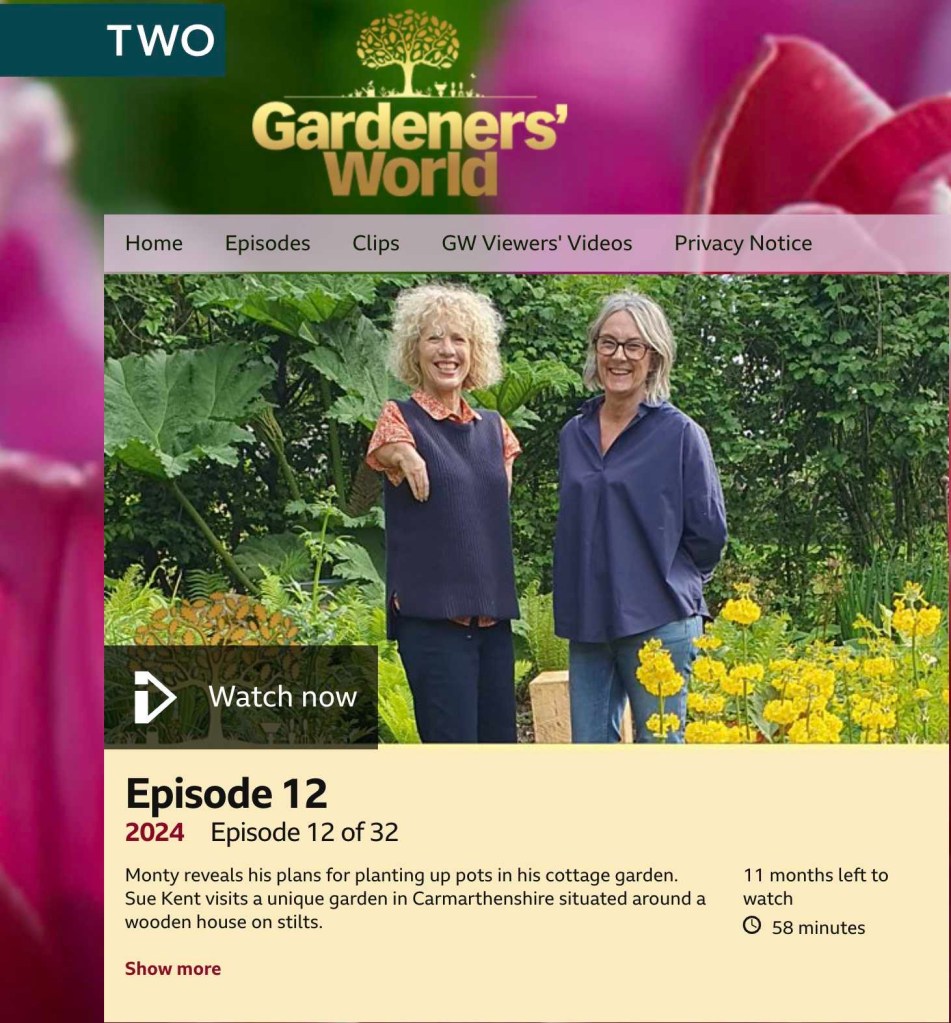
For a number of years Iain had been encouraging Paula to enter the B&Q Gardener of the Year competition, and in 2024 she finally did so in the ‘Most Sustainable Garden’ category – which she won!

In June 2024 photographer Sarah Cuttle had visited the garden to take photographs which were then used by Gardens Illustrated Magazine in an article written by Alys Fowler. That was when Paula realised how much she and Iain had achieved by attracting so much wildlife and creating a magical place for their son to grow up, knowing all the ‘Lost Words’ and having seen them in the garden.

For the future, Paula plans to continue to work with wildlife at the heart of the garden, completing the Garden Design course and implementing the learning. As she now knows, a garden is never finished – and the job is never ‘done’!

Members would be invited to visit ‘The House on Stilts’ on 31 May at 2pm, details to follow by email.


Next Meeting

Cothi Gardeners’ next meeting will be held on Wednesday, 18 June at 7.30 pm. Our very own Mair Evans will be giving a talk on ‘Pelargoniums and Geraniums’, which is bound to be fascinating, and as a bonus she will be bringing along plants for sale!


Summer Social

Members, save the date! On Wednesday, 20 August Cothi Gardeners’ summer social will take place at The Plough Inn, Felingwm. We will be able to order delicious pizzas of our choosing, and hear a talk on dahlias by Joseph Atkin, owner of The Plough Inn and former Head Gardener at Aberglasney Gardens. A real treat in store!


‘A Gardener’s Dream Itinerary’

A recent article in The Guardian newspaper has highlighted how lucky we are to live where we do. It is entitled ‘A Gardener’s Dream Itinerary: a Tour of Carmarthenshire, the Garden of Wales‘ and is a very nice write-up of gardens and a nursery we know and love, and you may just spot a reference to our Summer Social venue!

August Social

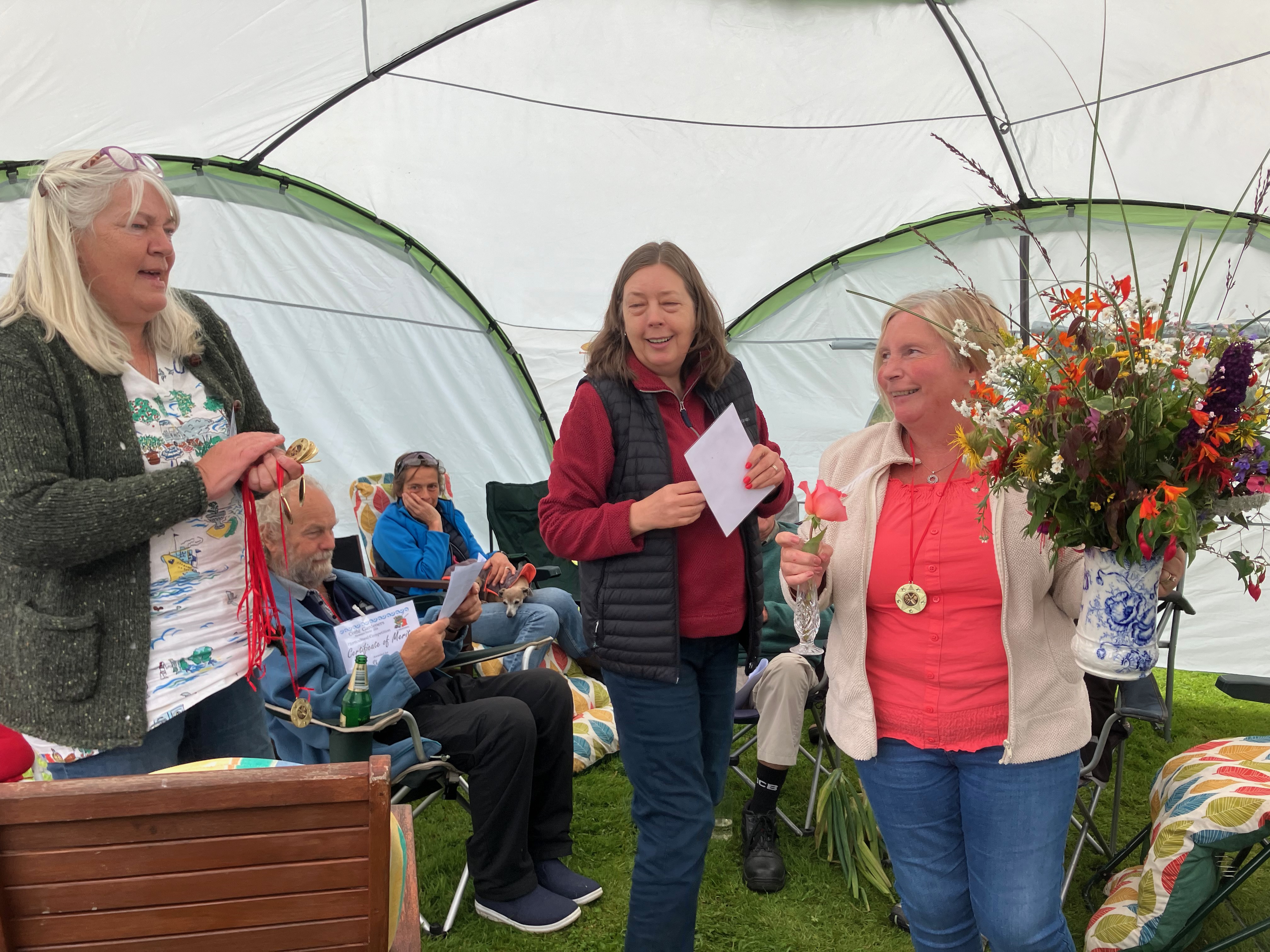
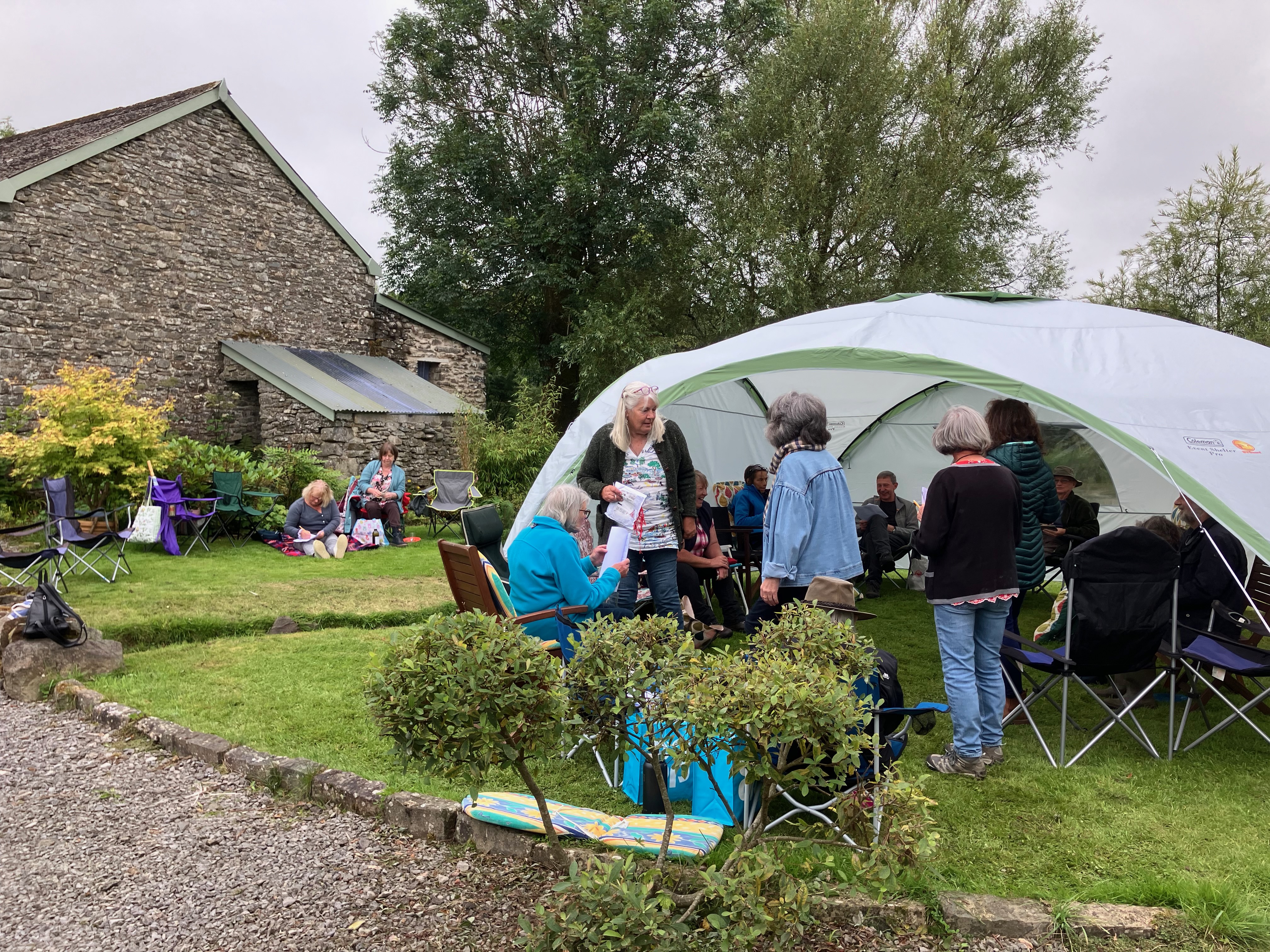
The Cothi Gardeners annual social, hosted by our Chair Dawn, was held on an overcast, but fortunately not rainy (at least not until the end, when the remains of Storm Ernesto arrived!) day, allowing us all to make the most of the wonderful garden in Ffarmers, and the activities arranged. Plenty of members brought along produce or flowers for the various competitions, and the table was laden with savoury delights and delicious cakes for us all to tuck into.


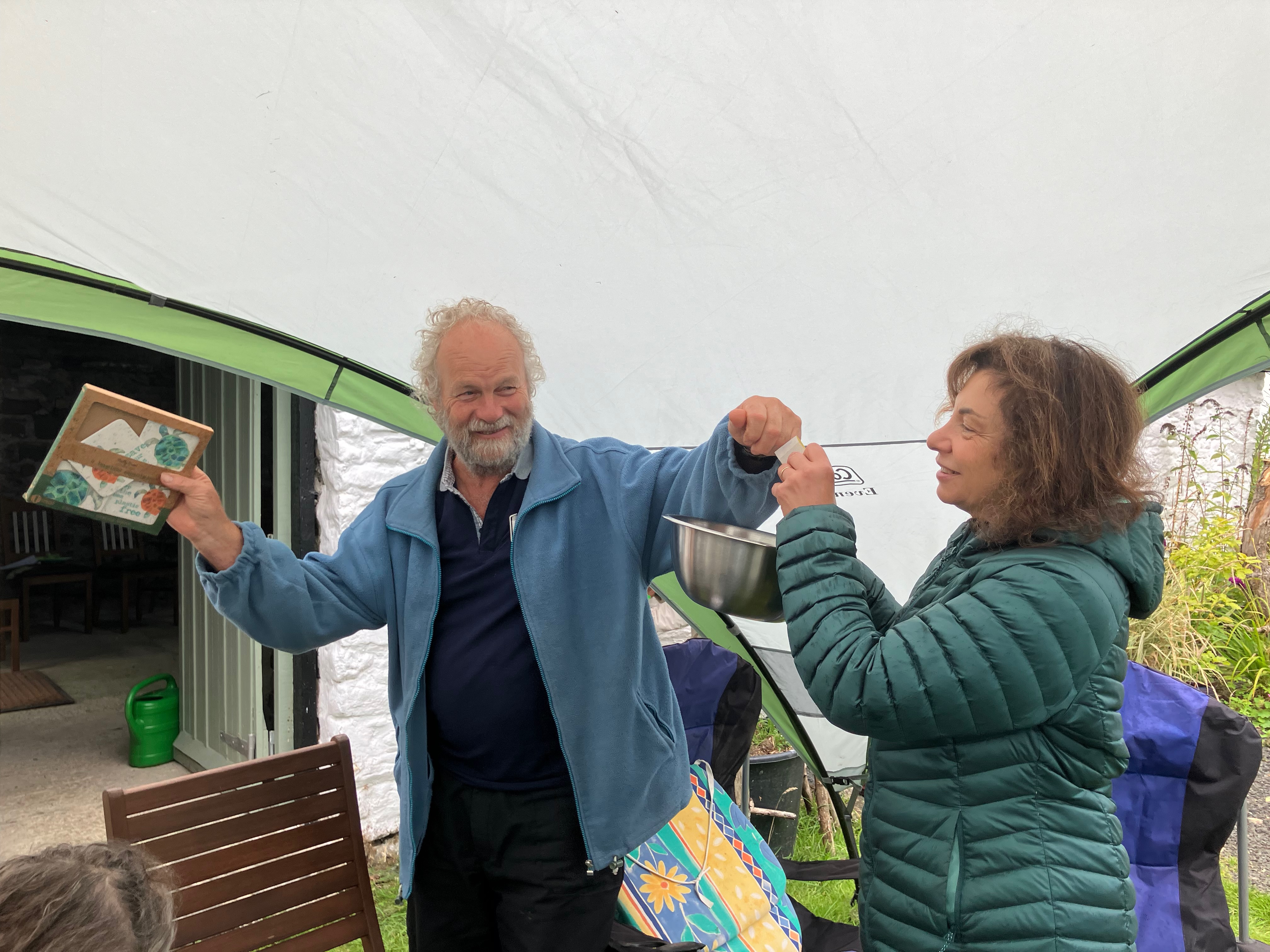
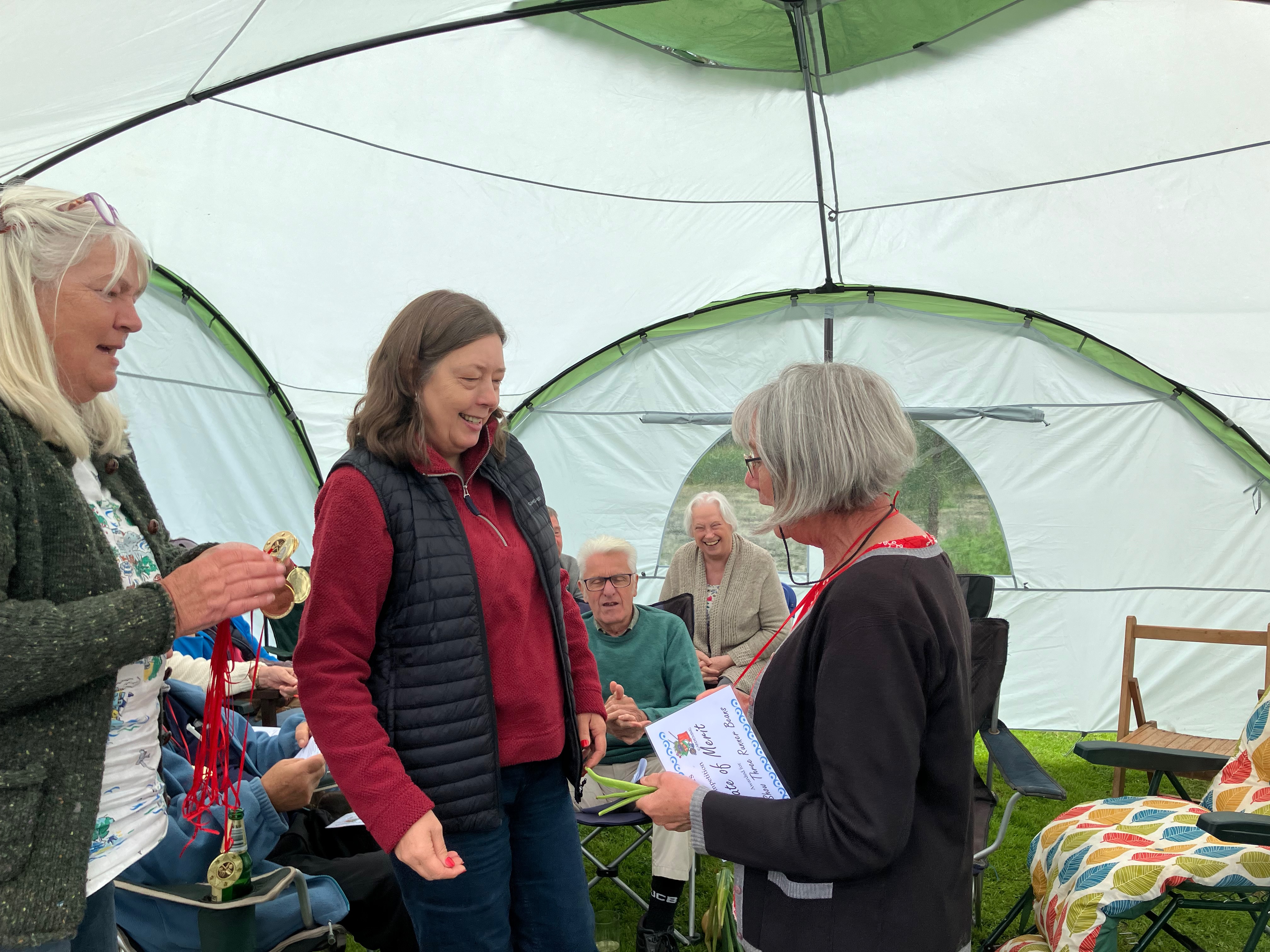
After much conversation over the food, the results of the raffle and the competition prizewinners were announced. There were a total of six prizes for the raffle, which also benefitted the Club’s funds.


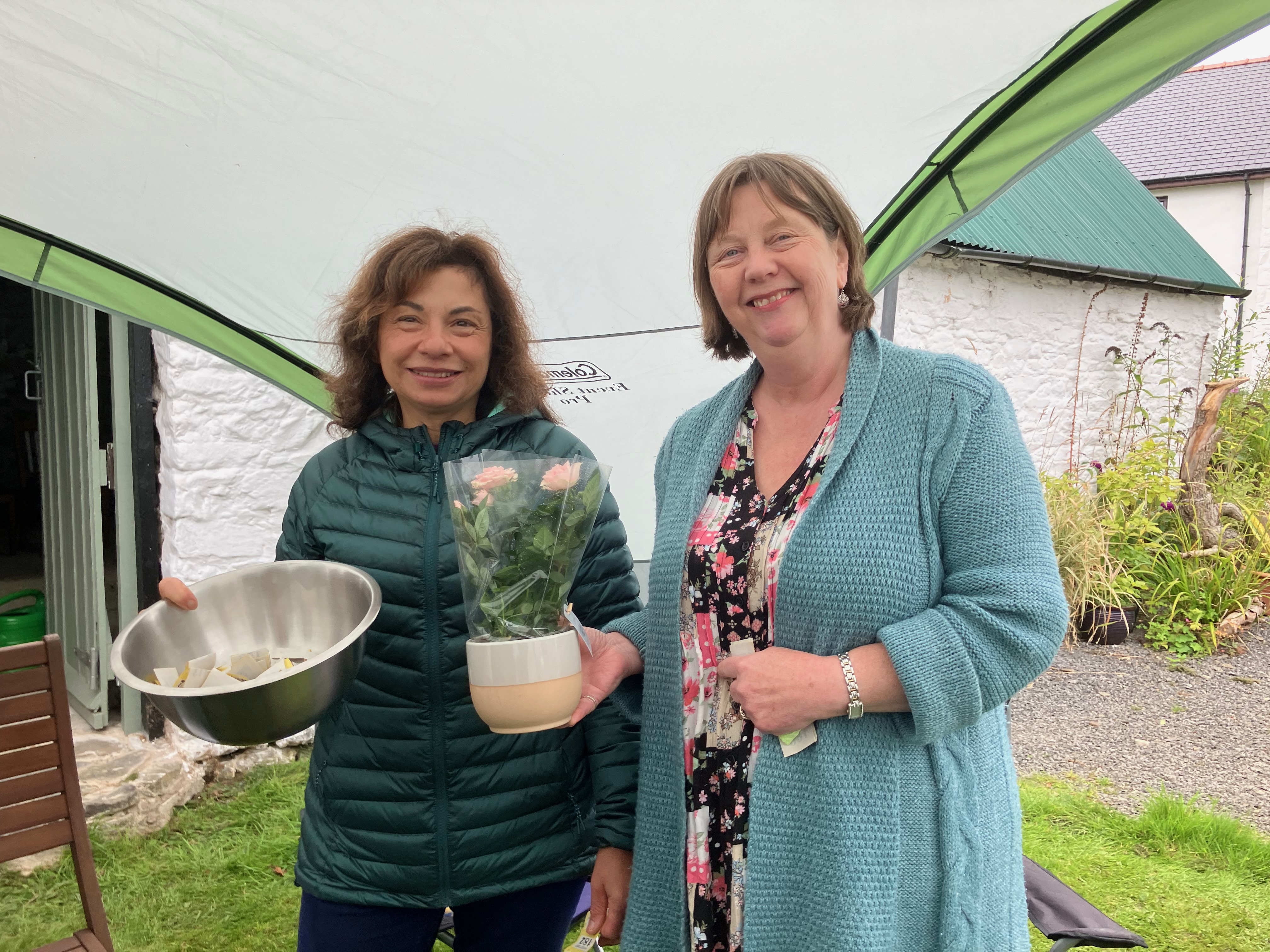
Certificates and medals were awarded for the best exhibit in each category, ably judged by guests Angela and Martin. Rob won the prize for the largest weed (by definition of being a plant in the wrong place, not an undesirable plant). Jenny claimed the prize for the best three runner beans, and Honour for the best flower arrangement and also single rose. Amanda won for best single dahlia, and the best potatoes. 


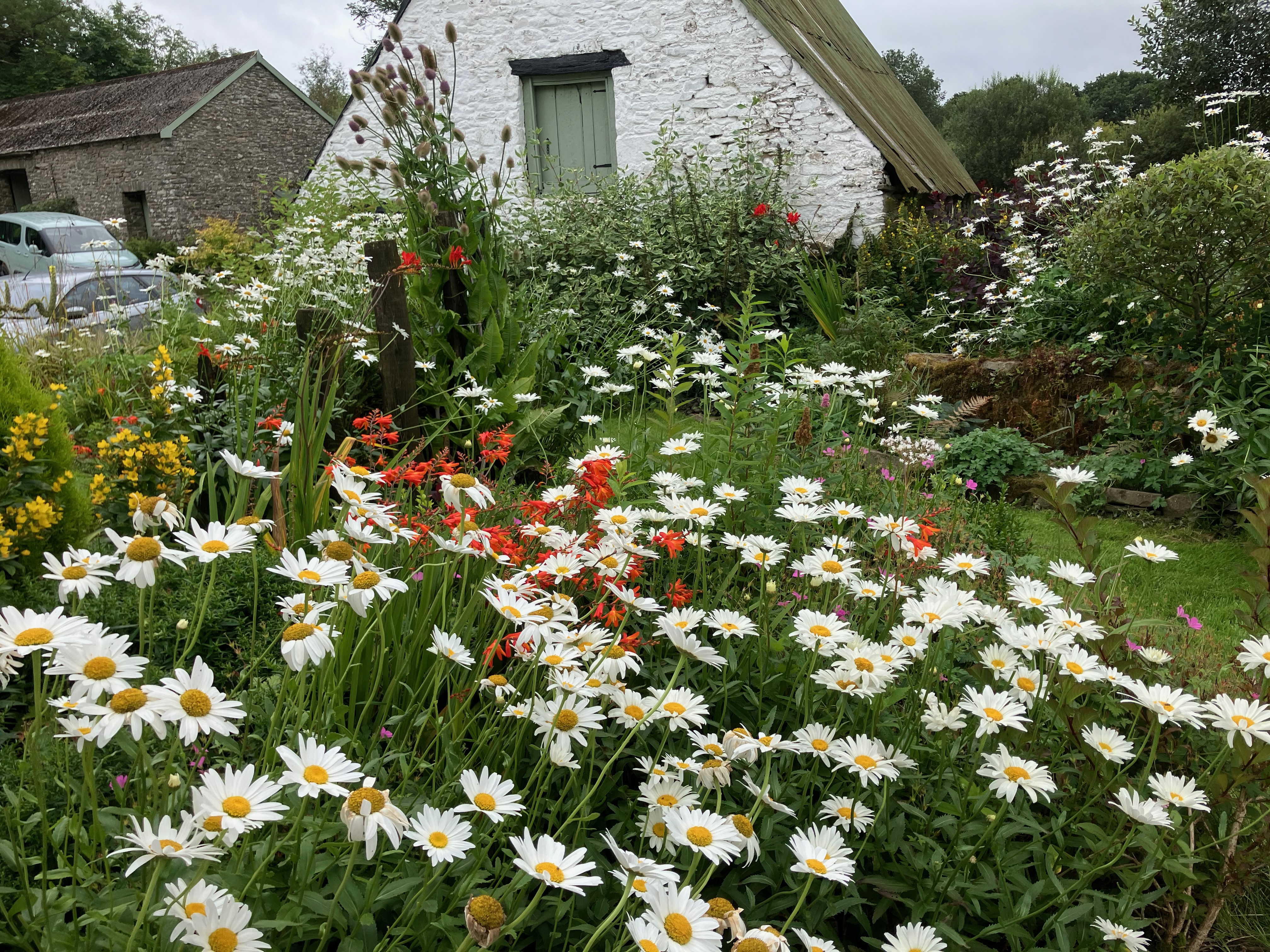
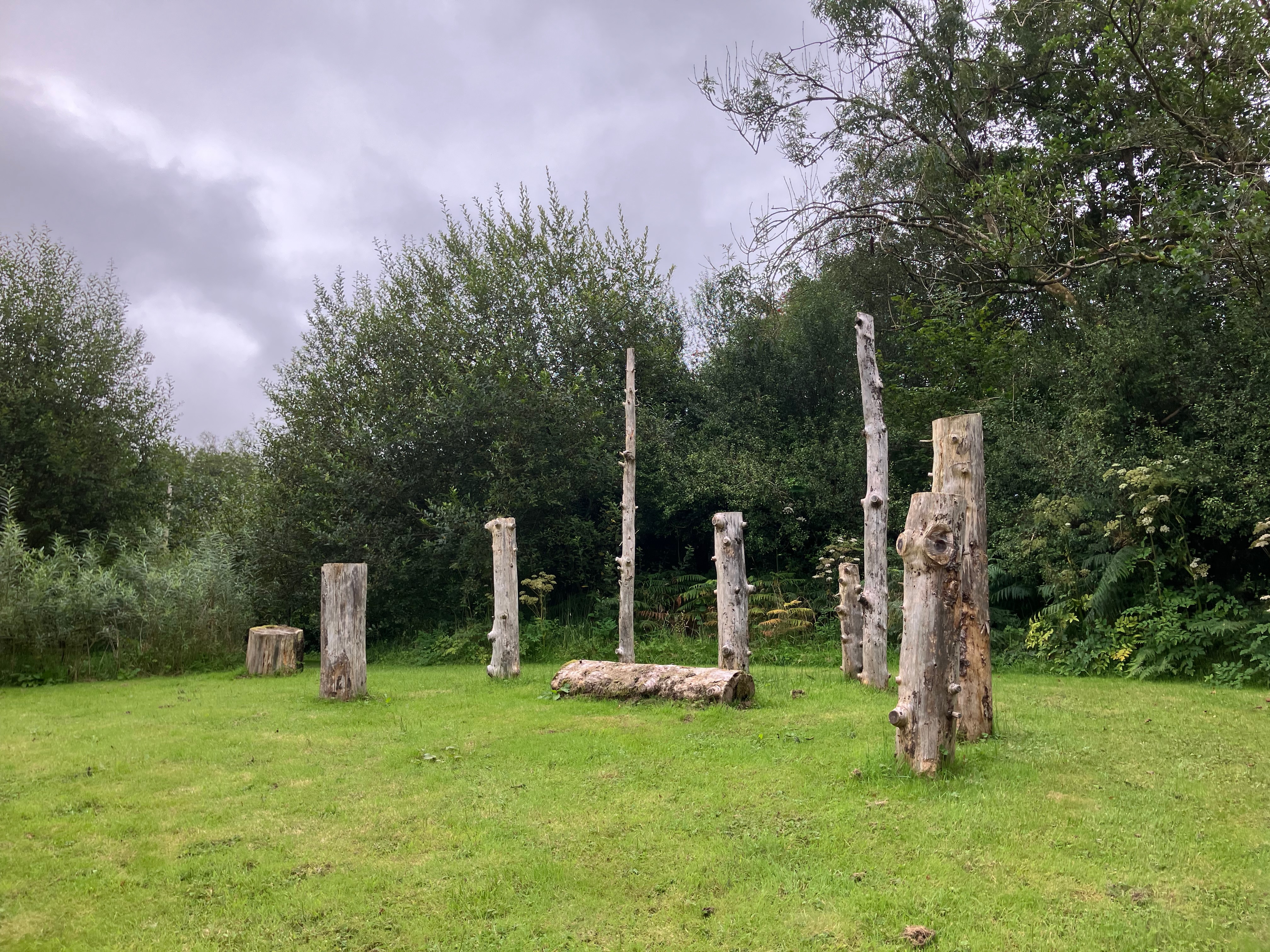
After that Dawn gave us a tour of their garden and land bordering the River Twrch and encompassing SSSI areas including swathes of Devil’s Bit Scabious, the food plant of the Marsh Fritillary butterfly, in perfect flower when we visited. I think that everyone was impressed with the natural beauty of the site and what Dawn and Nick had achieved in removing the overgrown brambles from much of the land, as well as creating a lovely more formal garden around the house and barns.

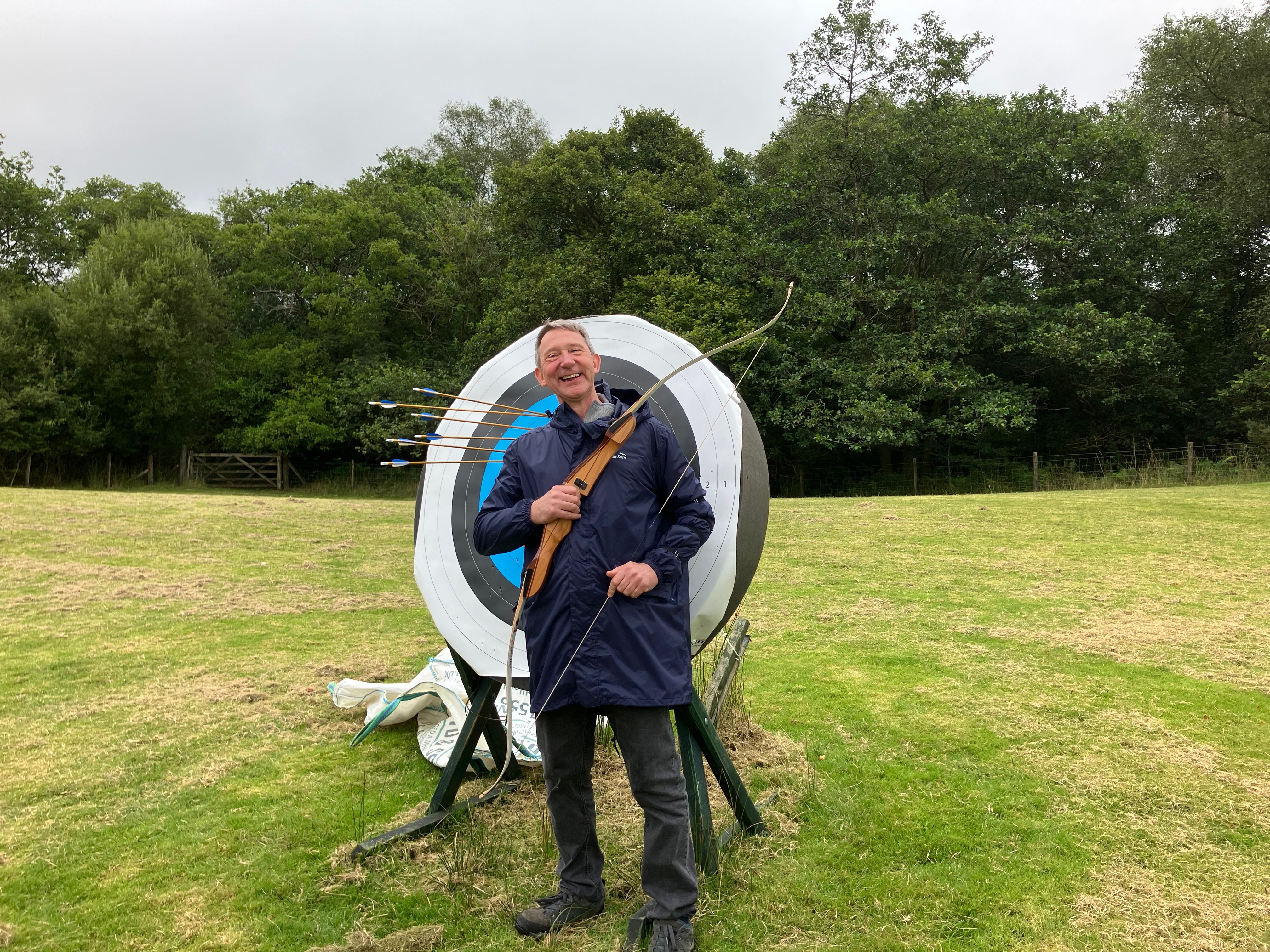
There was also an opportunity to try our hand at archery, with Nick a very friendly and able instructor. Let’s say that some of us were better than others, but everyone thoroughly enjoyed the experience. 

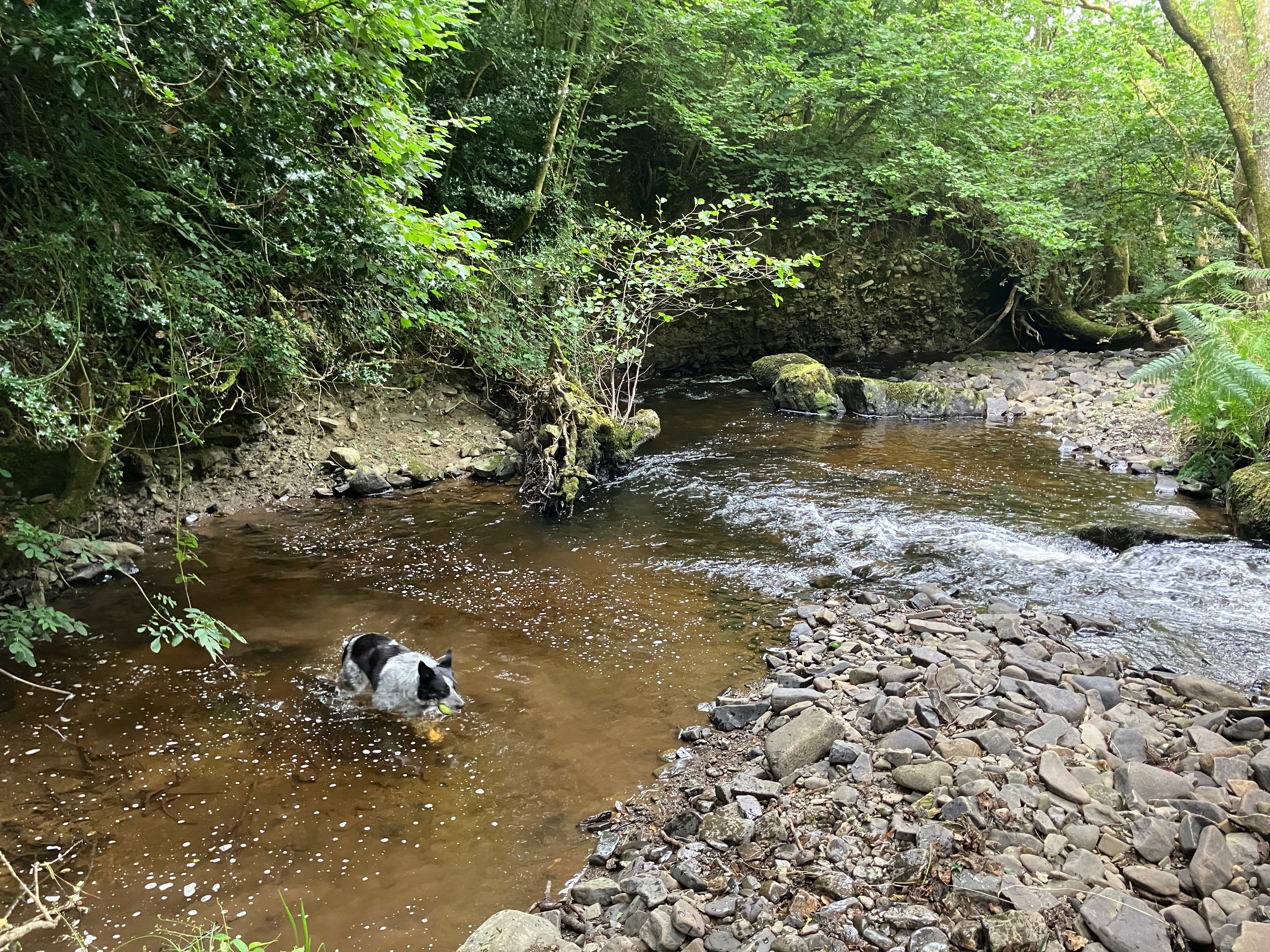
We all enjoyed meeting Dawn and Nick’s lovely dogs, who played a full part in the proceedings and many balls were thrown during our walk. All in all it was a fabulous day out, and the raffle and plant sale (thank you Rhoslwyn Plants) raised welcome funds for the club. 


AGM; Website Update

The Annual General Meeting of the Cothi Gardeners Club was held on 21 February 2024. Elena Gilliatt, the outgoing Chair, gave her final Chair’s report on a year packed not just with great talks (organised by Fiona and ably managed by Amanda and Carol) but also garden visits:

  • In June we had a wonderful Mad Hatters Tea Party at Gelli Uchaf, Fiona and Julian’s amazing NGS garden. What a lovely afternoon; fab hosts, loads of mad hats and we raised £80 for club funds!
  • In July we visited Paul and Liz O’Neill at their wonderful garden in Whitland, coming away laden with plants, gardening tips and planting ideas.
  • In August, our summer social had us touring 3 member’s gardens. Thanks to Jane, Jenny & Gordon and Dawn for making us so welcome and sharing their lovely, and very different, gardens.
  • At our October meeting we were treated to 3 mini talks by members Sheena, Sally and Elena. The response was great, so hopefully other members will share their gardens with us in the future!
  • At the beginning of December, 36 of us visited Ystrad Garden Centre for a demo and tea. Thanks to Amanda and Carol for organising such an enjoyable afternoon. A great way to round off our gardening year.

Thanks were extended to all outgoing Committee members for their contributions, and in particular to Elena for chairing the Club so enthusiastically and steering it through the difficult Covid years.

After the AGM came a delicious buffet of savoury dishes and cakes contributed by those attending, followed by an extremely challenging quiz on varied topics, not just gardening, compiled and organised by Carol Clarke.


Website Update

The Cothi Gardeners website has now been updated to include the new programme for 2024, upcoming events will be listed as and when we are advised of them, and their are additions to the Members’ Gardens and Surplus to Requirements sections. Please take the time to peruse the new content by following the links above, and if you have any ideas for new content or would like to contribute a piece about your own garden, please contact cothigardeners@gmail.com.


August Garden Safari and Picnic

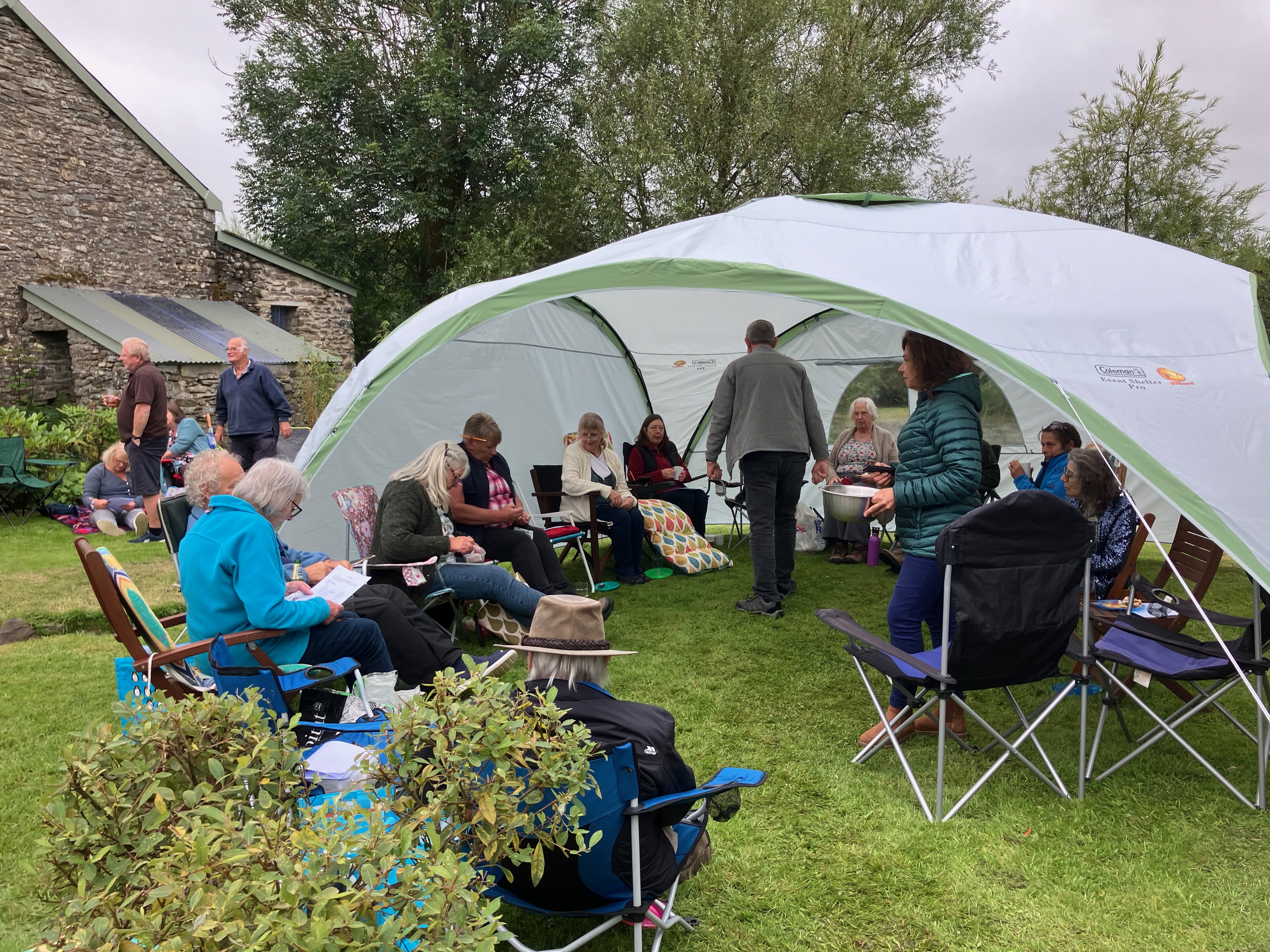
Previous garden safaris had been very successful and popular occasions, so for this year’s August event it was decided to repeat the experience, with members offering three gardens for the safari in Crugybar, Ffaldybrenin and Ffarmers. It was our great good fortune that, despite the grey and soggy conditions that have prevailed for much of August, we had a lovely sunny day for it. An enjoyable time was had by all, there was much of interest to be seen in all the gardens, and great thanks are due to those who opened their gardens for us. Here are a selection of photos from the day.

Jane’s Garden

Jenny and Gordon’s Garden

Dawn and Nick’s Garden


Conservation and Propagation of Native Welsh Plants at the National Botanic Garden of Wales

The talk at the July meeting was given by El James, Horticulturalist at the National Botanic Garden of Wales. For background El told us that the National Botanic Garden had opened in 2000, meaning that at 23 years old it is very young for a botanic garden. The advantage of this youth is that there is a freedom to experiment, which is sometimes absent when traditions have to be adhered to. The Garden houses the largest single-span greenhouse in the world (this still remains true 23 years on), housing the Garden’s Mediterranean plant collection. The total acreage is 560, with the ornamental gardens making up 180-200 of those acres; the rest of the space includes recently restored parkland with lakes, cascades and waterfalls and the Waun Las Nature Reserve. The Garden also houses the national seedbank and herbarium.

El explained that she started work as an apprentice at the National Botanic Garden four years ago (the scheme has been running for 10 years). For the last year she has been looking after the nurseries and Welsh plants section. There is a Welsh Native Compound in the Garden, although it is rather out-of-the -way, and there are hopes to redevelop that and bring Welsh native plants into more prominence within the Garden.

Within the Welsh Native Compound they aim to mimic the habitat found in four specific wildlife areas within Wales: the Breidden Hills in Powys, Cwm Idwal in the North, Kenfig near Bridgend, and the Great Orme near Llandudno. By having an area where these native plants can be seen, it is hoped to encourage more people to grow native wild flowers in their gardens. With native plants, it is not just about those with attractive flowers ( the ‘lookers’) – so many of them are associated with great stories from history and mythology.

The Botanical Society of Britain and Ireland recently released the Plant Atlas 2020, providing an overview of the distribution of plants in Britain and Ireland, and showing just how threatened many plants are. There are now more non-native than native plants in the UK! At the Millennium Seed Bank at Wakehurst Place they have banked 98% of UK flora from at least one population of each plant. However, as of 2019, 75% of Welsh plant populations had not been banked, and this is the rationale behind the Welsh seed bank at the National Botanic Garden. It is important to have seed from different populations, as plants growing in different parts of the country may have difference characteristics and require different conditions. El has recently been propagating Rumex rupestris, the shore dock, which is one of the most threatened vascular plants in Europe. She needs to grow on 150 plants from seed collected in south Wales, and currently has 20! It is important to have seed saved from this Welsh population, in addition to seed previously saved from the population in south-west England.

Dr Kevin McGinn is in charge of developing the National Seedbank of Wales and the Herbarium at the National Botanic Garden. The aim is to collect seed from all red-listed plants (50% of the seed to be stored at the Millennium Seed Bank and 50% at the National Seedbank of Wales), focussing on species that do not yet have Welsh-origin collections at the Millennium Seed Bank. At the Science Labs at the National Botanic Garden, the seeds are stored in freezers. In some cases this works well as the freezing process acts as stratification, but it can also cause some seed to go into deep dormancy, so different strategies for germination are required.

The team only collect seed from areas where they have the permission of the landlord, and when they visit a site it is to collect seed specifically from one or more species. There are strict rules and regulations which govern seed-collecting; only up to 20% of seed is ever collected, and depending on populations or circumstances it can be 10% or less. One of El’s favourite sites is at Baglan near Port Talbot, an old industrial site where wildlife has regenerated. On her first visit there she was fortunate to locate Clinopodium acinos, wild basil-thyme, almost immediately, growing in rubble and out of old brickwork. In terms of scenery, a visit to heathland in Anglesey to look for seed of Viola lactea, the pale dog violet, was a great contrast. Anglesey has also been visited to source seed of Hottonia palustris, the water violet. Close to Anglesey is the Treborth Botanic Garden, part of Bangor University, which is well-worth a visit. Another seed-collecting visit in partnership with the Millennium Seed Bank was to Pembrokeshire to collect seed of Populus tremula, the poplar tree.

Once seed has been collected, along with a herbarium specimen, details are entered on the IRIS database. In time, it is hoped to digitise the herbarium collection. The Garden Explorer database can be accessed online to see details of any plant in the National Botanic Garden, including photographs and location(s).

Another major activity in the summer is the harvesting of green hay from the Waun Las National Nature Reserve. The hay meadows are managed specifically for wild flowers, and include many different varieties. of orchid. In partnership with the National Trust, green hay is being laid around Paxton’s Tower to encourage a greater diversity of wild flowers in that area. It is quite a labour-intensive process to dry the seed laid out on tarpaulin and then sieve it. The seed is usually sold in bulk, but some years it is available in small quantities from the shop at the Garden.

El gave us a fascinating and very informative talk, brimming over with her enthusiasm for her subject and chosen career. The audience had plenty of questions and comments, and thanked her for such an interesting evening.


Mad Hatter’s Tea Party

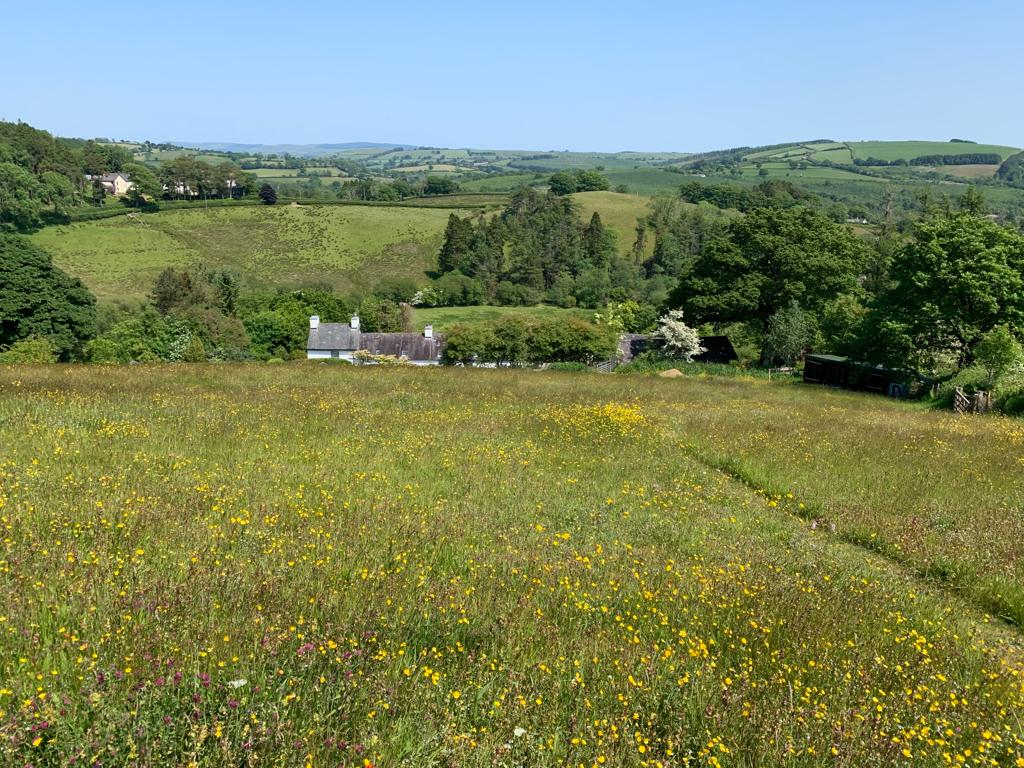
In early June, to take advantage of the amazing weather at that time, a Mad Hatter’s Tea Party was held for members at the wonderful Gelli Uchaf garden for the purpose of viewing the garden, particularly the wild flower meadows, sporting a mad hat and consuming a delicious tea.

The wild flower meadow was at its peak, everybody had brought quantities of amazing sandwiches, scones, cake and seasonal berries, and the hats were inventive, inspiring and humorous. The sun duly shone, and laughter and good conversation abounded.


Visit to Llwyngarreg Garden

Following a fascinating talk from Paul O’Neill at the June meeting of the Club, our Chair arranged a visit for members to Paul and Liz’s garden, Llwyngarreg, on the border of Carmarthenshire and Pembrokeshire, for mid-July. It had been very wet, but the rain managed to hold off for the entire afternoon! And what a privilege to be shown around the garden by Liz and Paul, in the sun, to hear its history and how it’s changed, and to be the beneficiaries of all their insights into the plants that they grow.

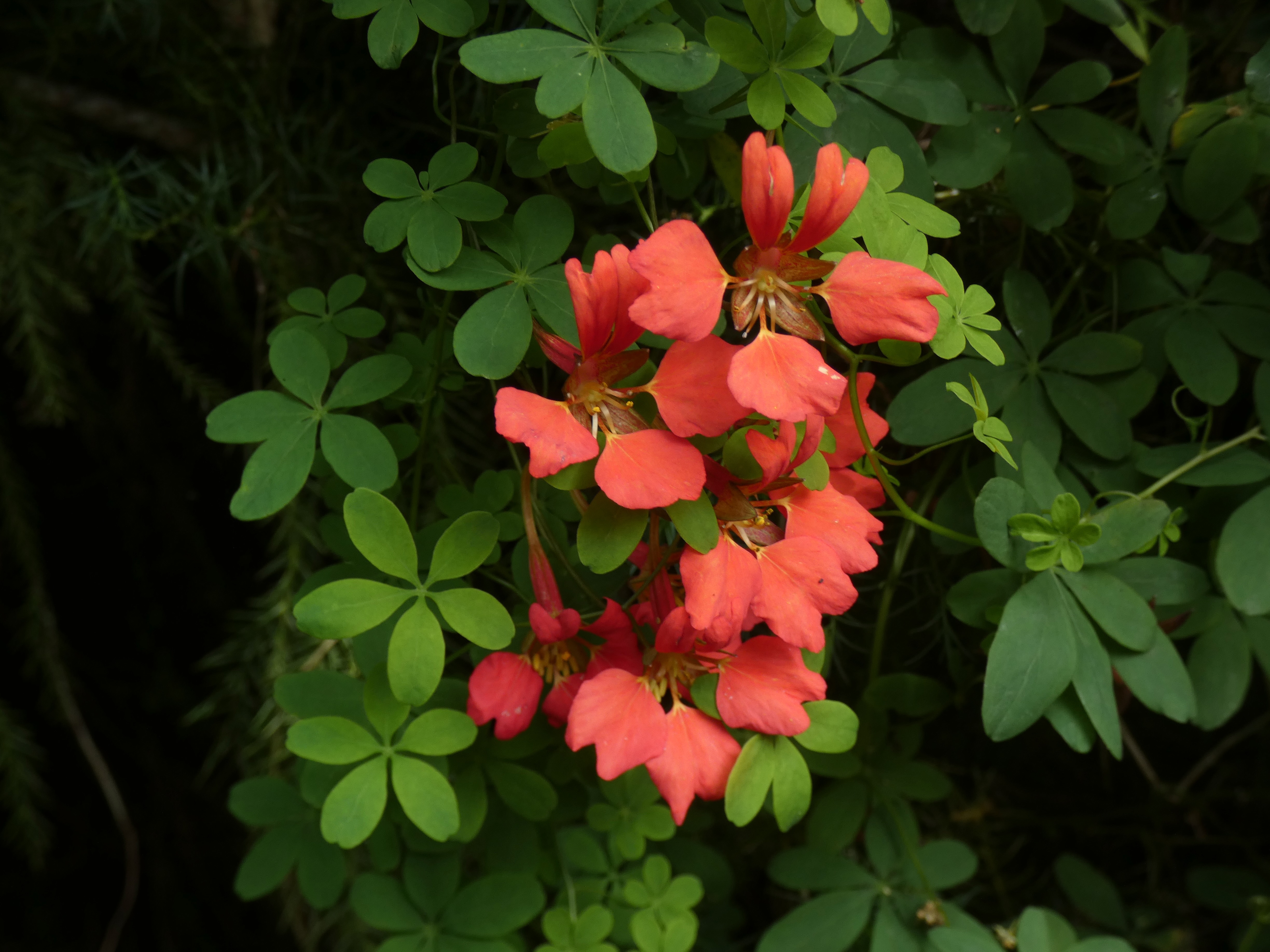
Appropriately, given Paul’s love of bamboos, the garden visit starts with a walk through a bamboo tunnel. This illustrates Liz and Paul’s readiness to adapt with changing climate conditions – it was previously a willow arch, but with time proved too dry for the willows, so they were replaced with bamboo. Willows still play a big role in the garden with various inventive seats and structures made from them. Bamboos are a major feature, with many unusual varieties including Borinda macclureana (a Keith Rushforth collected seedling, now many metres high). There is a real focus on trees (the acers are all grown from seed) and shrubs, particularly rhododendrons, including a number of the large-leaved varieties – many of which also are grown from seed. In mid-July we saw the beautiful and scented Rhododendron auriculatum, the latest flowering species rhododendron. in flower at just 7 years from seed! It was the first time that I have seen the gorgeous scarlet climber Tropaeolum speciosum growing through shrubbery outside Northern Ireland or Scotland.

We all exclaimed at the profusion of Agapanthus (campanulatus hybrids) growing in the soil in the garden. Paul explained that everyone is surprised – they grow here both in 2.5 metres of wet peat, and also 2.5 inches of gravelly soil over rock – two completely different environments. They looked spectacular with orange crocosmia in peat, and with dierama in the gravel beds.

There is so much variety in the garden: after exploring the trees, shrubs and bamboos, we emerged onto lawns with lovely perennial borders and a Japanese-style bridge.

After tea and cake (of course!), and arguing amicably over plants in the sales area (of course!), we made our way home. But not before Paul showed the bamboo aficionados two very unusual specimens – the walking stick bamboo with its swollen nodes (invasive), and Himalayacalamus falconeri ‘Damarapa’ with its colourful striped canes (too tender, I fear, for mid-Wales).


Happy New Year!

Happy New Year to everyone.

This is a brief post to let you know that our 2022 programme starts next week. We are having the first two meetings by Zoom and then will hopefully be able to have ‘in person’ meetings from March onwards – fingers crossed!

Next weeks’ meeting is on Wednesday 19th January, 7.15pm for a 7.30pm start when Carole Whittaker will be talking to us on “The History, Medicinal Qualities and care of Monarda

These beautiful perennials from North America have been utilised since 2,500 BC by the Native American peoples for their medicinal qualities.  But the history does not stop there!  The talk covers all aspects of caring for these unusual, late summer perennials.

Carole and her husband, Pete, have established a beautiful garden, Glyn Bach, in Pembrokeshire which is home to their National Collection of Monarda. The garden is open through the NGS and Plant Heritage. Click here for their website.

If you would like to join the Zoom meeting and have not received the email with the invitation please contact Fiona at cothigardeners@gmail.com so she can send it through to you.

Monarda Collection at Glyn Bach Garden ©Carole & Pete Whittaker

For the rest of the years’ programme click here. NB we plan on holding our much delayed AGM at the March meeting.

Pollinator Research at the NBGW; Murder, Magic and Plant Potions; Upcoming Events;

We enjoyed a really successful first meeting of the year, even though Lucy, one of our two speakers from the National Botanic Garden of Wales, was unable to make it. Abigail nobly stepped in to cover both their areas of research on pollinators, and in addition had to cope with a laptop failure part way through. Thank goodness for Colin and Mark – Cothi’s own PC techies – for sorting it out swiftly so the talk could continue.

Abigial described Lucy’s work trialling several commercial mixes of annual plants to create pictorial meadows, and assessing just how good the various plants are at attracting the numerous different classes of pollinating insects. Actually it seems only a small percentage of the flowers included in most mixes seem to attract pollinators. ( 2 out of 15 species of plants in June; 6 out of 25 species in July; 6 out of 35 species in August). Lucy is hoping to build on her early work and develop her own mix of seeds to have wider appeal to the hoverflies, bumbles, honeybees and solitary bees which we’ll all have visiting the flowers in our gardens. 

Abigail, who is studying for a PhD at Bangor in association with the NBGW has built on the earlier work of PhD student Laura Jones. She discussed her own work on the analysis of pollen samples both in the honey of bees kept at the NBGW, by using DNA metabarcoding of these samples, and in addition looking at pollen obtained from other solitary bees and hoverflies. She’s trying to establish the plants most commonly visited out of the huge potential range of flowering plants grown at the NBGW site.

In addition the NBGW team have also analysed the DNA in pollen found in honey samples sent in by bee keepers from across the UK.

This has highlighted some fascinating information including:

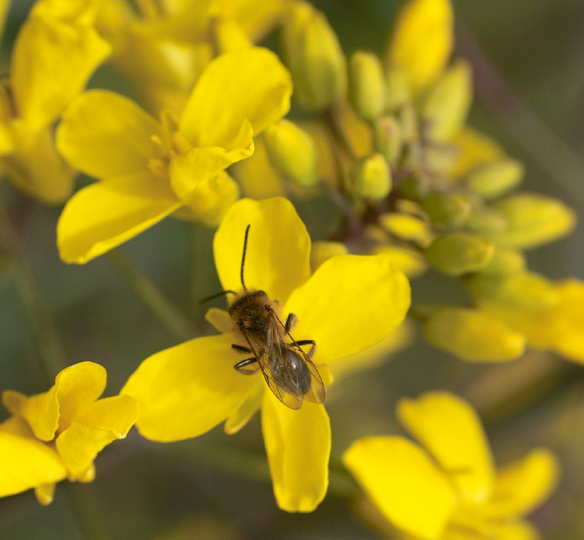
Only 44 plant taxa were found in more than 5% of the honey samples, and only 4 plants were identified in over 50% of samples. These were Rubus species – mainly brambles; White clover; Brassica – above (e.g. Oil seed rape); and the Maleae tribe – e.g. Hawthorn, Malus (apple – below) and Cotoneaster.

There are peaks of different flowering plants through the seasons, as one might expect  – from Acers, Malus and Prunus in April; Dandelion and Gorse in May and June; Bramble and clover in July; and Heather and Himalayan Balsam in August/September. 

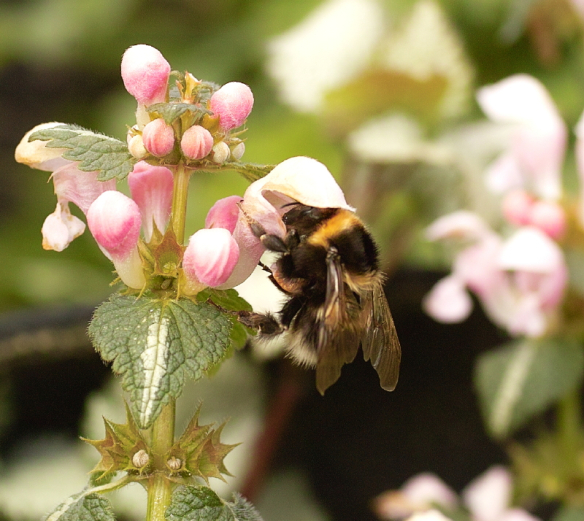
As far as honeybees are concerned the vast majority of their food comes from native woodland and hedgerow plants in spring : Willow, Hawthorn, Cotoneaster, Apple and Cherry, Gorse, Sycamore, Holly, Oak, and Dandelion. Hellebores are the most widely used non native.

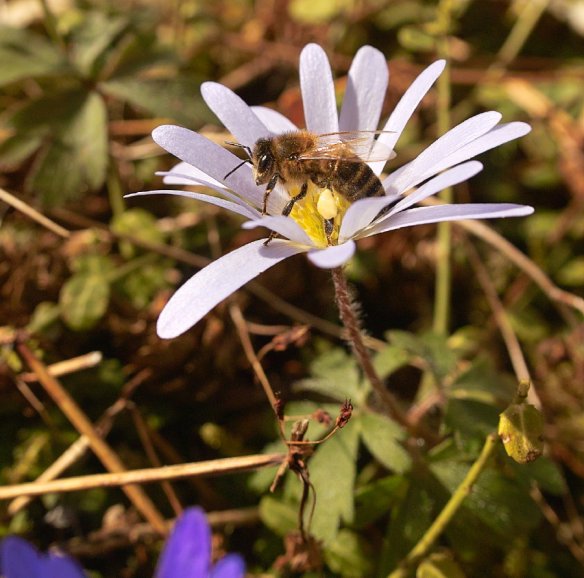
Other ornamental garden plants of particular value include : Paeonies, Camassia, Muscari, Viburnum, Wallflowers, Ornamental Alliums, Skimmias, Anemone (below), Roses, Flowering Currants.

For more detailed information on the work in this area at the NBGW, please click here.


Our next meeting is a talk by Marion Stainton, on Wednesday March 18th. As always, the hall is open from 7 pm onwards and help with setting up and refreshments is always welcome, before a 7.30 pm start time.

‘Murder, Magic and Plant Potions’

Marion is active in a broad range of horticultural projects for domestic, commercial and community gardens and spaces.  Her interests are in sustainable, environmentally friendly gardening, including pest management, vegetable growing, plant & garden history and the science behind plants and their uses. She opens her own garden in Herefordshire for the NGS. Marion gives this introduction to the intriguing talk title:

‘An arrow tip poison: a witches flying ointment: a murderous potion & deadly poison; addictive; with psychoactive properties; a wine that may help prevent flu; a cause of severe stomach upset & a cure for cancer; one to induce heart failure; another to reduce the risk of heart disease.  These are all properties of plants that can be found in or near your garden, plus quite a few more.  Add to this some myths and folklore and you have a fascinating alternative view of those lovely plants we walk innocently by every day.  You will never view your garden in the same way’.


Some more local events which might be of interest to members:

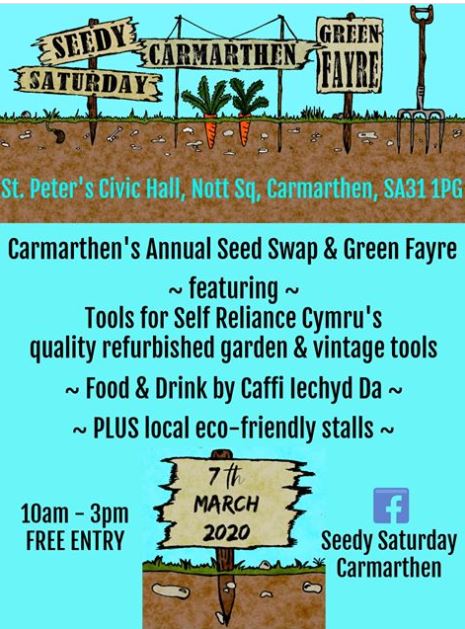
This Saturday, March 7 th in Carmarthen :

More details on their Facebook page.


Span Arts BIG Plant Sale are delighted to be hosting BBC 4’s Gardeners’ Question Time on Wednesday 25 March 2020, at The Queen’s Hall in Narberth.

The celebrated panel of gardening experts, including Chris Beardshaw, Pippa Greenwood and Anne Swithinbank with Kathy Clugston in the chair, will be tackling the questions put to them by local gardening enthusiasts.

The panel members have been guests of a diverse range of gardening clubs and other organisations; including recording at the top of Mount Snowdon, broadcasting from Buckingham Palace and answering questions from inside Number 10 Downing Street.

Tickets are £4.50 and include a hot beverage and the bar will be open. If you would like to take part in what is a lovely experience, please book in advance by phoning Span Arts 01834 869323 or book online at Span Art’s website  https://span-arts.ticketsolve.com/shows/873619115

Doors open at 5:00pm and recording at 6.00pm until 8.00pm.

Also : The BIG Plant Sale is back again on May 2nd at Town’s Moore Car park, Narberth!


Finally I’m including the programme for our neighbouring gardening club at Drefach Velindre FYI, below :

CLWB GARDDIO DREFACH FELINDRE
GARDENING CLUB – Programme for 2020:
Wednesday, 1st April 2020

Garden Machinery & Tools – Teifi Valley Garden Machinery

Dave and Bob from our local company, Teifi Valley Garden Machinery who have been longstanding supporters of the Club, will be joining us to talk about how to get the best from your garden tools and machinery, their uses and how to maintain them and prolong their life.


Wednesday, 6th May 2020

Herbs – Andrew Cook, Rhoshill Garden Plants

Andrew will give a talk on herbs and how to grow and use them for culinary and medicinal purposes.  A selection of herbs will be made available to smell and taste during the talk. There will also be a selection of peat-free grown and naturally maintained herbs on sale.


Wednesday, 3rd June 2020

Flowers – tips on presenting your Flowers and Plants for the Show – Lisa Cockroft

Lisa has been the Flower Judge at our Annual Show for the past few years and we are delighted that she has agreed to join us to share her tips on how to grow and present your flowers and plants to their very best.


Wednesday, 1st July 2020

Evening with Cheese and Wine and – Vines and Wines – Wayne Campbell

Wayne and Sally planted their vineyard at Pant y Ffynnon, Cwmpengraig in 2015. Wayne will take us through all the processes from growing to harvesting and making the wine. He will include some advice to members who make and show wines.


Wednesday, 5th August 2020

Seeds: Saving, Storing and Using –  Andrea Sanders, Lampeter Seed Library

Andrea will talk to us about how to save, store and use vegetable, fruit, herb, grains and edible flower seeds.   One of the main principles of the seed library is to encourage more people to save seeds and grow their own food.


Wednesday, 2nd September 2020

Getting the Best from House Plants – Mair Howe

Mair (Mia) is a long-standing member of the Club and she will be sharing her extensive knowledge of how to look after your house plants: what to do … and what not to do!


Wednesday, 7th October 2020

Open evening – The Gardens at Winchester Cathedral – Emma Sharpe

Emma, a Gardening Club member and former Head Gardener at Winchester Cathedral, will be joining us to share an illustrated talk on what goes into maintaining the gardens and grounds surrounding the historic Cathedral.


Wednesday, 4th November 2020

Pruning –  Joseph Atkin, Head Gardener Aberglasney

Joseph is a regular speaker at the Club and we are delighted that he will join us again this year to share his wisdom in the art of pruning.   There will be plenty of opportunity to test his knowledge with your most challenging questions.


Wednesday, 25th November 2020

Christmas Buffet and Willow Weaving Demonstration – Justine Burgess, West Wales Willows

Justine will talk to us about growing, cutting and preparing willow ready for weaving and will give a practical demonstration.
2020 Programme of Talks & Events
Wednesday, 8th January 2020

The History and Medicinal Properties of Monarda – Carole Whittaker, Glyn Bach Gardens

Glyn Bach Gardens holds the National Collection of Monarda, a beautiful late summer perennial with a fascinating history and great medicinal properties.  Carole will be telling us more about this remarkable plant


Wednesday, 5th February 2020

Annual General Meeting and Cake Tasting Competition

A chance to showcase your favourite cake recipe.  The winning cake will feature as the Set Recipe in the Show Schedule for the Annual Horticultural and Craft Show..

“Autumn Into Winter” Talk; Seed Collecting Trip; October Meeting and Christmas Meal Date.

Many thanks to Yvonne for her notes on Richard Bramley’s timely talk  “Autumn into Winter” to Cothigardeners in September which we were sadly unable to make, but which was well attended and enjoyed by all.

Richard covered great plants for good autumn colour including Acers, Berberis, Euonymus and  Cornus racemosa which has black autumn foliage.

Colourful winter stems from Cornus species and Salix (willow) can add to interest.

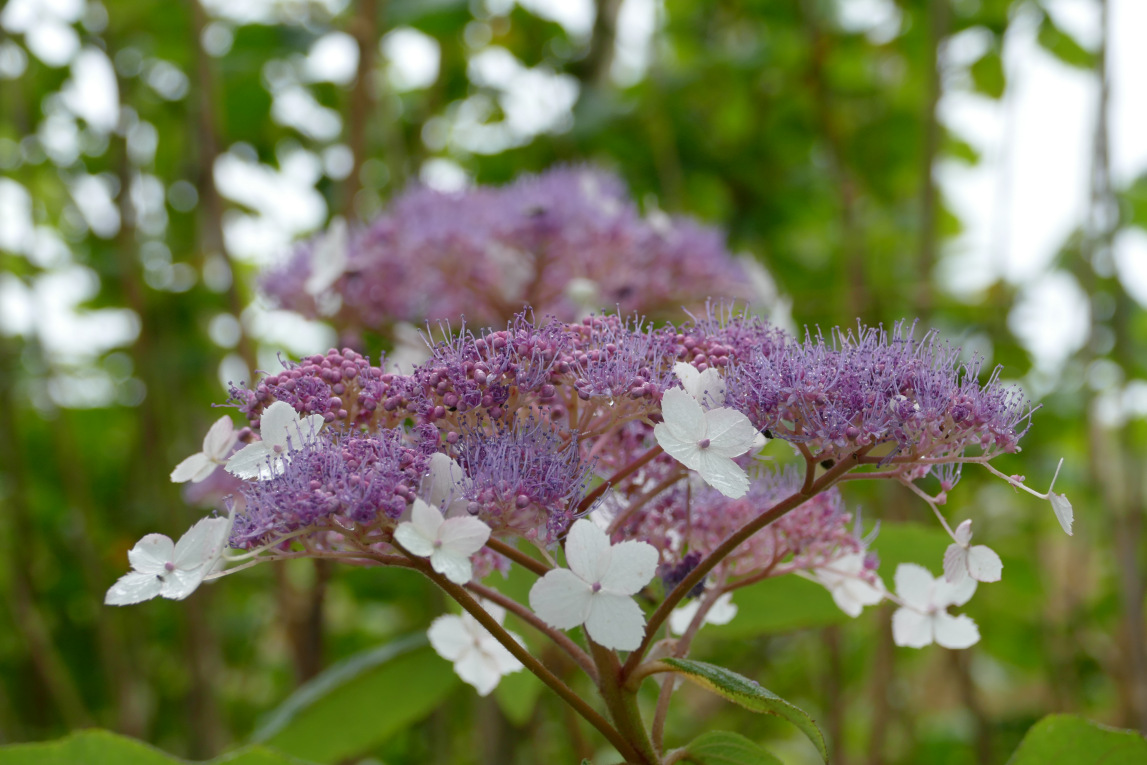
Hydrangea flower heads last well into autumn, even as colours fade. Some forms even flower late like the above form of H. aspera, in bloom in early October. Look out for the Forever series, as they keep on flowering. Cut down Hydrangea Annabelle to the ground in spring as it’s a herbaceous variety so flowers on the current year’s wood, as do H. paniculata varieties.

H. macrophylla flowers on last year’s wood, which may get frosted in spring, so killing the flower buds.

Other good plants for autumn are Lespedezia, Aconitum. Fuchsia magellanica, Astrantia, Campanula – if they are given the Chelsea chop (prune the height by a third in Chelsea Flower Show week), these plants will flower later on shorter stems.

Hardy Chrysanthemums sold in the autumn as domes of flowers, should be treated as bedding. Herbaceous Chrysanthemums should be hardy and are a good addition to the garden.

Some Asters (Michaelmas Daisies) can get mildew due to dry or stress (nova belgii types). Closely allied to Asters are Kalimeris, which are good plants, along with other Asters.

Annual Rudbeckia and perennial Rudbeckia are excellent plants for the autumn, but they can get very tall. Cut them down on the longest day and they will flower a little later on shorter stems. Heliopsis, Leucanthemella will grow in shade. Persicaria amplexicaulis is a pretty thug, and needs to planted somewhere where spread is required.

Viola cornuta, the smaller the flower, the hardier the plant. Salvia species, long flowering but not hardy, can extend flowering up to frosts but take cuttings a.s.a.p. to overwinter ready for the following year. Solidago x aster is another good plant and not at all boring.

Grasses can extend a season of interest right through winter, and can be successfully mixed in with herbaceous plants rather than a bed of grasses. Panicum species have a lovely arching habit. Stipa gigantea, above, is another good grass, and doesn’t self seed. Pennisetum varieties, treat as annuals, though they can be overwintered in a cold greenhouse or polytunnel. Cardoons also have wonderful seed heads in winter. Don’t be too quick to tidy in the autumn, as the frost on grasses, cardoons, etc give a new dimension to the garden. They also protect the roots from frost, and give cover to insects, hedgehogs, etc.


The trip which Fiona had organised with Stephen and Mel Lloyd for Cothi Gardeners to visit the Hergest Croft garden for a combined guided tour and seed/cutting collection was a huge success. We were really fortunate with a benign weather slot in what has been the wettest spell for months, and were thrilled that Steve was so generous with his time and advice, whilst Mel provided us all with bags, and names to record the many seeds, fruit and cuttings we were able to collect in a two and a half hour walk.

Hergest Croft is such a special place with one of the finest collections of trees and shrubs in the British Isles including national collections of hundreds of different Sorbus, Betula and Zelkova, as well as being wonderfully peaceful and beautiful whatever time of year one visits.

Steve demonstrated it’s always worth cutting into a few seeds just to check if they’ve got viable white/green centres. Sometimes a tree will be laden with seeds which look fine, but are in fact empty and will never germinate. Also he pointed out some of the trees where it’s best to save seed from the tree (e.g. Acers and Sorbus) and others (e.g. Magnolias and Davidia) where it’s better to collect from seed or fruit that’s fallen to the floor.

Click here for more about Hergest Croft, and there’s still time to plan a visit for their special autumn plant fair on Sunday October 13 th – Hergest Croft Autumn Fair, Ridgebourne Road, Kington, Herefordshire HR5 3EG with over 40 plant and craft stalls. Open 10-4.30pm. Admission £6.50.

What I didn’t know before Stephen told us, as we walked through the garden’s glades and reached the top of the Sorbus collection, is that the garden rises to over 1,000 feet above sea level, so many of the well labelled trees which are indigenous to China and the Himalayas will be quite comfortable with the conditions here.

Stephen, the Head gardener in a team of 5 who manage the 70 acres, has worked as a gardener at Hergest for 40 years, and has grown many of the now mature and rare trees from seeds sent to Hergest from collectors around the world.So to have him passing on his tips as to how best to choose and propagate material was a rare treat, and all this in a year when many trees were laden with berries and seeds after a bumper year for pollination and fruit production.

Thanks very much to Stephen and Mel for their very warm welcome and generosity and for making it such a very special day. We look forward to letting them know in due course how well we get on with the propagation, once we get all the material prepared for sowing …


A reminder that this month’s meeting on Wednesday October 16th at 7.30 pm is by Neil Barry on “The Plant Hunters and Explorers”.  Do arrive in good time for refreshments and a catch up before we start.

Neil is originally from County Cork in Ireland and is now living near Swansea.

He trained at the Royal Botanic Gardens, Kew for three years whilst also studying for his horticulture qualifications at Capel Manor College near London and Berkshire College of Agriculture. After completing training at Kew, he moved in to teaching horticulture and completed a Post Graduate Diploma in Education. He has been a lecturer in Horticulture for 8 years, most of which was at Neath Port Talbot College but has also taught at The National Botanic Garden of Wales and elsewhere.


Finally a date for your diaries – our annual Christmas meal will be on Wednesday December 11th lunchtime at the Forest Arms Brechfa, our very successful venue last year. We should have a final menu available soon, and will need names and deposits shortly and hope that many of you will be able to make it for what’s always an enjoyable event.

Propagation Talk/Workshop with Steve Lloyd from Hergest Croft and Future Events.

May Meeting – Steve Lloyd from Hergest Croft Gardens

A final reminder to all members that this Wednesday, May 15th at 7.30pm we have Steve Lloyd from Hergest Croft gardens coming to Cothi, and he’ll be holding a workshop type meeting on plant propagation of all types. For those who’ve never visited Hergest Croft it’s on the borders of England and Wales and has been in the same family for over 4 generations. Click here for more. The extensive gardens include a fantastic kitchen garden, herbaceous borders, perennials and a massive collection of over 5,000 different trees and shrubs. Steve went to work there from school in 1980, and is the head gardener. Over that time he’s propagated huge numbers of plants of all types, and will be bringing plants he’s grown for sale, as well as material to experiment with, and show us his favoured methods and tips.

He’s also willing for Cothi members to bring along any plants which members have struggled to propagate and discuss best options. So if you have a favourite plant don’t forget to bring along a sample.

Steve not only has great experience, but is also a very enthusiastic speaker, so I’m sure we’ll all learn a lot from this evening.

A reminder too that this Wednesday’s meeting will also be the last chance to book in for the club trip to Abgerglasney gardens the following week (May 22nd) for our tea party.


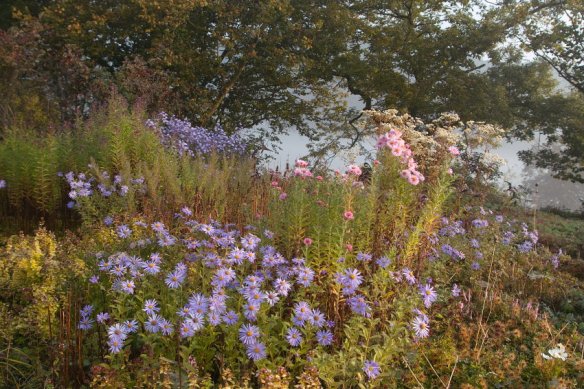
Advance notice that our June speaker is Helen Picton from Old Court nurseries near Malvern. This is an old established family nursery specialising in Michaelmas Daisies (Asters – though some of these have recently been renamed!), with a fabulous display garden too. To get a flavour of the range and potential late season value of Asters, do have a look at their great website by clicking here. One of those plant groups which really extend the flower season into the misty late autumn months.

Helen will be bringing plants along for sale too.


Karen and David’s garden at Lan Farm

The member’s garden safari planned for early June will include a tour of 5 members’ gardens beginning with Anne in Cellan, then Steven and Jane, Alison and stopping at Elena’s for a shared lunch (please bring a plate of food to share). Then finally on to Karen and David’s near Talley.  Final times and date will hopefully be settled by this week’s meeting.


For our August meeting our Growing Challenge is to grow and use any edible flowers or leaves in any form, eg cordial, flowers, leaves, cake as part of our shared meal. Here are some helpful links from Yvonne…  www.maddocksfarmorganics.co.uk/edible-flowers-list have lists of edible flowers, how to grow them and how to crystallise them. Edible wild plants https://matteroftrust.org/14760/62-edible-wild-plants-that-you-didnt-know-you-can-eat; and www.eatweeds.co.uk;


A reminder that the club’s plant stall that we try to set up at each meeting, depends on the generous donations of spare plants from members to be  a successful addition to raising funds for the club for future events and speakers. So if you have any suitable plants you can spare, or even as we move into vegetable production season, any spare produce, then do bring them along to meetings with a name label and appropriate selling price. They would be most welcome. Remember that all proceeds from the stall go into club funds and help towards club costs such as speaker fees.


Also if anyone has any appropriate topical tips to share with other members, do let Yvonne know in advance of the meetings, or just write them up on the white board at the rear of the hall.


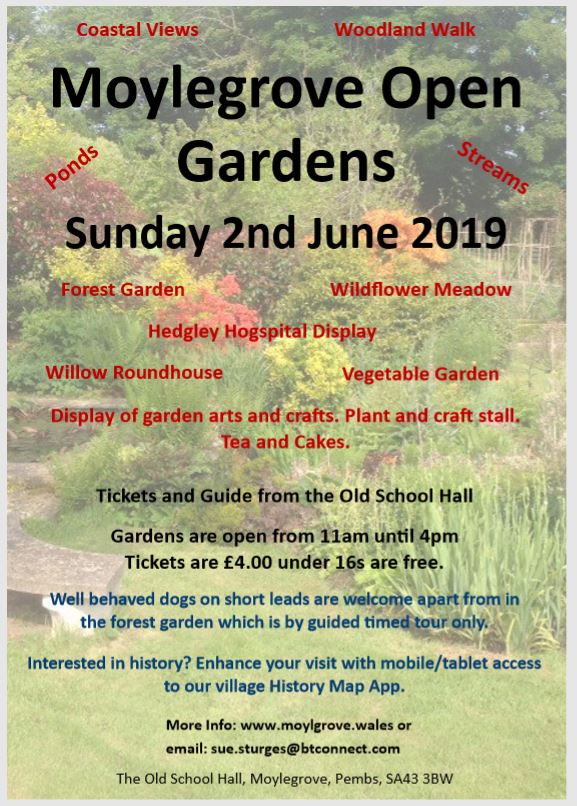
Advance notice from Sue Sturges in Moylegrove of a village garden open day in early June…


For those who’ve never been,  Moylegrove is a beautiful coastal village between Cardigan and  Newport, with the added attraction of the fantastic Penrallt coastal garden centre/nursery/cafe on the hillside overlooking the sea just above the village.  (Click here and here for more). You can walk from the village down a beautiful wooded valley to the coast, and join the coastal path, for a great circular walk including Ceibwr Bay.  So well worth a thought for a great day out.


Ferryside Lifeboat Charity Garden Crawl (SA17 5RR)
On Sunday 30th June 2019 come and discover the beautiful and varied gardens of Ferryside. The gardens are open each year to support Ferryside Lifeboat. Wander around the village and enjoy a variety of refreshments available in many of the venues, whilst listening to ‘live music’ in some of the gardens. Discover scarecrows, there will be characters popping up all around the village!
The Lifeboat station will be open and crew will be there to show visitors around the lifeboat.
The gardens will be open between one and six p.m. Programmes, including a map, are £3.00.


Advance notice from Teresa O’Ryan of Drefach Felindre Gardening Club of a chance to join their group for a visit to the great Shrewsbury Flower Show in August. See details below…

Drefach Felindre Gardening Club is taking a coach to Shrewsbury Flower Show on 9th August 2019.  We will be leaving the Red Dragon Hall at 8.30 am and returning at approximately 8.00 pm.

The coach will drop us off at the Flower Show gates and return to pick us up from there.

Tickets for entry can be bought on line.  The cost of the coach is £12.50 each.

If any members would like to join them, please make your cheques payable to Drefach Felindre Gardening Club and send to:  Helen Nolan, Coedmor, Adpar, Newcastle Emlyn, Ceredigion, SA38 9EH.  For further information, please contact Helen on 07964674287 or email helencoedmor@gmail.com


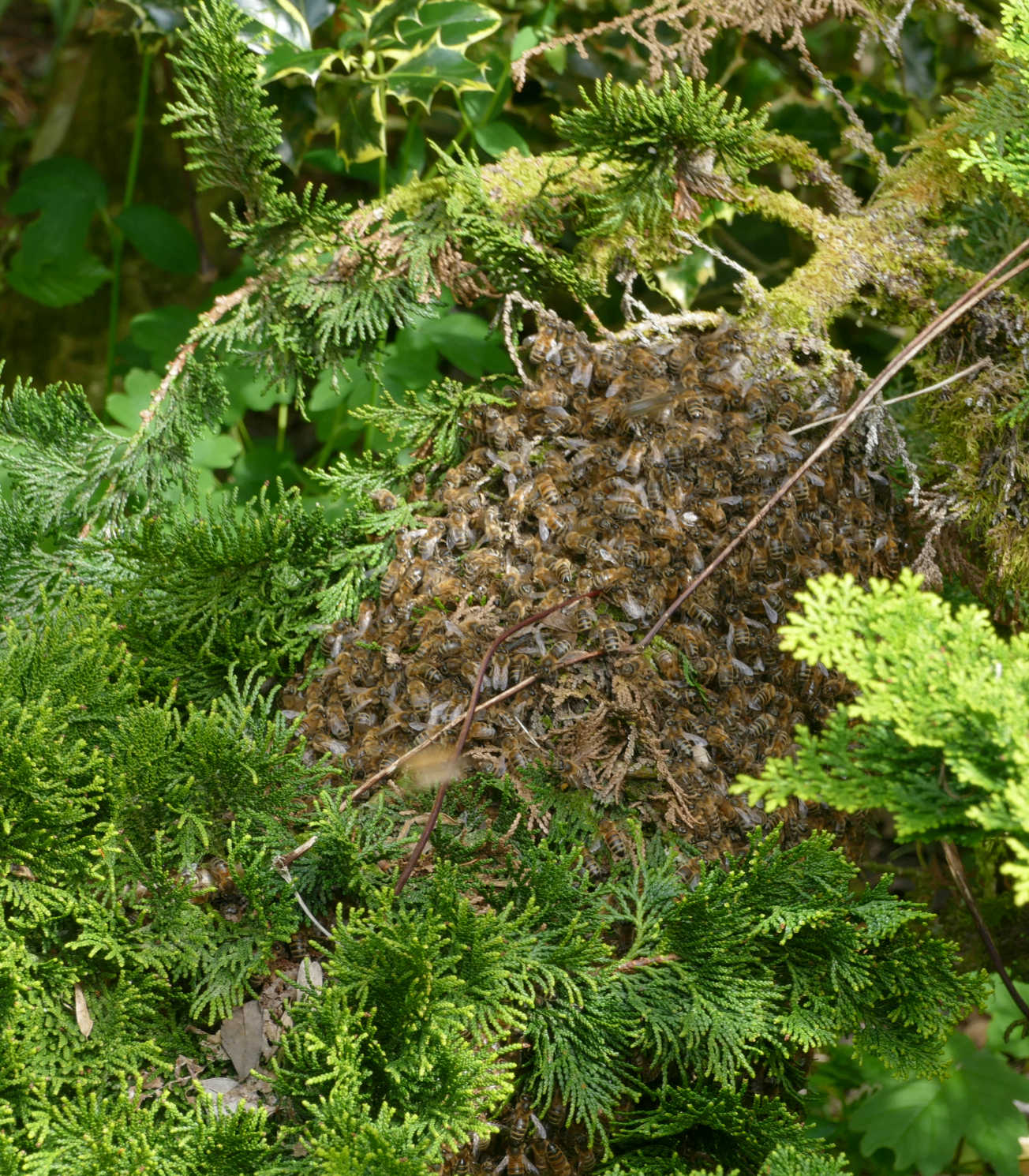
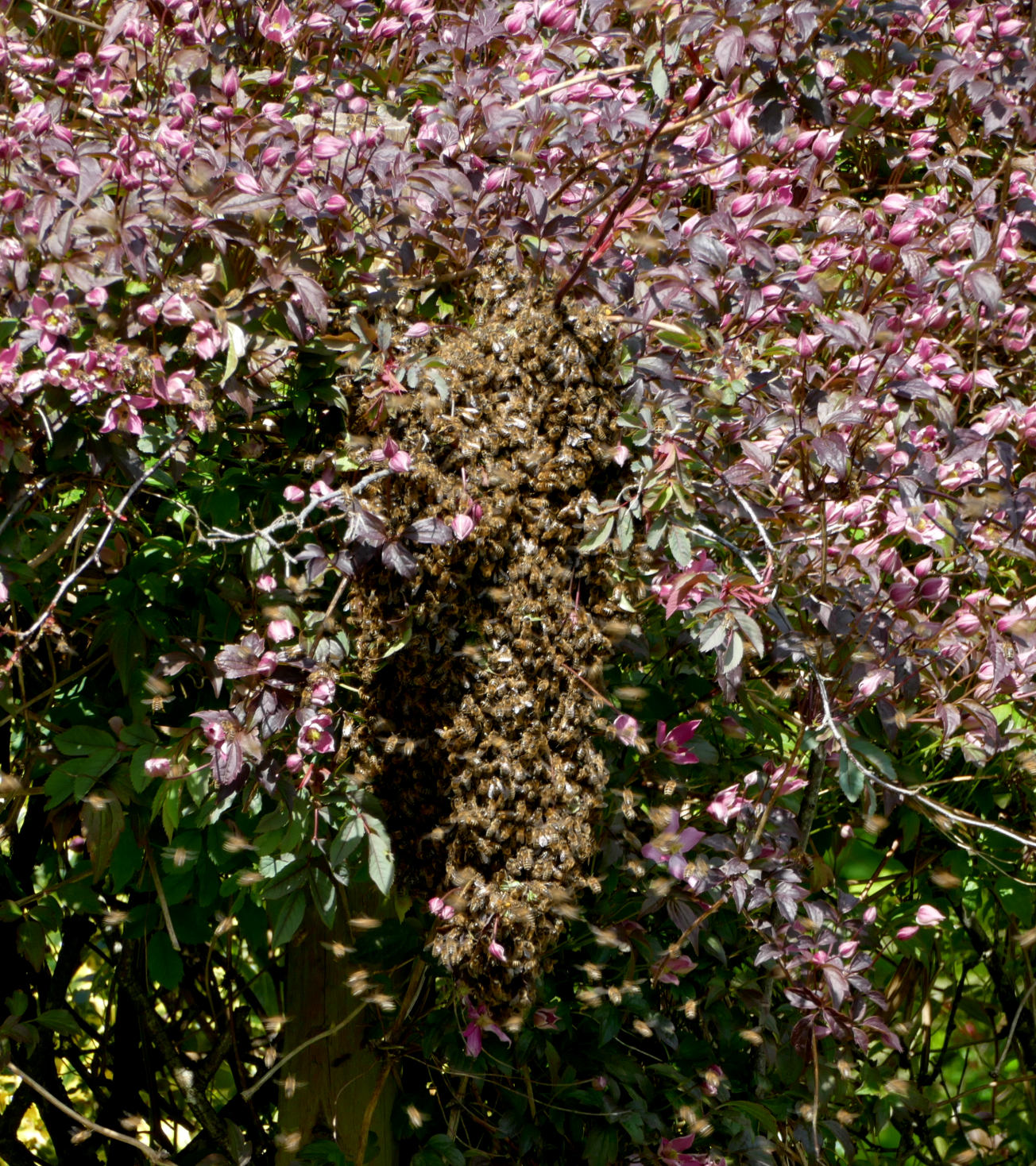
As an indication of how different late April and early May 2019 have been to last year, as a new beekeeper, I’ve had to to do 2 sessions of emergency garden pruning in the last 10 days. Has everyone else found it’s been a great start to the year for our pollinating insects?


Previous Meeting; Upcoming Plant Fairs; Last Call for Our Tea Party at Aberglasney

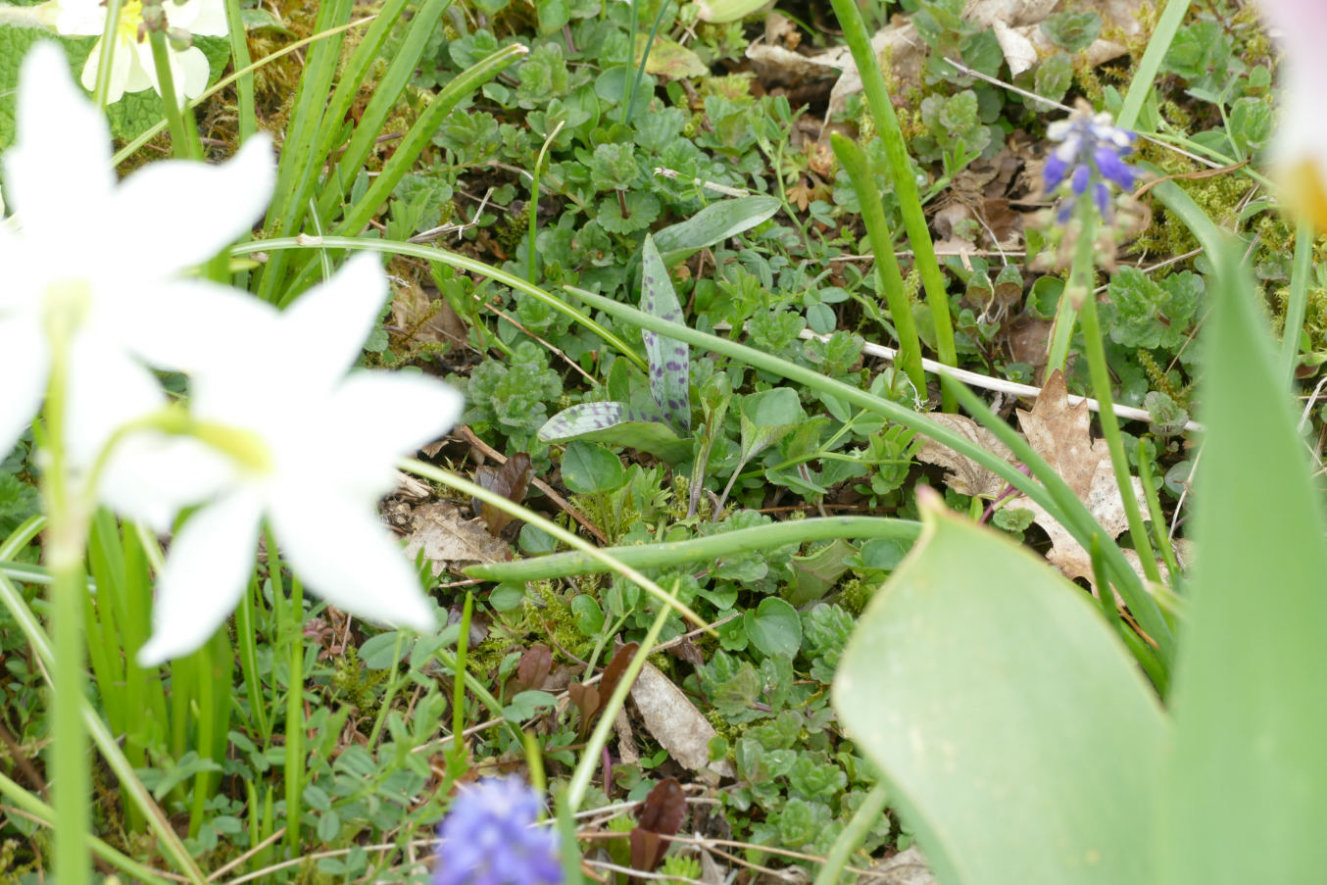
At last some welcome rain, after the spell of very warm dry sunshine weather, which was in full swing for our last meeting. First swallows were flying over the hall as we arrived.  Sadly though our speaker didn’t, but well done to Yvonne, our chairman, who hosted a very enjoyable and interesting Q&A session with wide ranging subjects from growing plants in containers, topical tips and current favourite plants, wild orchids in gardens and wildlife recently seen. It was great that so many members contributed to the discussion and I’m sure we all went home having learned something. Spot the spotted orchid leaf below, one of 16 that have appeared in Julian and Fiona’s garden for the first time this year.

___

It was also good to see several new faces who we hope will return to our next meeting, in May,  to hear Steve Lloyd, head gardener from Hergest Croft gardens in Herefordshire, talking to us about plant propagation in a sort of interactive workshop.

___

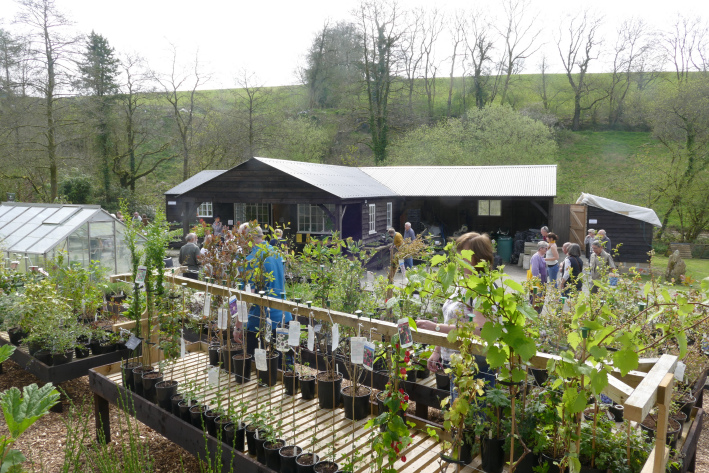
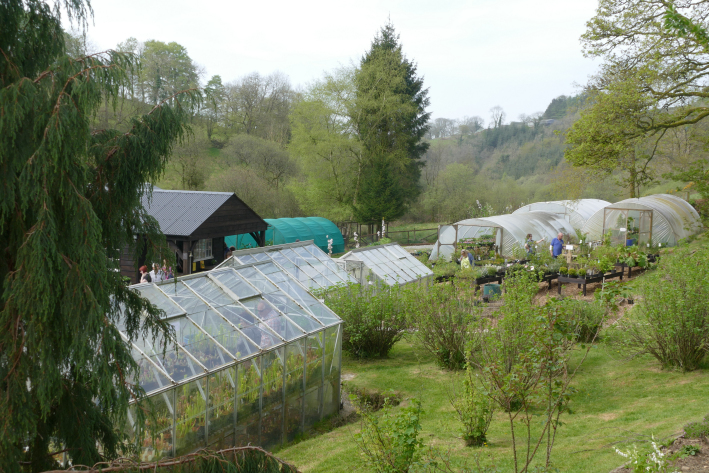
Many members made it to the open day event at Ty Cwm nursery on Easter Monday, when as well as a great range of plants, there were free refreshments, with scrummy cakes at the quite recently opened “Holly’s Cafe”, on site. Helen Warrington who has owned Ty Cwm for 15 years has talked to Cothi on  a number of occasions, and the nursery is located in a small cwm, or valley, in lovely countryside just west of the Teifi valley, 600 feet above sea level,  so the plants have to be tough to survive. Well worth a visit sometime for those who’ve never made it before. The cafe is open from 10.00 am to 5 pm, except Mondays. Click here for more on Helen’s website.
___

It’s a busy time of the year for plant fairs and events, and this weekend is the annual plant fair at Rhosygilwen, near Carmarthen. Click here for more details.

The Big plant sale takes place in Narberth on Saturday May 4th, at the Span Arts venue, with talks as well as plant sales throughout the day. Click here for more.

 ____

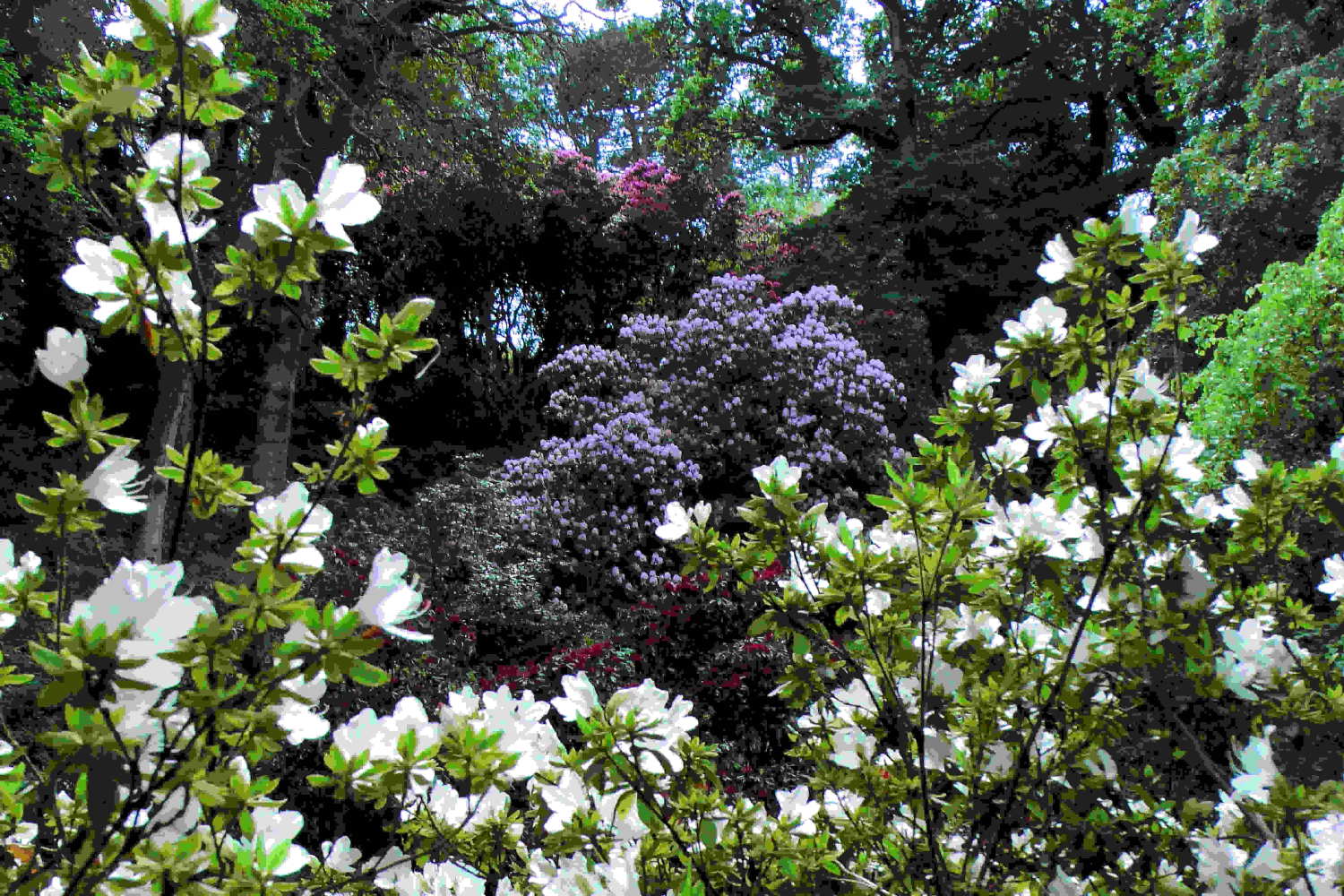
Bank Holiday Monday May 6th sees the annual spring plant fair at Hergest Croft gardens. Click here for more. For anyone wanting to see what Steve Lloyd, our May speaker has to look after, maintain, and propagate from, a trip to Hergest at this time of the year, is always a delight. There will be lots of plants for sale and lovely lunches and teas on site in their own cafe.
___

Finally a last reminder for the Cothigardeners Aberglasney Tea party, on Wednesday May 22nd at 3 pm.  We can’t be certain what the weather will be like, or what will be looking at its best, but the gardens ALWAYS look lovely, and those who came last year know that the tea will be special.

Many thanks for those of you who have already booked in and paid up. The absolute final deadline will be the evening of our May meeting,  so if you haven’t yet confirmed your place, do give it some thought. We hope you’ll be able to join us.