How Gardening Promotes Physical and Mental Health by Maria Cannon

 A little while ago I had an email from Maria Cannon asking whether she could write an article for the website on the subject of how gardening promotes general well being and mental health. “Gardening has been a blessing for me, helping me work through the depression, anxiety and pain I experience as a result of fibromyalgia. I’d love to spread the word about how gardening benefits the mind, body, and soul.”

The consensus of the Cothi Gardeners committee was that it could be a useful and interesting thing to do. The following is the finished article. Many thanks to Maria for sending it in.
How Gardening Promotes Physical and Mental Health by Maria Cannon


Gardening promotes physical and mental health through a variety of ways. It promotes relaxation and overall life satisfaction, better nutrition, and physical activity. Gardening can be a catalyst to improve your life in multiple areas, giving you a better and longer life to enjoy.

A Diet Booster

Backyard gardening is great from a nutritional standpoint. After starting a garden, you may take an interest in the origins of other foods you consume, and thus make better choices about what you eat. Maybe you enjoy it more because it’s fresher, or maybe you savour it more because of the effort it took to get to the table, but food you grow yourself just seems to taste better, which makes consuming plenty of vegetables and fruits a lot easier.

Since you’re the head gardener, you get to decide what kinds of fertilizers and pesticides you allow and don’t allow to touch your food. You also have more control over when to harvest. Waiting to pick vegetables and fruits until they’re truly ripened ensures they have their maximum amount nutrients locked in, which isn’t the case for some store-bought produce that must be picked early.

A Form of Exercise

Have you ever worked in your yard all day and woke up the next day feeling quite sore? Believe it or not, gardening can provide the same exercise as walking or riding a bike. Of course, it really depends on which activity you’re doing and how long you do it. While weeding, digging, and planting are on the lighter side of the spectrum, cutting down bushes, digging up stumps, and mowing your lawn rank on the higher end. The disabled, elderly, and those suffering from chronic pain can benefit immensely from the lighter gardening activities. If you need more vigorous activity, you can take on the harder jobs.

Gardening works your legs, buttocks, arms, shoulders, neck, back, and abdomen. It builds muscles and burns calories. Just 30 minutes of gardening several times a week can help to increase flexibility, strengthen joints, decrease blood pressure and cholesterol levels, lower your risk for diabetes, and slow osteoporosis. You can even break the 30 minutes up into smaller, eight-minute intervals if you need to, and you’ll still reap the benefits.

A Method for Improving Mental Health

People who garden are less likely to have signs associated with unhappiness or depression. Gardeners score higher than the average person on depression screening measures. They’re more likely to report that their life is worthwhile and report an overall satisfaction with their lives. In fact, 80 percent of gardeners feel satisfied with their lives, while 67 percent of non-gardeners feel the same. And what’s even more telling is that an astonishing 93 percent of gardeners believe gardening improves their mood.

Gardening is a great tool to add to an individual’s treatment plan for depression. Depression affects our bodies in a negative way. It can affect appetite and cause digestive issues, result in lack of sleep or constant sleepiness, and even make an individual more prone to diabetes, heart disease, and drug and alcohol addiction. Those who suffer from mental illness are four times more likely to abuse alcohol and 4.6 times more likely to engage in recreational drugs. Keeping your mental health in order helps to keep the rest of your health in check.

Getting Started

Growing your own food is fairly simple. It mostly requires patience. Many vegetables, fruits, and flowers are great for a novice gardener, so don’t worry if you have zero experience. When just starting out, plant things you’ll likely eat or flowers you really enjoy looking at, and don’t go overboard with the size of the garden. Be sure to research spacing, sunlight, and watering preferences for the plants you choose.

Farmers and other backyard gardeners in your area are great resources. They can give you advice on what to plant for your region and answer any questions you may have. If you lack the space for a garden, many plants can thrive in a container. You can also search for a community garden near you if you don’t have the space for a garden.

Gardening is fun, and it’s good for you. It feeds the body, mind, and spirit in a variety of ways. Preparing fresh and healthy foods at home is easier when you have the food at your fingertips. You’ll also get in exercise and improve your mood. This year, be sure to take advantage of the many benefits of creating your own garden.

Maria Cannon
Picton Pleasures; Snowdon Hike; Garden Openings and NGS Photo Competition; Media Coverage; Scents and Scentsabilities
Roddy Milne – Picton Castle

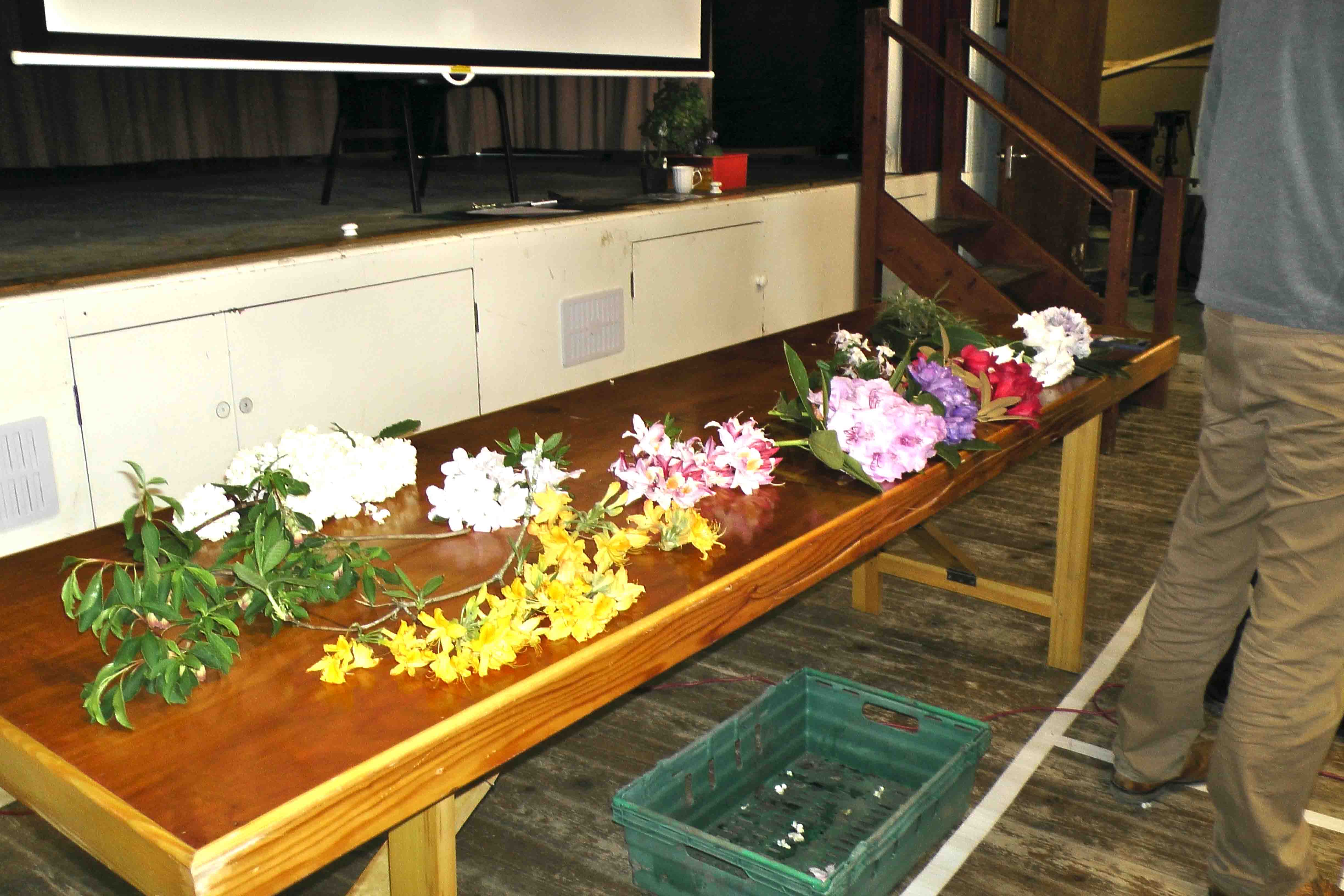
More tips and information were absorbed when Roddy Milne from Picton Castle joined us for our May meeting. He brought with him a colourful selection of blooms from some of the many Rhododendrons, Deciduous Azaleas and other plants currently in flower at Picton.

He then gave us a fascinating talk on the ethos of the garden, the trials and tribulations of managing it with very few full time gardeners and keeping interest going in the garden beyond the Spring; plus the joys and wonders of living and working in such a beautiful environment, the role of gardens such as Picton in conservation and education and his hopes for its future. Apart from the actual flowers his talk was illustrated with many photos showing the glorious splendour of the Rhododendrons for which Picton is rightly renowned, along with vignettes of Magnolias, Myrtles, the distinctive Gunnera Walkway and many understorey plants. Well worth a visit at any time. Click here for opening times etc.

____________________________________________________________________________

Team Large Snowdon Night Hike

Setting off…….

At the summit! (Philip is behind the camera)

Back home with t shirts, medals and certificates

Anne and Philip together with their daughter, Sarah, completed their Snowdon Night Hike on Saturday 22nd May in aid of Breast Cancer Care. According to them both it was surprisingly enjoyable, not as arduous as expected and all this in spite of horizontal rain and strong winds at the summit. They reached the summit in just 3 hours and a further 3 hours saw them back in the hotel enjoying a much deserved, slap up Welsh Breakfast. They have raised over £2,400  for Breast Cancer Care. Donations can still be made, just click here to go to the JustGiving page.

They would like to pass on their thanks to everyone in Cothi Gardeners for their fantastic support – an edible thank you will be at the next meeting on June 21st

Many congratulations and well done!

____________________________________________________________________________

NGS Garden Openings

The NGS has launched a photo competition as part of the 90th Anniversary celebrations. Anyone visiting an NGS garden can take a photograph and submit it – details, rules, etc can be found on the NGS website (click here)

Some Cothi members’ gardens are due to open shortly for the N.G.S., so get your cameras out and pay them a visit!

Click here for more information on our website or here for the NGS website

____________________________________________________________________________

Gelli Uchaf – Gardens Illustrated Magazine

Julian and Fiona were delighted to have their garden, Gelli Uchaf, featured in an article by Noel Kingsbury with photos by Claire Takacs, in the June edition of Gardens Illustrated Magazine (out now) . Click here for a taster of the article (NB only available until the next edition comes out mid June).

____________________________________________________________________________

June Meeting

We are in for a perfumed treat in June when our speaker will be Kari-Astri Davies telling us all about gardening with scented plants.

Lavender, old fashioned roses and jasmine are some of the best-known scented plants but Kari-Astri will recommend some more unusual specimens to try. You may want ideas for containers to stand near the door so you can enjoy your perfumed plants as you step outside. Kari-Astri regularly writes for ‘Landscape’ magazine, so we are looking forward to welcoming her on June 21st  at 7.30 pm for an evening of “Scents and Scentsability”.

____________________________________________________________________________

Our 2017 Challenge

Our 2017 Challenge is underway, simply grow something edible and make a dish with it to share at our August meeting. If you haven’t already done so, please indicate on the relevant sheet at the next meeting what type of dish you are hoping to bring so that we can try to balance savoury and sweet offerings.

____________________________________________________________________________

Big Speaker Early Notification

The renowned plantsman, speaker and garden writer, Bob Brown, of Cotswold Garden Flowers is our big name speaker for this year. We will need to start advertising this early so in order to have an idea of how many places we can offer to other gardening clubs we need a rough idea of how many Cothi members are hoping to come, so please can anyone planning on attending sign the relevant form at the next meeting.

____________________________________________________________________________

Monthly Tips

Tip 1 Frost Damage

(From Yvonne) If any plants have suffered from the late frosts, don’t panic!  Leave them alone, and then, when the new growth has come through, you can prune the dead ends off.

(and from Jan) Cut off damaged areas, feed the plants, in Jan’s case all the vines in the polytunnels, and remember that it will be the end of May before we can safely say no more frost!, so cover over with fleece if cold nights threaten again. All Jan’s survived and new shoots are appearing

Tip 2 (Yvonne) – It’s nearly time for the Chelsea chop for herbaceous perennials to prolong their flowering. Reduce about a third of the stems, and they will flower later.  This can be done with Sedum spectabile, Phlox, Veronicastrum, among the many.
Tip 3 (Yvonne) – When your Geraniums have flowered, cut all the growth off, and they will have a second flush of flowers later in the summer.

Tip 4 (Julian) Growing  Phalaeonopsis, or moth orchids

  • Firstly anyone who has bonfires – save the small charcoal left over at the end, rinse well and think of using it for repotting. It doesn’t degrade like bark or moss. When we had proper holidays…decades ago!! we once saw orchid farms in Thailand growing them in just charcoal in a half coconut!
  • Secondly the roots photosynthesise, so use an old clear yoghurt pot or such like to let light through, drill a few holes into it, and keep it in a larger outer pot.
  • Thirdly I now keep a supermarket basil plant next to the orchids. When it wilts, it’s a reminder to water the orchids. And I’ve now kept this Basil going for over a year.
  • Fourthly I water them with weak feed (in rain water), 3 out of 4 waterings, then one with just rainwater, and do it over a bowl and a cup, soaking the pot half a dozen times, and including running (ie manually pouring) water down the aerial roots, but being careful to keep all the water off the leaves.
  • An additional suggestions from Elena was to add broken crocks to the charcoal to give weight to the pot.

Westonbury Mill Water Garden and Hergest Croft Outing

Westonbury Mill Water Garden and Hergest Croft Outing

For this year’s club visit we decided on a day trip taking in two well-known gardens in Herefordshire. In the end 14  members and guests met up at Westonbury and started the visit with a welcome cuppa (of course!) after which we descended on the plant sales before even venturing into the garden itself.


Of course this meant we could give our undivided attention to appreciating the ingenuity of design and planting flair. It is indeed a very special garden. The follies were stunning and the planting lush and colourful.


An excellent lunch set us up for our next stop, Hergest Croft Garden.

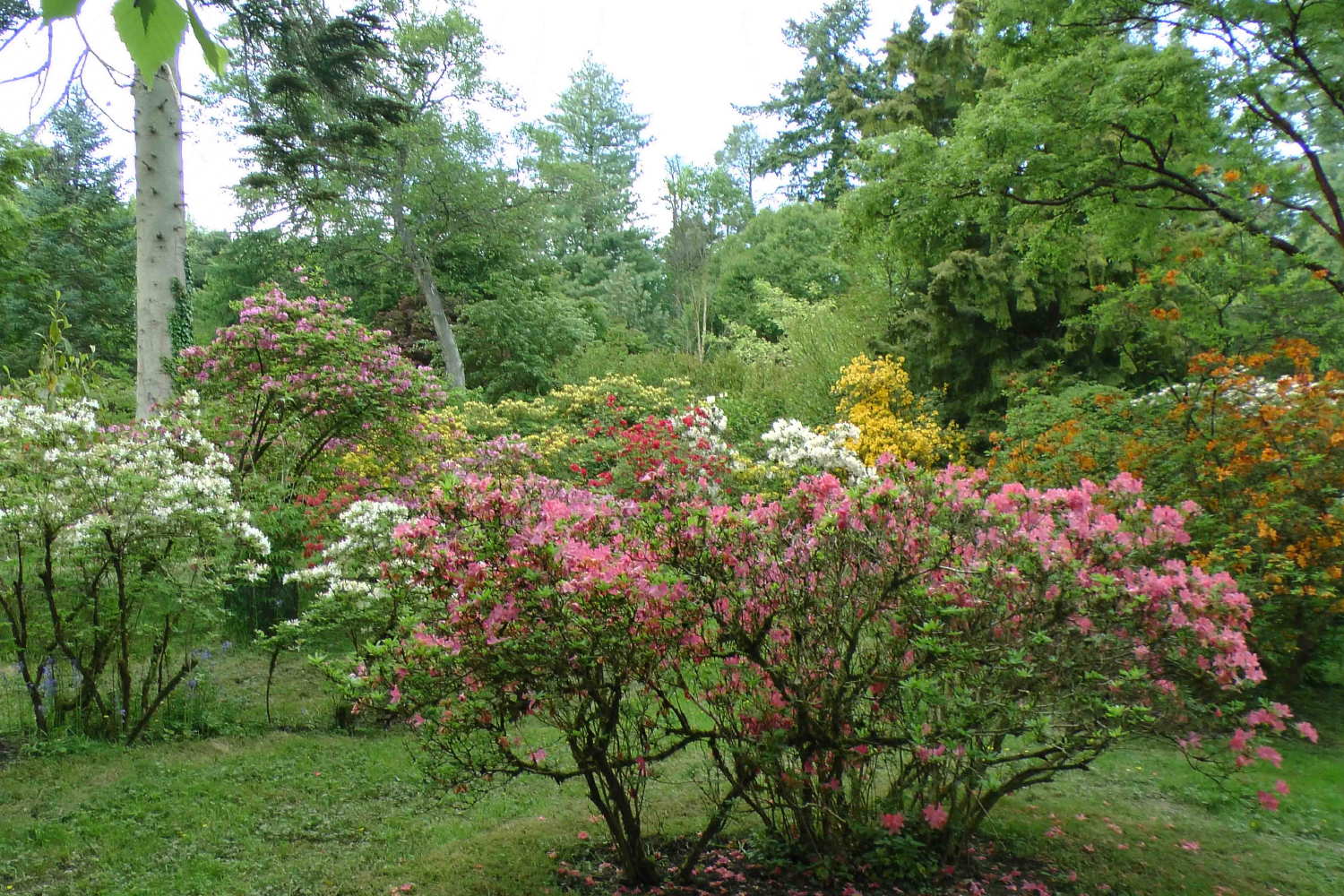
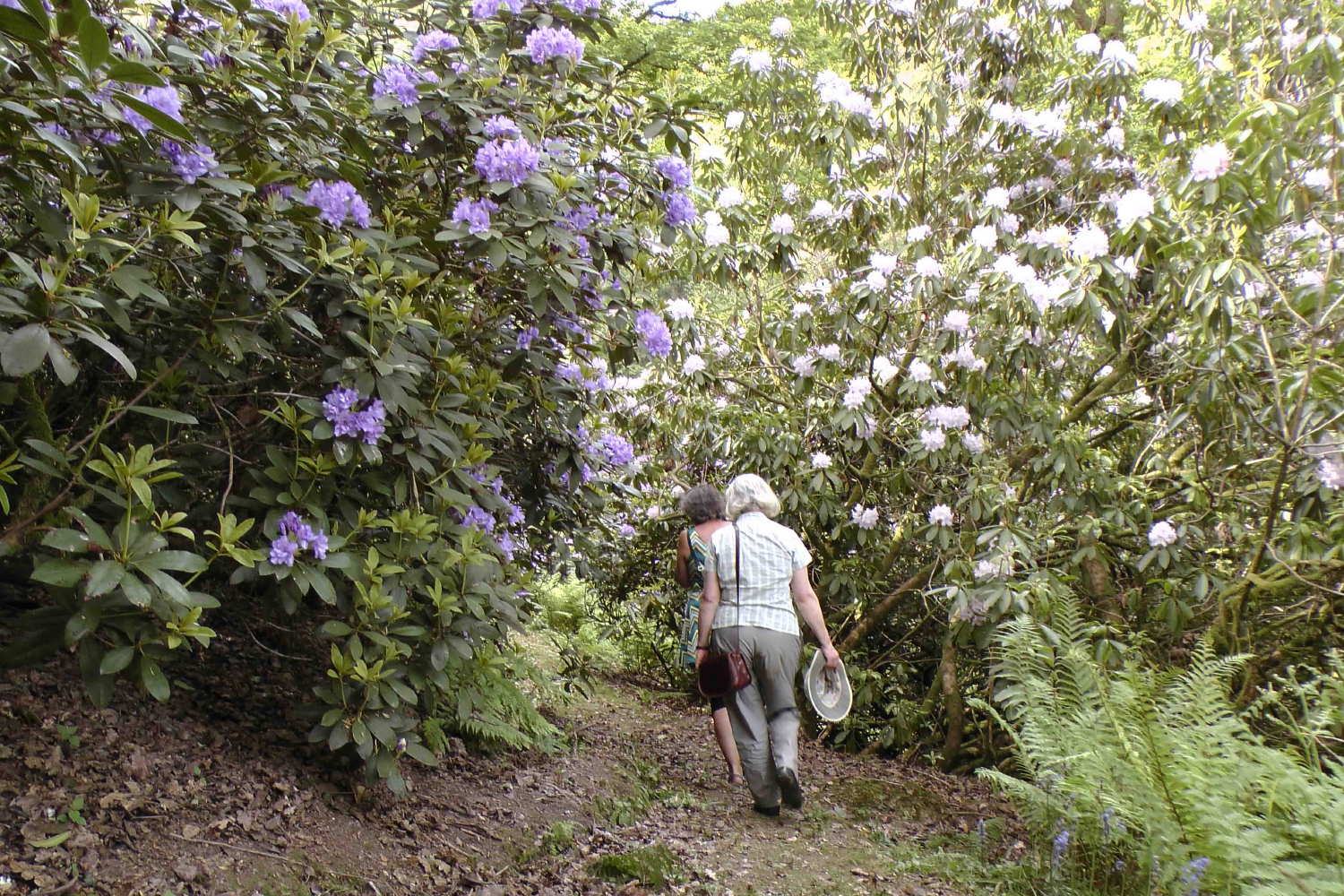
Here the plant sales were again swooped upon before anything else was even thought about! Satisfied with our success we then set off to explore the garden itself and Park Wood. The Rhododendrons and Azaleas were looking fabulous as can hopefully be seen from the photos.


Tea, more plant purchases and we were ready to head home.

All in all a highly successful and fun day.

Plant Fairs, Festivals and Crawls! Snowdon Night Hike

National Botanic Garden of Wales

Make a date for some blooming bargains at the National Botanic Garden annual plant sale.

Hundreds of plants, donated by Garden staff, volunteers, members and the public will be on offer over the two-day fundraising effort on Friday and Saturday, May 12 and 13.

There’s still time to donate plants – for details of how to do so, call Jane Down on 01558 667118 – but, mostly, you should be thinking about clearing a space in your backyard for the upcoming deluge of botanical bargains.

Last year’s volunteer-run sale raised more than £4,000 for Garden coffers and this year’s fair is again promising an interesting mix of stalls offering vegetables, bedding plants, perennials and plants for wildlife.

The National Botanic Garden of Wales is open from 10am to 6pm, with last admission at 5pm, and the Annual Plant Sale will run on both days.

Admission to the Garden is £10.50 for Adults (including Gift Aid), £8.75 for Concessions and £25 for a Family Ticket (2 adults and up to 4 children). For more information about this or other events, call 01558 667149 or email info@gardenofwales.org.uk

__________________________________________________________________________

__________________________________________________________________________

__________________________________________________________________________

__________________________________________________________________________

Team Large’s Snowdon Night Hike

At our meeting in April Anne explained to us the challenge she and members of her family have undertaken as a positive response to the cancer diagnosis she had last year. In aid of Breast Cancer they are aiming to climb Snowdon at night! The Night Hike takes place on May 20th. Do follow the link to Team Large’s Justgiving page to learn more about it. All support gratefully received. (Click here)


April Green’s Leaves; May gardens at a Castle, Mill and Croft

Paul from Green’s Leaves gave us a lively insight into the plants his nursery grows. Paul’s philosophy is that a plant needs to earn its place in a garden by any of four main criteria: coloured foliage, scented, southern hemisphere or sheer weirdness! He then proceeded to illustrate his talk using plants that he had brought with him and giving many tips on the best way to grow them.

  • light improves the depth of colour of dark foliage plants
  • judicious pruning helps limit size and in some encourages repeat flowering. With early season flowerers prune by 1/3 to improve shape.
  • Planting in a ratio of one dark to two light gives a good contrast.
  • Hardiness is on a scale of H1 to H7 (less to more) but the degree of hardiness of a particular plant will also depend on its age, moisture, size of pot/in the ground,wind, location in the garden, etc

In case any of you didn’t get a name or missed the meeting, below is a list of most of the plants Paul mentioned:

  • Sambucus nigra ‘Black Lace’ – prune after flowering to keep size manageable
  • Polemonium ‘Heaven Scent’ – trim whole plant after flowering to encourage repeat flowers
  • Physocarpus – good for clay soils and can be pruned
  • Actea ‘Black Negligee’ – good for moist soils
  • Rogersia ‘Bronze Peacock’ – also good for moist soils
  • Black Catkin Willow
  • Black stemmed Dogwood
  • Prostanthera rotundifolia (Australian Mint Bush) – hardiness H2
  • Sedum rupestre ‘Angelina’ – bullet proof and copes with poor soil
  • Hollies – 1 male needed to 20 females to produce berries. Examples included ‘Sliver Hedgehog’ and the Chestnut Leaf Holly.
  • Spirea vanhouttei ‘Gold Fountain’ – good in pots; in sun foliage is gold, in shade, lime green
  • Epimedium frohnleiten –good for shade and ground cover
  • Hakonechloa
  • Sorbaria – this plant suckers so plant in a large pot buried in the ground. Lovely early foliage, flowers, and autumn colour.
  • Eupatorium ‘Mask’ – great for butterflies. Needs sun or part shade and a moist soil.
  • Gillenia trifoliata – white flowers in June and very good autumn colour.
  • Buffalo Currant – yellow flowers, smells of cloves and great for bees. Plant in sun.
  • Acers – the more dissected the leaves, the less wind tolerant
  • Cercidiphylum japonicum pendulum
  • Sarcococca ‘Winter Gem’ – an alternative to box.
  • Brunnera ‘Looking Glass’ and ‘Alexander’s Great’

All in all a highly entertaining, informative talk.

Topical Tips

The topical tips for April were from Anne and Julian.

Anne showed us her bulb planting trowel which is much narrower and more pointed than a conventional one. She says it is the only sort she now uses and not just for bulb planting but weeding and many other things too. When buying one remember to check the weld as this can be a weak point.

Julian’s tips: firstly, our preferred method now for weed control on our quite extensive paths and yard. Having previously tried Pathclear, steaming, hot air (from an electric paint stripper – not Julian’s mouth) and a flame thrower. We use an 8 litre watering can with a fine rose, 750 grams of table salt and a small amount of liquid washing machine detergent (say half a cap full). Dissolve with stirring and using water as hot as you have, and then water the paths. Ideally do this at the beginning of a dry spell. It needs repeating maybe 6 or 7 times a year, and occasionally you may need to do a little hand weeding as well, but it’s better than anything else we’ve ever used, with surprisingly little collateral damage. We usually begin as soon as the first seedling leaves appear, in very early spring or late winter, and repeat as necessary. One watering can full will treat between 10 and 12 sq yds. Of course this being the UK he couldn’t possibly advise that any of you do this. We’re just telling you what we do!

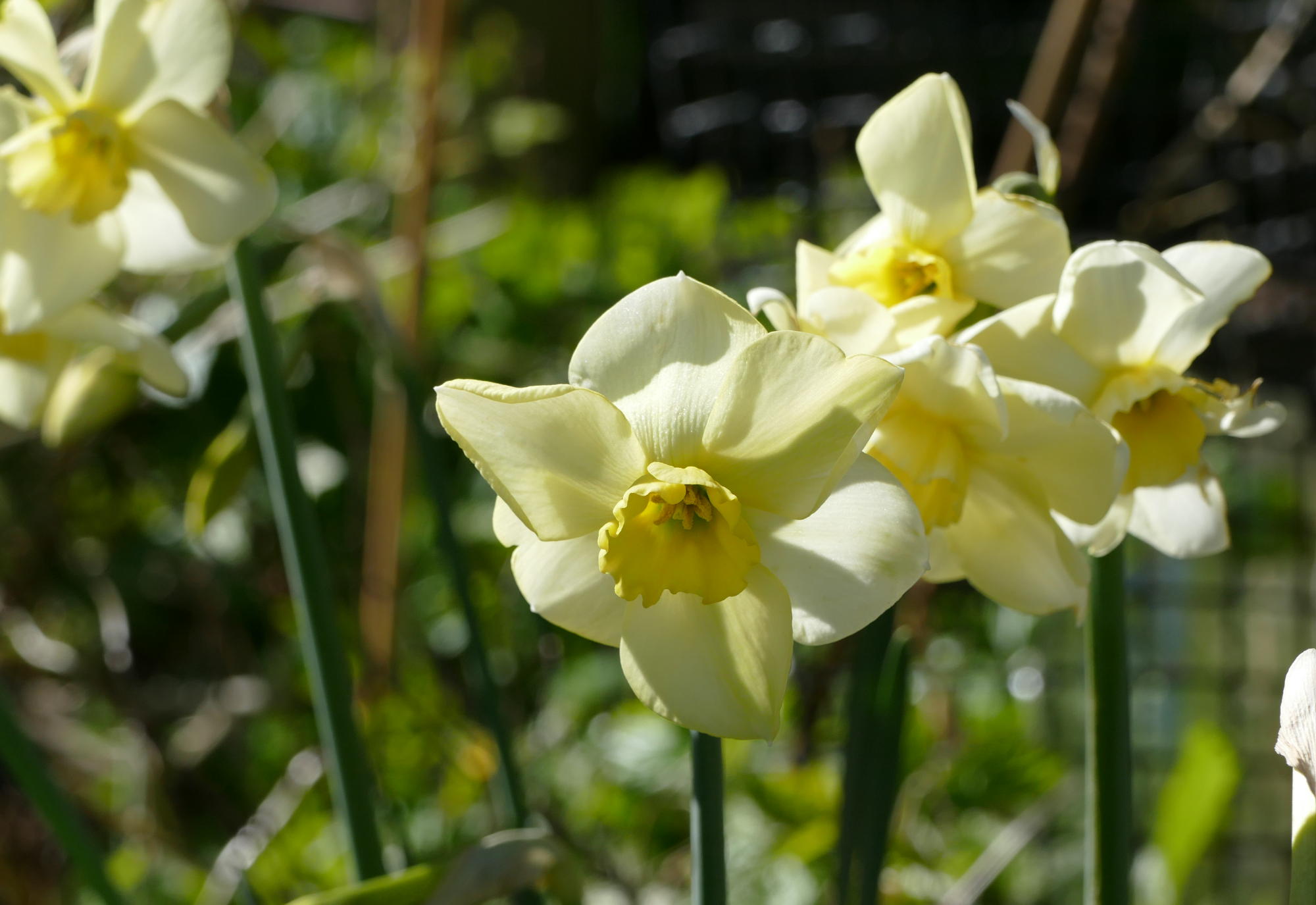
Secondly, a plug for specialist nurseries. 2 examples. We now grow a lot of daffodils, particularly late flowering ones, many of which we get from Ron and Adrian Scamp in Cornwall. (www.qualitydaffodils.com). They have a huge selection, a great physical and online catalogue and these 2 later flowering favourites which are about halfway through their flowering time now (mid April). The one, rather appropriate for Carmarthenshire being called “Merlin”,

N. Merlin

and the others are called “Oryx”.

N. Oryx

All Scamp’s daffs are grown in Cornwall and most seem to cope very well in our conditions. Most people order daffs in the autumn, but some of his good varieties sell out even by now, so have a look soon if you’re interested.

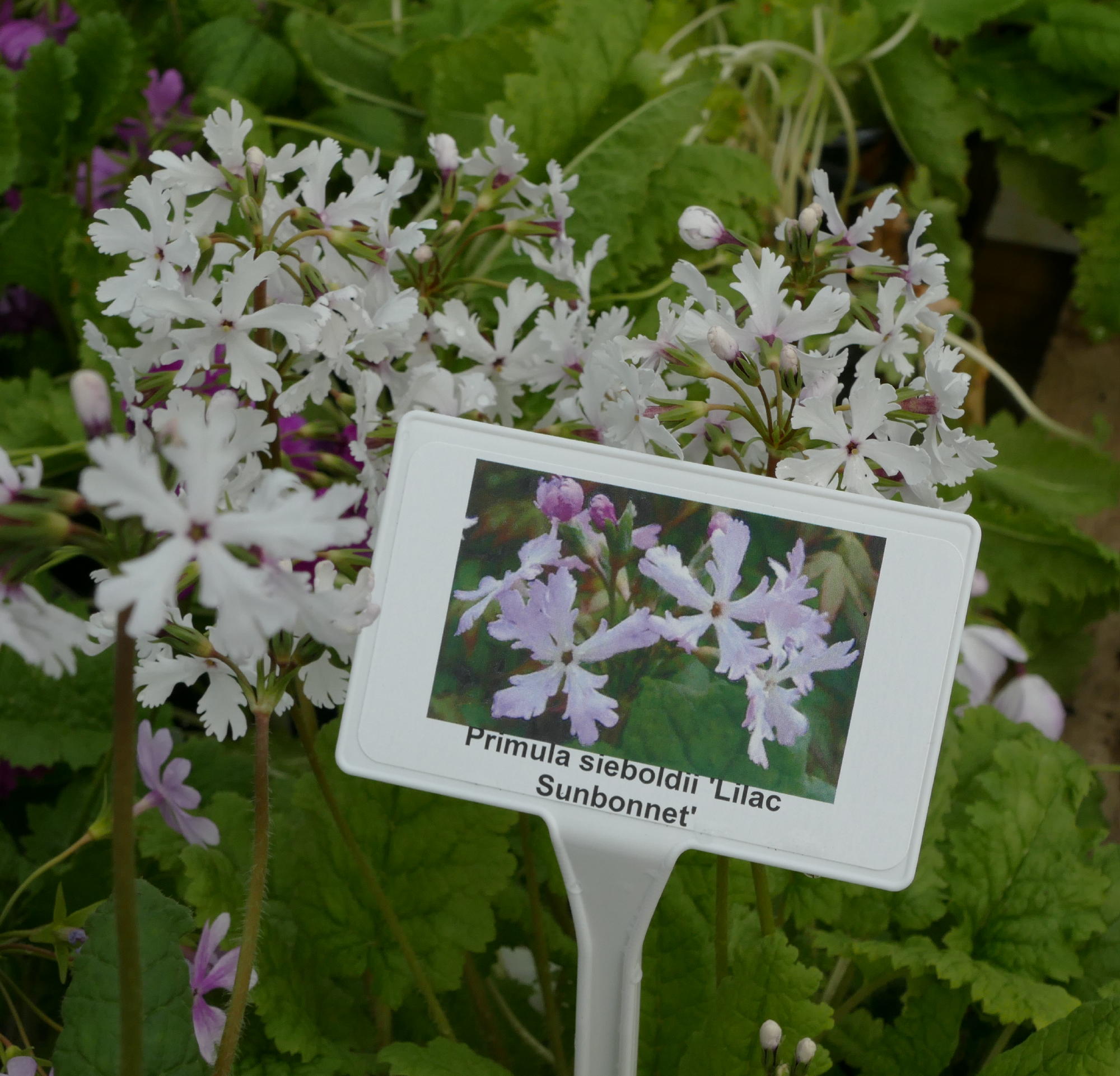
Richard Bramley, who most of us know, has recently built up an amazing collection, in flower now in one of his polytunnels at Farmyard Nurseries Llandysul, of Primula sieboldii.  I’d urge anyone who likes the look of them to go and visit Farmyard whilst they’re still in flower.


May Meeting – Roddy Milne from Picton Castle

Our meeting on May 17th promises a restful departure from the busy time that most gardeners are having this month.

The topic is “The Woodland Garden and its Plants” and the talk will be presented by Roddy Milne, head gardener at Picton Castle. Some of you may already have visited Picton Castle, but do come along as enjoying an hour with Roddy as he gives us tips and advice is not to be missed. If you are planting up a wooded area yourself then you’re sure to get some hints on how to proceed. There will be time to ask questions and a plant sale, plants brought along by Roddy and of course those grown by our members.

If you would like to know more about Picton Castle, near Haverfordwest, and perhaps plan a visit this spring, have a look at www.pictoncastle.co.uk for more information. This 40 acre site is at its best at this time of year, especially the woodland walks and spectacular display of rhododendrons.

Garden Safari

This is taking place on Wednesday May 10th. If you haven’t already given your name to Julian please do so asap. We need to know numbers to organise car sharing to Donna’s. The plan is to meet in the car park at Cymdu pub at 11.50 am and sort out filling the 4 cars Donna can accommodate from there/organise a shuttle service if needed. After Donna we go on to Elena for lunch – remember to bring a sharing plate of food; and then on to Tina’s for about 2.30 ish.

Westonbury Mill and Hergest Croft Visit

Anyone interested who hasn’t done so already and would like to car share, please let Julian know. The date for this is 24th May. The aim is to meet at Westonbury Mill in the morning, when it opens at 11.00 am and go on to Hergest Croft for the afternoon. Lunch can be had at either. Details will be finalised at the May meeting.

Cardiganshire Horticultural Society

The members of Cardiganshire Horticultural Society have very kindly said that any members of Cothigardeners who would like to join them on any of their outings would be very welcome to do so. Click here (http://cardhortsoc.org.uk/day-trips/ ) to go to their website if you are interested. Visits this year still to come include: Swansea: the Clyne Gardens & Penllergare; Powys: Bodfach & Bryn y Llidiart; Shropshire: Ruthall Manor & Dudmaston Hall; Chester Zoo Gardens. Details are also on our Members Offers page (click here)

Pies and Veg; Spring Bulbs and Cinnamon; Green’s Leaves

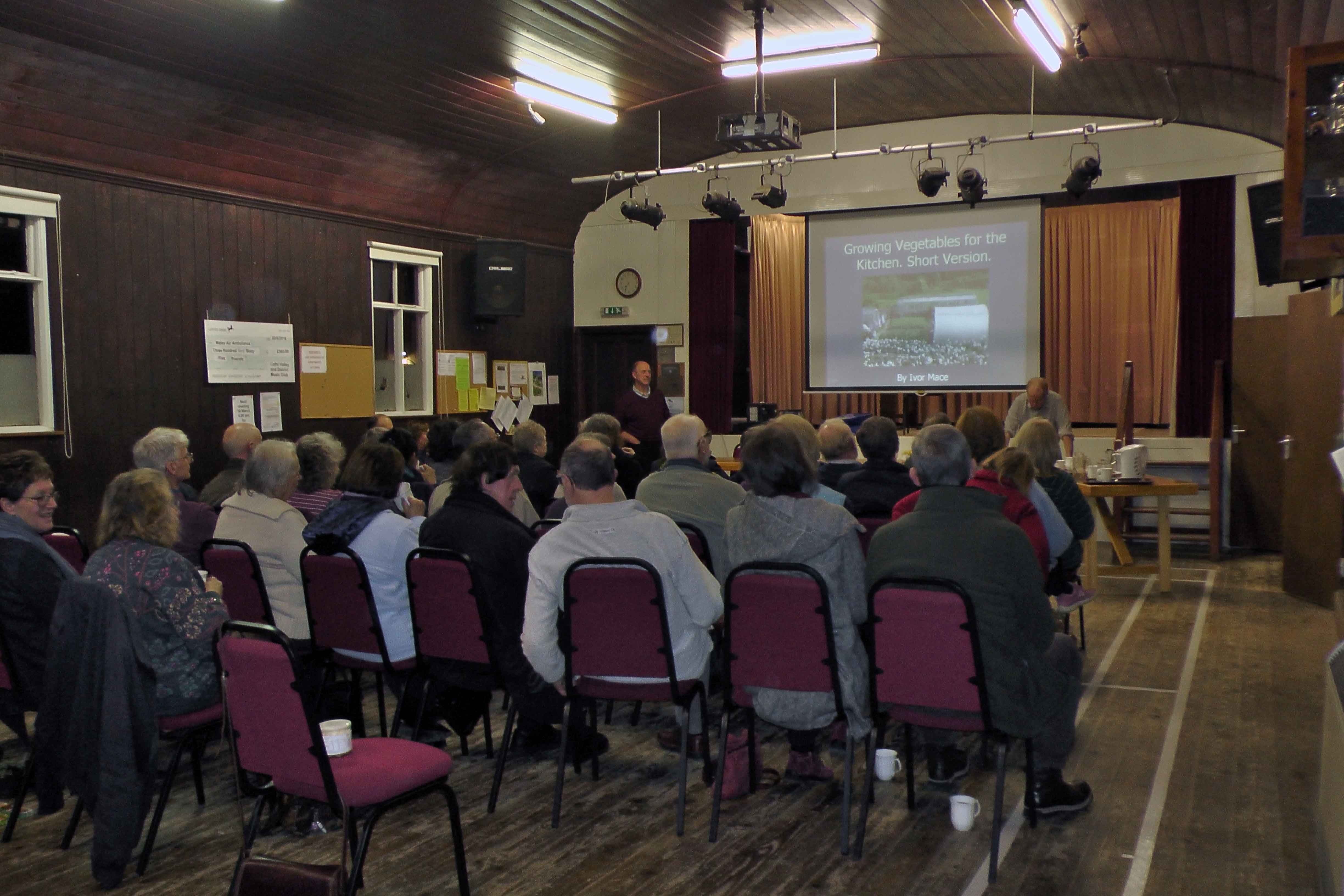
Following another highly successful Pie Night at the Dolaucothi Arms (thank you Dave and Esther) our speaker, Ivor Mace gave, us an excellent, amusing and informative talk at our meeting in March. Drawing on his 40 years experience he guided us through the trials and tribulations, joys and successes of growing vegetables. We picked up many tips and useful information on:

  • crop rotation to help reduce diseases such as Club root
  • when to dig different soil types
  • use of green manures
  • raised beds
  • most useful tools (draw hoe, fork, spade & dutch hoe)
  • sowing times and sowing tips
  • sequential planting
  • varieties of vegetables
  • pests and diseases

Sadly we needed much longer than the allotted 45 mins – 1 hour for Ivor to include detailed information on more than a couple of vegetable types. We will have to have him back for another session.

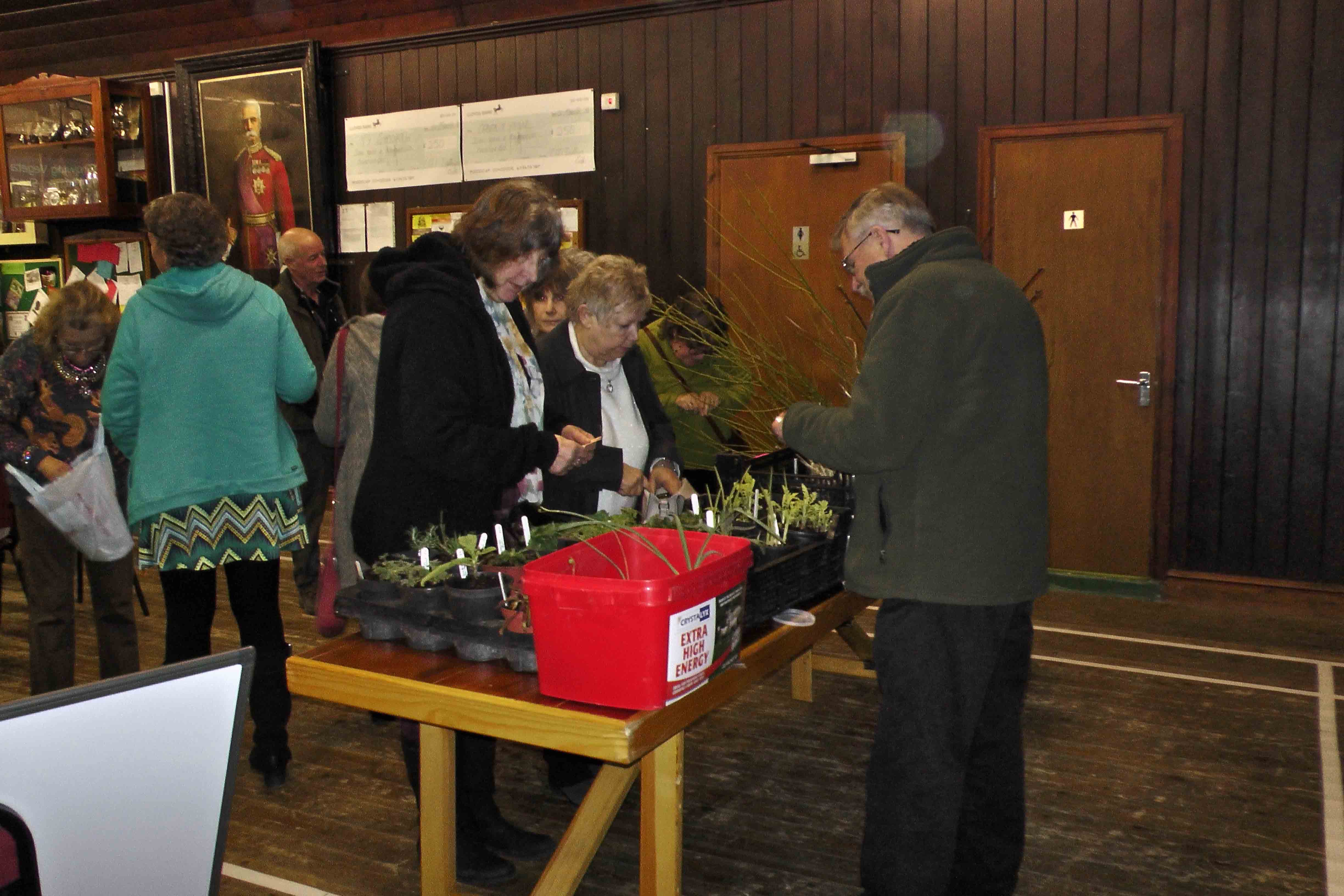
The club plant stall continues to do well – keep up the good work all of you who supply plants and those who buy them. There are many bargains and some unusual  plants to be had; and remember the proceeds go to club funds enabling us to have a wider range of speakers.

_____________________________________________________________________

After Ivor’s talk we had our new slot for member’s monthly tips. If you have a tip or item of information you think would be useful or you would just like to share please get in touch with Julian before the next meeting so that it can be included.

This month’s tips were:

1: Tenby Daffodils (From Julian)

Do we all know what they look like? And do we all grow them? They’re actually a species daffodil native to this part of the world, so not surprisingly grow very well here. They’re probably one of the most vigorous forms we grow, and reliably some of the earliest to flower – usually in time for St David’s day. This year we have masses of flowers from them. But my first tip taken from moving snowdrops in the green, is if you’ve got a vigorous form like Tenby, try moving them in the green – maybe 5 or 6 weeks after flowering. So long as you do it in damp/wet conditions, and then water them well in any dry conditions, they’ll survive and it’s much easier to get them where you want, between other bulbs and plants than buying in more dry bulbs in the autumn. They’ll probably sulk for a couple of years. But then be fine. Anyone who hasn’t got any, but would like some – more money for club funds, folks, come and have a word afterwards, and Julian can probably lose 30 or 40.  (So maybe 4 lots of 10?)

2: Cinnamon for gardeners. Elena found the following information and shared it with us:

Whenever I think of cinnamon, I immediately think of sweet treats around Christmas time. But cinnamon really is an incredibly healthy spice that has more uses than just adding flavour to your favourite desserts and drinks. Yep, some of the best chilis and grilled meat spice rubs that I’ve ever had contain cinnamon. And did you know that cinnamon is good for your heart health, your brain functions, and blood sugar regulation? Amazing stuff!

Maybe you already knew all that but here’s one that very few people know about: you can use cinnamon for gardening. “Huh? How can you possibly use cinnamon for gardening!?” Yes, I know it sounds completely crazy, but you really can use cinnamon to very legitimately help you with growing certain plants.

Have you ever heard of damping off disease? Perhaps you’ve never heard of it, but you may have seen it before… it’s a soil-borne fungus that looks like cotton and it grows on the stems of your seedlings. Infected plants might still germinate, however it’s only a matter of days before they become mushy, limp at the base, and die. Nasty stuff. But this is where cinnamon comes in…

As it turns out, cinnamon has anti-fungal properties so it’s a great solution to keeping your plants free of damping off disease. Just sprinkle the cinnamon on the soil (don’t worry if you get some on the leaves) and the wonderful spice will get to work protecting your babies.

3: Scilla bithynica.  The Turkish Squill (From Julian)

A bit like a smaller bluebell, but with flowers all round the stem, and a great nectar flower. Like bluebells it does well in moist shade, say under trees or shrubs and with us seems to produce lots of seed, though this will take a few years to grow to flowering size. Slugs and rabbits don’t seem to like it, and the great thing is the colour of the blue, and that it flowers for quite a bit longer than bluebells, and about 6 weeks earlier, so gives an extended season.  Well worth a try, and we got them from locally based John Shipton, who seems to be one of the few suppliers of this bulb (currently 5 bulbs for £9.50 + shipping. Click here for his website)

_____________________________________________________________________

There will be lots to discuss at our April meeting, the topic is “Choice Plants for Early Season Interest” by Paul Green.

There is so much to do in the garden at this time of year but Paul will help to get you going in the right direction with tips and advice so that you can focus your attention on what will do well during the spring. Paul’s nursery, Green’s Leaves, specialises in rather unusual plants which have been grown in the UK, making sure they are suitable for our cooler climate. Look at their website for more information www.greensleavesnursery.co.uk  and come along on 19th April as Paul will bring a selection of plants for sale. These are sure to be different from those found in most garden centres.

_____________________________________________________________________

PLANTS FOR W WALES; TIPS; CHALLENGES; VISITS; PIE NIGHT and GROWING VEGETABLES

We had a hugely successful first meeting of the year on Wednesday 15th, with an excellent turnout including many new faces and some we hadn’t seen for a while plus a brilliant speaker in Joseph Atkin from Aberglasney.

joseph-atkin-1-2

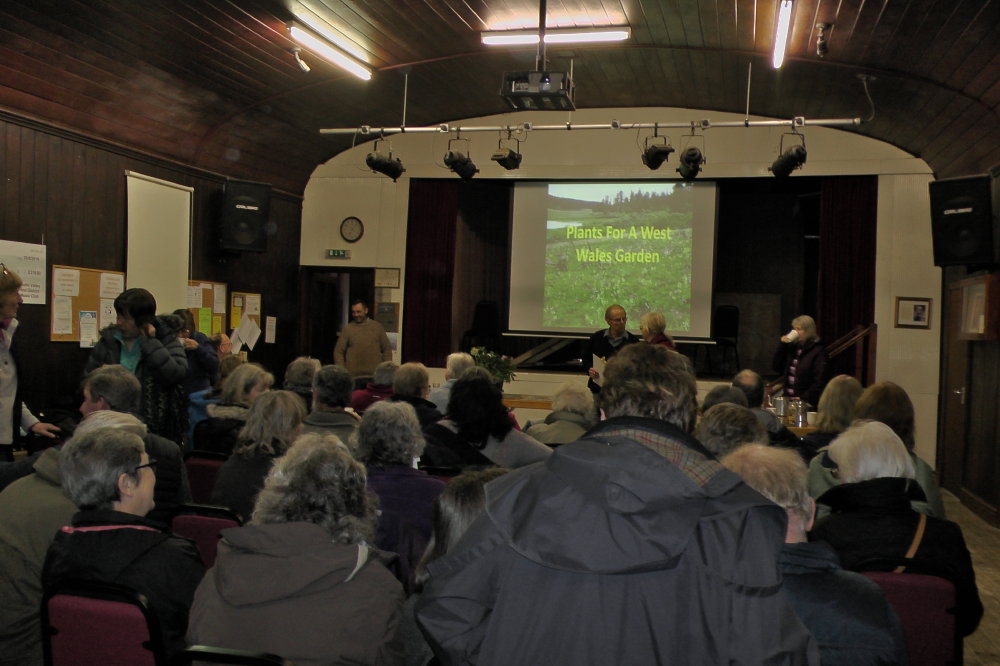
Joseph’s talk on plants for a West Wales garden was interesting, amusing and informative. He confirmed many of our views that we are fortunate to live in an environment that enables us to grow a great range of plants, particularly those native to China and the Himalayas – as long as we can control the slugs. He showed us some old favourite plants together with some lovely new ones, particularly some of the species lily family and gave us some very useful tips on propagating from seed and how he deals with slugs at Aberglasney.

joseph-atkin-2

The club plant stall was well supplied with some excellent plants so very many thanks to those who brought plants and to those who bought them. The proceeds are an essential part of raising funds so that we can continue to enjoy a wider range of speakers each year.

plant-stall-2

Julian, our new Chair, fortunately sailed through his first meeting without running aground. He introduced a new 5 minute slot for members to share any topical tips, plant favourites, etc with the rest of the club, kicking off with a couple of his own, and brought the club’s whiteboard into use to highlight some of the plants mentioned. Our club has an enormous font of knowledge and this is an opportunity for everyone to share in it, so if you have something you think would be of interest to other members, then do please get in touch with Julian well in advance of the next meeting so that it can be included in one of these slots.

Julian’s tips for February were:

  1. Jakoti hand shears. One of the most useful tools we’ve come across. They have a longer blade than secateurs, can be used with one hand easily and cut more in one go than conventional shears. They are also self sharpening. Available online for £30-£35.
  2. Three plants for February:

a) Cyclamen coum. Copes with anything the weather throws at it. Flowers from November through to March/April. Grows in free draining soil in semi shade. Maybe best on a slope – if you haven’t got a slope try making a sloping raised bed area, beneath a tree or large shrub.

cyclamen-coum-p1030362-2

b) Galanthus x valentinei. A lovely vigorous snowdrop out in time for Valentine’s Day, which has appeared in our garden – we really don’t know if it’s a seedling cross, since we have no record of ever buying it. Best planted like most snowdrops beneath a deciduous shrub or tree.

p1050322-3

c) Daphne bholua Jacqueline Postill. Heavenly scented flowers from December through March. Well drained soil, semi shade. If you can get hold of one on its own roots, it will sucker like a wild cherry and you’ll end up with plants eventually up to 7 feet tall, covered in these scented flowers for up to 2 months.

SDIM0035 (2)

__________________________________________________________________________

MEMBER’S MEDLEY AND GROWING CHALLENGE

The club growing challenge this year is for members to grow something that they then incorporate into a dish that they bring to the meeting in August to share – along with an example of what they have grown or photos if that is not practicable. Members can then share their ideas, successes or failures and sample the results. It is hoped to hold the event at Gelli Uchaf or, if the weather is bad, in the Coronation Hall as normal. Thank you to Brenda for the idea for this year’s challenge.

__________________________________________________________________________

GARDEN VISIT

We are planning an all day trip over the border at the end of May/early June to see two gardens that come highly recommended. The first is Westonbury Mill Water Garden (click here), entry £6 and the 2nd is Hergest Croft (click here) entry £6.50. The plan is to go by car and meet up at the gardens, having lunch at one or the other – both have cafes. The timing should be excellent for Rhododendrons.

There will be a form for anyone interested to sign at the March meeting. If you would like to add your name but can’t make the meeting then let either Julian or Fiona know.

__________________________________________________________________________

CLUB GARDEN SAFARI (CRAWL)

In past years we have had some fun days visiting fellow members gardens and it has been suggested that we do it again this year. If anyone is interested in adding their garden to the list of those to be visited please get in touch with Julian or sign the form at the March meeting

__________________________________________________________________________

PIE NIGHT

We are planning on having another Pie Night get together at the Dolaucothi Arms before the next meeting. We will meet at 6pm to eat at 6.15pm. Dave and Esther kindly allow us to come early so that we can get to the meeting on time. In order to do this we need to let them know our pie choices in advance, so anyone who would like to join us needs to let Julian know by Friday March 3rd so that we can get menus out and choices in in time.

_________________________________________________________________________

So with Spring  just around the corner and if you’ve already enjoyed the cheerful sight of Snowdrops and Crocus recently, why not give some attention to the vegetable garden in coming weeks?
To get you started, we have invited Ivor Mace to give a talk on March 15th. Ivor has over 40 years of growing experience and has won prizes for his show onions and leeks. He’ll tell us about soil condition, pH levels and no doubt recommend varieties which should do well in your garden. There will be time for questions and answers at the end of Ivor’s talk so if you fancy having a go at growing a prize winner for your local horticultural show or would like to add some home-grown veggies to your dinner plate, then come along. Even if you don’t have space for a vegetable plot, a few container-grown plants will add vitamins and minerals to your diet and the whole family can enjoy eating what they’ve grown.
Join us on March 15th at 7.30pm, please note the later start time.

Happy New Year! AGM and the Year Ahead.

cyclamen   hamamelis   snowdrops-2

With the days getting longer, Spring doesn’t seem that far away. The signs are already there  in the countryside and our gardens. Snowdrops, cyclamen, Hamamelis all brightening up the days when the sun doesn’t shine.

Our 2017 programme kicks off next week with the AGM – 7pm, Wednesday 18th January. It is always a fun social occasion as, once the usual business has been finished, we enjoy a ‘shared plate’ supper followed by a general knowledge quiz  organised by Derek.

Daisy, Margaret and Anne are all retiring from the committee this year after giving unstintingly of their time, knowledge and help. A huge thank you to them for all they have done over the last 3 or 4 years.

Our programme for the year is almost ready for publication, (full details will be published on the programme page of the website shortly). We have Joseph Atkin from Aberglasney to look forward to in February

aberglasney-2

and  to whet your appetites for later in the year…….

The Spring meetings include talks about growing vegetables and woodland gardens. During the summer we can find out about about scented plants and what to grow in ‘problem’ places. In August there’ll be an informal social evening, perhaps with a local garden visit. Moving into the Autumn there are talks about specific plant species and what to do if you have just too many plants and not enough space! The year ends with a relaxing evening watching a film about ‘Quatre Vents’ in Quebec, in December club members will round off the year with Christmas Lunch at a local restaurant.

So for anyone reading this who isn’t a member of the club but is keen on gardening, either growing flowers, shrubs or vegetables, you may like to come along to learn something different, make new friends and even buy some plants at bargain prices.
The Club meets on the third Wednesday of each month at Coronation Hall, Pumsaint and the membership includes gardeners of all abilities from beginner to expert nursery women and men. Many of the membership bring along cuttings and surplus plants from their own gardens which are sold to raise funds for the club. Annual membership is £14  visitors are welcome at just £3, and the evening always starts with coffee, tea and biscuits and a chance to look over the plant stall or chat to other members.

We’re a friendly group, meetings start at 7pm (7.30pm in the summer) There is plenty of parking at Coronation Hall, and if you’d like a drink before or after the meeting, the DolauCothi Arms is just opposite.


Roses in Wales; Charity Plant Sale; Surplus to requirements; Club Plant Shop

Our next meeting is almost upon us – Wednesday, 19th October at 7.30pm. Growing Roses in West Wales with Richard Bramley of Farmyard Nurseries. As we all know roses are not the easiest of plants to grow in a wet climate, so we look forward to Richard’s talk with great anticipation.

Rose-de-rescht

_______________________________________________________________________

John and Helen’s annual charity plant sale takes place this Sunday (23rd) from 1pm  at their garden Ty’r Maes, Ffarmers. “There will be plants for sale, the proceeds of which will go to the NGS, and plants to swap, where we would hope visitors will put a donation in one or more of the charity boxes.” So if you have any plants to spare, share or swap, do take them along.

_______________________________________________________________________

Do check out the surplus to requirements page on the website. A recent addition is a petrol strimmer for just £25.

_______________________________________________________________________

Club Plant Shop – A quick recap………..

Our plant shop has been very successful through the year.  For those purchasing plants from the stall please remember that it is no longer run on a donation basis. Members bring good quality plants which are potted up, labelled and priced, so please check the label and put the relevant amount in the tin. Any plants not sold should be taken home by the member who brought them.

A big thank you to everyone for your support.

Plant sales

Pie Night; A Ranger’s Perspective; National Meadows Day; Garden Openings; Next Meeting

The first Pie Night which preceded our last meeting was a resounding success and proved a great time for us to get together for an informal bit of socialising! Dave and Esther at the Dolaucothi Arms excelled themselves producing their delicious pies for the 18 of us in good time for us to make it across the road for the meeting.

Sarah Jones then gave us an interesting, amusing and informative talk on her work as a ranger for the National Trust at Dinefwr. Her enthusiasm and love for her work and the area were evident as she gave a fascinating insight into the role of a ranger caring for the park’s landscape, flora and fauna with particular reference to the fallow deer and the White Park Cattle.

The park is well worth a visit, particularly at the moment when the hay and wildflower meadows will be in full bloom. For members who are interested, National Meadows Day is this Saturday with various locations being open for visitors – more info can be found on the Carmarthenshire Meadows Group website (click here).

As part of National Meadows Day………

 Gelli Uchaf Meadows and Garden will be open on Saturday July 2nd 2016

Meadow Walks and a chance to look round the gardens at Gelli Uchaf small holding, which have been designed to incorporate many insect friendly flowers.
This event is in aid of the charities of the National Gardens Scheme.
Places are limited so must be booked.
There are two sessions, 10.30 am and 2.30 pm. Some places are still available for both.
£4 per person. Cakes/teas available as well if pre-booked (£3 pp).

Gelli Meadows                        sdim3594-2

The gardens were featured as 1 of 10 secret gardens in Wales to visit by Wales Online in 2014 and were also filmed in 2016 for BBC2’s Gardener’s World programme. The 11 acres of meadows are being gradually restored to increase floral and fungal diversity and include both hill, and valley bottom wet pastures. A photographic display of the progress so far, will be available, and weather permitting, some of our manual hay making techniques may also be on view.

s1040045-2

Anyone who is interested please book  by contacting Julian and Fiona Wormald
 01558 685119
 thegardenimpressionists@gmail.com
 Gelli Uchaf
Rhydcymerau
Llandeilo
Carmsarthenshire
SA19 7PY
__________________________________________________________________________
The opening of member’s gardens at Bwlchau Duon and The Sculptor’s Garden in Ffarmers on Sunday went really well. Congratulations to Brenda and Martin and Angela, the gardens looked wonderful and well deserved the turnout of over 140 visitors who were clearly not put off by the uncooperative weather!
anne-john

     Anne and John bravely enduring the rain while manning the plant sales at Bwlchau Duon

the tea ladies

The Tea Ladies at Bwlchau Duon

__________________________________________________________________________
Our next meeting is on Wednesday, July 20th when Helen Warrington from Ty Cwm Nursery will return to give us a talk on ‘The Origins of Plants’ .
Ty Cwm Nursery has a broad range of herbaceous perennials, bedding and veg in season, specialising in blueberries and carnivorous plants. Helen will be bringing a selection of plants from the nursery for sale after the talk.
__________________________________________________________________________
The Club Plant Shop
This is getting better and better and is making an excellent contribution to club funds. Very many thanks to all those who have supported it both in the supply and purchase of plants. We need to keep the momentum going so please do keep supporting it at each meeting.
To recap: good quality, potted up, labelled, and priced plants to be donated. A table will be set up for the ‘Plant Shop’ at the back of the hall, with a tin for the money to be left in. Please price your donation/s according to size of pot, type of plant and so that it reflects the true value while being less than a garden centre would charge. This way those purchasing will have a good quality product at an advantageous price.